40ft Shipping Container Prices in Raleigh, NC
Table of Contents
- Table of Contents
- Current Market Overview for 40ft Containers in Raleigh
- Factors Influencing Local Pricing Trends
- Average Price Ranges for New vs. Used Units
- Standard vs. High Cube 40ft Container Costs
- Impact of Container Condition on Your Investment
- One-Trip Containers: The Premium Option
- Wind and Watertight (WWT) vs. Cargo Worthy
- Local Delivery and Logistics Fees in the Triangle Area
- Site Preparation Requirements for 40ft Units
- Where to Buy: Raleigh Suppliers and Marketplaces
- Additional Costs: Modifications and Permitting in North Carolina
- Raleigh Zoning and Land Use Regulations
- Strategies for Securing the Best Container Deal
Table of Contents
- Current Market Overview for 40ft Containers in Raleigh
- Standard vs. High Cube 40ft Container Costs
- Impact of Container Condition on Your Investment
- Local Delivery and Logistics Fees in the Triangle Area
- Where to Buy: Raleigh Suppliers and Marketplaces
- Additional Costs: Modifications and Permitting in North Carolina
- Strategies for Securing the Best Container Deal
If you’re pricing a 40ft shipping container in Raleigh, NC, you already know the numbers can vary wildly depending on where you look. A quick online search might show you anything from $2,800 to $7,500 or more, and the gap between those figures comes down to details most sellers don’t explain upfront: grade, condition, delivery distance, and whether the unit is a standard height or high cube. Raleigh sits in a strong position for container availability thanks to its proximity to the Port of Wilmington and major freight corridors along I-40 and I-95, but that geographic advantage doesn’t automatically translate to the lowest price. Understanding what actually drives costs in this market puts you in a much better position to spend wisely. This guide breaks down real pricing factors, condition grades, delivery logistics, and permitting requirements specific to the Raleigh area so you can make a confident purchase.
Current Market Overview for 40ft Containers in Raleigh
Raleigh’s container market has stabilized compared to the sharp price swings of 2021 and 2022, when global shipping disruptions pushed used container prices to record highs. Prices have come down from those peaks, but they haven’t returned to pre-pandemic levels either. The current market reflects a balance between steady demand from construction, small business, and agricultural buyers across the Triangle and a healthier supply of units flowing through East Coast ports.
Demand in Wake County and surrounding areas stays consistent year-round. Contractors use 40ft units for materials staging on commercial job sites, while farms and rural property owners across Johnston, Harnett, and Chatham counties rely on them for equipment and feed storage. That steady local demand keeps prices from dropping as far as you might see in markets with less construction activity.
Factors Influencing Local Pricing Trends
Several factors push 40ft container prices in Raleigh up or down. Proximity to port matters: units trucked from Wilmington cost less in delivery fees than containers repositioned from Savannah or Norfolk. Steel commodity prices also play a role, since containers are essentially steel structures. When scrap steel prices rise, sellers hold firmer on asking prices because their floor cost increases.
Seasonal patterns affect availability too. Spring and summer bring more construction starts, which tightens supply and can bump prices by $200 to $500 on popular grades. If you’re flexible on timing, buying in late fall or winter often yields better deals simply because fewer buyers are competing for the same inventory.
Average Price Ranges for New vs. Used Units
A new (one-trip) 40ft container in the Raleigh market typically runs between $4,800 and $6,500, depending on whether it’s standard height or high cube. These units have made a single voyage from the manufacturer, usually in China, to a U.S. port and show minimal cosmetic wear.
Used 40ft containers span a much wider range. A cargo worthy unit in decent shape generally costs $2,800 to $4,200. Wind and watertight units, which are older and may have cosmetic issues but still keep weather out, fall between $2,200 and $3,200. The condition grade is the single biggest factor in price, and understanding what each grade actually means will save you from overpaying or buying something that doesn’t meet your needs.
Standard vs. High Cube 40ft Container Costs
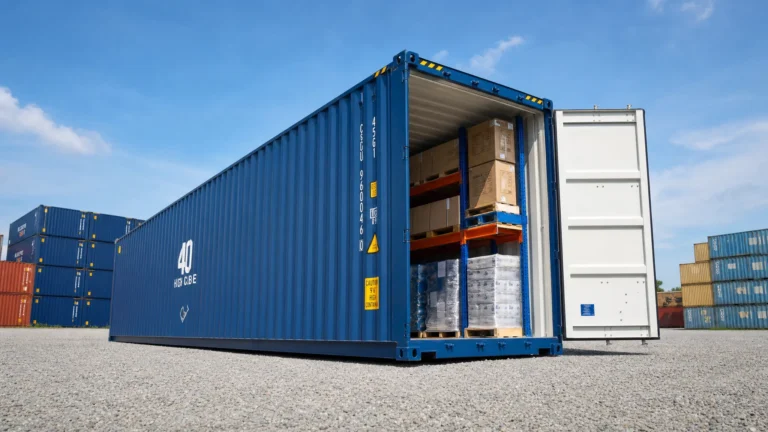
A standard 40ft shipping container stands 8 feet 6 inches tall on the exterior, giving you roughly 7 feet 10 inches of interior headroom. A high cube unit adds an extra foot, standing 9 feet 6 inches tall with about 8 feet 10 inches of usable interior height. That extra 12 inches costs you roughly $300 to $800 more depending on grade and availability.
For most storage applications, the standard height works fine. You can stack pallets, store building materials, or organize farm equipment without feeling cramped. But if you’re planning a container office conversion, a workshop, or any space where people will spend extended time inside, the high cube is worth the premium. That extra foot of headroom makes a noticeable difference once you account for insulation, ceiling finishes, and lighting.
High cube units also offer about 344 cubic feet of additional cargo volume compared to standard containers: 2,694 cubic feet versus 2,350. If you’re using the container for inventory overflow or retail stock, that added capacity can reduce the number of units you need on site.
Impact of Container Condition on Your Investment
Container condition grades aren’t just marketing labels. They correspond to real structural and cosmetic differences that affect how long the unit will last and what you can do with it. Knowing the distinction between grades prevents the most common buying mistake: paying one-trip prices for a unit that’s actually cargo worthy, or expecting cargo worthy performance from a wind and watertight container.
One-Trip Containers: The Premium Option
One-trip containers are the closest thing to new you’ll find. They’re manufactured overseas, loaded with cargo for a single trans-Pacific or trans-Atlantic voyage, and then sold at the destination port. Expect clean, uniform paint with minimal surface rust, factory-installed lockboxes, and floors free of stains or chemical residue.
These units make sense when appearance matters, like a customer-facing storage area at a retail site, or when you’re planning a conversion project where starting with a clean shell saves time and money on prep work. In Raleigh, one-trip 40ft containers typically price between $4,800 and $6,500. The premium over used units is real, but so is the extended service life you’ll get from newer steel and intact paint coatings.
Wind and Watertight (WWT) vs. Cargo Worthy
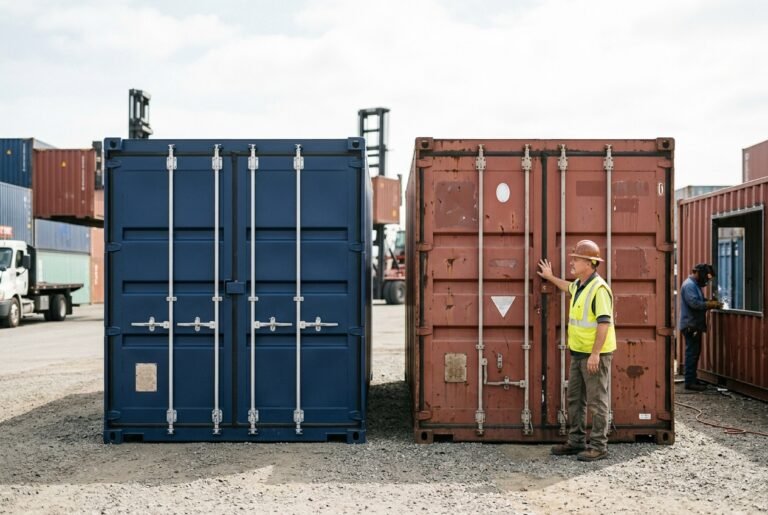
Cargo worthy containers have been inspected and certified to carry goods via ocean freight. They’re structurally sound, with functioning doors, intact seals, and floors that can handle loaded pallets. Expect visible wear: dents, surface rust patches, and faded or mismatched paint from repairs. Prices in the Raleigh area typically fall between $2,800 and $4,200 for a 40ft unit.
Wind and watertight containers are a step below. They keep rain and wind out, but they may not pass a cargo worthy inspection. You might see more significant dents, older door gaskets, or patched floor sections. These are solid choices for on-site storage where appearance isn’t a concern: think farm equipment, seasonal inventory, or construction materials. Expect to pay $2,200 to $3,200 for a 40ft WWT unit locally.
The key distinction is certification. If you ever plan to ship the container loaded with freight, you need cargo worthy. If it’s staying put on your property, wind and watertight saves you money without sacrificing weather protection.
Local Delivery and Logistics Fees in the Triangle Area
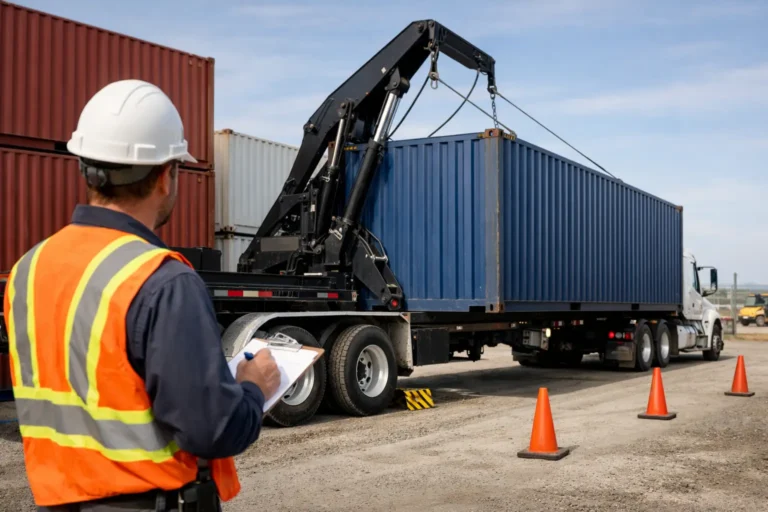
Delivery is one of those costs that catches buyers off guard. A 40ft shipping container weighs roughly 8,000 to 8,500 pounds empty, and getting it to your site requires either a tilt-bed trailer or a roll-off truck. Delivery fees within the Raleigh-Durham-Chapel Hill Triangle typically run $300 to $600 for distances under 50 miles from the depot. Beyond that radius, expect fees to climb by $3 to $5 per mile.
Tilt-bed delivery requires about 100 feet of straight-line clearance for the truck to slide the container off the back. Roll-off trucks need less length but more overhead clearance. If your site has low-hanging power lines, tree branches, or a tight driveway entrance, you’ll need to confirm which delivery method works before placing your order. Lease Lane Containers provides delivery planning support that covers access requirements, turning radius, and overhead clearance so you avoid costly failed delivery attempts.
Site Preparation Requirements for 40ft Units
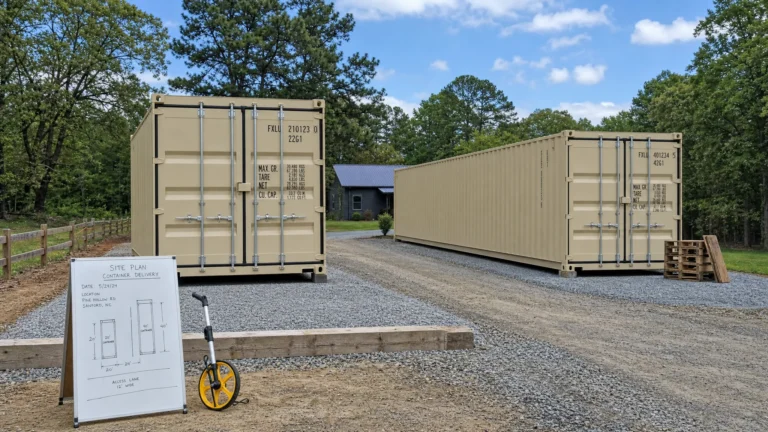
A 40ft container is 40 feet long, 8 feet wide, and needs a level surface to sit on. Placing it directly on bare ground invites moisture problems and makes the doors harder to operate over time as the container settles unevenly.
The most common foundation options for residential and commercial sites include:
- Compacted gravel pad (4 to 6 inches deep, extending 2 feet beyond the container footprint on all sides)
- Concrete piers or blocks at the four corner castings and two midpoints
- Railroad ties laid perpendicular to the container’s length for drainage and airflow
Budget $200 to $800 for basic site prep depending on soil conditions and whether you need to grade the area first. If your site in Wake County has clay-heavy soil, drainage becomes especially important to prevent water pooling under the unit.
Where to Buy: Raleigh Suppliers and Marketplaces
You have three main channels for buying a 40ft container in the Raleigh area: local container dealers, national online marketplaces, and direct-from-depot purchases. Each has trade-offs.
Local dealers like Lease Lane Containers offer the advantage of Raleigh-based expertise. You can ask specific questions about grades, get honest guidance on which condition fits your project, and coordinate delivery with someone who knows the local roads and site access challenges in Wake, Durham, and Johnston counties. National online platforms may show lower sticker prices, but delivery fees from distant depots and the inability to inspect units beforehand can erase those savings quickly.
Direct-from-depot purchases are sometimes possible if you’re comfortable arranging your own transport. Depots near Wilmington or Charlotte occasionally sell surplus units at lower margins, but you’ll handle all logistics yourself. For most buyers, working with a supplier who bundles transparent grading guidance with delivery planning is the most efficient path.
Additional Costs: Modifications and Permitting in North Carolina
The purchase price and delivery fee aren’t your only costs. If you plan to modify the container or place it on your property permanently, budget for extras.
Common modifications and their approximate costs:
- Roll-up door installation: $1,200 to $2,500
- Personnel door with frame: $800 to $1,500
- Window cut-outs with welded frames: $400 to $900 each
- Interior insulation (spray foam): $2,500 to $5,000 for a full 40ft unit
- Electrical panel and basic wiring: $1,500 to $3,500
- Exterior paint (full respray): $600 to $1,200
These figures vary by contractor and complexity, but they give you a realistic starting point for budgeting a container project beyond basic storage.
Raleigh Zoning and Land Use Regulations
Placing a shipping container on your property in Raleigh requires attention to local zoning rules. The City of Raleigh’s Unified Development Ordinance (UDO) governs what’s allowed and where. In most residential zones, a shipping container used for storage may be classified as an accessory structure, which means setback requirements and size limits apply.
Contact the Raleigh Planning and Development Department at (919) 996-2626 or visit raleigh.gov to check your specific zoning district before purchasing. In unincorporated Wake County areas, regulations differ and may be less restrictive. If you’re placing a container on agricultural land, exemptions sometimes apply, but confirm with the county first.
For commercial properties, containers used as temporary storage during construction often fall under different rules than permanent placement. Getting clarity on permit requirements before your container arrives saves you from fines or forced removal.
Strategies for Securing the Best Container Deal
Getting a fair price on a 40ft container in Raleigh comes down to preparation and timing. Here’s what actually moves the needle:
- Get quotes from at least three suppliers. Compare not just the container price but also delivery fees, included services, and the grade definitions each seller uses.
- Be specific about your intended use. A supplier who understands your project can steer you toward the right grade instead of upselling you on a one-trip unit you don’t need.
- Ask about current depot inventory. Containers already sitting at a local depot cost less to deliver than units that need repositioning from another state.
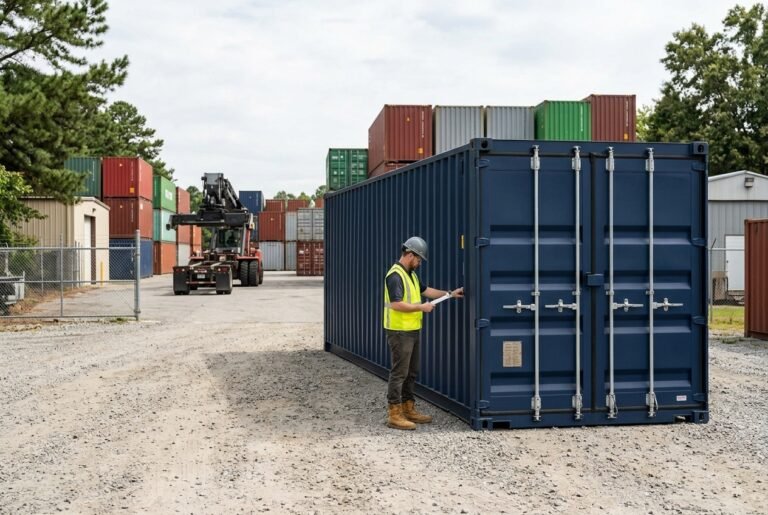
- Inspect before you buy, or work with a seller who provides clear photos and honest condition descriptions. Dents are cosmetic. Holes in the roof are not.
- Time your purchase for slower months. November through February often brings softer pricing as construction activity dips across the Triangle.
Buying a 40ft shipping container is a practical investment whether you’re staging a job site, expanding storage for your business, or starting a conversion project. The Raleigh market offers solid availability and competitive pricing if you know what to look for. Take time to match the right grade to your actual needs, confirm delivery access before ordering, and factor in site prep and any permit requirements.
If you’re ready to compare options, browse available inventory at Lease Lane Containers to see current container sizes, grades, and pricing. The Raleigh-based team can help you plan delivery logistics and choose the right unit for your project: reach out at (984) 313-6158 or sales@leaselanecontainers.com.