The Average One-Trip Shipping Container Price
Table of Contents
- Table of Contents
- Understanding One-Trip Shipping Containers and Their Market Value
- The Difference Between One-Trip and Used Containers
- Current Average Price Ranges for 20ft and 40ft Units
- Key Factors Influencing One-Trip Container Pricing
- Global Steel Prices and Manufacturing Costs
- Supply Chain Demand and Inventory Levels
- Impact of Container Size and Specialized Dimensions
- Standard vs. High Cube Height Premiums
- Geographic Location and Delivery Logistics
- Port Proximity vs. Inland Transport Fees
- Additional Costs Beyond the Base Purchase Price
- Customization and Modification Expenses
- Taxes, Surcharges, and Inspection Fees
- Long-Term ROI of Investing in One-Trip Units
- Tips for Securing the Best Price from Suppliers
- Bulk Purchase Discounts and Seasonal Trends
- Final Checklist
Table of Contents
- Understanding One-Trip Shipping Containers and Their Market Value
- Key Factors Influencing One-Trip Container Pricing
- Impact of Container Size and Specialized Dimensions
- Geographic Location and Delivery Logistics
- Additional Costs Beyond the Base Purchase Price
- Long-Term ROI of Investing in One-Trip Units
- Tips for Securing the Best Price from Suppliers
- Final Checklist
Buying a shipping container that’s practically brand new sounds like a straightforward decision, but the price tag can vary by thousands of dollars depending on factors most first-time buyers don’t anticipate. A one-trip shipping container price depends on far more than just the size of the unit. Steel costs, port proximity, delivery logistics, and even the time of year all play a role. If you’re a contractor setting up a job-site office near Raleigh, a homeowner adding backyard storage, or a small business owner managing inventory overflow, understanding how these costs break down helps you avoid surprises and spend wisely. This guide covers the real numbers, the hidden variables, and practical ways to get the most value from your purchase. Whether you’re comparing grades or trying to figure out why a quote from one supplier looks nothing like another, you’ll find the specifics here.
Understanding One-Trip Shipping Containers and Their Market Value
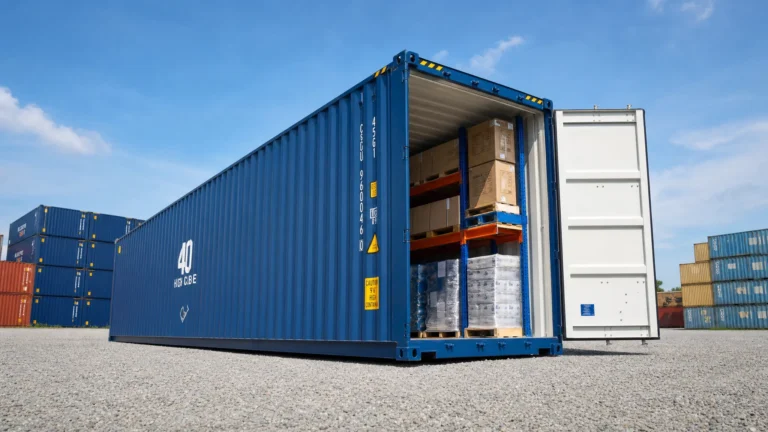
One-trip containers are manufactured overseas, typically in China, loaded with cargo for a single voyage, and then sold at their destination port. They arrive in near-new condition with minimal cosmetic wear: maybe a few scuffs from transit, but structurally they’re as close to factory-fresh as you’ll find on the secondary market. These units carry original paint, intact factory floors, and hardware that hasn’t been subjected to years of salt air and repeated loading cycles.
Their market value reflects that condition. Buyers pay a premium over used shipping containers because they’re getting a unit with a full remaining lifespan, typically 25 years or more with basic maintenance. For projects where appearance matters, like a container office or customer-facing retail space, the clean exterior and consistent paint finish of a one-trip unit reduce modification costs significantly.
The Difference Between One-Trip and Used Containers
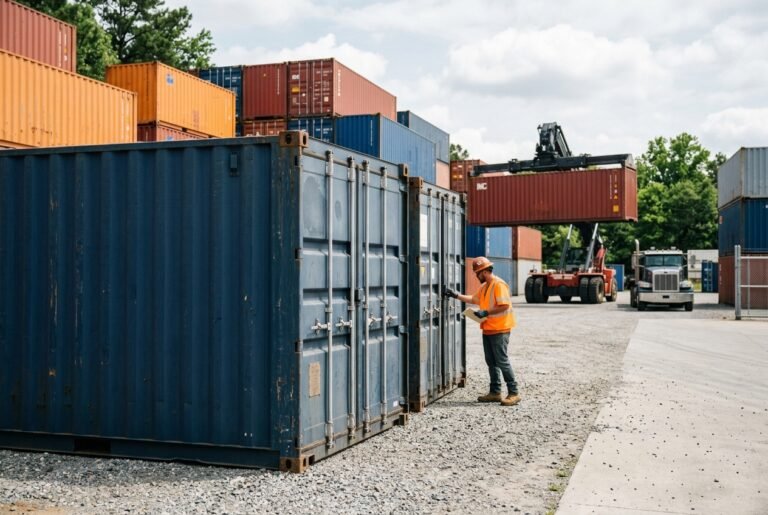
Used shipping containers fall into two primary grades: Cargo Worthy (CW) and Wind and Watertight (WWT). A Cargo Worthy unit has passed a current CSC inspection and can still be used for international shipping. Wind and Watertight containers keep the elements out but may show heavy surface rust, dents, patched panels, or worn flooring. They’re functional for basic storage but aren’t pretty.
One-trip containers sit above both grades. They haven’t been through multiple loading cycles, stacked in port yards for years, or exposed to repeated ocean crossings. The steel is thicker in practice because it hasn’t corroded. The doors seal cleanly. The floors don’t have forklift gouges. If you’re choosing between a CW unit at $2,200 and a one-trip at $4,500, you’re really choosing between a container with five to ten good years left and one with two decades or more.
Current Average Price Ranges for 20ft and 40ft Units
As of mid-2025, a 20ft one-trip container typically runs between $3,200 and $5,000 depending on location and availability. A 40ft one-trip unit generally falls in the $4,500 to $7,000 range. High cube versions of both sizes command an additional $300 to $800 premium.
These numbers shift throughout the year. During periods of high import volume, more one-trip units enter the domestic market, which can push prices down slightly. When manufacturing slows or shipping routes tighten, inventory dries up and prices climb. Port cities like Savannah, Houston, and Los Angeles tend to have the lowest base prices before delivery, simply because that’s where the containers first arrive on U.S. soil.
Key Factors Influencing One-Trip Container Pricing
No single factor determines what you’ll pay. Pricing for one-trip containers is shaped by a combination of raw material costs, global trade patterns, and regional supply dynamics. Understanding these forces helps you time your purchase and set realistic budget expectations.
Global Steel Prices and Manufacturing Costs
Shipping containers are made primarily from Corten steel, a weathering steel alloy designed to resist corrosion. When global steel prices rise, so does the cost of manufacturing new containers. A 40ft container uses roughly 3,500 to 4,000 pounds of steel, so even modest per-ton price swings translate into meaningful cost changes.
Labor costs at manufacturing facilities, primarily located in China, also factor in. Currency exchange rates between the U.S. dollar and the Chinese yuan affect the landed cost of every unit. When the dollar is strong, containers manufactured overseas become relatively cheaper for American buyers. When it weakens, expect to see those increases passed along within a few months.
Supply Chain Demand and Inventory Levels
Container pricing follows basic supply and demand. During periods of heavy import activity, more one-trip units arrive at U.S. ports, increasing domestic inventory. That surplus tends to soften prices. Conversely, when global shipping contracts or trade routes shift, fewer units enter the market and prices firm up.
The post-2020 shipping disruptions illustrated this clearly. Container prices spiked to historic highs as supply chains strained, then gradually corrected as trade volumes normalized. Watching import trends and port congestion reports gives you a rough sense of where prices are headed. If you see reports of container surplus at major ports, that’s often a good buying window.
Impact of Container Size and Specialized Dimensions
Size is the most obvious price variable, but it’s not just about length. Height, width, and specialty configurations all affect what you’ll pay.
A standard 20ft container measures roughly 20 feet long, 8 feet wide, and 8 feet 6 inches tall on the exterior. The 40ft version doubles the length while keeping the same width and height. Interior usable space is slightly less: expect about 19 feet 4 inches of interior length on a 20ft unit and 39 feet 5 inches on a 40ft unit, with roughly 7 feet 8 inches of interior width.
Standard vs. High Cube Height Premiums
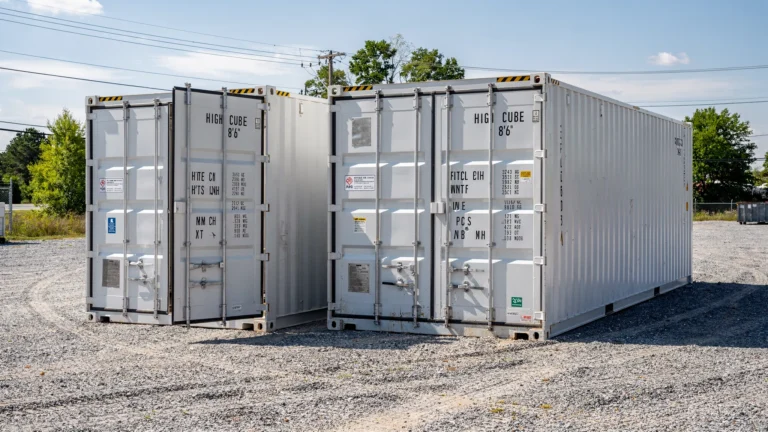
High cube shipping containers add an extra foot of height, bringing the exterior to 9 feet 6 inches and the interior to approximately 8 feet 10 inches. That additional 12 inches matters more than most people expect. If you’re building out a container office, workshop, or living space, the extra headroom makes a noticeable difference in comfort, especially after insulation and ceiling finishes reduce the usable height.
The price premium for high cube units typically ranges from $300 to $800 over standard-height equivalents. For a 40ft high cube one-trip container, you might pay $5,000 to $7,500 depending on your market. Given that the per-square-foot cost increase is minimal, most buyers planning any kind of interior buildout find the upgrade worthwhile.
Geographic Location and Delivery Logistics
Where you’re located relative to a major port has a direct impact on your total cost. The container itself might be priced identically in two different cities, but delivery fees can create a gap of $1,000 or more.
Port Proximity vs. Inland Transport Fees
If you’re within 50 miles of a major container port, delivery might cost $200 to $500. Move 200 miles inland and that figure jumps to $800 to $1,500. Buyers in landlocked states or rural areas can face delivery charges of $2,000 or more, which significantly changes the total cost equation.
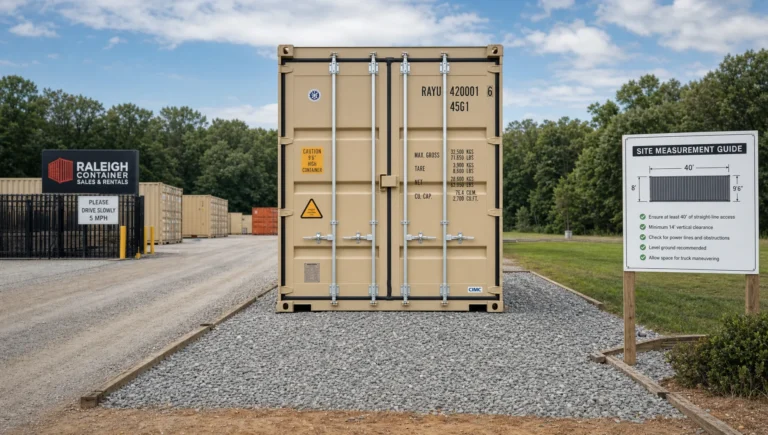
Delivery method matters too. A tilt-bed truck needs roughly 100 feet of straight clearance to offload a 40ft container, plus adequate overhead clearance for power lines and tree branches. A roll-off chassis requires less length but still needs a firm, level surface. If your site has tight access, a steep grade, or soft ground, you may need additional equipment or site prep work before the truck arrives. Lease Lane Containers, based in Raleigh, North Carolina, provides delivery planning support that covers access requirements, turning radius, overhead clearance, and placement logistics, so you can avoid costly surprises on delivery day.
Additional Costs Beyond the Base Purchase Price
The sticker price on a one-trip container is only part of the total investment. Several line items tend to catch first-time buyers off guard.
Customization and Modification Expenses
If you need roll-up doors, personnel doors, windows, electrical panels, insulation, or ventilation, those modifications add cost. A basic personnel door installation runs $800 to $1,500. Adding a window costs $400 to $900 depending on size and framing. Full electrical packages for a container office can range from $2,500 to $6,000.
One advantage of starting with a one-trip unit is that the clean, undamaged surfaces make modifications easier and less expensive. Welding to corroded or patched steel is harder, takes longer, and produces weaker joints. A fabricator working on a one-trip container can cut, weld, and finish more efficiently, which saves labor hours.
Taxes, Surcharges, and Inspection Fees
Sales tax varies by state. In North Carolina, for example, you’ll pay the standard state and local sales tax rate on your container purchase. Some suppliers include delivery in the taxable amount; others don’t. Ask for a breakdown before you commit.
Port surcharges, fuel surcharges, and environmental fees can also appear on invoices. If you’re buying from a depot near a port, you might see gate fees or chassis rental charges. An independent inspection before purchase typically costs $150 to $300, but it’s money well spent if you want documentation of the container’s condition at the time of sale.
Long-Term ROI of Investing in One-Trip Units
A one-trip container holds its value better than any other grade. After five years of use, a well-maintained one-trip unit typically retains 60% to 75% of its original purchase price. A used CW container purchased at the same time might retain only 40% to 50%.
The math gets more compelling when you factor in maintenance costs. One-trip containers require minimal upkeep in their first decade: occasional touch-up paint on scratches, lubrication of door gaskets and hinges, and periodic inspections of the roof and corner castings. Used containers often need rust treatment, floor repairs, or gasket replacement much sooner.
For buyers using containers as long-term storage on farms, job sites, or commercial properties, the cost-per-year calculation almost always favors one-trip units. A $4,500 one-trip container that lasts 25 years costs $180 per year. A $2,500 used container that needs $500 in repairs after year three and replacement after year twelve costs roughly $250 per year. The cheaper option isn’t always the less expensive one.
Tips for Securing the Best Price from Suppliers
Getting a fair price on a one-trip container requires some homework and timing. Don’t assume the first quote you receive is the best available.
Request quotes from at least three suppliers and compare not just the container price but the total delivered cost. A supplier offering a lower base price but charging $1,200 for delivery might cost more than one with a slightly higher unit price and $400 delivery. Lease Lane Containers provides transparent pricing that includes clear guidance on grades, sizing, and delivery factors so you can compare apples to apples.
Bulk Purchase Discounts and Seasonal Trends
If you need multiple units, ask about volume pricing. Most suppliers offer discounts starting at two or three containers. Discounts of 5% to 10% per unit are common for orders of five or more.
Seasonal trends affect pricing too. Late fall and winter tend to be slower periods for container sales, which can create negotiating room. Spring and summer see higher demand from construction projects and agricultural buyers, which tightens inventory and reduces flexibility on price. If your timeline allows, placing your order in November through February often yields better deals.
Watch for end-of-quarter or end-of-year inventory clearances as well. Depots sometimes discount units they’ve held for several months to free up yard space.
Final Checklist
- Confirm the container grade: one-trip, Cargo Worthy, or Wind and Watertight.
- Get total delivered pricing, not just the base unit cost.
- Verify interior and exterior dimensions match your project needs.
- Check site access: turning radius, overhead clearance, ground conditions.
- Ask about sales tax, surcharges, and any port or depot fees.
- Request photos of the specific unit you’re purchasing.
- Compare at least three supplier quotes on a total-cost basis.
- Consider timing your purchase during slower seasonal periods.
A one-trip shipping container is a practical, long-lasting investment whether you’re storing equipment, building out a workspace, or adding secure storage to your property. The price you pay depends on size, location, delivery logistics, and timing, but understanding those variables puts you in a much stronger position to buy smart.
If you’re ready to compare options, browse available inventory at Lease Lane Containers to see current container sizes, grades, and pricing. Their Raleigh-based team can help you match the right unit to your project and plan delivery logistics before you commit.