Shipping Container Buying Guide
A container that looks fine in a listing photo can turn into a delivery problem, a site problem, or a budget problem once it reaches your property. That is why a practical shipping container buying guide should start before you compare prices. The right purchase depends on what you are storing, how long you need the unit, what condition is acceptable, and whether your site can actually receive it without delays.
For contractors, growers, facility teams, and homeowners, the main goal is usually the same – get durable, secure storage with no surprises. The mistake most buyers make is focusing on container length first and everything else second. In reality, grade, delivery access, and intended use often matter just as much as dimensions.
What this shipping container buying guide should help you decide
A good container purchase comes down to four questions. What size do you need, what condition can you accept, what type of container fits the job, and what delivery method works at your site. If you answer those clearly, pricing becomes easier to compare because you are evaluating the same thing across quotes.
That matters because not all containers being sold in the US are represented the same way. Terms like one-trip, Cargo Worthy, and Wind & Watertight are useful, but only if the seller defines them clearly. A lower quote can reflect a lower grade, less cosmetic consistency, or more delivery limitations than you expected.
Start with use case, not just size
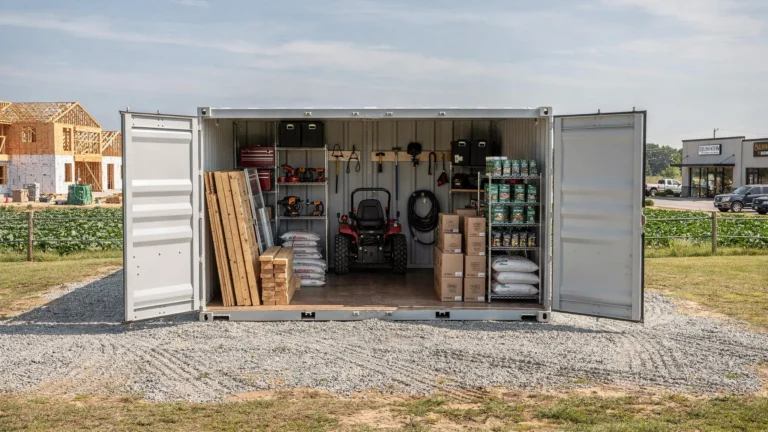
The first decision is not 20-foot or 40-foot. It is how the container will be used over time. A job-site storage unit for tools and materials has different requirements than a farm equipment shed, a retail pop-up, or a workshop shell.
If you need basic secure storage, a standard dry container is usually the right place to start. These units are built from Corten steel, designed for long service life, and well suited for weather-resistant storage when the grade is appropriate. For buyers who want minimal wear and a cleaner exterior appearance, one-trip containers are often the preferred option.
If vertical clearance matters, high-cube containers add about one extra foot of interior height. That can make a real difference for palletized inventory, workshop conversions, or shelving layouts. For oversized loading needs, open-top units can help. If you need access from both ends, tunnel containers may solve a workflow issue more efficiently than trying to work around a single-door layout.
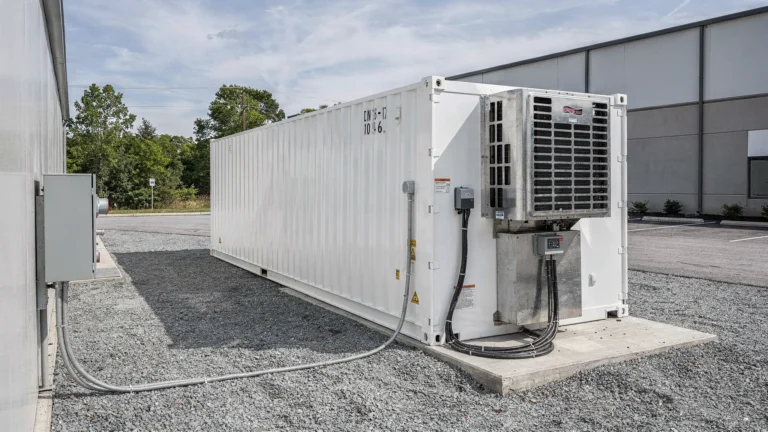
Reefer containers deserve a separate decision process. They are insulated and useful for temperature-sensitive storage or certain conversions, but they are also heavier, more complex, and not always the best value if active refrigeration is not required. Buyers sometimes choose reefers for insulation alone, then realize the added cost and mechanical components were unnecessary.
New, used, or refurbished
This is where many hidden costs begin.
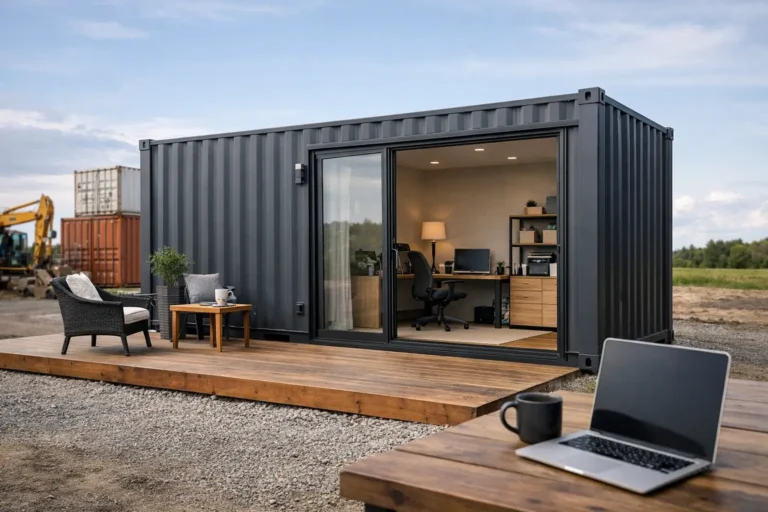
A one-trip container has typically made a single cargo journey after manufacture. It usually offers the best combination of structural integrity, long-term service life, and cosmetic appearance. If the container will sit in a visible area, support a branded business use, or serve as the shell for an office or modular build, one-trip often makes sense.
Used containers are more budget-friendly and often ideal for construction sites, equipment storage, or agricultural use where appearance is secondary to security and weather resistance. The key is understanding the actual grade. A used container can still be a very good purchase if the roof, doors, floor, and corner castings are structurally sound.
Refurbished containers can be a smart middle ground, but buyers should ask what was actually refurbished. Fresh paint alone is not the same as steel repair, floor work, door service, or rust treatment. A dependable seller should explain what was repaired, what grade standard the container now meets, and what cosmetic imperfections should still be expected.
Understanding container grades without the confusion
The most useful grading terms are the ones tied to real performance.
Wind & Watertight, often shortened to WWT, generally means the container keeps out normal wind and water and remains secure for storage. That can be suitable for many buyers who need practical job-site or property storage. It does not mean the container is new, and it does not mean the exterior will be free of dents, surface rust, or patches.
Cargo Worthy usually refers to a unit that is structurally suitable for cargo transport, often with the condition needed to pass inspection for continued shipping use. For a storage buyer, Cargo Worthy can signal a stronger structural benchmark, but it is still worth confirming the exact condition of doors, flooring, and understructure.
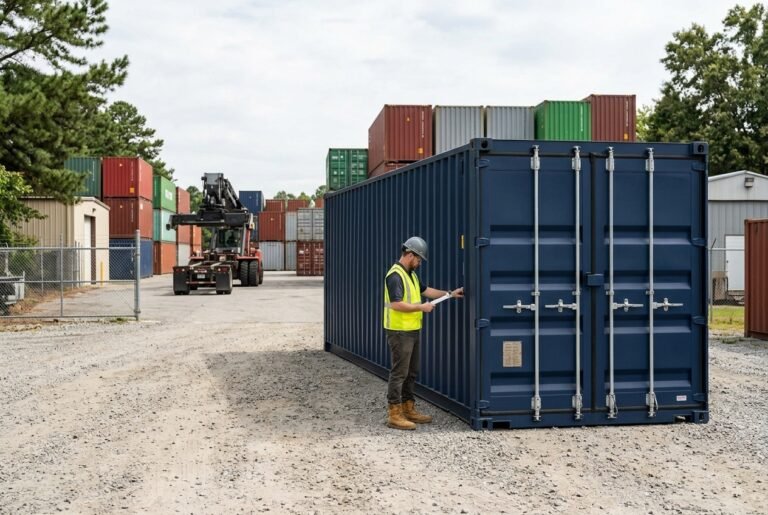
Grading is where transparency matters most. Two containers can both be described as used while being very different in remaining service life and appearance. Verified specifications and clear condition notes matter more than vague claims.
Size and layout considerations that affect the real cost
A 20-foot container is often the most practical option for sites with limited space or tighter delivery access. It is easier to place, generally simpler to relocate, and often enough for tools, household overflow, or smaller inventory needs.
A 40-foot container gives more storage per dollar in many cases, but only if the site can receive it comfortably. Buyers sometimes choose a 40-foot unit for value, then encounter access issues, placement restrictions, or additional delivery charges. A longer container also changes how you organize access. If you need frequent retrieval from different parts of the unit, one long box may be less efficient than two shorter ones.
A 45-foot container can be useful for specific commercial applications, but availability, transport planning, and site fit become more important. At that size, precision matters.
Delivery can make or break the purchase
Delivery planning in a shipping container buying guide
The container itself is only half the transaction. The other half is getting it safely onto your site.
Tilt-Bed delivery works well when the truck has enough straight-line space to slide the container off. Ground-Level delivery can be ideal for buyers who want the container placed directly on site without crane coordination. In both cases, access width, overhead clearance, turning radius, slope, and ground conditions need to be reviewed before scheduling.
Soft ground, tree limbs, narrow gates, power lines, and tight corners cause more delivery trouble than most first-time buyers expect. So does assuming that if a pickup truck can reach the site, a container truck can too. It cannot always.
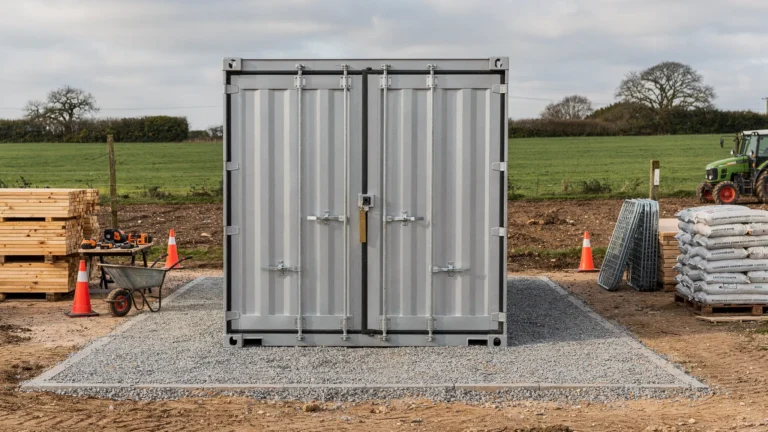
Site preparation should be handled before the delivery window opens. A level base helps container doors operate correctly and reduces stress on the frame. Common support options include gravel pads, railroad ties, concrete piers, or a slab, depending on the use case and drainage conditions. The best setup depends on whether the unit is temporary storage, long-term placement, or part of a build-out.
Questions worth asking before you buy
Ask whether the quoted price includes delivery, offloading, and any fuel or distance adjustments. Ask what grade standard the unit meets and how that grade is defined by the seller. Ask for the exact dimensions, including whether it is standard height or high-cube.
You should also ask about door function, floor material, visible repairs, and whether the container has patches or prior structural work. If appearance matters, request realistic expectations instead of assuming all used units look alike. If your timeline is tight, ask about inventory availability and actual delivery windows, not just estimated speed.
For business buyers, it is also worth discussing future use. If you may add lock boxes, roll-up doors, shelving, electrical packages, or office modifications later, starting with the right base container can save money.
When the lowest price is not the best deal
A container is a high-ticket purchase, but it is also a utility asset. If it leaks, racks out of square, or arrives in worse condition than expected, the savings disappear quickly. The best deal is usually the container that fits the use case, arrives without complications, and performs for years without immediate repair costs.
That is especially true for contractors and operators who need fast deployment. A slight premium for clearer grading, verified condition, and organized delivery planning often reduces downtime and site disruption. For homeowners, paying more for a cleaner one-trip or refurbished unit can make sense if the container will remain visible for the long term.
If you are comparing quotes from multiple sellers, compare the container grade, age expectations, delivery method, and site assumptions line by line. Clear pricing is only meaningful when the scope is equally clear.
A good purchase feels boring in the best possible way. The container fits the site, the grade matches the job, the delivery goes as planned, and nothing in the invoice surprises you afterward. That is the standard worth buying for.