Best used shipping containers in Atlanta, Georgia | 2026 Guide
Table of Contents
- Table of Contents
- Atlanta used shipping containers Quick Facts
- used shipping containers in Atlanta: What You Need to Know
- Top used shipping containers Options in Atlanta
- Budget-Friendly: Wind and Watertight Grade
- Mid-Range: Cargo Worthy Grade
- Premium: One-Trip Containers
- How to Choose the Right used shipping containers in Atlanta
- Define Your Use Case First
- Verify the Container Grade
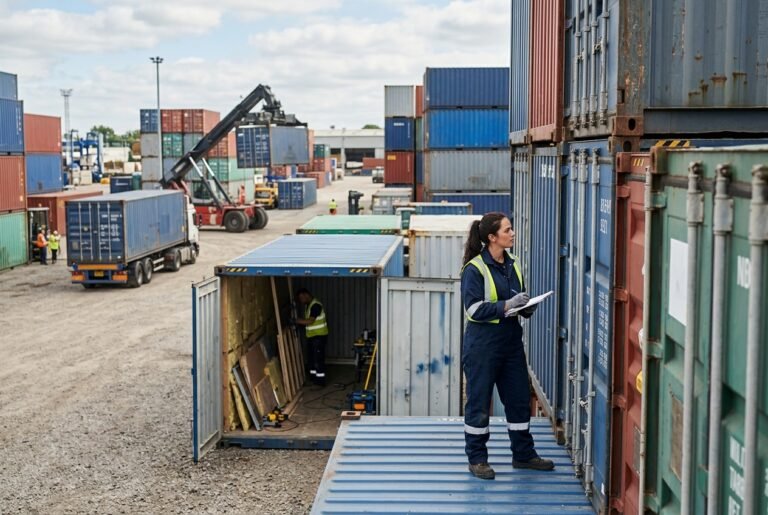
- Inspect Before You Buy (or Request Detailed Photos)
- Confirm Delivery Logistics
- Atlanta used shipping containers Market in 2026
- Atlanta used shipping containers FAQ
- How much does a used shipping container cost in Atlanta?
- Do I need a permit to put a shipping container on my property in Atlanta?
- How long does delivery take?
- What’s the difference between cargo worthy and wind and watertight?
- Can I get a high cube container in Atlanta?
- What should I look for when inspecting a used container?
- Get used shipping containers in Atlanta Today
- Final Checklist for Atlanta Container Buyers
Table of Contents
- Atlanta Used Shipping Containers Quick Facts
- Used Shipping Containers in Atlanta: What You Need to Know
- Top Used Shipping Container Options in Atlanta
- How to Choose the Right Used Shipping Container in Atlanta
- Atlanta Used Shipping Container Market in 2026
- Atlanta Used Shipping Containers FAQ
- Get Used Shipping Containers in Atlanta Today
Atlanta’s booming construction sector, growing small business community, and sprawling industrial corridors make it one of the strongest markets in the Southeast for used shipping containers. Whether you need on-site storage for a renovation project in Buckhead, extra inventory space for a warehouse operation near Hartsfield-Jackson, or a foundation for a container-based build in East Atlanta, the right container at the right price can save you thousands compared to traditional alternatives. This 2026 guide breaks down real pricing, condition grades, delivery logistics, and the specific factors that Atlanta buyers should weigh before committing to a purchase. If you’re comparing used shipping containers for a project this year, the details below will help you make a smarter decision with fewer surprises.
Atlanta used shipping containers Quick Facts
Here’s what Atlanta-area buyers should know before they start calling suppliers:
- Typical pricing for a used 20 ft shipping container in the Atlanta metro ranges from $1,800 to $3,200, depending on condition grade. A used 40 ft container generally runs between $2,400 and $4,500. One-trip containers cost more, typically $4,000 to $6,500 for a 40 ft unit.
- Delivery lead times in the metro area average 5 to 10 business days from order confirmation, though availability of specific grades can shift that window. Buyers outside the I-285 perimeter should budget extra time and potentially higher delivery fees.
- Service area coverage from most suppliers includes the full Atlanta metro, extending into surrounding counties like Fulton, DeKalb, Gwinnett, Cobb, and Clayton. Statewide delivery across Georgia is common but usually adds $1.50 to $3.00 per mile beyond the metro zone.
- What sets Atlanta apart is its proximity to the Port of Savannah, the fourth-busiest container port in the U.S. That proximity means a steady flow of used containers entering the Georgia market, which keeps prices competitive compared to landlocked cities. Local providers who source directly from port depots often pass those savings along to buyers.
used shipping containers in Atlanta: What You Need to Know
Atlanta sits at a logistics crossroads. Interstates I-75, I-85, and I-20 converge here, and the city’s role as a distribution hub means shipping containers cycle through the region constantly. That infrastructure creates a healthy supply of used containers in grades ranging from cargo worthy to wind and watertight, with one-trip containers available for buyers who want near-new condition.
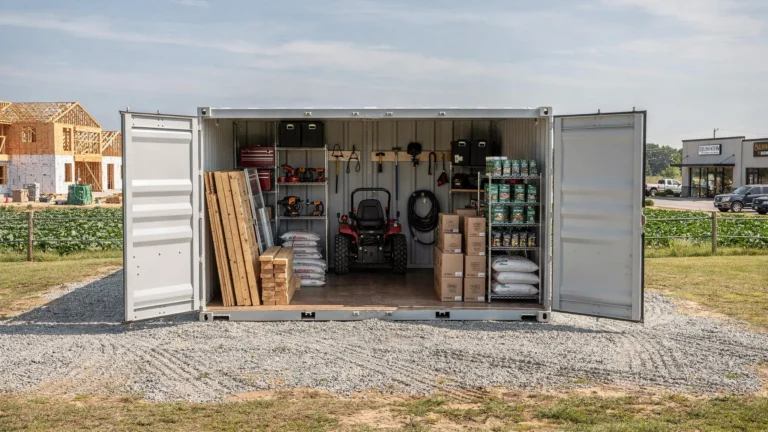
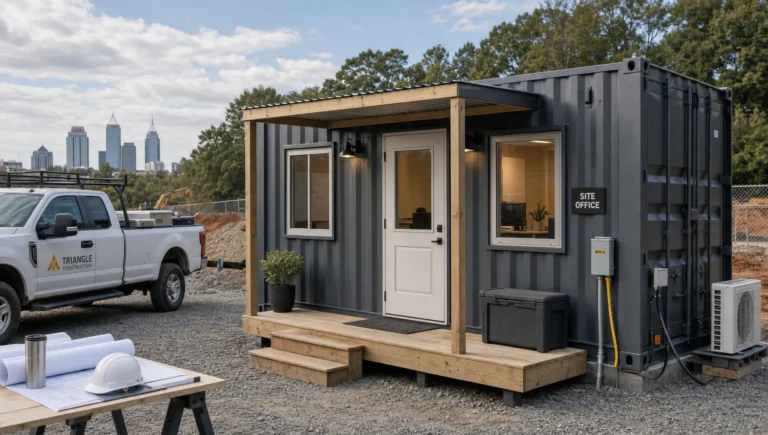
The local market serves a wide mix of buyers. Contractors working residential projects in Midtown and Decatur use 20 ft containers for secure tool and material storage. Small businesses along the BeltLine corridor and in neighborhoods like West End and Reynoldstown are converting containers into pop-up retail spaces and workshops. Farms and rural property owners south of the city, toward Fayette and Henry counties, rely on containers for equipment storage and seasonal inventory.
Location matters more than most buyers realize. A container sitting in a depot near the Port of Savannah has lower transport costs to Atlanta than one shipped from a Midwest hub. That’s why Atlanta pricing tends to undercut cities like Nashville or Charlotte by 10 to 15 percent on comparable grades. Buyers who understand this advantage can stretch their budget further.
The services available go beyond simple sales. Many suppliers offer container delivery planning support, including guidance on site access, turning radius for delivery trucks, overhead clearance for trees and power lines, and foundation recommendations. If you’re placing a container on a residential lot in Virginia-Highland or a tight commercial site in downtown Atlanta, these logistics details matter as much as the container itself. A tilt-bed truck, for example, needs roughly 100 ft of straight clearance to offload, while a roll-off chassis requires less but still demands a firm, level surface.
Top used shipping containers Options in Atlanta
Not every buyer needs the same container, and not every budget supports the same grade. Here’s how the Atlanta market breaks down by tier.
Budget-Friendly: Wind and Watertight Grade
Wind and watertight containers are the most affordable option, typically priced between $1,800 and $2,500 for a 20 ft unit and $2,400 and $3,200 for a 40 ft unit in the Atlanta area. These containers show visible wear: surface rust, dents, patched panels, and older gaskets. They keep rain and wind out, but they’re not certified for international cargo transport.
This grade works well for on-site storage where appearance doesn’t matter. Think construction staging areas, farm equipment shelters, or backyard storage on rural properties south of Atlanta. Buyers should inspect door seals, floor condition, and corner posts before purchasing. Soft spots in the flooring or heavy corrosion around the bottom rails are red flags that can shorten the container’s useful life.
Mid-Range: Cargo Worthy Grade
Cargo worthy containers have been inspected and certified for ocean transport, which means they meet structural and weatherproofing standards set by the International Convention for Safe Containers. In Atlanta, expect to pay $2,500 to $3,500 for a 20 ft cargo worthy unit and $3,200 to $4,200 for a 40 ft unit.
This is the sweet spot for most buyers. The container is structurally sound, the doors operate properly, and the seals are intact. Contractors, small businesses, and property owners who want a reliable container without paying for near-new condition typically land here. Cargo worthy is also the minimum grade most lenders and insurers want to see if the container is part of a financed project.
Premium: One-Trip Containers
One-trip containers have made a single ocean voyage, usually carrying goods from the manufacturer in Asia to a U.S. port. They arrive in excellent condition with minimal cosmetic wear, functioning lockboxes, and fresh paint. Pricing in Atlanta runs $3,800 to $5,000 for a 20 ft unit and $4,500 to $6,500 for a 40 ft unit.
Buyers planning container offices, retail conversions, or any project where appearance and long-term durability matter should consider one-trip units. The higher upfront cost pays off in reduced maintenance and a longer service life, often 25 years or more with basic care. Lease Lane Containers offers container buying guidance that helps buyers compare these grades side by side so you can match the right condition to your specific project.
How to Choose the Right used shipping containers in Atlanta
Buying a used shipping container is straightforward if you know what to check. Skip the homework, and you risk overpaying or ending up with a unit that doesn’t fit your site or your use case.
Define Your Use Case First
The right container depends entirely on what you plan to do with it. Secure storage for a 12-month construction project has different requirements than a permanent container office or a climate-controlled workshop. Start by answering three questions: What are you storing or building? How long will the container be in use? Does appearance matter?
A wind and watertight container is fine for temporary tool storage on a job site in College Park. A cargo worthy container makes sense for a semi-permanent inventory overflow solution at a warehouse in Norcross. A one-trip container is the right call for a customer-facing retail build in Ponce City Market.
Verify the Container Grade
Ask the supplier for the container’s CSC plate information and, for cargo worthy units, a current inspection certificate. A reputable supplier will provide transparent grading guidance that explains what each condition level means in practical terms. If a seller can’t tell you whether a container is cargo worthy or wind and watertight, that’s a red flag.
Inspect Before You Buy (or Request Detailed Photos)
If you can visit the depot, check these items:
- Door operation: both doors should swing freely and latch securely
- Floor condition: look for soft spots, water damage, or chemical stains on the marine-grade plywood
- Roof panels: walk the roof if possible and check for patches, heavy rust, or standing water
- Corner castings and bottom rails: these are structural, and corrosion here compromises the entire unit
- Seals and gaskets: close the doors from inside and look for daylight
If you’re buying remotely, request timestamped photos of all four sides, the interior, the roof, and close-ups of any damage. Suppliers who resist providing photos are not worth your time.
Confirm Delivery Logistics
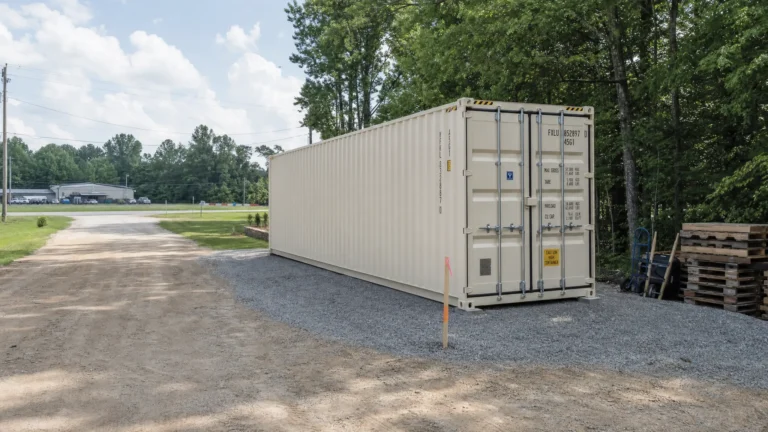
Atlanta’s mix of tight urban lots and sprawling suburban properties means delivery access varies wildly. A container going to a commercial lot off I-85 near Doraville is a different delivery challenge than one headed to a residential property in Grant Park with narrow streets and overhead power lines. Confirm the delivery method (tilt-bed or chassis), required clearance dimensions, and surface requirements with your supplier before you finalize the order. A gravel pad at least 2 inches deep and extending 2 ft beyond the container footprint on all sides is a solid baseline for most placements.
Atlanta used shipping containers Market in 2026
The Atlanta container market in 2026 reflects broader trends in both the logistics industry and the local economy. Georgia’s population growth, particularly in the metro Atlanta area, continues to drive demand for affordable storage and construction solutions. The state added over 100,000 residents in 2024 alone, and that growth fuels residential construction, small business expansion, and infrastructure projects that all create container demand.
Pricing has stabilized compared to the volatility of 2021 through 2023, when global shipping disruptions inflated container costs by 30 to 50 percent. In 2026, used container prices in Atlanta have settled into a predictable range, with cargo worthy 40 ft units averaging around $3,500 and wind and watertight units closer to $2,800. One-trip containers remain at a premium but have come down roughly 15 percent from their 2022 peak.
Seasonal patterns affect availability. Spring and early summer see the highest demand as construction projects ramp up and businesses prepare for peak seasons. Buyers who purchase in late fall or winter often find better selection and occasionally lower prices, as depot turnover slows.
The Port of Savannah’s continued expansion is the single biggest factor keeping Atlanta’s container supply healthy. The port handled over 5.8 million TEUs in 2024, and the ongoing Mason Mega Rail Terminal project increases inland container movement capacity. That means more containers cycling through Georgia, more units retiring from ocean service, and more inventory available to Atlanta-area buyers.
Georgia does not require a special permit to place a shipping container on commercial property for storage purposes, but residential placement rules vary by municipality. The City of Atlanta’s zoning code treats containers as accessory structures in most residential zones, which means setback and lot coverage rules apply. Buyers in unincorporated Fulton or DeKalb County should check with their local planning department, as enforcement varies. The Fulton County Department of Environment and Community Development can be reached at (404) 612-7400 for zoning questions.
Compared to the rest of Georgia, Atlanta’s market is the most competitive on price due to volume and proximity to Savannah. Buyers in Macon, Augusta, or Columbus typically pay 10 to 20 percent more for equivalent containers once delivery costs are factored in.
Atlanta used shipping containers FAQ
How much does a used shipping container cost in Atlanta?
A 20 ft wind and watertight container typically costs $1,800 to $2,500. A 40 ft cargo worthy container runs $3,200 to $4,200. One-trip containers range from $3,800 to $6,500 depending on size. Delivery within the I-285 perimeter usually adds $200 to $500.
Do I need a permit to put a shipping container on my property in Atlanta?
For commercial properties, generally no special permit is required for storage use. Residential properties within the City of Atlanta are subject to zoning rules that treat containers as accessory structures. Check setback requirements and lot coverage limits with your local zoning office before placing an order. Properties in unincorporated areas of surrounding counties may have different rules.
How long does delivery take?
Most suppliers can deliver within 5 to 10 business days to addresses inside the Atlanta metro. Remote locations or specific grade requests may extend that timeline. Confirming site readiness before scheduling delivery prevents costly rescheduling fees.
What’s the difference between cargo worthy and wind and watertight?
Cargo worthy containers have a current inspection certification and are approved for ocean transport. Wind and watertight containers keep the elements out but have not passed a current structural inspection for shipping. Cargo worthy costs more but offers better structural assurance and is required for certain financed or insured projects.
Can I get a high cube container in Atlanta?
Yes. High cube shipping containers stand 9 ft 6 in tall compared to the standard 8 ft 6 in. They’re popular for container offices, workshops, and any application where headroom matters. Availability in Atlanta is good, though high cube units carry a slight price premium over standard-height containers.
What should I look for when inspecting a used container?
Focus on door operation, floor integrity, roof condition, corner casting corrosion, and seal tightness. Soft flooring, heavy rust on bottom rails, and doors that don’t close flush are the most common issues that signal a container has limited remaining life.
Get used shipping containers in Atlanta Today
Finding the best used shipping containers in Atlanta comes down to knowing your grade, confirming your site logistics, and working with a supplier who gives you straight answers. The Atlanta market in 2026 offers strong selection and competitive pricing thanks to the city’s position near the Port of Savannah and its role as a Southeast distribution hub.
Final Checklist for Atlanta Container Buyers
- Define your use case and match it to the right container grade
- Confirm shipping container dimensions fit your site and intended use
- Request photos or visit the depot to inspect condition before purchasing
- Verify delivery access: clearance height, turning radius, and surface firmness
- Check local zoning rules, especially for residential placements
- Compare pricing across grades and ask about delivery fees upfront
- Confirm the supplier provides CSC plate details and grading documentation
Lease Lane Containers, based in Raleigh, North Carolina, delivers used and one-trip containers nationwide, including throughout the Atlanta metro and across Georgia. Their team provides practical guidance on grades, sizing, site prep, and delivery planning so you can avoid the most common purchasing mistakes. If you’re ready to compare options, browse their inventory to see current container choices by size and condition. Have questions about which grade fits your project? Contact the team for straightforward help before you buy.