Best Container Options for Construction Sites
A job site can lose time fast when materials are exposed, tools walk off, or the office trailer is parked too far from the work. That is why choosing the best container options for construction sites is less about buying a steel box and more about matching the unit to the way your crew actually works.
The right container protects equipment, simplifies site flow, and reduces avoidable costs. The wrong one creates access problems, delivery headaches, or upgrade expenses that could have been avoided with better planning upfront.
What makes a container work on a construction site
Construction sites put containers through harder use than most retail or residential applications. Doors get opened all day, forklifts move around them, weather changes quickly, and the ground is not always ideal. A unit that looks acceptable on paper may not perform well if the floor is weak, the door seals are worn, or the delivery method does not fit the site.
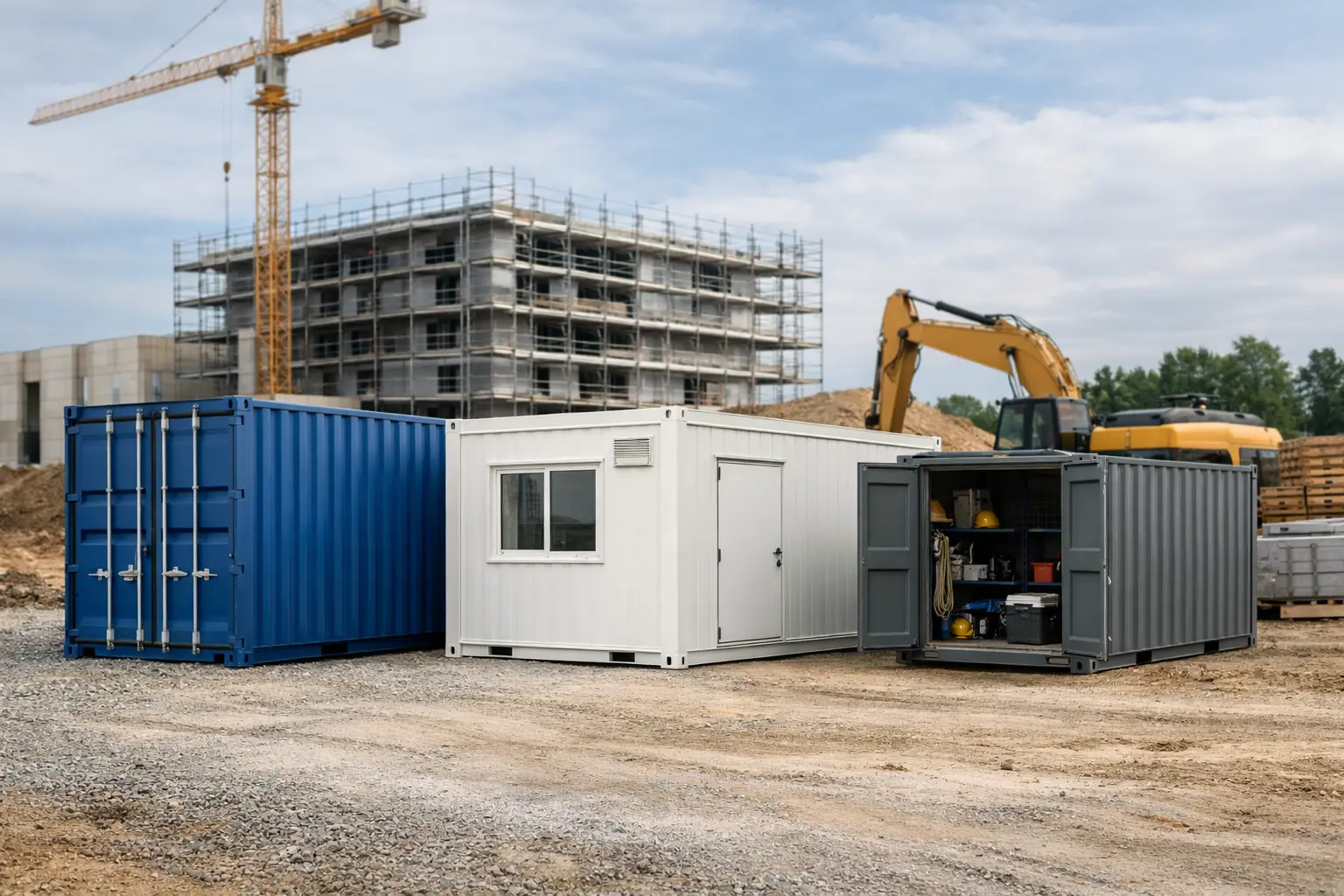
For most contractors, the basics are straightforward. You need structural integrity, secure locking points, weather resistance, and dimensions that fit the available footprint. In industry terms, that usually means paying attention to grade. A Wind & Watertight container is generally suitable for job-site storage when you need a budget-conscious option that keeps rain and wind out. A Cargo Worthy or one-trip container is often the better fit when appearance, door operation, and overall condition matter more.
The material matters too. Most shipping containers are built from Corten steel, which is designed to handle exposure better than standard steel. That does not mean every used container will perform the same way. Age, prior use, flooring condition, and past repairs all affect how well it will hold up on an active site.
Best container options for construction sites by use case
The best choice depends on what you are storing, how often crews need access, and whether the unit is temporary or part of a longer project setup.
20ft standard containers for general job-site storage
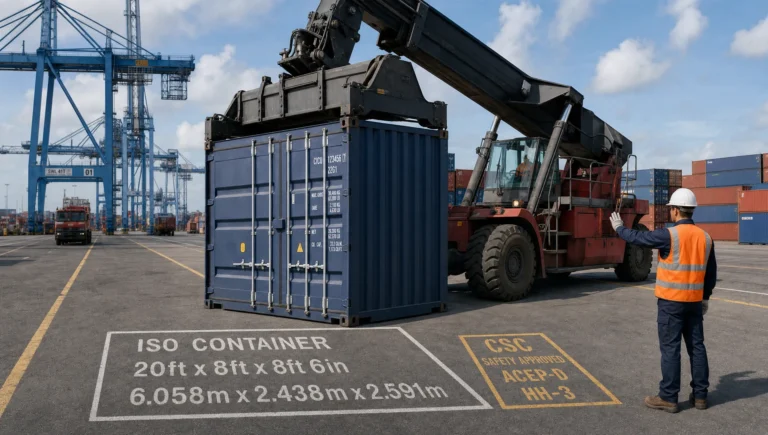
For many contractors, the 20ft standard container is the safest place to start. It offers a practical balance of capacity, security, and placement flexibility. On tighter sites, a 20ft unit is easier to position than a 40ft container, especially when truck access is limited or the drop area is close to fencing, structures, or active work zones.
This size works well for power tools, boxed materials, smaller equipment, job-site supplies, and PPE inventory. It is also easier to organize without losing visibility. On a busy project, that matters. A container that becomes a dark pile of mixed inventory creates delays every morning.
If the unit will be moved from site to site, a 20ft container also tends to be the more manageable option from a logistics standpoint. Fewer placement constraints usually mean fewer delivery complications.
40ft standard containers for bulk materials and larger equipment
A 40ft standard container makes sense when storage demand is high and site space is available. Contractors using gang boxes, palletized material, longer tools, or overflow inventory often benefit from the added length. This is especially useful on longer-duration commercial builds where central storage helps control material loss.
The trade-off is placement. A 40ft unit needs more room for delivery, more careful planning for door swing, and a flatter footprint. If the site is narrow or access is tight, the lower price per cubic foot may not translate into real savings.
For larger projects, though, the volume can justify the space. Instead of crowding multiple small storage solutions around the site, one properly placed 40ft container can simplify access and improve inventory control.
High-cube containers when vertical space matters
High-cube containers are typically one foot taller than standard units. That extra height sounds minor until you are stacking shelving, storing taller equipment, or trying to reduce clutter inside the container.
On construction sites, a high-cube unit is often the better option when teams need organized interior storage rather than simple bulk storage. If you are planning to add racking, work benches, or electrical upgrades for a tool room setup, the added headroom creates more flexibility.
The only caution is site clearance. Make sure overhead obstructions, gate heights, and delivery paths are checked in advance. A container that fits the pad but not the approach route becomes a scheduling problem.
One-trip containers when condition and door performance matter most
If your site stores high-value tools, sensitive materials, or project documents, a one-trip container is often worth the higher upfront cost. These containers have seen minimal use after overseas manufacturing and transport, so they generally offer straighter panels, better flooring, tighter door seals, and fewer corrosion issues.
That improved condition matters on professional sites where crews need dependable daily access. Doors that bind, floors with patchwork repairs, or visible dents can create frustration and safety concerns over time. One-trip units also present better if the container is in a visible area near clients, inspectors, or office space.
For contractors who want fewer unknowns, this is usually the closest thing to a zero-surprises option.
Used WWT containers for cost-controlled storage
Not every job requires a premium unit. A used Wind & Watertight container is often the right fit for shorter-term projects, lower-risk inventory, or buyers managing multiple sites on a tighter equipment budget.
The value here is straightforward. You get a secure steel structure at a lower price point, and if the container has been graded honestly, you know what to expect. That last part matters. Used containers vary widely, so verified specifications and clear condition notes are more important than the headline price.
If appearance is not a priority and the unit only needs to provide secure, dry storage, a used WWT container can be a practical choice. Just make sure the doors, floor, and locking area are inspected carefully.
Mobile office containers for site supervision
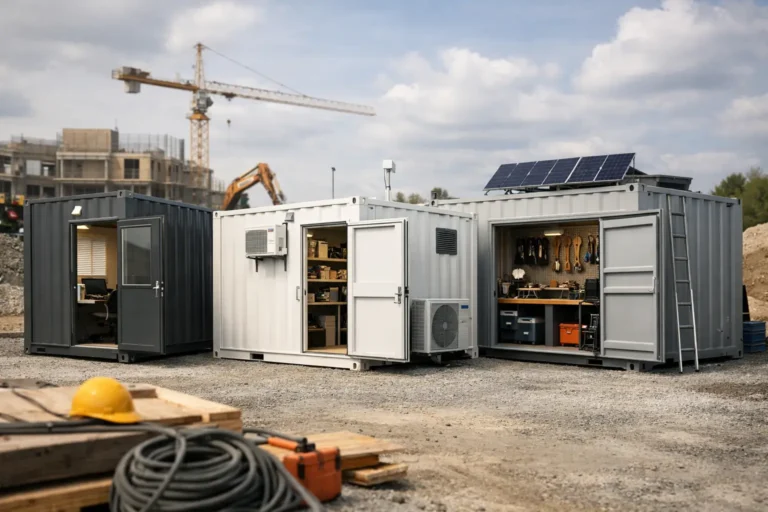
Some projects need more than storage. Mobile office containers are a strong option when the site needs a durable, lockable space for supervisors, plans, meetings, and equipment charging. Compared with temporary trailers, container-based offices can offer better security and a smaller footprint.
They also hold up well on rougher sites. For contractors working in changing conditions, that can be a real advantage. The best setup depends on whether you need a basic office conversion or a combination office and storage unit. In some cases, keeping tools in one end and office space in the other reduces site congestion.
How to choose the right grade and size
The best container options for construction sites usually come down to three decisions: size, grade, and delivery method.
Start with what you are storing. Dense, valuable tools may fit easily in a 20ft container, while lighter but bulkier materials may push you toward a 40ft unit. Then think about access frequency. If crews are entering the unit several times a day, smooth door operation and interior organization matter more than they would for long-term material storage.
Next, choose the grade based on risk and visibility. If the container sits behind the active work zone and stores durable items, used WWT may be enough. If it sits near the front of the site, holds expensive gear, or supports daily workflow, Cargo Worthy or one-trip often makes more sense.
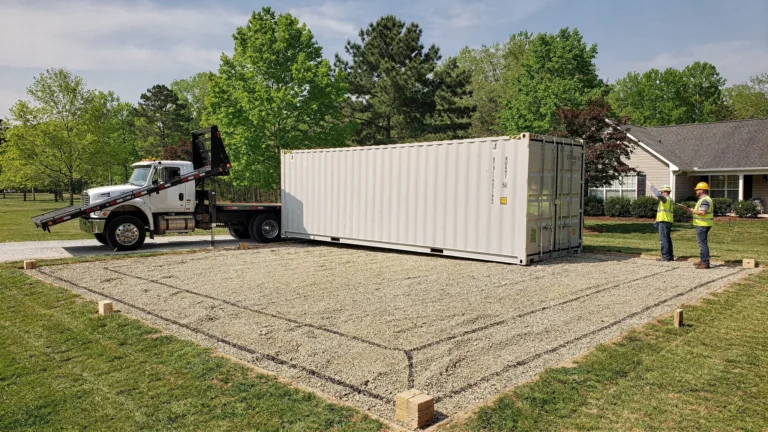
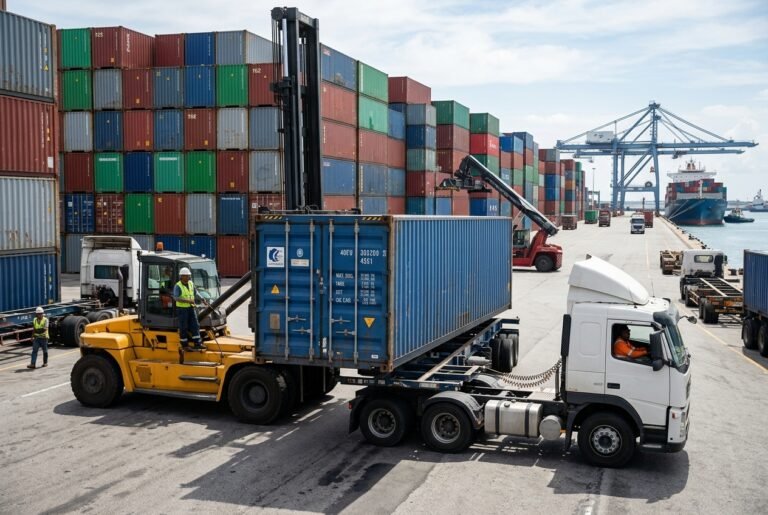
Finally, confirm delivery conditions before ordering. This is where many avoidable costs show up. The site needs enough clearance for the truck, enough room for unloading, and reasonably level ground for the container to sit properly. Tilt-Bed and Ground-Level delivery options can solve different site challenges, but only if the access path has been reviewed in advance.
Common mistakes that cost contractors time and money
The most common mistake is buying only on price. A cheaper container can become more expensive if it arrives with harder door operation, visible floor wear, or a condition grade that was not explained clearly. On a construction site, small issues become daily annoyances fast.
Another mistake is oversizing the unit. Bigger is not always better if the placement creates traffic problems or forces crews to walk farther than necessary. Storage should support workflow, not interrupt it.
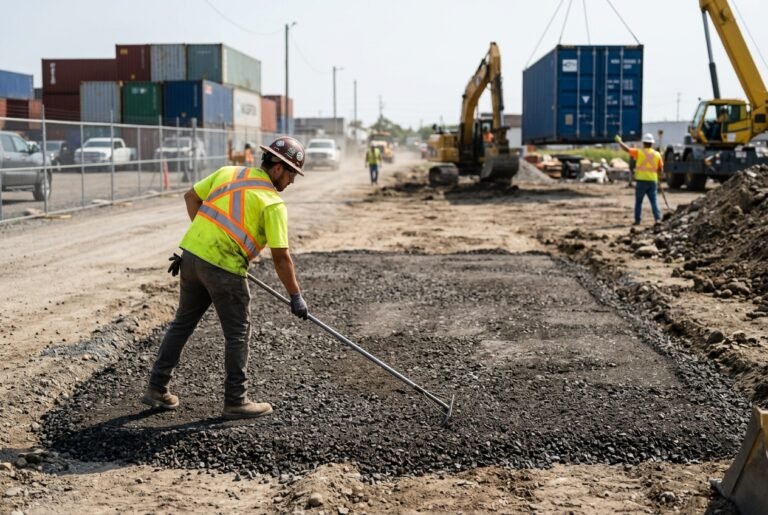
The last issue is poor site prep. Even a structurally sound container performs better on a stable, level surface. Uneven support can affect door alignment and long-term usability. Before delivery, it helps to identify where drainage runs, where equipment will circulate, and whether the container needs clear swing room at one or both ends.
For contractors in North Carolina and across the Southeast, where weather shifts and active sites can complicate deliveries, working with a provider that gives clear grading, verified specifications, and realistic delivery guidance can prevent expensive last-minute changes.
A container should make the site easier to run on day one. If you match the unit to the job, prepare the ground properly, and choose a grade with no fine print and no surprises, it becomes one of the simplest pieces of equipment on the project.