How to Secure a Jobsite Container
A jobsite container usually gets tested on day one. As soon as tools, copper, generators, or finish materials go inside, it becomes one of the most valuable targets on the property. If you are figuring out how to secure jobsite container storage, the right answer is not one lock. It is a layered setup that makes theft slower, louder, and less worth the effort.
Construction theft is rarely random. Most losses come from opportunity – predictable routines, poor lighting, easy door access, or containers placed where a truck can back up unnoticed. A shipping container gives you a strong steel shell, but the shell alone is not the full security plan.
How to secure jobsite container storage starts with placement
The best security upgrade may be where the container sits. If you place it at the back of a property, behind material stacks, with no sightline from the road or trailer office, you have already made surveillance and supervision harder. That kind of placement helps a thief, not your crew.
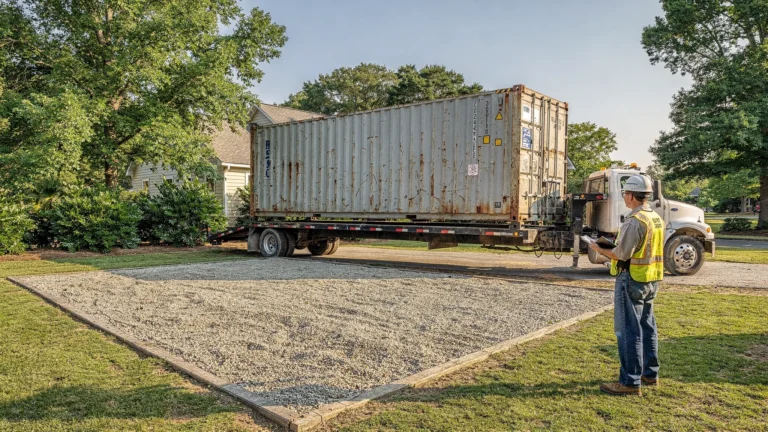
A better approach is to position the container where it is visible to site traffic and difficult to approach without being seen. Near the trailer office, near active work zones, or within range of existing cameras is often the right call. You also want enough clear space around the doors so supervisors can inspect hinges, lock areas, and the ground for signs of tampering.
Vehicle access matters too. If someone can reverse a pickup directly to the cargo doors after hours, loading stolen tools gets much easier. In some cases, concrete barriers, parked equipment, fencing, or strategic placement against a wall can reduce that risk. The trade-off is access for your own crew. If your team needs fast, repeated entry all day, overblocking the doors creates frustration and bad habits like leaving the container unlocked.
The container itself affects security
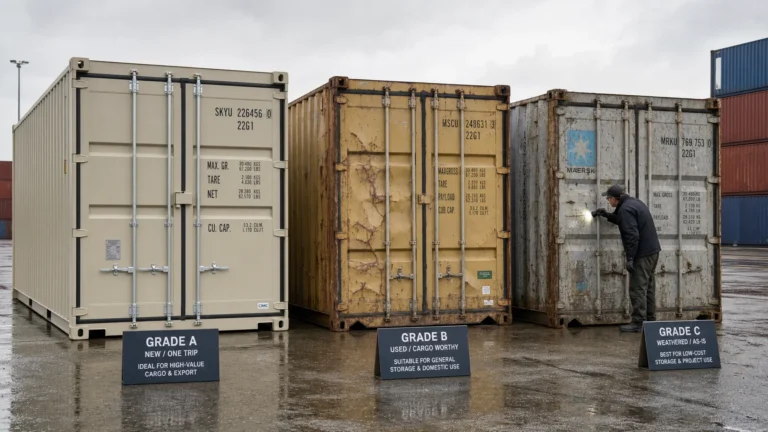
Not every unit offers the same starting point. A structurally sound Wind and Watertight container is the minimum standard for jobsite storage because it protects contents from weather and keeps the enclosure intact. If the doors are misaligned, the floor is compromised, or corrosion has weakened parts of the frame, security hardware will only do so much.
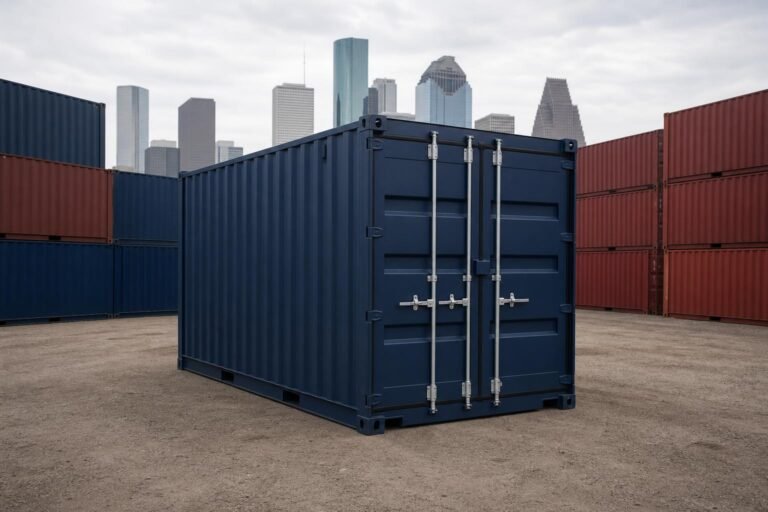
Door condition is especially important. Container doors should close squarely, seat properly against the gaskets, and lock without forcing the cam bars. If the doors are bent or the locking gear is worn, crews may start bypassing best practices because opening and closing becomes a daily hassle.
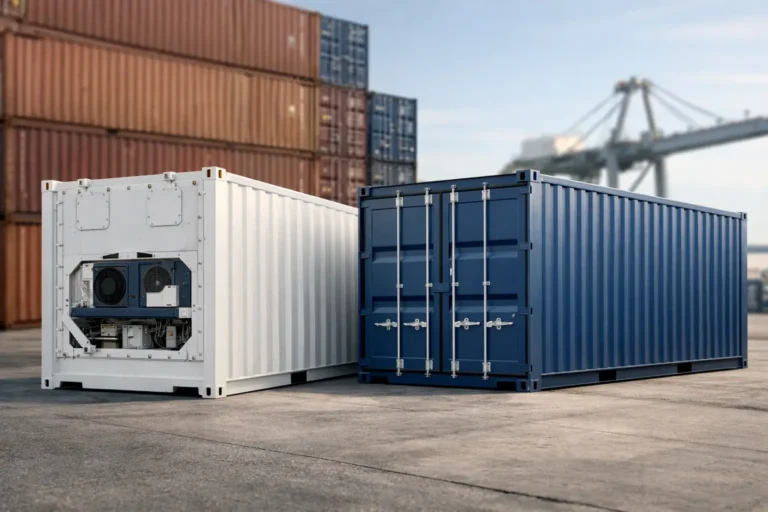
For many contractors, a one-trip container gives the cleanest starting point because the steel, door hardware, and overall condition are closer to new. A used container can still be a strong security solution if it has been properly inspected and graded. The key is transparency. You want verified condition, not guesswork, especially when the container will hold high-value equipment.
Lock selection is where most sites get it wrong
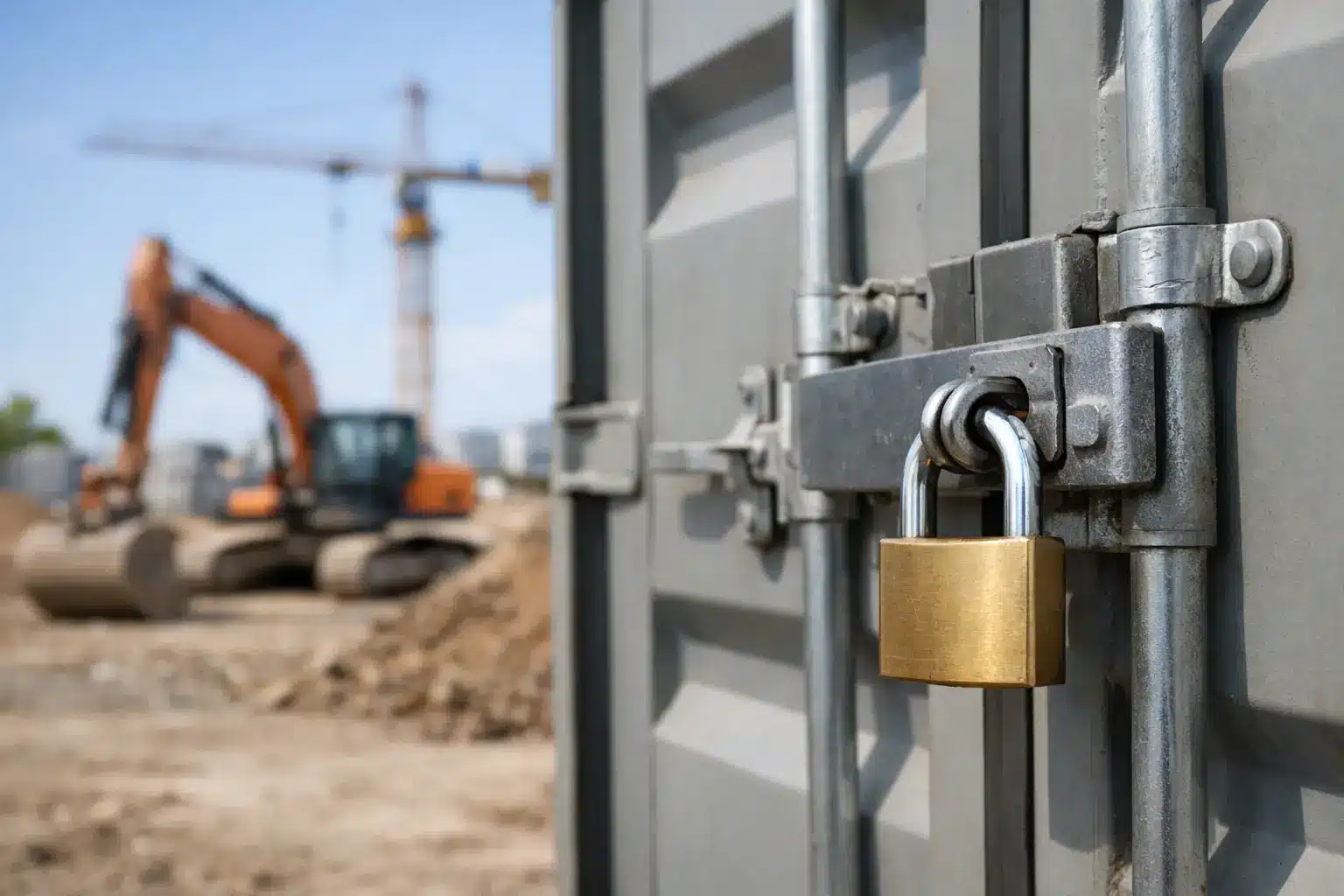
The fastest way to weaken a container is to put an exposed padlock on it and assume the job is done. Standard padlocks are often vulnerable to bolt cutters, grinders, or simple attack on the shackle. For jobsite use, a hidden shackle lock or a hardened steel puck lock paired with a lock box is usually the better option.
A lock box is a welded steel housing around the lock area that limits access to the shackle and makes cutting much harder. Many buyers focus on the lock brand but overlook whether the lock is actually shielded. In practice, the shield matters as much as the lock itself.
It also helps to standardize your lock setup across sites. If every foreman uses a different lock type, key control becomes messy. Lost keys, copied keys, and informal handoffs create avoidable risk. Some operations do well with keyed-alike systems. Others prefer restricted keyways or managed padlock programs so they know exactly who has access. It depends on crew size, turnover, and whether multiple subcontractors need entry.
Don’t ignore the hinge side and hardware
Most break-in attempts target the cargo doors, but the entire door assembly needs attention. Hinges, keeper plates, and cam bars should be checked regularly for signs of cutting, prying, or loosening. If a container is moved often, those inspections matter even more because transport vibration can reveal wear over time.
You should also watch for rust around hardware attachment points. Surface rust is common on used containers and is not automatically a problem. Deep corrosion around locking components is different. That can affect strength and should be addressed before the container becomes your primary secure storage point.
Lighting, cameras, and visibility do real work
A container in the dark is easier to attack than one under bright, motion-activated lighting. Good lighting does not stop every theft attempt, but it raises exposure and improves camera footage. If your site already has temporary power, lighting the doors and surrounding approach path is a practical upgrade.
Cameras help most when they are placed for identification, not just general monitoring. A high-mounted camera that shows a wide shot of the site may confirm activity without giving you a usable face, plate, or sequence of events. Aim for coverage of the approach path, the door area, and any vehicle lane that could be used for loading.
Remote alerts can be useful, especially on sites that sit idle overnight or over weekends. But technology has limits. Dust, weather, dead batteries, and poor cellular signal can all reduce reliability. Physical security still comes first.
Access control is a daily discipline
If too many people can open the container, your problem is not just theft from outside the fence. Internal shrinkage, misplaced inventory, and missing tools often trace back to weak access control. The fix is not complicated, but it does require consistency.
Assign responsibility for opening and locking the container at the start and end of each day. Keep a simple inventory of high-value items. If expensive tools or materials are checked in and out without any record, you are relying on memory, and memory gets expensive fast.
For larger sites, separating storage by value can help. Everyday consumables can go in one area, while higher-risk items such as laser levels, cordless kits, copper fittings, and specialty tools are stored in a secondary locked cabinet or cage inside the container. That way, even if the outer layer is compromised, you have another barrier in place.
Fence lines and site layout matter more than people think
A secure container on an open, poorly controlled lot still faces unnecessary risk. Site fencing, gate control, and after-hours traffic patterns all affect container security. If trespassers can enter the property easily, they have more time to work on the lock.
Try to avoid placing the container near a fence corner, tree line, or blind spot that shields activity from the road or neighboring properties. When possible, face the cargo doors inward toward the site rather than outward toward a perimeter. That simple change reduces the chance of quick, unnoticed access.
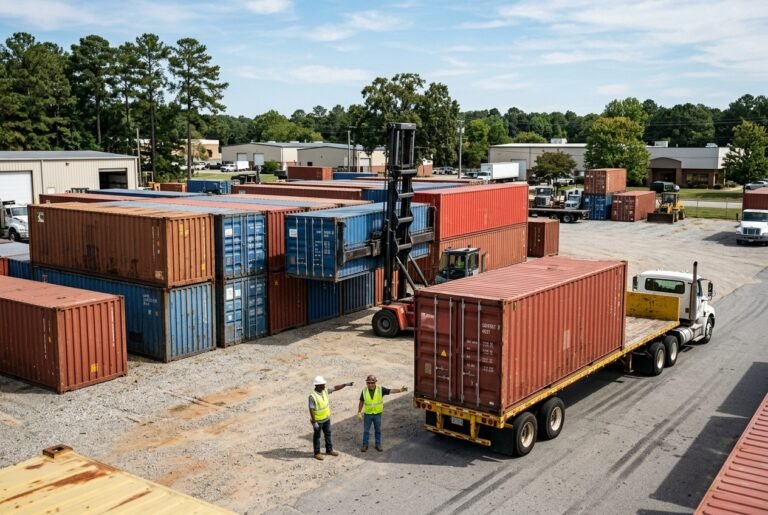
There is also a timing issue. Delivering the container before the site is active can backfire if it sits unattended for days. In Raleigh and across fast-moving Southeast job schedules, precise delivery timing can be part of the security plan. A container that arrives when fencing, supervision, and material flow are already in place is easier to protect from the start.
Weather, wear, and daily use create security gaps
Security fails when maintenance gets ignored. Mud buildup can affect door operation. Settling ground can twist the frame enough to make locking difficult. Water intrusion can damage stored packaging and make crews leave doors open to dry things out. Small operational issues often turn into security issues.
Place the container on stable, level ground with adequate drainage. If one corner drops, the doors may bind. If crews have to slam or force them, they are more likely to leave the unit unsecured between trips. Ground-level delivery is convenient, but the set location still needs to support long-term use.
Routine checks should be simple: confirm doors close cleanly, inspect the lock area, verify lighting and camera function, and look for tampering marks around the frame and hardware. You do not need a complex audit process. You need a habit.
The best setup is layered, not expensive for the sake of it
If your site stores low-value consumables for a few weeks, a basic used container with solid doors, a protected lock, and good placement may be enough. If you are storing high-value tools, copper, or equipment over several months, the smarter move is a stronger container condition, better lock protection, interior secondary security, lighting, and camera coverage.
That is the real answer to how to secure jobsite container operations without surprises: start with a structurally sound container, place it intelligently, protect the lock area, control access, and maintain the setup as the site changes. The strongest steel box on the lot still depends on the decisions around it.
A secure jobsite container should make your day easier, not add one more thing to worry about after hours. When the container, delivery plan, and site layout all work together, you get what most crews actually want – dependable storage, fewer losses, and no guessing whether your tools will still be there in the morning.