Best Containers for Farm Storage
A tractor part goes missing in the middle of harvest, seed gets damp after one hard storm, or expensive tools end up stored under a tarp for one season too long. That is usually when farm owners start looking seriously at the best containers for farm storage – not as a convenience, but as a way to protect inventory, reduce downtime, and keep operations moving.
On a working farm, storage has to do more than hold items out of sight. It has to handle weather swings, daily use, uneven ground, and the reality that not everything stored inside is light, clean, or easy to organize. The right container depends on what you are storing, how often you need access, and whether your biggest priority is security, temperature control, or usable interior space.
What makes a container right for farm use
Farm storage is rarely one-size-fits-all. A container that works well for hand tools and boxed parts may be a poor fit for feed, chemicals, or equipment with awkward dimensions. The best choice starts with a simple question: what problem is the container solving on your property?
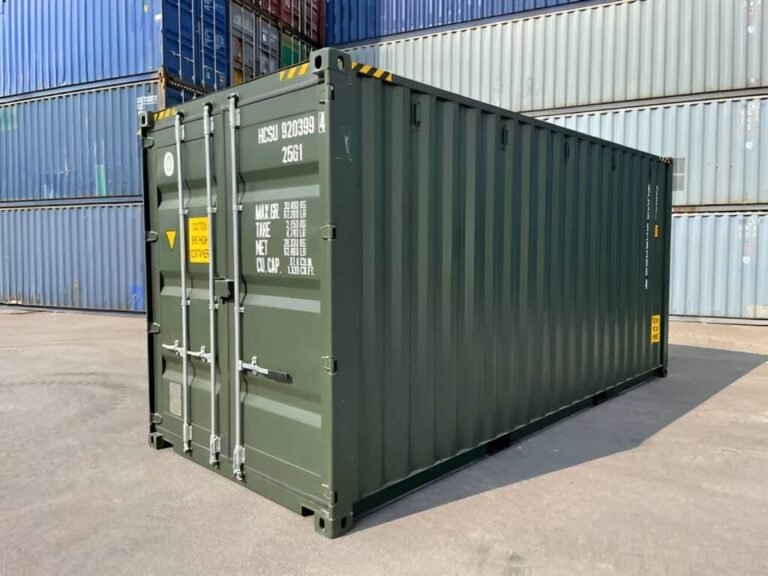
If theft prevention is the top concern, steel shipping containers are hard to beat. Built from Corten steel and designed for intermodal transport, they are structurally strong, lockable, and built to take weather exposure seriously. If moisture control matters more than security, insulation or refrigeration may become the deciding factor. If access is the issue, door configuration can matter as much as size.
This is where buyers often save money by slowing down for one step and thinking through use patterns. A lower upfront price is not always the lowest total cost if the container is the wrong grade, wrong height, or difficult to place where the work actually happens.
Best containers for farm storage by use case
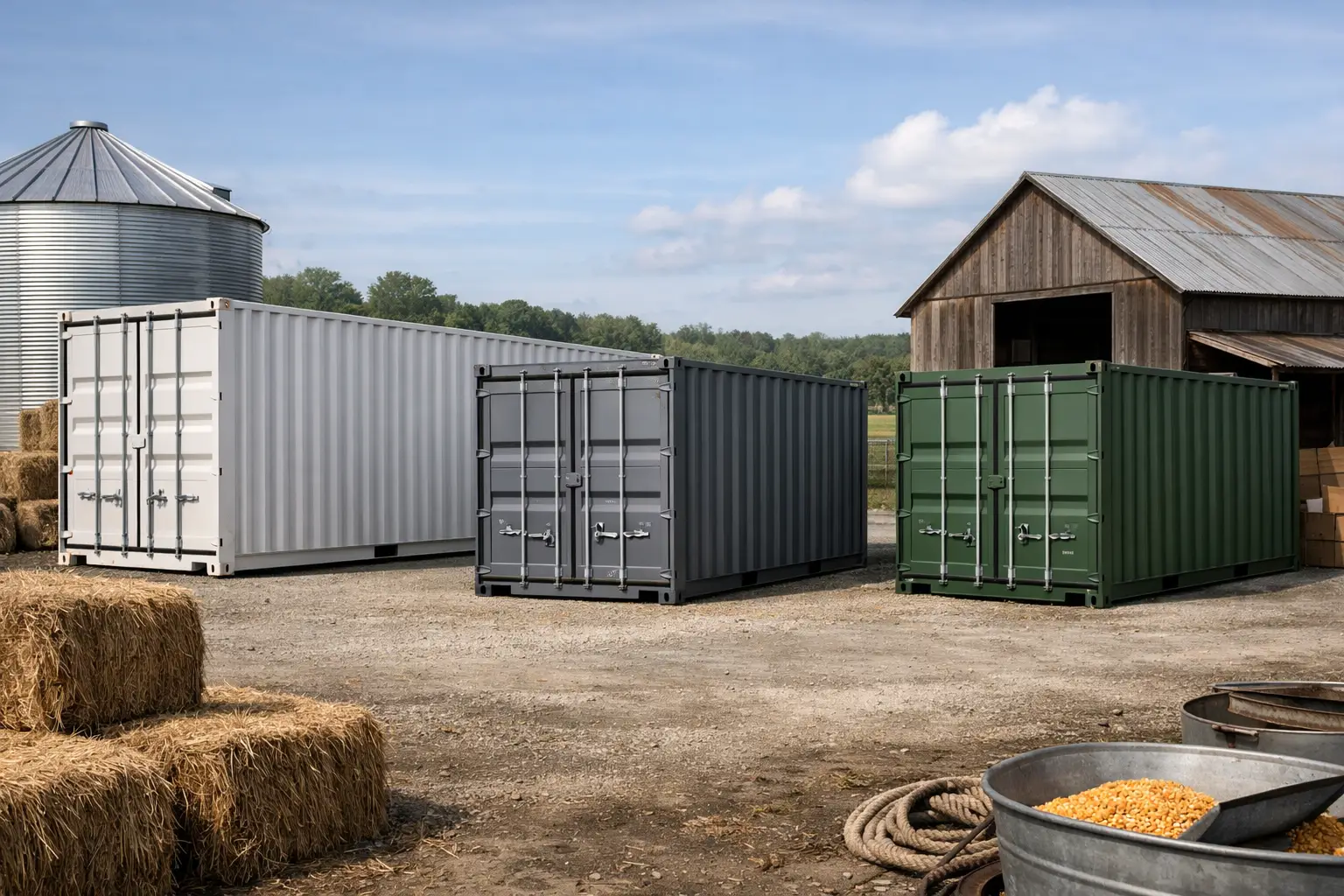
For most agricultural operators, standard steel shipping containers are the most practical answer. They offer a strong mix of durability, security, and predictable dimensions. But the best containers for farm storage change depending on what goes inside.
20-foot containers for tools, parts, and daily-use storage
A 20-foot container is often the most efficient starting point for farms that need secure storage close to a barn, shop, or equipment yard. It is compact enough for tighter sites and easier to position than a 40-foot unit, especially on smaller rural properties or areas with limited truck access.
This size works well for power tools, fencing supplies, boxed inventory, fluids, spare parts, and smaller implements. Because the footprint is manageable, many farm owners place a 20-foot container near the point of use instead of keeping all storage centralized. That can reduce wasted trips across the property during busy periods.
The trade-off is obvious – capacity. A 20-foot unit fills up faster than most buyers expect, especially once shelving, bins, or palletized items are added.
40-foot containers for bulk storage and seasonal overflow
If your storage needs include palletized materials, irrigation supplies, bagged feed, seed, or bulky equipment, a 40-foot container usually makes more sense. It gives you enough linear space to separate materials by use or season, which helps prevent the common farm-storage problem of stacking everything in one hard-to-reach row.
This size is especially useful for larger operations that want one centralized, secure storage point. It can also work well for operations managing harvest supplies or seasonal inventory that only need heavy access a few times a year.
The downside is delivery and placement. A 40-foot container needs more clearance, more planning, and a stable site. If access roads are tight, overhead branches are low, or the drop location is soft after rain, the larger unit can create delivery complications that should be addressed before purchase.
High-cube containers for taller equipment and better stacking
A high-cube container offers about one extra foot of interior height compared with a standard unit. On paper, that sounds minor. In practice, it can make a real difference when storing taller tools, racking systems, stacked feed, or awkward farm items that do not fit neatly under a standard ceiling.
High-cube units are a strong option when vertical storage matters. If you plan to install shelving, hang tools, or maximize every square foot, the added height gives you more flexibility. For farm operations where space is limited but storage demand keeps growing, that extra clearance can improve long-term usability.
Reefer containers for temperature-sensitive products
Not every farm product belongs in a dry steel box. If you are storing temperature-sensitive inputs or products, a refrigerated container may be the better fit. Reefer containers are insulated and designed to maintain controlled interior temperatures when connected to power.
These units are commonly used beyond produce. They can also support storage for certain chemicals, specialty goods, or farm-related inventory that degrades in high heat. Even when active cooling is not required, the insulated construction can offer better temperature stability than a standard container.
The trade-off is cost and complexity. Reefer units cost more, weigh more, and may require electrical planning. They are not the default answer for general farm storage, but for the right use case, they solve a problem standard containers cannot.
Choosing the right condition and grade
For farm storage, condition matters as much as container type. Many buyers do not need a one-trip unit with near-new appearance, but they do need structural reliability. That is where grading becomes important.
A one-trip container is the best cosmetic option. It has made a single cargo journey after manufacture and usually shows minimal wear. For rural homeowners, farm storefronts, or visible front-of-property placement, one-trip containers offer the cleanest look and the longest expected service life.
Used containers can be an excellent value if the grade is clearly explained. A Wind & Watertight container is generally suitable for secure dry storage, provided the doors seal properly and the floor is sound. Cargo Worthy units meet a higher transportation standard, which can also signal stronger overall structural condition. The key is transparency. If a seller cannot clearly explain condition, repairs, and expected wear, that is where hidden costs start.
Site placement matters more than most buyers think
Even the best container will underperform on a poorly prepared site. On farms, the biggest issues are usually drainage, surface stability, and delivery access.
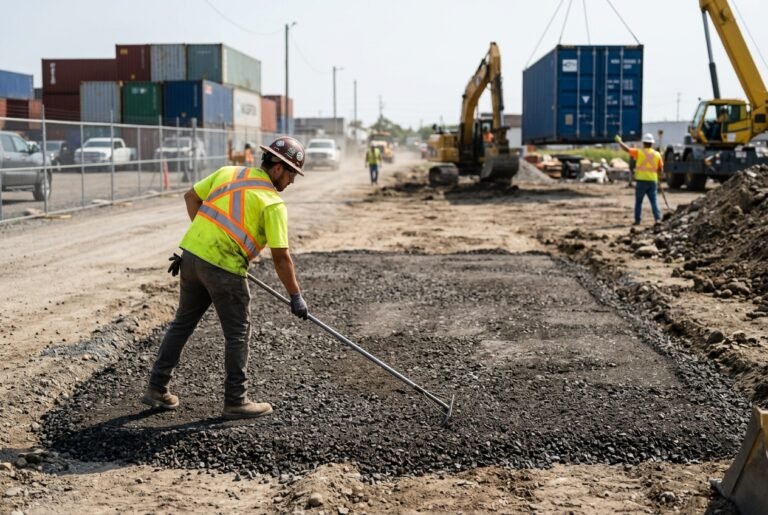
A container should sit on level, well-drained ground with proper support at minimum under the corner castings. If water pools around the base, you increase the chance of rust, mud-related access problems, and premature wear. Gravel pads are a common solution because they improve drainage and create a more reliable working surface.
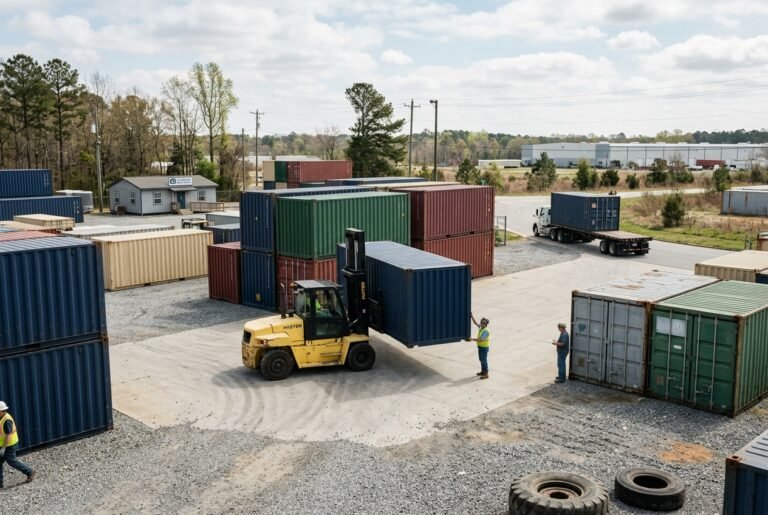
Access also needs attention. Delivery is not just about whether a truck can reach the property. It is about whether it can safely maneuver, unload, and leave without soft ground, narrow turns, fencing, or overhead obstacles creating a problem. This is one reason experienced buyers ask about delivery method early, whether that means tilt-bed service or another drop-off setup.
Security, ventilation, and real-world farm use
Security is often the main reason farms move from sheds and temporary storage to steel containers. Lockable cargo doors and heavy steel construction offer better protection for tools, parts, and equipment than many conventional outbuildings.
Still, security is only part of the picture. Ventilation matters too, especially when storing items affected by condensation. Standard containers are weather-resistant, but temperature swings can create moisture inside if airflow is poor. Depending on what you are storing, adding vents, using moisture absorbers, or avoiding direct storage of damp items can make a noticeable difference.
Organization also matters more than buyers expect. A container can become a very expensive pile of buried inventory if shelving, clear aisles, and item separation are ignored. For farm use, the most successful setups usually plan the interior around workflow, not just square footage.
When a shipping container is better than a shed
A traditional farm shed still has its place. It can be better for oversized equipment, frequent drive-through access, or situations where open-sided storage is enough. But for secure storage of smaller high-value items, shipping containers usually offer stronger protection with less construction time.
They also bring predictability. ISO-standard dimensions, steel construction, and known grades make it easier to compare options and budget accurately. That matters to farm operators who want clear pricing and verified specifications instead of vague promises.
If your goal is to protect tools, seed, supplies, parts, or temperature-sensitive inventory with minimal surprises, a well-chosen container is often the more practical long-term asset. The best choice is usually not the biggest unit or the cheapest one. It is the one that matches your storage load, your site conditions, and the way your farm actually works every day.
A good farm storage setup should remove friction, not add it. When the container is the right size, right grade, and placed correctly from day one, it does exactly what it should – keeps your operation ready when the work cannot wait.