How to Compare Container Condition Grades
A container that looks fine in a listing photo can still be the wrong fit once it reaches your site. The real question is not just price – it is how to compare container condition grades in a way that matches your use, budget, and delivery needs.
For a contractor, that usually means secure, weather-resistant storage with no delays on the job site. For a homeowner, it may mean a cleaner exterior for a workshop or backyard storage. For a modular build, appearance and structural consistency often matter as much as the steel itself. The grade tells part of that story, but only if you know what the label actually means.
Why container grades are easy to misunderstand
Shipping container grading is not as standardized as many buyers expect. There are industry terms that matter, but sellers may still describe condition differently. One company may list a unit as Cargo Worthy based on structural soundness, while another may use broader sales language that says more about appearance than inspection standards.
That is where buyers get into trouble. A lower upfront price can lead to repainting, door repairs, floor work, or extra labor after delivery. A higher grade may cost more initially, but it can reduce downtime and avoid rework. Comparing grades correctly means looking past the headline label and asking what has actually been verified.
Start with the use case before the grade
The best way to compare container condition grades is to begin with the job the container needs to do. If you start with the grade alone, you can end up overbuying or underbuying.
If the container is for secure equipment storage on a construction site, structural integrity, lockability, and wind and water resistance are usually the priorities. Cosmetic dents and surface rust may not matter much. If the container will sit next to a retail location, a farm stand, or a residence, exterior appearance becomes more important. If you are cutting openings for doors, windows, or HVAC, the condition of the frame, roof, and side panels affects fabrication costs.
A container used for international shipping has different requirements from one used only for ground-level storage. That distinction matters because a grade that works well for storage may not meet shipping certification requirements.
The main grades buyers will see
One-trip containers
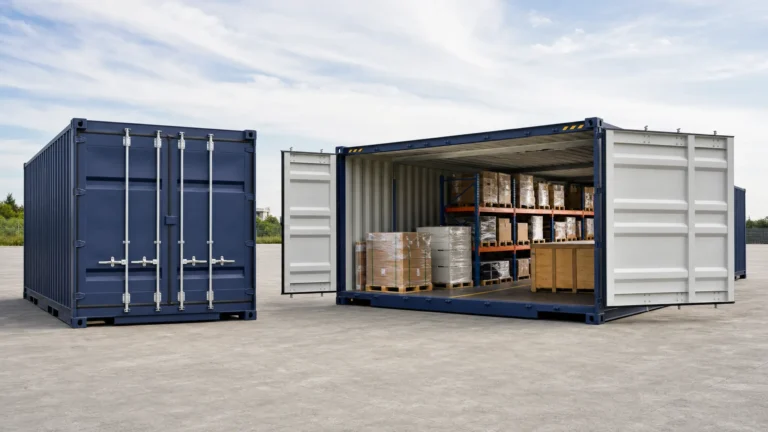
A one-trip container is typically the closest thing to new in the market. These units are manufactured overseas, loaded once with cargo, and then sold after arrival. They usually offer the best exterior appearance, the fewest dents, tighter door operation, and a longer expected service life with minimal immediate maintenance.
For buyers who care about appearance, long-term ownership, or container modification, one-trip often makes financial sense. The trade-off is simple – it is usually the highest-priced option.
Cargo Worthy containers
Cargo Worthy, often shortened to CW, generally means the container is structurally sound and suitable for cargo transport. In practical terms, the frame, doors, floor, and walls should be in serviceable condition, though visible wear is common. You may see dents, patches, surface rust, or signs of prior use.
This is a strong middle-ground option for buyers who want reliability without paying for near-new cosmetics. Still, Cargo Worthy is not the same as pretty. It is a performance grade first.
Wind and Watertight containers
Wind and Watertight, or WWT, means the container is sealed against normal weather exposure. It should keep out wind and rain, and the doors should close properly. That makes it a common choice for static storage.
The key difference is that WWT does not automatically mean the container is certified for active cargo shipping. It may be fully suitable for storage on private property while showing more wear, repair history, or cosmetic issues than a Cargo Worthy unit.
As-is containers
As-is containers are exactly what they sound like. They may have leaks, floor damage, door alignment issues, corrosion, or structural wear. Sometimes they work for buyers who plan a full rebuild or only need very low-cost material storage. More often, they create hidden costs.
For most buyers who want zero surprises, as-is should trigger more questions, not faster checkout.
How to compare container condition grades in real terms
The label matters, but the actual container matters more. When comparing grades, focus on the physical and operational details that affect use.
Check structural integrity first
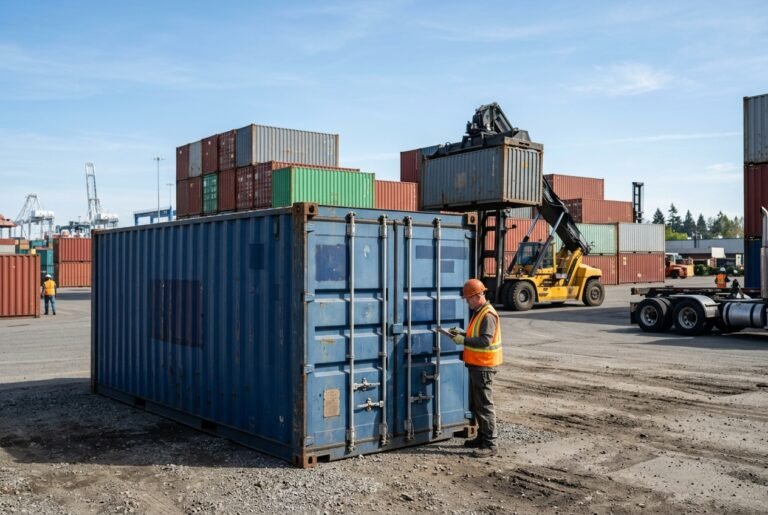
The corner posts, top rails, bottom rails, and door frame carry the container’s strength. If these areas are twisted, deeply corroded, or heavily patched, the unit may create problems in transport, stacking, or modification. Small dents in the side panels are common and often acceptable. Damage to the frame is a different category.
This is especially important for contractors storing heavy tools or palletized materials. A container can still be called used and serviceable while having very different structural quality from another container in the same broad grade.
Evaluate weather resistance, not just appearance
A clean paint job does not prove a dry interior. Ask whether the roof is free of active leaks, whether door gaskets are intact, and whether the unit has been inspected for wind and watertight performance. Water intrusion is one of the most expensive surprises because it can damage inventory, equipment, and interior finishes.
For agricultural use, this point is critical. Feed, seed, tools, and machinery parts do not care whether the exterior is attractive. They care whether the roof stays dry through a storm.
Inspect door function
Container doors tell you a lot about condition. They should open and close without excessive force, and the locking bars should engage properly. Misaligned doors can signal frame distortion, foundation problems, or wear from heavy service.
For job-site storage, daily door use matters. A cheaper unit with stubborn doors can waste time every day and become a safety issue for crews.
Look closely at the floor
Most shipping container floors are marine-grade plywood over steel cross members. Check for soft spots, delamination, major oil contamination, or previous repairs. Surface wear is normal in used containers. Structural floor issues are not.
If the container will become a workshop, office conversion, or finished interior space, floor condition can affect prep costs more than buyers expect.
Separate cosmetic wear from functional defects
This is where buyers often overspend. Scratches, faded paint, small dents, and surface rust are common in used containers and do not necessarily reduce performance. If the container is for equipment storage behind a fenced yard, cosmetic flaws may not matter at all.
But if the container will be visible to customers, placed at a residence, or turned into a branded pop-up space, appearance may justify the price difference for a one-trip or refurbished unit. The right grade depends on who will see it and what impression it needs to make.
Questions that make grade comparisons more accurate
When talking to a seller, ask what the grade means in measurable terms. Ask whether the unit is verified as WWT or Cargo Worthy, whether repairs have been made, whether patches are present, and whether photos show the exact container or only a representative example.
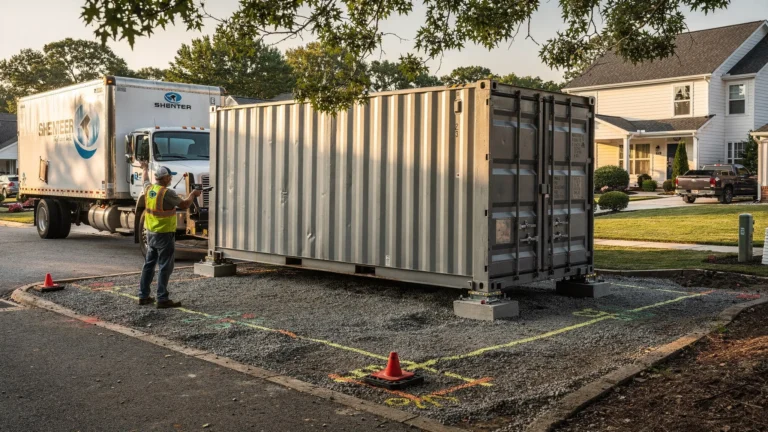
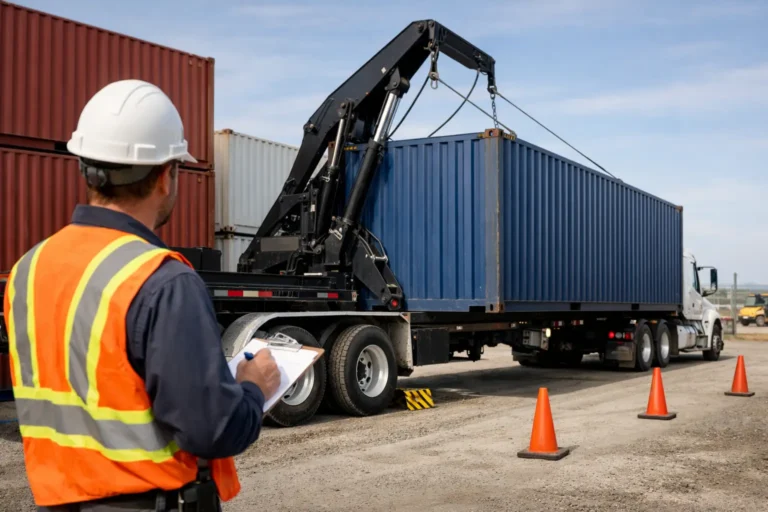
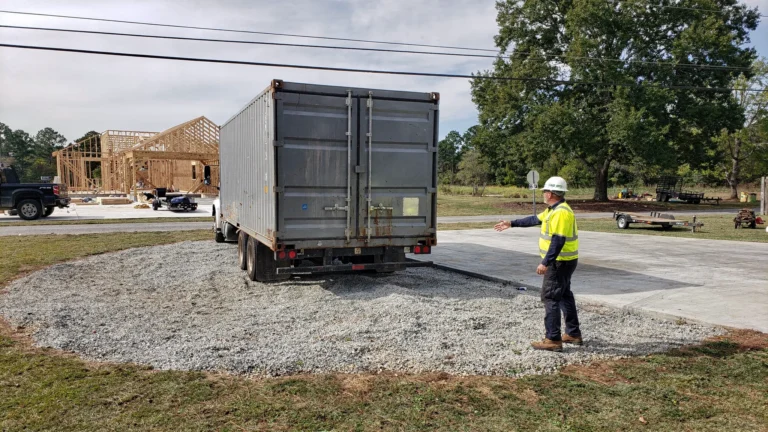
Also ask about delivery method. A container in acceptable condition can still become a problem if your site is tight, sloped, or not prepared for the drop-off. Tilt-Bed and Ground-Level delivery options can affect placement, clearance requirements, and how much post-delivery repositioning is needed. Grade and delivery should be evaluated together because both affect the total cost of ownership.
Matching the grade to the job
For construction storage, a WWT or Cargo Worthy unit is often the practical choice, depending on whether you also need shipping certification. For homeowners who want a cleaner look and longer finish life, one-trip may be worth the premium. For retail overflow, customer-facing storage, or modular builds, appearance and structural consistency usually deserve more weight than they would for a back-lot storage box.
If your budget is tight, it is usually smarter to accept cosmetic wear than to compromise on doors, roof condition, or frame integrity. Surface flaws are manageable. Functional defects tend to get more expensive after delivery.
The mistake to avoid
The biggest mistake is comparing only by price per container. A lower-grade unit may look like the better deal until you factor in repairs, repainting, weatherproofing, site labor, and operational headaches. A higher-grade container may cost more on day one but less over the next five years.
That is why transparent grading matters. Buyers need clear pricing, verified specifications, and honest condition descriptions – not vague promises.
If you want the right container the first time, compare grades the same way you would compare equipment: by structure, function, expected service life, and fit for the job. The steel box is only part of the purchase. What matters is whether it shows up ready to work.