How to Shop 20 Foot Containers for Sale Locally
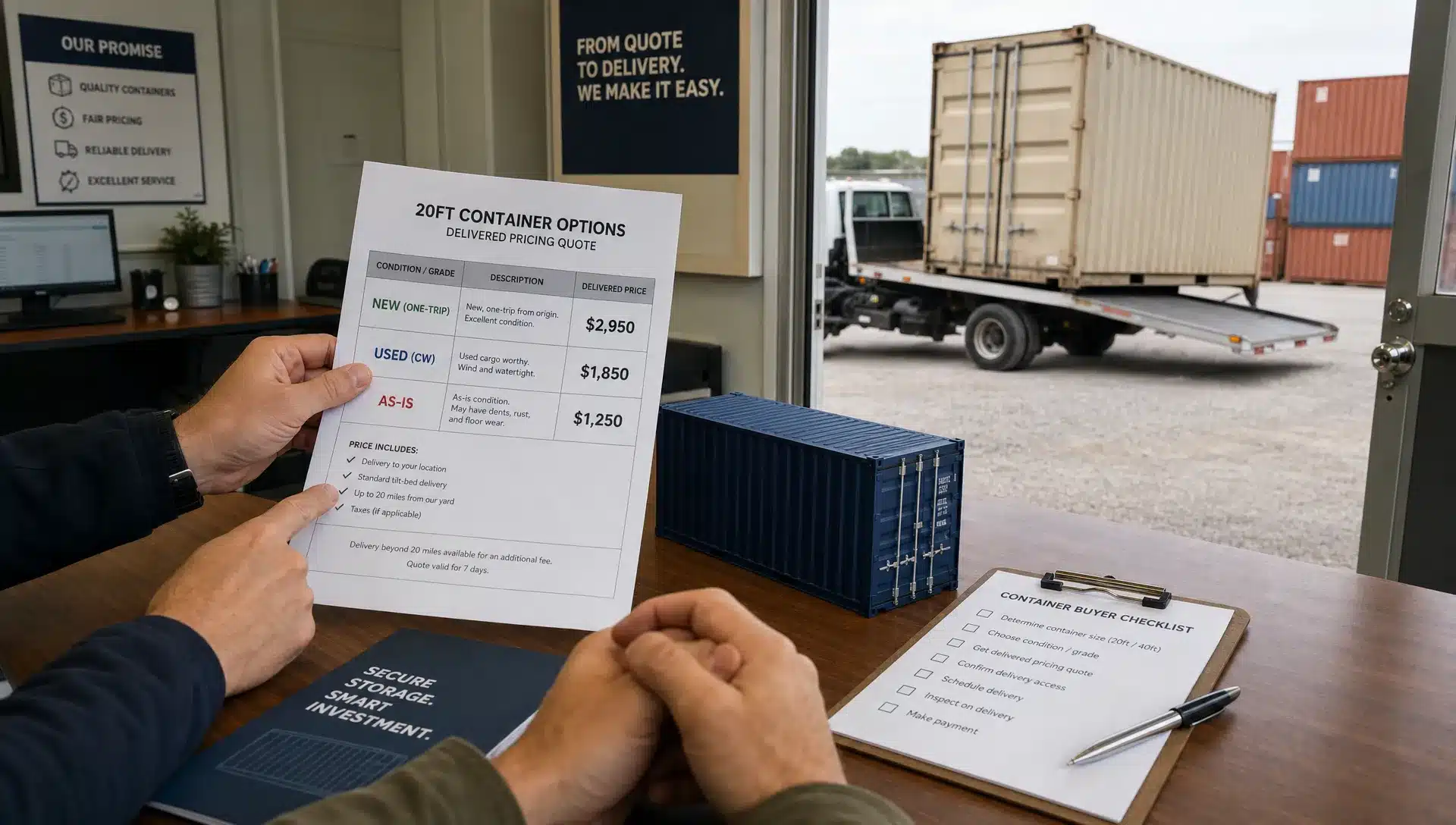
Searching for 20 foot containers for sale near me usually starts with convenience, but the best purchase is not always the cheapest unit sitting closest to your property. A good local container buy comes down to four things: the right grade, an honest delivered price, a realistic drop plan, and a seller who can explain what you are getting before the truck arrives.
For contractors in Raleigh, small businesses across the Southeast, homeowners with land, farms, and logistics teams, the 20ft container is often the most practical size. It fits on tighter sites than a 40ft unit, still offers substantial storage capacity, and can be delivered to many driveways, job sites, and commercial yards with less maneuvering space.
This guide walks through how to shop locally with confidence, what questions to ask, and how to compare quotes so you do not get surprised by condition issues, delivery add-ons, or a container that does not match your use case.
Start with the real reason you need a 20ft container
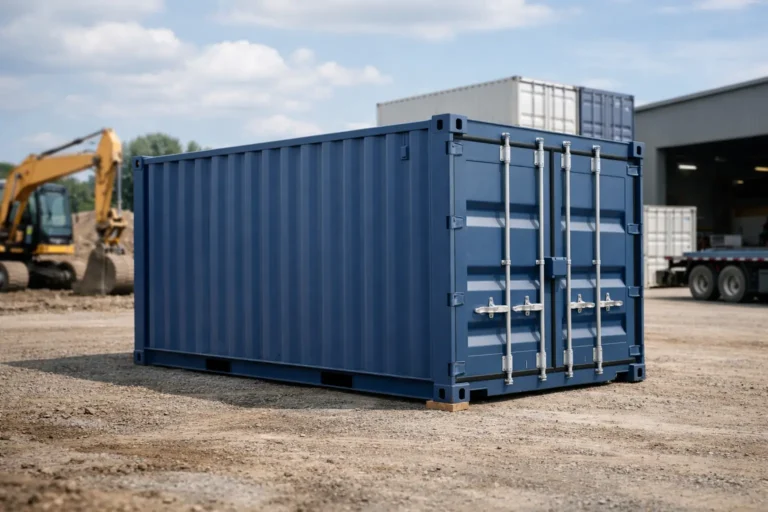
A 20ft shipping container is compact enough for residential and jobsite storage, but strong enough for demanding commercial use. Standard ISO containers are built from Corten steel, a weathering steel designed to handle harsh marine environments. That strength is why they are widely repurposed for tools, inventory, seasonal equipment, farm supplies, and transport.
Before comparing sellers, define your use case clearly. A general contractor storing power tools in Raleigh may need secure doors, a lock box, and a Wind & Watertight unit. A logistics manager planning export shipping should ask for Cargo Worthy condition and documentation. A retailer using a container for overflow inventory may prioritize clean interior walls, odor-free flooring, and easy truck access.
If you are still deciding whether a 20ft unit is the right footprint, Lease Lane’s guide to choosing a 20 ft storage container for sale explains common applications, dimensions, and buying considerations in more detail.
Know the three condition grades before you call local sellers
Container grades are where many buyers get confused. Two containers can both be listed as “used 20ft containers,” yet be very different in condition, suitability, and price. A reputable seller should be able to explain the grade plainly.
| Container grade | What it usually means | Best fit | Key buyer question |
|---|---|---|---|
| One-Trip | A newer container that has typically made one loaded trip from the manufacturer, often with fewer dents and cleaner paint | Businesses, homeowners, modifications, long-term storage, premium appearance | Is it ISO-certified and made from Corten steel? |
| Cargo Worthy (CW) | A used container inspected to be structurally suitable for cargo transport, subject to applicable shipping requirements | Logistics, transport, export, heavy commercial storage | Can the seller provide current inspection details or documentation? |
| Wind & Watertight (WWT) | A used container that should keep out normal wind and rain, but may not be certified for loaded ocean shipping | Jobsite storage, farm storage, general property storage | Are the roof, doors, seals, and floor confirmed watertight? |
A One-Trip container usually costs more, but it is often the best choice if appearance matters or if you plan to modify the unit into a mobile office, retail space, or long-term storage structure. A Cargo Worthy unit is the right conversation if the container must move freight. A WWT unit can be excellent value for static storage, as long as the doors close properly, the roof is sound, and the floor is usable.
Avoid vague descriptions like “good condition” without a grade. Local shopping should make verification easier, not less important.
Compare the delivered price, not just the container price
When buyers search locally, they often focus on the advertised unit price. That can be misleading. The number that matters is the delivered price to your property, jobsite, farm, or commercial yard.
A fair local quote should clarify the container grade, size, delivery address, delivery method, estimated lead time, and any site limitations. In the Raleigh and greater North Carolina market, delivery logistics can vary based on distance from the yard, road access, driveway conditions, and whether the driver needs extra time or equipment to place the unit.
Ask each seller for the same information so you can compare accurately:
- Container size and height, such as standard 20ft or 20ft High Cube if available
- Grade, such as One-Trip, Cargo Worthy, or Wind & Watertight
- Exterior and interior condition notes, including roof, doors, seals, and floor
- Delivery method, such as tilt-bed ground delivery or chassis delivery
- Total delivered price, including taxes, fuel, mileage, and placement fees if applicable
- Estimated delivery window and what happens if the site is not ready
For a deeper pricing breakdown, including how grade and delivery affect cost, review the 20ft shipping container price guide for 2026 buyers.
Understand standard 20ft dimensions and access needs
A standard 20ft shipping container is typically about 20 feet long, 8 feet wide, and 8 feet 6 inches tall on the exterior. Interior dimensions vary slightly by manufacturer, but buyers commonly plan around roughly 19 feet 4 inches of interior length, 7 feet 8 inches of interior width, and about 7 feet 10 inches of interior height.
High Cube containers are 9 feet 6 inches tall on the exterior, giving extra interior height. High Cube units are common in 40ft sizes and less common in 20ft sizes, so ask your seller about availability if height is important for shelving, equipment, or modification work.
Also think about door swing. Container cargo doors need clear space in front of the unit. If you are placing a 20ft container beside a garage, fence, building, or jobsite access road, measure the door area before delivery. A tight drop may still work, but the container is only useful if you can open it fully and load it safely.
Inspect locally, or request proof before purchase
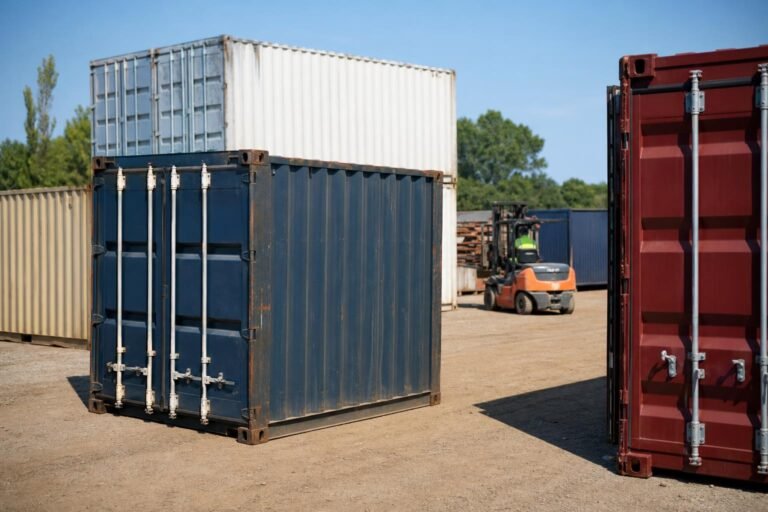
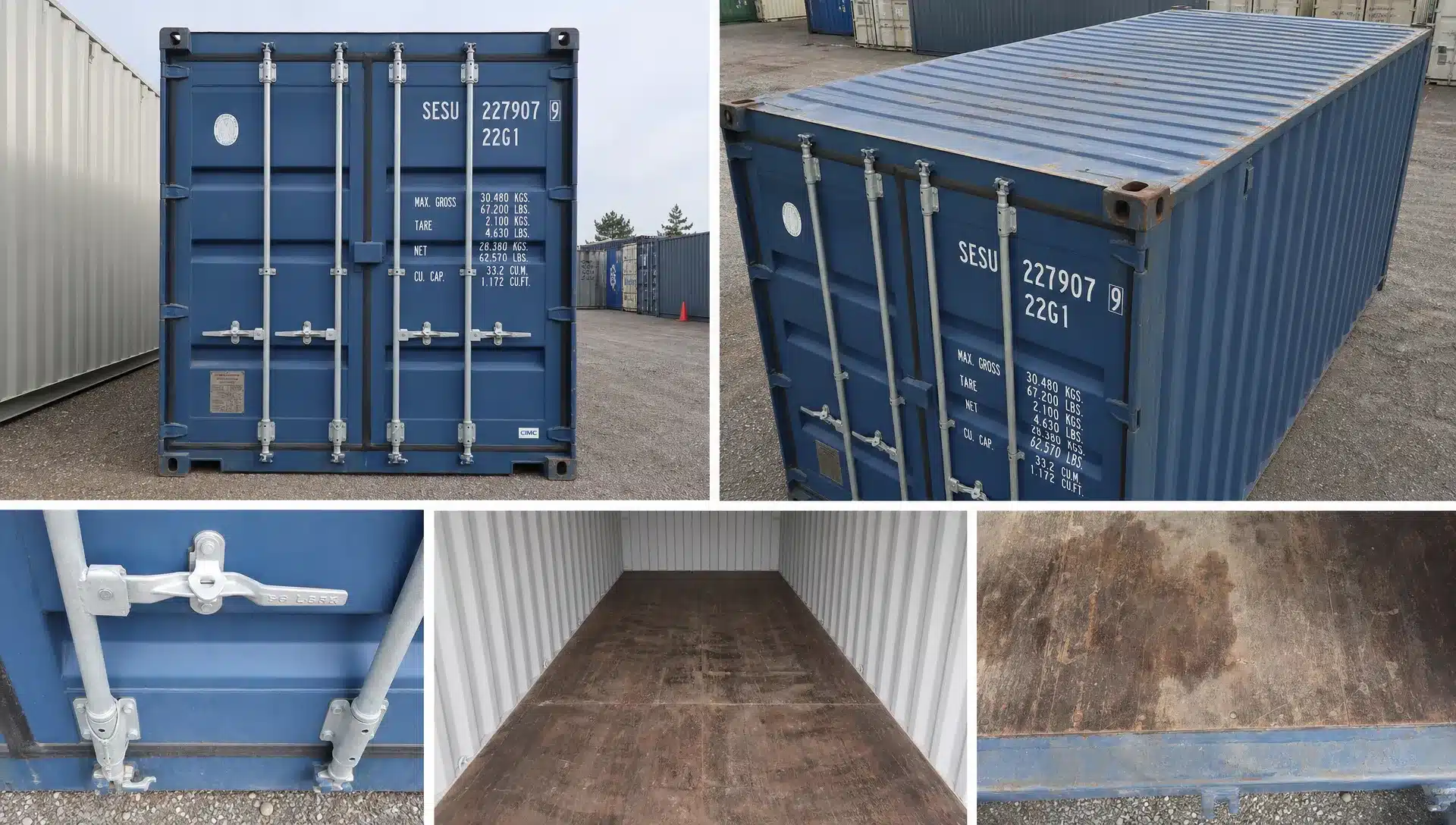
One advantage of shopping locally is the ability to inspect or at least request recent photos of the exact unit. Stock images are not enough for used containers. If you are buying a One-Trip unit, photos still matter, but condition risk is usually lower. If you are buying a WWT or Cargo Worthy used container, inspection is essential.
Focus on practical points that affect performance. Check the roof for dents that hold water, the door gaskets for cracking, the locking rods for smooth operation, and the floor for soft spots, chemical odors, or delamination. Surface rust is common on used containers, but deep corrosion, holes, major frame damage, or doors that will not seal are red flags.
For used units, Lease Lane’s guide on how to spot value in used containers for sale near you can help you separate normal wear from problems that should change the price or disqualify the unit.
Vet the seller like you would any jobsite supplier
The local container market includes established suppliers, brokers, resellers, and occasional private sellers. Some are excellent. Others rely on unclear photos, vague grades, or unrealistic delivery promises. A trustworthy seller should help you understand the product, not pressure you into buying the first available unit.
Look for clear communication and industry knowledge. If a seller cannot explain the difference between Cargo Worthy and Wind & Watertight, that is a warning sign. If they quote a low price but refuse to confirm delivery costs, the final invoice may be higher than expected. If they cannot explain placement requirements, your delivery day may become expensive and frustrating.
Strong local suppliers should be able to discuss ISO standards, Corten steel construction, door operation, flooring, container height, delivery method, and site preparation. They should also be realistic about what a used container will look like. A WWT container is not a brand-new retail display unit. A One-Trip container is cleaner and newer, but it can still have minor handling marks from transport.
Match the container grade to the Southeast climate
Raleigh and the wider Southeast bring heat, humidity, heavy rain, and occasional severe weather. That does not mean containers fail quickly. ISO shipping containers are designed for demanding environments, and Corten steel is known for durability. It does mean you should buy the right grade and place the unit properly.
For long-term storage in North Carolina, pay attention to ventilation and drainage. A watertight container can still develop condensation if temperature and humidity fluctuate. If you are storing tools, paper goods, textiles, furniture, or inventory, ask about vents, shelving, desiccants, or modification options that support air movement.
For coastal or high-humidity areas in the Carolinas, inspect paint condition and rust more carefully. Corten steel is durable, but standing water, trapped debris, and damaged coatings can accelerate corrosion over time.
Pro-Tip: prepare the drop site before delivery day
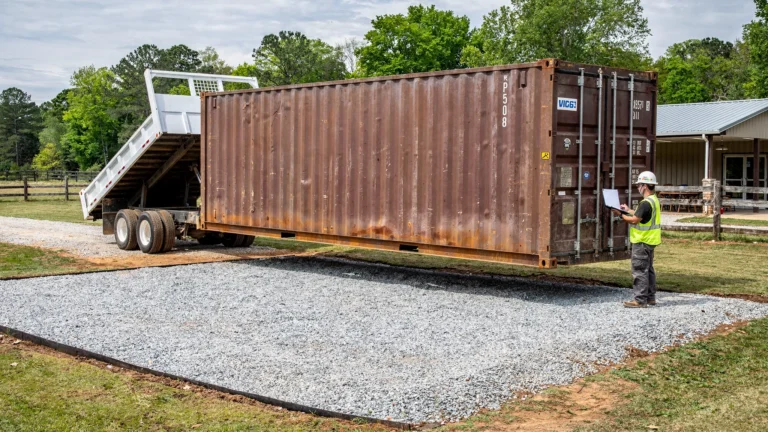
The most avoidable container problems happen before the truck arrives. A 20ft container needs a firm, level surface with enough clearance for the delivery vehicle and the container itself. In Raleigh and many parts of North Carolina, clay soil can soften after rain, so “flat grass” may not be enough for a clean delivery or long-term storage.
A simple gravel pad is often the best value. Use compacted stone, railroad ties, concrete blocks, or a concrete pad depending on the site and how permanent the placement will be. The goal is to keep the container level, support the corner castings, and prevent water from pooling under the steel frame.
Plan for truck access as well as the container footprint. A tilt-bed truck typically needs a straight approach and extra space to slide the container off the bed. A tight urban lot, sloped driveway, overhead power line, low tree branch, soft field, or narrow gate can all affect delivery.
Check local rules before placement. Permit and zoning requirements vary by city, county, HOA, commercial district, and project type. Raleigh, Wake County, and surrounding municipalities may treat temporary jobsite storage differently from permanent storage, commercial use, or modified structures. When in doubt, call the local planning or inspections office before scheduling delivery.
Local shopping checklist for 20ft container buyers
Use this checklist when you contact sellers. It keeps the conversation focused and helps you compare quotes fairly.
| What to confirm | Why it matters |
|---|---|
| Exact size and height | Confirms whether the unit fits your site, shelving, and clearance needs |
| Grade | Determines whether the container is suited for storage, shipping, or modifications |
| Photos of the actual unit | Helps verify roof, doors, floor, paint, rust, and overall condition |
| Door operation | Poorly aligned doors can be frustrating and may signal frame issues |
| Floor condition | Soft spots, odors, and chemical staining can affect safe storage |
| Delivery method | Determines access needs, placement accuracy, and site preparation |
| Delivered total | Prevents surprises from mileage, fuel, placement, or tax add-ons |
| Permit guidance | Helps avoid delays, complaints, or removal orders |
A good seller will welcome these questions. If a seller treats basic inspection and delivery questions as a nuisance, consider that part of the buying decision.
When a 20ft container is better than a 40ft container
A 40ft container offers more storage per square foot of ground space, which is why it can be attractive for larger farms, warehouses, construction yards, and developers. Still, the 20ft size often wins when access is limited or storage needs are specific.
Choose a 20ft container when your site has shorter driveways, limited turning radius, a smaller pad, or neighborhood visibility concerns. It is also a strong option when you want separate storage zones, such as one unit for tools and one for materials, rather than one larger container. For contractors moving between jobs, a 20ft container can be easier to place on tighter residential builds or urban infill sites.
Choose a 40ft container when you need maximum capacity and have enough room for delivery, door swing, and ongoing access. If you are comparing both sizes, ask your supplier to price each option delivered to your exact address.
Do not ignore modifications when shopping locally
Even if you are buying a container for basic storage today, think about future use. A 20ft unit can later be modified with vents, personnel doors, windows, insulation, shelving, electrical packages, or office-style buildouts, depending on the project and local code requirements.
If modifications are likely, a One-Trip container may be worth the higher upfront cost because it usually starts with cleaner walls, better paint, and less wear. Used WWT containers can still be modified, but you should inspect more carefully for roof dents, frame alignment, and floor condition before investing in upgrades.
For retail pop-ups, mobile offices, and long-term commercial displays, appearance and structural condition matter more than they do for basic tool storage. For agriculture, construction, and overflow inventory, function may matter more than cosmetics.
Frequently Asked Questions
Is buying locally always cheaper than buying from a national container supplier? Not always. A nearby listing can still have high delivery fees or unclear condition. Compare the total delivered price, grade, seller support, and placement guidance rather than only the base container price.
What is the best grade for general storage in Raleigh, NC? For most static storage needs, a Wind & Watertight container can be a strong value if the roof, doors, seals, and floor are in good condition. Choose One-Trip if appearance, cleanliness, or long-term modification potential matters.
Do I need a Cargo Worthy container for backyard or jobsite storage? Usually no. Cargo Worthy is most relevant when the container must be used for freight transport or shipping. For stationary storage, WWT or One-Trip may be more appropriate depending on budget and condition expectations.
Can a 20ft container be delivered on a residential driveway? Often yes, but the driveway must have enough access, clearance, and surface strength for the delivery truck and container. Always discuss slope, overhead obstacles, turning space, and surface material before scheduling delivery.
Are 20ft High Cube containers available? They exist, but they are less common than standard 20ft containers and less common than 40ft High Cube units. If extra height is important, ask about availability early in the buying process.
Shop 20ft containers with local guidance you can trust
The smartest way to shop 20 foot containers for sale locally is to look beyond distance and compare the full buying experience: container grade, actual condition, delivered price, site requirements, and seller expertise. For buyers in Raleigh, across North Carolina, throughout the Southeast, and nationwide, Lease Lane Containers LLC helps match the right unit to the right site.
Need help choosing between One-Trip, Cargo Worthy, or Wind & Watertight? Contact the Lease Lane sales team at sales@leaselanecontainers.com or visit the Raleigh office to discuss 20ft containers, 40ft containers, refrigerated units, trailers, and custom modular solutions.