Shipping Container Retail Pop Up Shop Guide
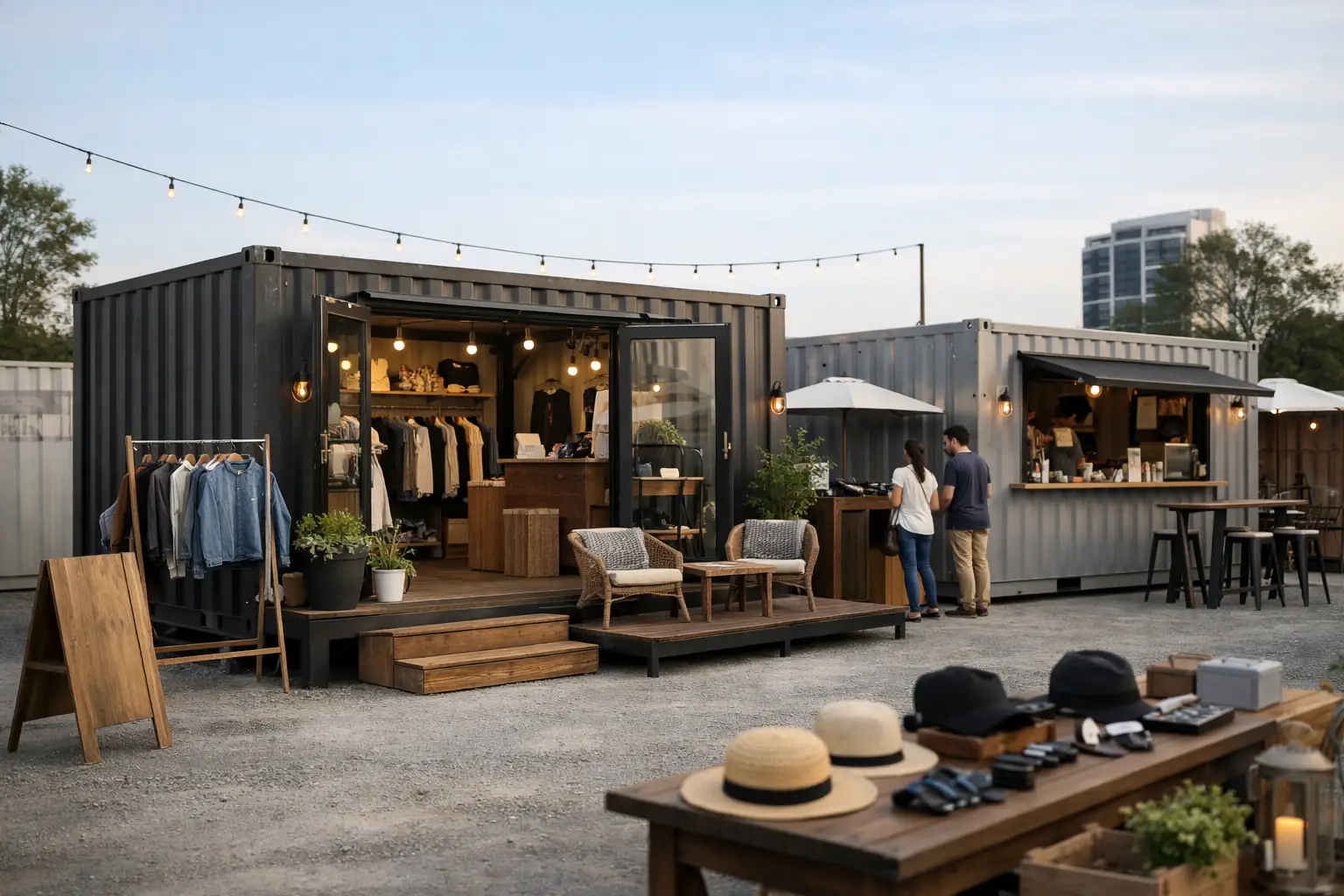
A retail launch can lose money before the first sale if the setup is slow, the footprint is wrong, or the structure looks rougher than the brand can afford. That is why a shipping container retail pop up shop appeals to operators who need speed, security, and a clean physical presence without committing to a full traditional build.
The concept is straightforward. A steel container gives you a lockable shell, predictable dimensions, and a structure designed for transport. But retail is different from storage. A pop-up has to look intentional, support customer flow, meet local requirements, and arrive on site without creating delivery problems. The container itself matters, but so do the grade, modifications, and site conditions behind it.
Why a shipping container retail pop up shop works
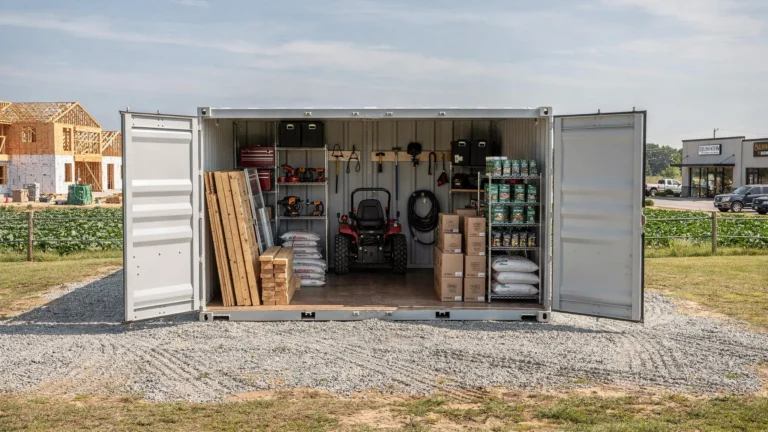
For many retail operators, the biggest advantage is control. A container-based shop gives you a known footprint from day one. A 20-foot unit is compact enough for tighter sites and event spaces, while a 40-foot unit gives more room for merchandising, back stock, and customer circulation. Because the dimensions are standardized, planning fixtures, counters, and openings is more predictable than working from an improvised temporary structure.
Security is another major factor. Shipping containers are built from Corten steel and designed to handle hard use in marine and freight environments. That does not mean every used container is retail-ready, but the underlying shell is strong. For seasonal operators, brand activations, and inventory-heavy pop-ups, that built-in durability can reduce risk compared with lighter temporary structures.
There is also a timing advantage. A container can often move from concept to deployment faster than a ground-up kiosk or small retail build, especially if the operator starts with a structurally sound unit and keeps modifications focused. That said, faster does not mean automatic. Permits, power, ventilation, accessibility, and delivery access still need attention early.
Start with the right container, not just the cheapest one
This is where many projects go sideways. Buyers sometimes focus on the lowest upfront price and end up with a unit that needs more cosmetic repair, steel work, and modification prep than expected. For a retail application, appearance and condition matter more than they do for basic equipment storage.
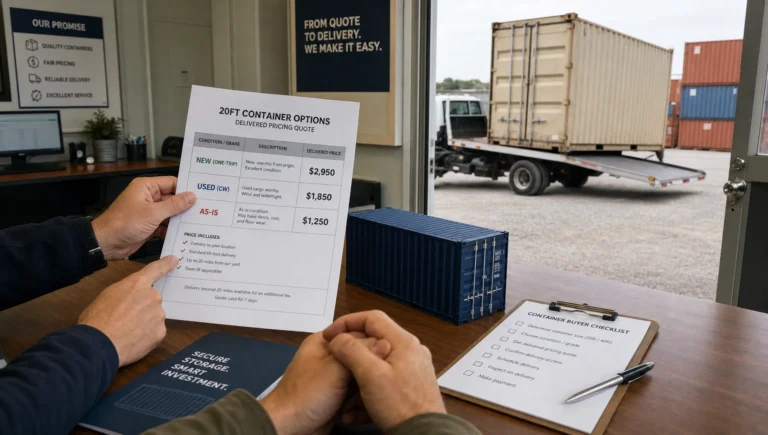
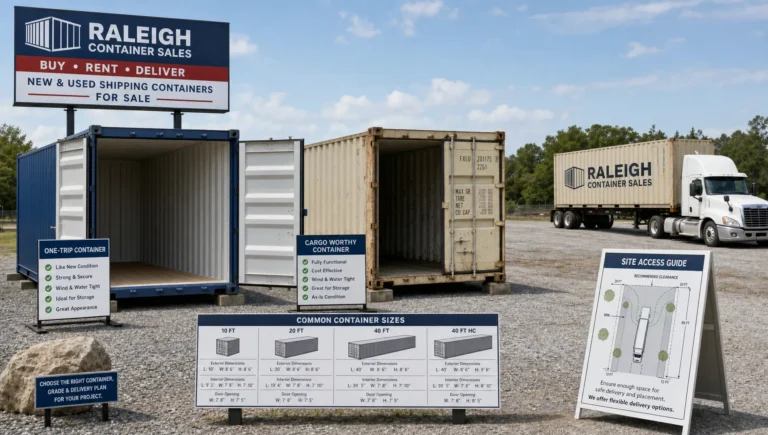
A one-trip container is usually the cleanest starting point for a customer-facing build. These units have made a single cargo journey after manufacture and generally offer better exterior appearance, straighter panels, and less visible wear. If the pop-up is meant to reflect a premium brand, a one-trip unit often reduces prep work and repainting costs.
A used Cargo Worthy container can still make sense, especially when budget is tight and the design includes cladding, large cutouts, or a full exterior finish. Cargo Worthy means the container meets criteria for overseas transport, but it does not mean it will look new. Scratches, dents, patches, and surface rust may still be present. For back-of-house retail support or less image-sensitive concepts, that trade-off can work.
Wind & Watertight, often shortened to WWT, is another common grade. It means the container is structurally enclosed against weather, but it is not always the best fit for a polished retail presentation. WWT can be fine for storage or utility use, but for a customer-facing shop, buyers should inspect the finish expectations carefully before assuming it is the right value.
Picking the right size for retail use
A 20-foot container is the most practical choice for many first-time pop-ups. It is easier to place, simpler to deliver in constrained areas, and usually enough for a focused retail concept such as apparel edits, coffee service, ticketing, branded merchandise, or seasonal goods. It also keeps modification costs more manageable because you are working within a smaller envelope.
A 40-foot container works better when the operation needs a clear division between front-of-house and storage, or when the brand wants a stronger architectural presence. It can support broader product display, dual service zones, or staff workspace in the rear. The trade-off is delivery complexity and site demand. A 40-foot unit needs more room for transport and placement, and not every lot, festival site, or urban infill property can handle that cleanly.
High-cube containers add extra interior height, which can be useful for lighting, shelving, signage, and a less compressed customer experience. That extra foot can make a noticeable difference in retail design, especially if the ceiling will include finished materials or mechanical systems.
Modifications that make sense for a retail build
A container becomes a shop only after the opening strategy is right. Door and window cutouts shape both customer flow and structural performance. Large side openings can create an inviting storefront, but every cut changes the way loads move through the steel shell. Reinforcement is usually required, and that should be handled by professionals who understand container structure rather than treated like a basic fabrication shortcut.
Interior finish choices depend on the brand and the climate. Insulation is often necessary if the shop will operate in hot or cold conditions. Bare steel can create temperature swings and condensation problems. Flooring may also need attention. Standard marine plywood flooring can be serviceable, but some operators prefer to install a finish floor for appearance, sanitation, or customer comfort.
Electrical planning is another area where assumptions create delays. A pop-up may need lighting, POS systems, refrigeration, small equipment, or HVAC. That means power requirements should be set before build-out begins, not after the unit is already modified. If food or beverage service is involved, code requirements can become more specific very quickly.
Branding matters, but it should follow the structure, not cover for a poor one. Paint, wraps, signage, and exterior cladding can transform the look of a container. Still, no finish package fixes a container with excessive visible damage or poor prep. A clean shell saves money later.
Delivery logistics can decide the whole project
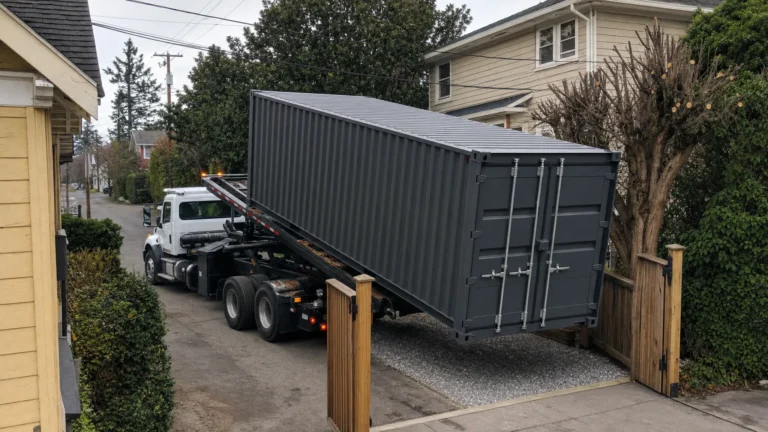
A well-designed shop is not useful if it cannot be placed where you need it. This is one of the most overlooked parts of a shipping container retail pop up shop. Buyers focus on design and forget to confirm turning radius, overhead clearance, surface conditions, and the actual space needed for offloading.
Tilt-bed delivery is common for container placement, but it requires clear approach space and enough linear room to slide the container off safely. Ground-level delivery can simplify access for retail use, but the site still has to be stable and properly prepared. Soft ground, uneven grades, tight corners, and overhead wires can turn a simple drop into a failed delivery attempt with added costs.
For event sites and temporary retail installations, access windows may also be limited. Some venues allow only certain delivery times or have restrictions on truck movement. That makes coordination just as important as container selection. A dependable supplier should confirm delivery conditions before dispatch, not after the truck is en route.
Site prep and compliance are not optional
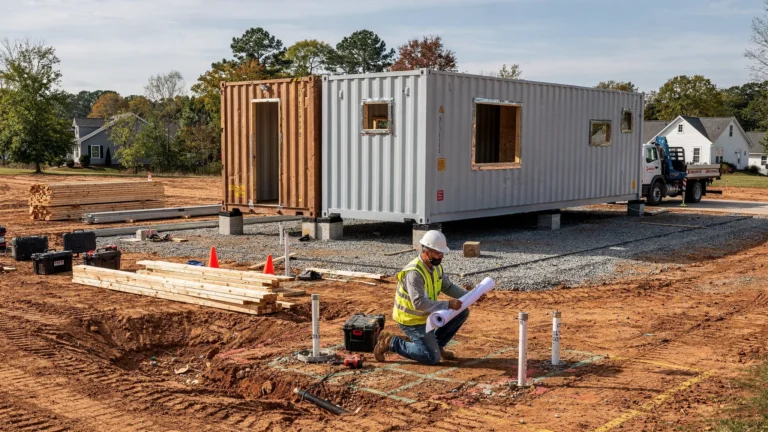
Even temporary retail structures usually need local review. Depending on location, the operator may need zoning approval, building permits, utility coordination, fire review, and ADA-related planning. The rules vary, and that is exactly why buyers should verify them early instead of assuming a container counts as informal temporary equipment.
The base matters too. A container should sit on a stable, level foundation. For short-term use, that may be simple blocking or a prepared pad if local conditions allow. For longer installations, more formal support may be appropriate. An uneven setup can affect doors, modifications, and customer safety.
If the shop will remain in place for an extended period, drainage and weather exposure should be considered as part of the plan. Water pooling near the base, poor runoff, and neglected site maintenance can shorten the life of both the container and the finish work.
Where buyers should be cautious
Container retail is not automatically cheaper than every other option. If the design calls for major glazing, premium interior finishes, extensive mechanical systems, and architectural cladding, the project can move well beyond the cost of a basic container shell. The savings often come from speed, modularity, transportability, and structural durability, not from magic-cost construction.
There is also a difference between a container that can be modified and a container that should be. If a unit has too much wear, too much corrosion, or too many existing repairs, using it for a visible retail build may create more labor than it saves. Clear grading and verified specifications help avoid that mistake.
For operators who want zero surprises, the best approach is simple. Define the retail use first, then match the container size, grade, modification scope, and delivery method to that use. That is more reliable than buying a unit quickly and trying to force the business model into it later.
A shipping container shop works best when the steel shell is treated as one part of a larger operating plan – not the whole plan. Get the structure right, get the site ready, and the build has a much better chance of opening on time and looking like it belongs there.