10 Container Pool Backyard Examples That Work
A shipping container can create a striking backyard pool footprint, but the best container pool backyard examples begin with the site, not the container. A 20-foot unit may fit the available space on paper, yet access for delivery, equipment clearance, drainage, pool-code setbacks, and structural engineering will determine whether the project is practical. The container itself is only one component of a safe, durable installation.
For homeowners who want a compact plunge pool or a defined entertaining zone, a container-based design can offer a clear starting dimension. For rural properties, it can also be a practical choice where a conventional excavated pool would require substantial grading. The key is choosing a layout that respects the limits of the container and the conditions of the property.
Container Pool Backyard Examples for Real Lots
1. The compact 20-foot plunge pool
A 20-foot shipping container pool is often the most workable option for a smaller backyard. Its exterior footprint starts at roughly 20 feet long by 8 feet wide before stairs, equipment pads, decks, or required clearances are added. It is well suited to cooling off, water exercise, and casual use by a small household rather than lap swimming.
This layout works particularly well beside a patio, with the long side parallel to a fence line. A narrow deck on one side can provide room for entry steps and seating without consuming the whole yard. If privacy is limited, a wood screen or planted border can soften the steel exterior while keeping maintenance access available.
Do not assume all 20-foot containers have the same usable water volume. Interior dimensions are smaller than exterior dimensions, and insulation, liner systems, framing, and equipment can reduce the final swim area further.
2. The 40-foot lap-oriented pool
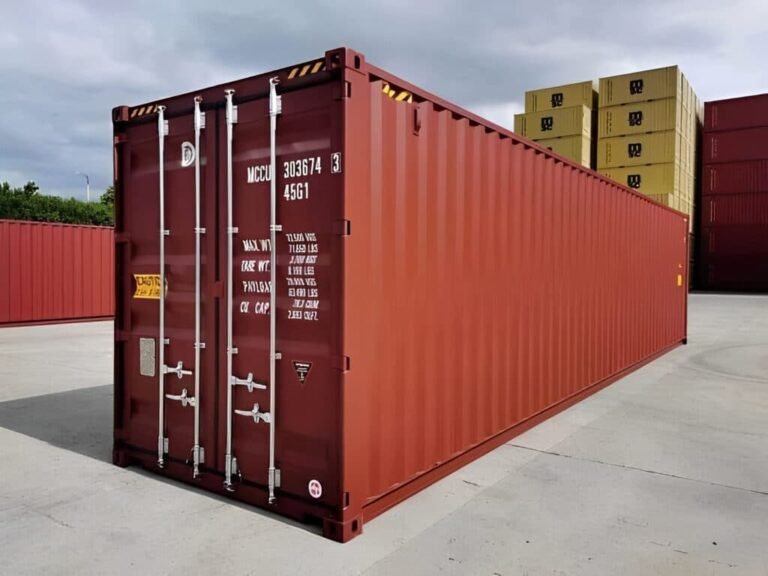
A 40-foot container gives a more convincing long-pool feel. It can work for short lap sessions, family swimming, and a cleaner visual connection between the house and the far end of the yard. On a larger lot, placing the pool lengthwise away from the home creates a destination rather than crowding the patio.
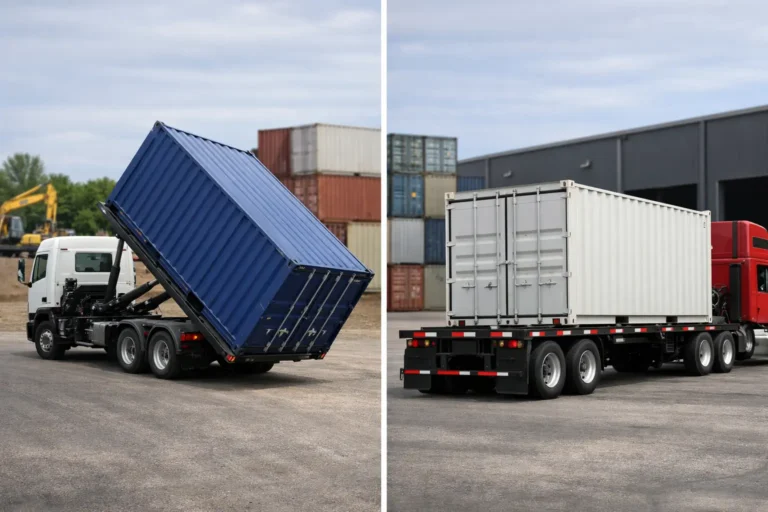
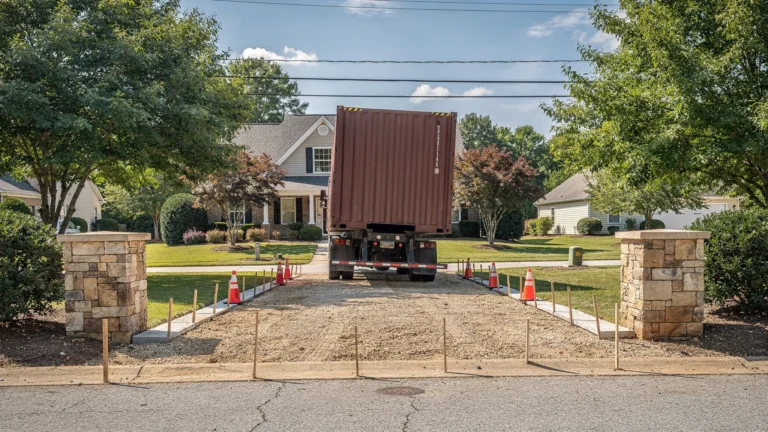
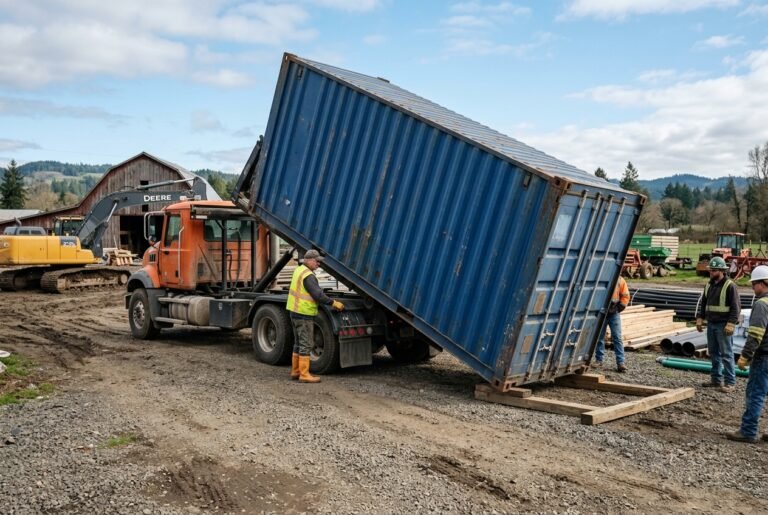
The trade-off is logistics. A 40-foot container requires a longer approach route, more turning room, and careful planning for the delivery truck. The final placement method matters as much as the container size. A tilt-bed delivery may need substantial straight-line clearance to slide the unit off the trailer, while a crane placement introduces separate access, ground-bearing, and cost considerations.
3. The raised pool with a viewing wall
Some of the most dramatic examples keep the container partially or fully above grade. A raised design can reduce excavation, especially on sloped lots or sites with difficult soil conditions. It also allows the exterior to become part of the landscape design, whether finished in paint, cladding, or a simple industrial coating.
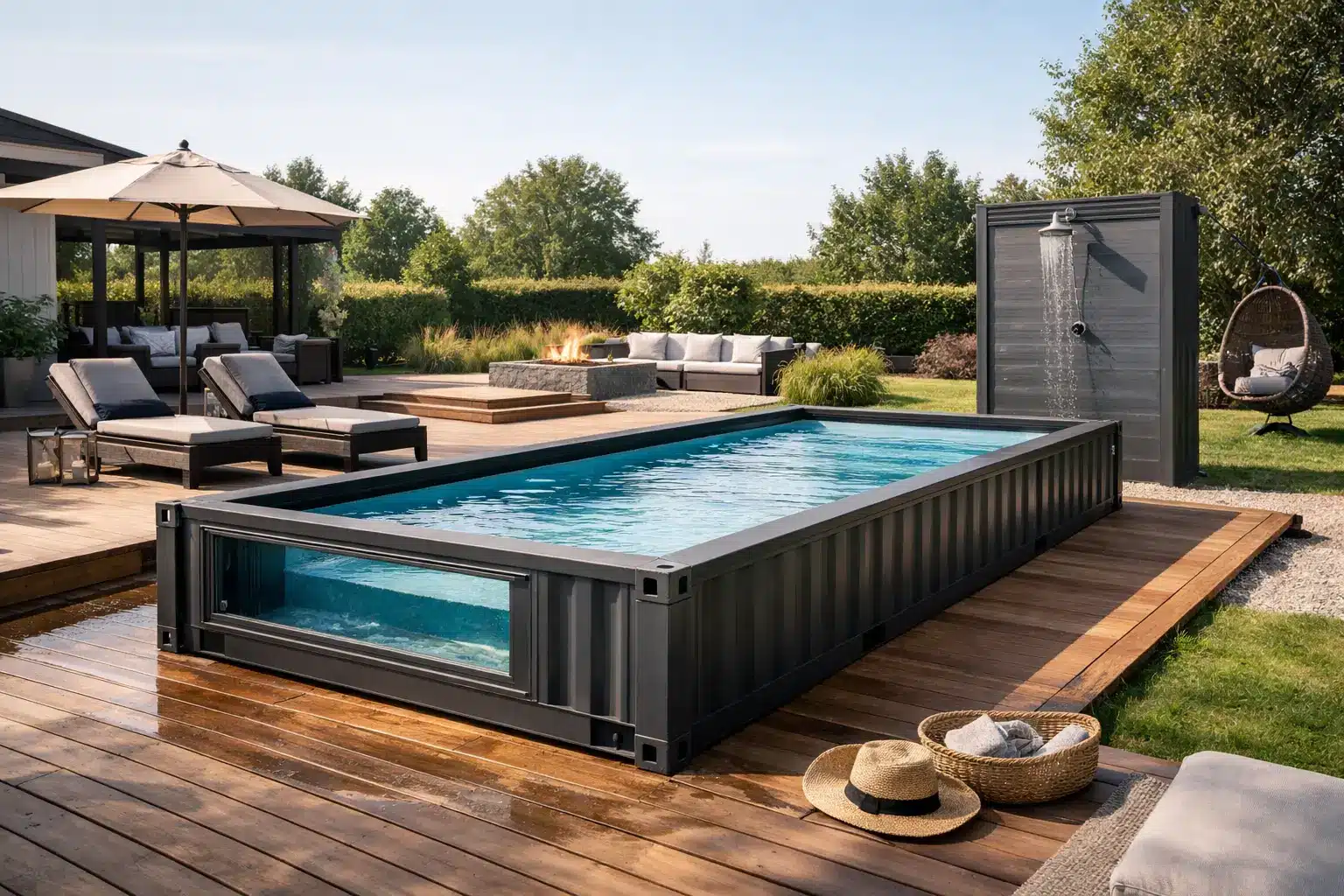
A viewing panel can be installed along one side, but it should never be treated as a cosmetic add-on. The panel opening changes the container wall’s structural behavior, and water creates significant outward pressure. An engineer and experienced pool fabricator should specify the reinforcement, glazing system, waterproofing, and attachment details.
This approach is best for owners who want a focal point and have enough room around the unit for service access. It is not usually the lowest-cost path once structural modifications, finishes, and elevated deck work are included.
4. The partially buried hillside installation
A sloped backyard can make a partially buried container pool appealing. The uphill side can be retained into the grade while the downhill side remains visible, creating a built-in bench or deck opportunity. The result can look intentional and grounded rather than like a container set on an open lawn.
This is also one of the layouts that demands the most disciplined site work. Soil pressure, groundwater, runoff, and drainage must be addressed before placement. A shipping container is made from durable Corten steel, but it was designed for cargo transport, not for continuous soil contact or swimming-pool loads without proper modification and protection.
Waterproofing, corrosion protection, perimeter drainage, and an engineered foundation are not optional details in this type of installation. Cutting corners here can create expensive repairs that are difficult to reach later.
5. The patio-side entertaining pool
For households that host often, place the pool near an existing patio or outdoor kitchen rather than at the back edge of the property. A 20-foot or 40-foot unit can define one side of the entertaining area, with wide steps, built-in seating, and a dedicated equipment enclosure nearby.
The practical advantage is that electrical service, water supply, and outdoor living areas may already be close. The practical concern is noise and circulation. Pool pumps, filters, heaters, and safety equipment need a planned location that is accessible to service technicians but does not interfere with dining or seating.
A container pool should complement the patio rather than force every guest through a narrow passage. Leave enough walking room around entry points, gates, and the equipment area.
6. The rural-property pool with an equipment zone
On a larger rural property, a container pool can be positioned as part of a broader recreation area. One end may connect to a shade structure, while a separate nearby container provides storage for patio furniture, lawn equipment, or pool supplies. Keeping the storage unit separate from the pool structure avoids unnecessary modifications to the pool shell.
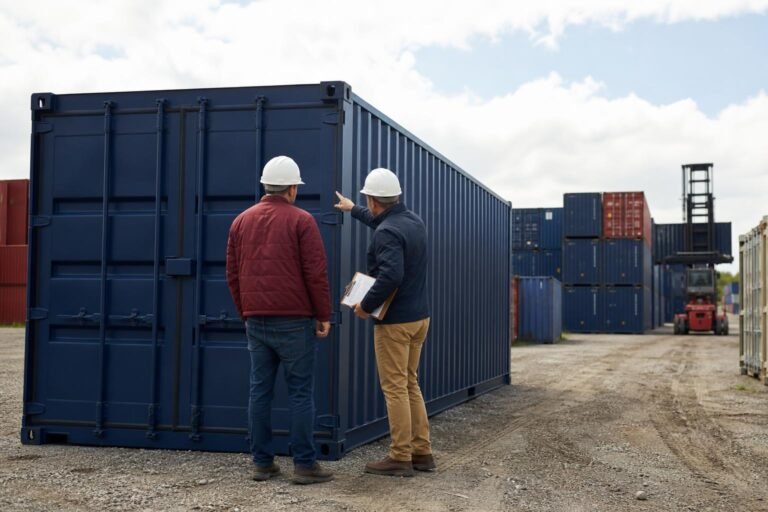
This layout benefits from clear boundaries. Fencing, gates, lighting, and a defined path from the house are especially important where the pool is set farther from the main residence. Before delivery, confirm the driveway width, overhead branches, utility lines, turning area, and ground conditions for a loaded truck.
7. The clean-lined courtyard pool
A courtyard design uses the container’s rectangular shape as an architectural advantage. The pool can sit between a privacy wall and a deck, with simple pavers and restrained planting. This is a strong option for modern homes, accessory dwelling units, and compact properties where every square foot needs a purpose.
Because this setting is visually tight, the condition of the container matters. A used Wind & Watertight container may be appropriate for a heavily clad build, but a one-trip container generally offers a cleaner exterior starting point for a finish where corrugation remains visible. Either way, container condition should be verified before fabrication begins. Clear grading helps avoid paying for cosmetic repairs that were not in the plan.
8. The deck-integrated container pool
A deck-integrated design hides much of the container behind composite decking, wood, or masonry. The pool appears built into the outdoor living area, while the deck can provide a flush transition at the waterline. This is often the best choice for homeowners who want the dimensional efficiency of a container without an industrial appearance.
The deck must still allow inspection and maintenance. Plan removable panels or access doors for plumbing connections, filtration equipment, and the exterior shell. A beautiful deck that blocks a leak repair is not a finished solution.
Start With the Constraints, Not the Finish Options
A container is not automatically a pool simply because it holds a rectangular shape. Once filled, the water load is substantial, and cutting openings for windows, doors, skimmers, or stairs can weaken the original structure. The project should be designed by qualified professionals who understand both container modification and pool construction requirements.
Local permits and safety rules also vary. Depending on the jurisdiction, requirements may address barriers, self-closing gates, alarms, electrical bonding, drainage, setbacks, and inspections. In the Raleigh and Research Triangle area, lot conditions and municipal requirements can differ significantly between properties, so verify the applicable rules before ordering a unit or scheduling delivery.
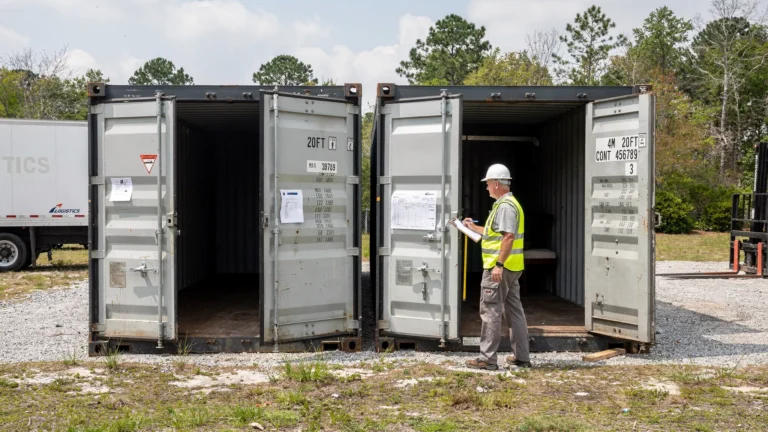
For the container itself, start with verified specifications. A 20-foot container is easier to deliver and place, while a 40-foot container creates more swim length but raises access demands. A one-trip unit can reduce exterior repair work for exposed designs. A used Wind & Watertight unit may be a sensible starting shell where the exterior will be fully modified or concealed, provided its condition is evaluated for the intended fabrication plan.
The most successful backyard container pool does not rely on novelty. It matches the available space, has a realistic delivery plan, protects against water and soil exposure, and leaves room to maintain every system after the deck boards and landscaping are complete.