Cost of Used Shipping Container Units in 2026
Used shipping containers remain one of the most practical storage and transport assets you can buy in 2026. For contractors in Raleigh, farm owners in rural North Carolina, logistics managers shipping freight, and small businesses expanding inventory space, the value is simple: a steel, lockable, weather-resistant structure that can be delivered directly to your property.
But the cost of used shipping container units is not a single number. A 20ft Wind & Watertight storage unit in Raleigh will not price the same as a 40ft High Cube Cargo Worthy unit prepared for export, and a refrigerated container is in a separate category altogether. The right budget depends on size, grade, availability, delivery distance, site access, and how the container will be used.
This guide explains realistic 2026 cost ranges, how container grades affect price, and what buyers in Raleigh, the Southeast, and across the U.S. should review before committing to a unit.
Used shipping container cost ranges in 2026
The ranges below are planning estimates for common U.S. retail purchases in 2026. They are useful for budgeting, but they are not a substitute for a written quote that includes grade, delivery location, offloading method, and any requested modifications.
| Used container type | Common 2026 planning range | Typical use case |
|---|---|---|
| 20ft WWT standard container | $1,800-$3,200 | Residential storage, tools, seasonal inventory |
| 20ft Cargo Worthy container | $2,400-$4,500 | Export shipping, higher-condition jobsite storage |
| 40ft WWT standard container | $2,400-$4,200 | Construction materials, farm storage, business overflow |
| 40ft High Cube WWT container | $2,800-$4,800 | Bulky equipment, palletized goods, taller storage needs |
| 40ft Cargo Worthy or High Cube CW container | $3,200-$5,500+ | Intermodal freight, long-term commercial use |
| Used refrigerated container | $7,000-$18,000+ | Cold storage, food, pharma, agriculture, events |
In most cases, these ranges do not include every project cost. Delivery, permits, site preparation, lock boxes, vents, shelving, ramps, insulation, electrical work, and other modifications can change the final total.
For buyers focused specifically on compact storage, Lease Lane Containers has a deeper guide to used 20ft shipping container price benchmarks that explains why that size is so popular for homes, farms, and smaller jobsites.
What “used” actually means in the container market
A used container is a unit that has spent time in shipping service before entering the resale market. Most are built from Corten Steel, a weathering steel designed to form a protective oxide layer when exposed to the elements. That is why surface rust is common and not automatically a red flag. The question is whether corrosion is cosmetic or structural.
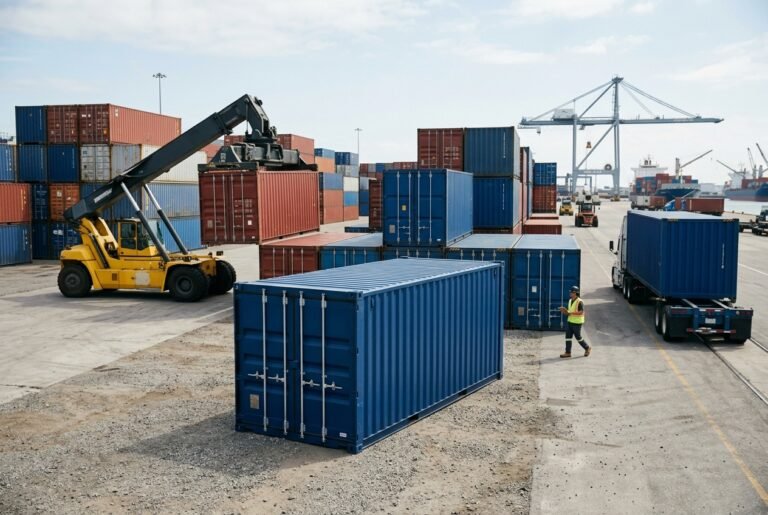
Used containers are also generally built to ISO standards, which means their dimensions, corner castings, and structural framework are designed for intermodal transport. This matters for logistics buyers, but it also matters for storage buyers because ISO construction is a major reason containers are so durable.
The biggest pricing differences come from grade.
| Grade | What it means | Cost impact | Best fit |
|---|---|---|---|
| One-Trip | A newer unit that has usually made one ocean trip from the factory | Highest cost among standard dry containers | Customer-facing projects, modifications, long-term premium storage |
| Cargo Worthy | Used but structurally suitable for cargo transport, often eligible for survey and shipping use | Higher than WWT | Export, logistics, commercial buyers needing stronger assurance |
| Wind & Watertight (WWT) | Used container with no active leaks, suitable for ground storage but not certified for ocean cargo | Lower than Cargo Worthy | Contractors, homeowners, farms, local business storage |
| As-Is | Sold with known or unknown defects, often no leak guarantee | Lowest upfront cost | Buyers prepared to repair or accept risk |
A common mistake is assuming “used” always means “cheap.” A well-kept Cargo Worthy 40ft High Cube can cost more than a rough 20ft WWT unit because it offers more cubic capacity, better structural confidence, and broader use cases.
The biggest factors that change your final price
The unit price is only one part of the purchase. If two sellers quote different numbers, the difference may be condition, delivery method, grading standards, or what is included in the quote.
Size and height
A 20ft container is easier to place on residential lots and tighter jobsites. It is often the most practical choice for homeowners, small contractors, and farms that need secure storage but do not have space for a larger footprint.
A 40ft container usually offers a lower cost per square foot of storage, which is why general contractors, distributors, and agricultural operations often choose it for materials and equipment. A 40ft High Cube adds extra interior height, typically about one additional foot compared with a standard-height container, making it valuable for taller items, racking, mobile offices, and future modifications.
Grade and inspection quality
WWT containers are usually the best value for static storage. They should keep out rain and wind, but dents, faded paint, patches, and floor wear are normal. Cargo Worthy units cost more because they must meet a higher structural standard, especially around corner posts, crossmembers, roof bows, doors, and floors.
If you are buying for international freight, do not treat a WWT unit as a substitute for Cargo Worthy. If you are buying for backyard storage in the Raleigh area, paying for Cargo Worthy may be unnecessary unless you want the additional assurance.
Location and availability
Container prices are local, even when the market is national. Raleigh buyers benefit from access to major Southeast logistics corridors, including routes connected to Wilmington, Norfolk, Charleston, and Savannah. Still, inland delivery, fuel costs, driver availability, and depot inventory all influence the final quote.
When supply tightens in a specific region, used units can rise quickly. When import volumes are strong and depots have healthy inventory, buyers may see more options and better grade selection.
Delivery and offloading
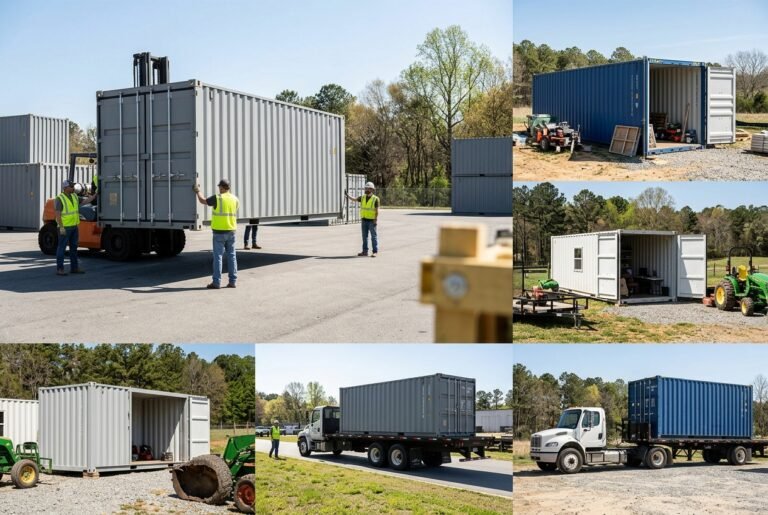
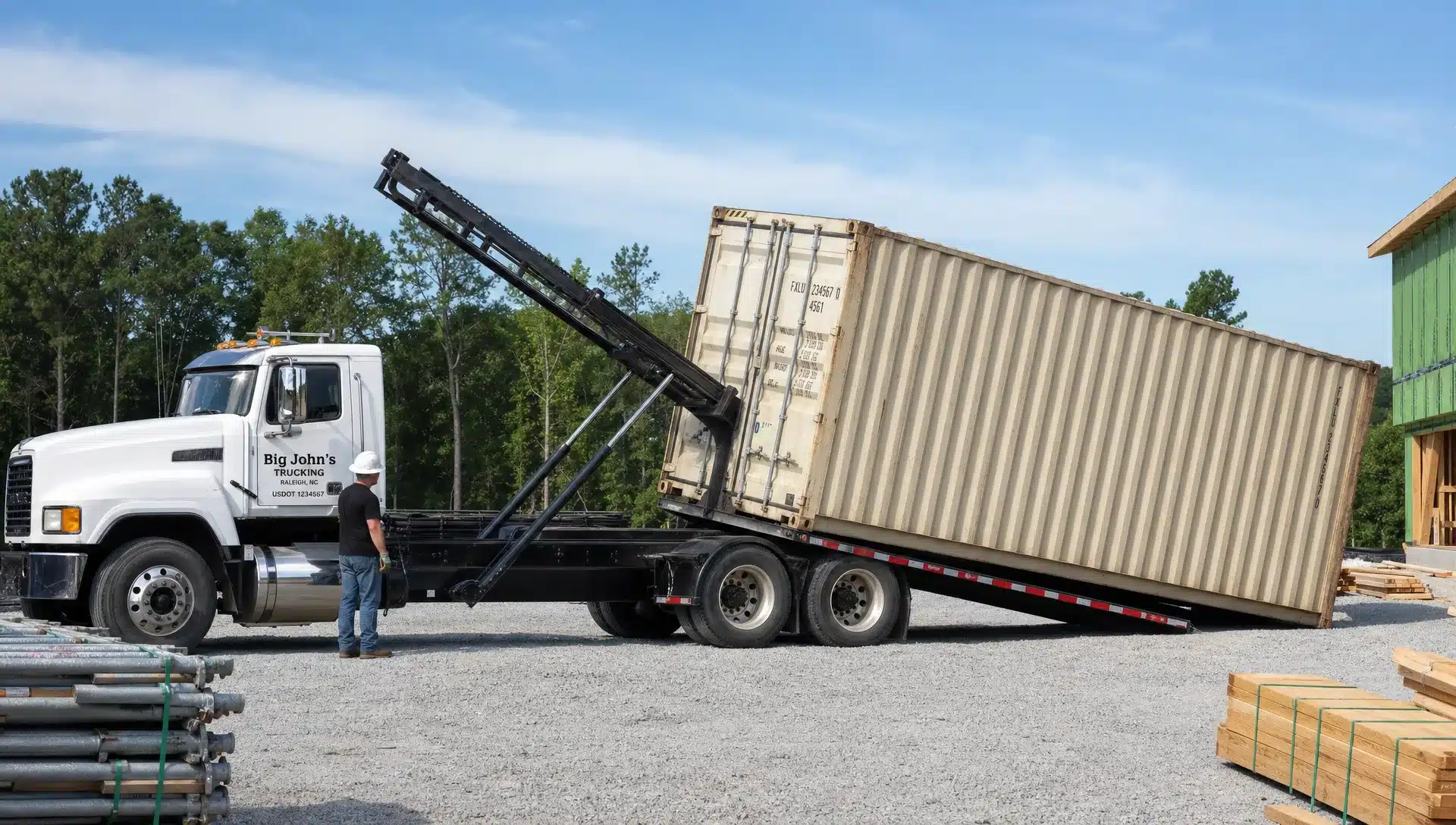
A cheaper container located far away may not be cheaper after delivery. Most residential and jobsite deliveries use a tilt-bed or roll-off style truck, but space and ground conditions matter. Tight driveways, low tree limbs, soft soil, overhead wires, steep grades, and limited turning radius can all affect delivery feasibility.
For a broader look at pricing variables beyond the base unit, Lease Lane Containers explains additional used shipping container cost factors that often appear in real quotes.
Raleigh and Southeast pricing considerations
Raleigh buyers often ask whether it is cheaper to buy from a coastal depot and arrange transportation separately. Sometimes it is, but not always. The delivered cost is what matters, not the advertised container price.
A container listed at a low price near a port can become expensive if it requires long-distance trucking, special offloading, or coordination with a third-party carrier. A local or regional supplier that understands North Carolina delivery conditions may save money by quoting the complete job accurately from the start.
In the Southeast, site conditions also vary widely. A container placed on a compact commercial lot in Raleigh is very different from a delivery to a farm road after heavy rain, a wooded residential parcel, or an active development site with limited access. Good sellers will ask about the drop location before confirming the delivery plan.
How to compare used container quotes fairly
When evaluating quotes, do not compare only the advertised unit cost. Compare the full scope. A transparent seller should be able to explain grade, dimensions, condition expectations, delivery assumptions, and any exclusions.
Use this framework when reviewing offers:
- Confirm whether the unit is WWT, Cargo Worthy, One-Trip, or As-Is.
- Ask whether delivery is included or quoted separately.
- Verify whether the container is standard height or High Cube.
- Request recent photos when possible, especially of doors, roof, floor, and side panels.
- Ask about lock box availability if theft prevention is important.
- Confirm whether the delivery truck needs a straight-line approach for placement.
- Check whether local permits, HOA rules, or temporary storage restrictions apply.
A very low quote may still be legitimate, but it should come with clear expectations. If the seller cannot explain the grade or avoids discussing delivery access, that is a warning sign.
Pro-Tip: Prepare the site before delivery day
A shipping container is strong, but it still needs a stable base. Poor site preparation can make doors hard to open, create standing water, and cause the unit to settle unevenly over time.
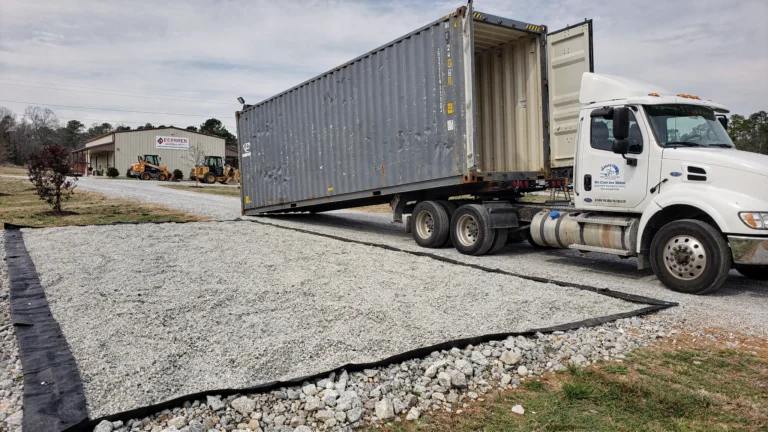
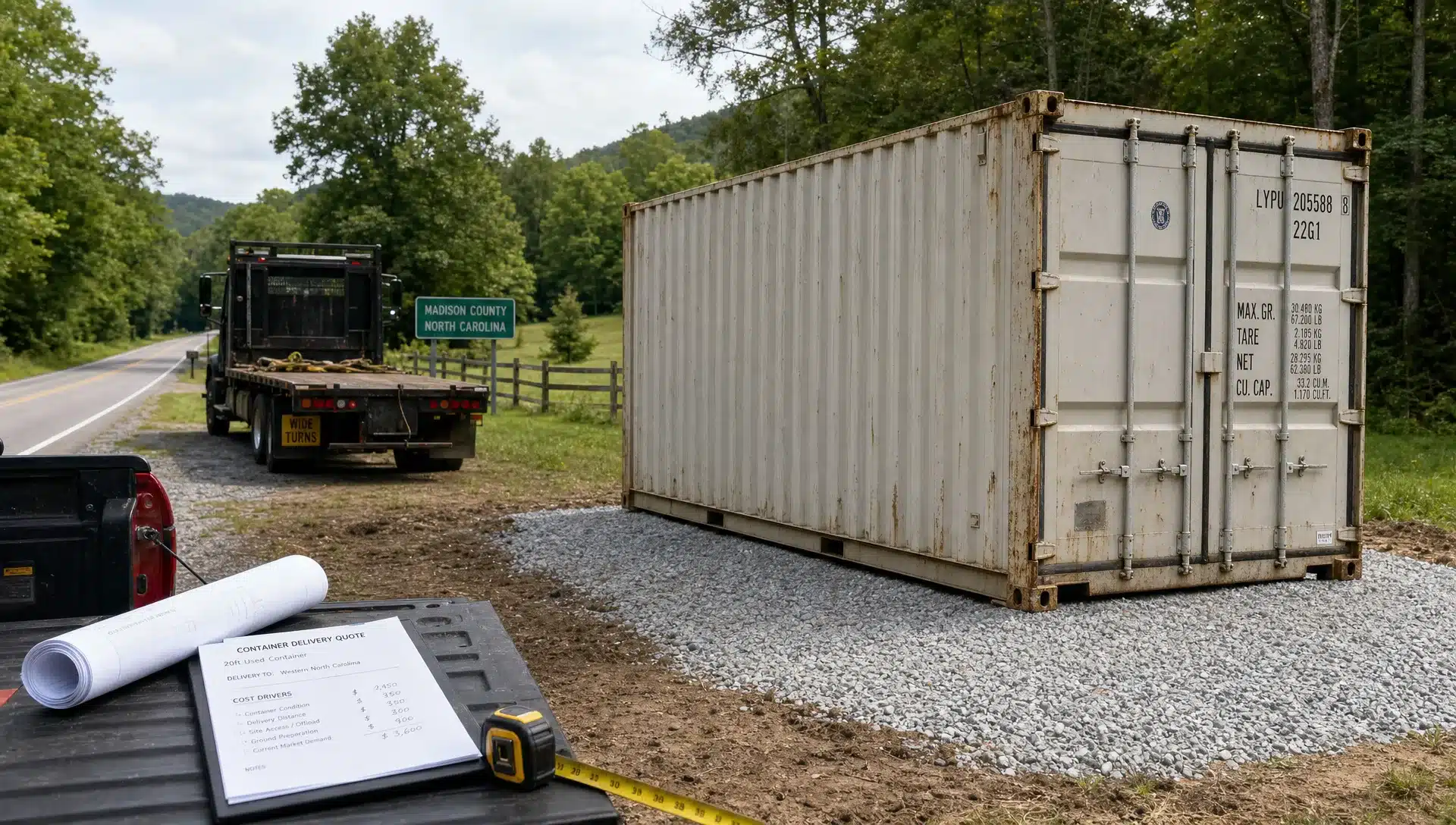
For most storage applications in Raleigh and across North Carolina, a level gravel pad is one of the most practical foundations. Gravel helps with drainage, reduces mud, and provides a firmer surface for the delivery truck. Concrete piers, railroad ties, or pressure-treated timbers may also be used depending on the site and duration, but the key is supporting the container evenly at the corners and along the frame.
Before delivery, measure the approach path and drop zone. A tilt-bed truck needs more room than the container length because it must pull forward as the unit slides into place. For a 40ft container, plan for substantial straight-line clearance. Also look up, not just down. Tree limbs, power lines, roof overhangs, and gates can delay or prevent delivery.
Permits are another important step. Requirements can vary by municipality, zoning district, property type, and intended use. In Raleigh, Wake County, and surrounding communities, check local rules before placing a container long term, especially for commercial, residential, or modified uses. If the container will become a mobile office, workshop, retail space, or modular structure, code requirements may be more involved than simple storage.
When buying used makes the most financial sense
Used containers are often the best value when the priority is secure, practical space rather than perfect appearance. A general contractor storing tools and lumber on a jobsite usually needs strength, lockability, and weather resistance, not pristine paint. A homeowner storing mowers, holiday decorations, or renovation materials may get excellent value from a 20ft WWT unit.
Small business owners often use used containers for overflow inventory, seasonal stock, event supplies, and temporary warehouse space. Agricultural buyers use them for feed, equipment, fencing, and supplies. In each case, the cost of a used container can be significantly lower than building permanent storage, especially when speed and flexibility matter.
Buying used may be less ideal when appearance is critical, when extensive modifications are planned, or when the unit will be part of a customer-facing structure. In those cases, a One-Trip container may provide cleaner walls, better paint, fewer dents, and a stronger starting point for fabrication.
If your need is temporary, compare the total cost of ownership before buying. For short projects, seasonal needs, or uncertain timelines, Lease Lane Containers’ guide to shipping container rental cost vs buying can help you decide which option is more economical.
Sample buyer scenarios for 2026
The right budget depends on the job. Here is how different buyers often think about value.
| Buyer | Likely container choice | Cost priority | Grade recommendation |
|---|---|---|---|
| Raleigh homeowner | 20ft standard container | Compact footprint and affordability | WWT for storage |
| General contractor | 40ft standard or High Cube | Maximum secure storage per dollar | WWT or Cargo Worthy depending on site demands |
| Small retailer | 20ft or 40ft container | Inventory overflow or pop-up potential | WWT for storage, One-Trip for customer-facing use |
| Logistics manager | 20ft or 40ft unit | Transport eligibility and structural assurance | Cargo Worthy |
| Farm or agricultural property | 20ft or 40ft container | Durable outdoor storage | WWT, with site drainage prioritized |
| Cold storage user | Used reefer | Temperature control and electrical readiness | Inspected refrigerated unit |
These scenarios show why there is no universal “best” used container. The best value is the lowest total cost for the right grade, delivered safely to the right location.
Inspection checklist before purchasing a used container
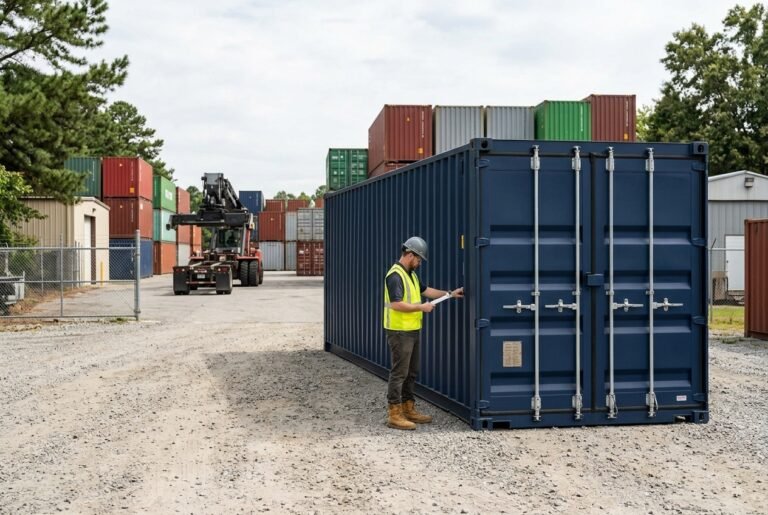
A reputable seller should be transparent about condition, but buyers should still understand what matters. Used containers can have dents, patches, surface rust, and cosmetic wear while still being excellent storage units.
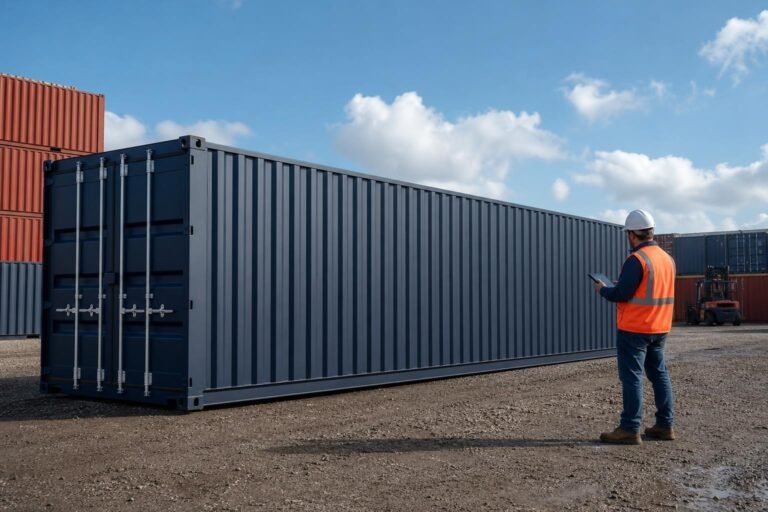
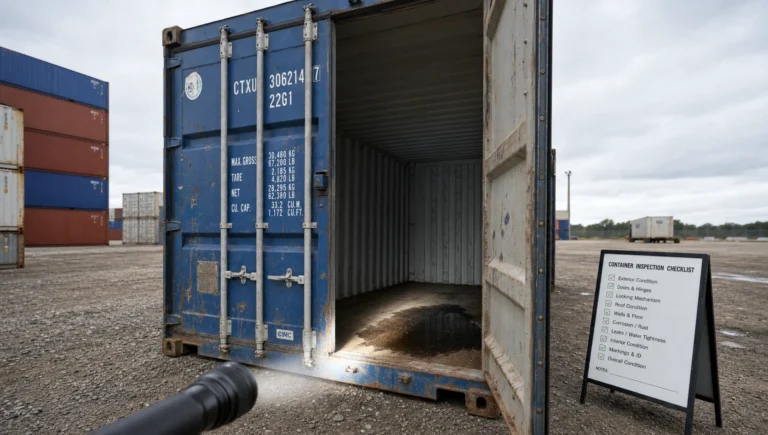
Focus on the areas that affect performance. Doors should open and close properly, and the locking bars should operate without excessive force. Rubber gaskets should be intact enough to help keep out rain. The roof should not show deep dents that collect water. Floors should be checked for soft spots, holes, chemical odors, or major delamination. Corner castings and structural rails matter most for Cargo Worthy units because they affect transport and stacking integrity.
Surface rust on Corten Steel is common, especially on older containers. Heavy scaling, holes, deep corrosion around the lower rails, or daylight visible through the roof or walls are more serious concerns. For storage buyers, the simplest test is whether the container is wind and watertight. For cargo buyers, the standard is higher and may require a survey.
Frequently Asked Questions
What is the average cost of a used shipping container in 2026? Most standard used dry containers commonly fall between about $1,800 and $5,500 before special modifications, depending on size, grade, height, condition, and delivery. Refrigerated containers cost more because they include mechanical systems.
Is a 20ft or 40ft used container cheaper? A 20ft container usually has a lower purchase price, but a 40ft container often provides a lower cost per square foot. If you have enough space and need more storage, a 40ft unit may offer better long-term value.
What is the difference between WWT and Cargo Worthy? WWT means Wind & Watertight and is typically suitable for ground-level storage. Cargo Worthy means the container is structurally suitable for freight transport, subject to applicable inspection or survey requirements.
Are One-Trip containers considered used? One-Trip containers have usually made one ocean trip and are often sold as new or near-new units. They cost more than typical used WWT or Cargo Worthy units but provide cleaner condition and a better starting point for modifications.
Does delivery change the cost of a used shipping container? Yes. Delivery distance, fuel, truck type, site access, offloading requirements, and local conditions can significantly affect the final price. Always compare delivered quotes, not just advertised unit prices.
Do I need a permit for a shipping container in Raleigh? Permit requirements depend on location, zoning, duration, and use. A temporary jobsite storage container may be treated differently from a long-term residential unit or a modified office. Check with the City of Raleigh, Wake County, your municipality, or your HOA before delivery.
Get a clear used container quote in 2026
The best way to control the cost of a used shipping container is to match the grade to the job, confirm delivery requirements early, and work with a supplier that explains the quote clearly. Lease Lane Containers LLC helps buyers in Raleigh, across North Carolina, throughout the Southeast, and nationwide compare 20ft, 40ft, High Cube, Cargo Worthy, WWT, One-Trip, and refrigerated options.
For help choosing the right unit, planning your drop spot, or getting transparent pricing, contact the sales team at sales@leaselanecontainers.com or visit the Raleigh office to speak with a local container expert.