Used Shipping Container Prices by Size and Grade
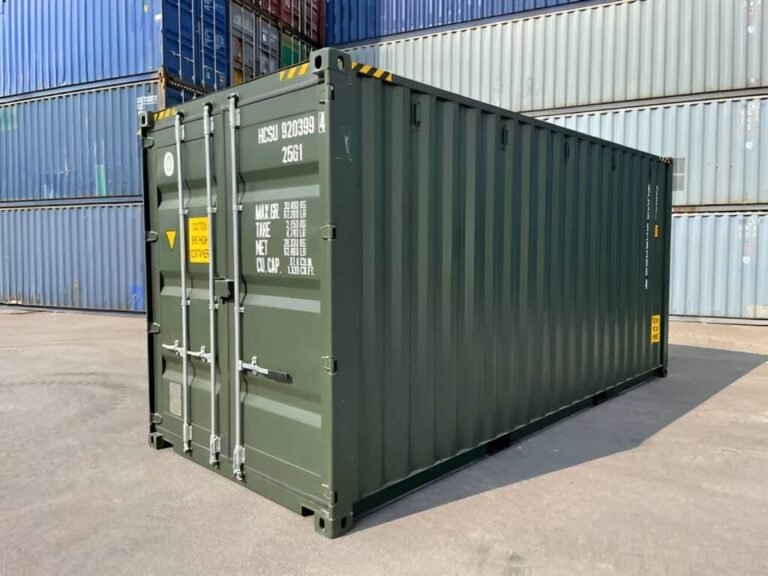
Used shipping container prices can look confusing because two containers with the same length can be priced very differently. A 40ft Wind & Watertight unit used for jobsite storage is not the same purchase as a 40ft Cargo Worthy unit intended for export, and neither should be compared directly to a clean one-trip High Cube container.
For buyers in Raleigh, across North Carolina, and throughout the Southeast, the smartest way to evaluate price is to compare three factors together: size, grade, and delivery. Size determines capacity. Grade determines condition and remaining service life. Delivery determines the total landed cost at your property.
Below is a practical 2026 pricing guide for common used shipping container sizes and grades, with clear notes on when it makes sense to pay more and when a lower grade may be enough.
Quick reference: used shipping container prices by size and grade
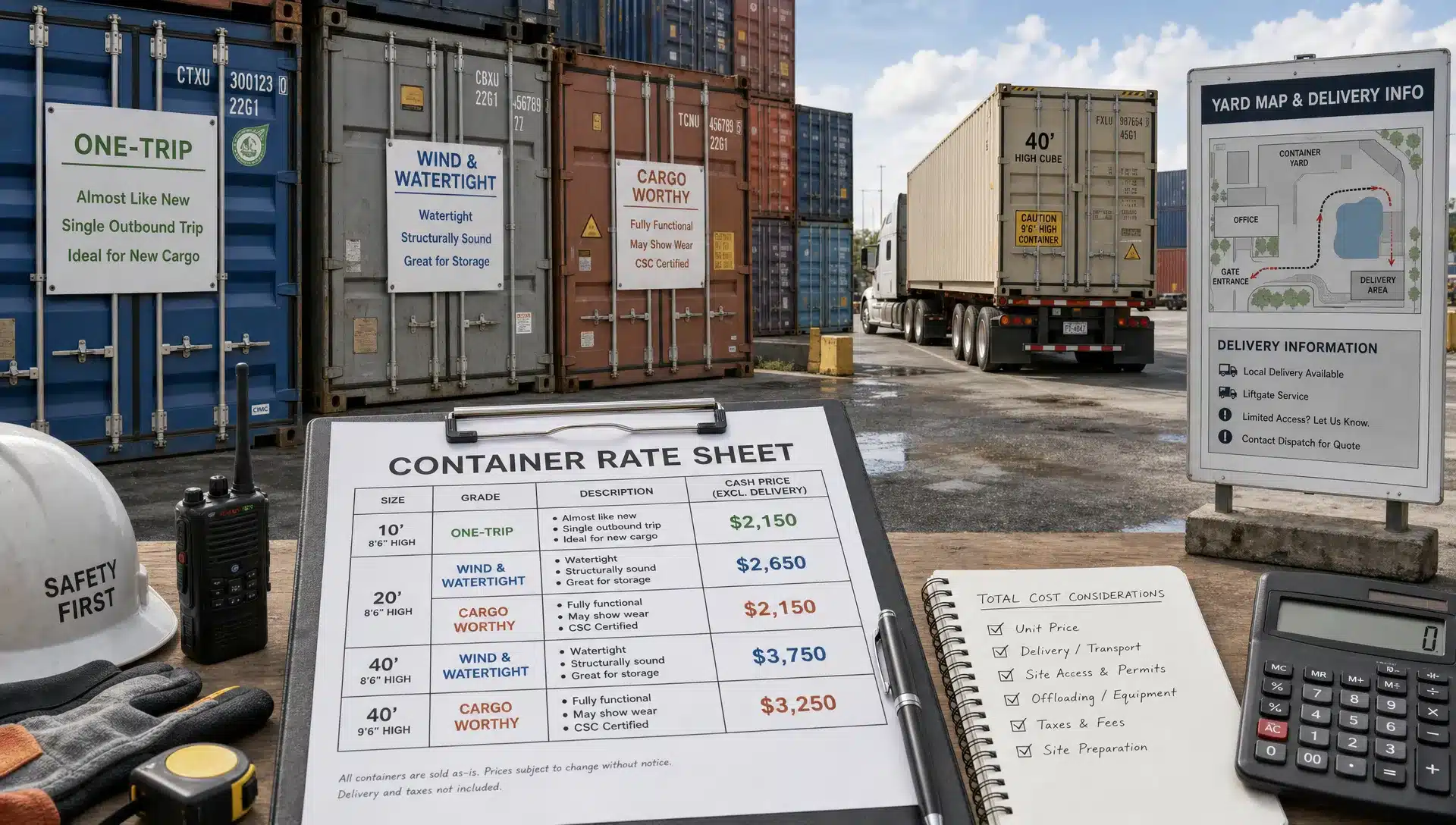
The ranges below are general U.S. retail estimates for container-only pricing before delivery, taxes, site work, permits, or modifications. Actual pricing changes with inventory, fuel, port supply, steel markets, and distance from the depot. In the Raleigh market, delivery distance and access conditions can make a meaningful difference in your final quote.
| Container size and type | Wind & Watertight used | Cargo Worthy used | One-trip or near-new comparison |
|---|---|---|---|
| 20ft standard container | $1,800 to $3,200 | $2,300 to $3,900 | $3,500 to $5,800 |
| 40ft standard container | $2,400 to $4,300 | $3,000 to $5,200 | $5,000 to $7,800 |
| 40ft High Cube container | $2,800 to $4,900 | $3,500 to $5,900 | $5,800 to $8,800 |
| 20ft High Cube container | Less common, quote-based | Less common, quote-based | Often quote-based |
| 20ft or 40ft As-Is container | Usually below WWT | Not applicable | Not applicable |
These ranges are meant to help you budget, not replace a current quote. A clean WWT unit with good doors, solid floors, and minimal rust can sit near the top of its range, while a rougher unit may be lower. A Cargo Worthy unit with valid inspection documentation will typically cost more than a basic storage-grade container.
If you want a broader explanation of the market forces behind price movement, Lease Lane Containers also breaks down what drives used shipping container cost in more detail.
Why size affects used shipping container prices
Shipping containers are standardized to ISO dimensions, which is one reason they are so useful for storage, transport, and modular projects. Most units are built with Corten Steel, a weathering steel designed to resist corrosion in harsh marine environments. Even so, size, height, and availability play a major role in price.
20ft containers
A 20ft container is often the right fit for homeowners, farms, small businesses, and general contractors who need secure storage without taking up too much space. It is easier to place in tighter driveways, smaller lots, and active job sites around Raleigh where access may be limited.
The surprise for many buyers is that a 20ft unit is not usually half the price of a 40ft unit. Handling, trucking, depot costs, and demand all affect the price. In many markets, 20ft units are in strong demand because they are easier to place and move, so the cost per square foot is higher than a 40ft.
A 20ft WWT container is often the best value for basic dry storage. A 20ft Cargo Worthy container makes sense if the unit may be loaded for transport or exported. A 20ft one-trip container is the premium choice when appearance, long service life, and minimal prior wear matter.
40ft standard containers
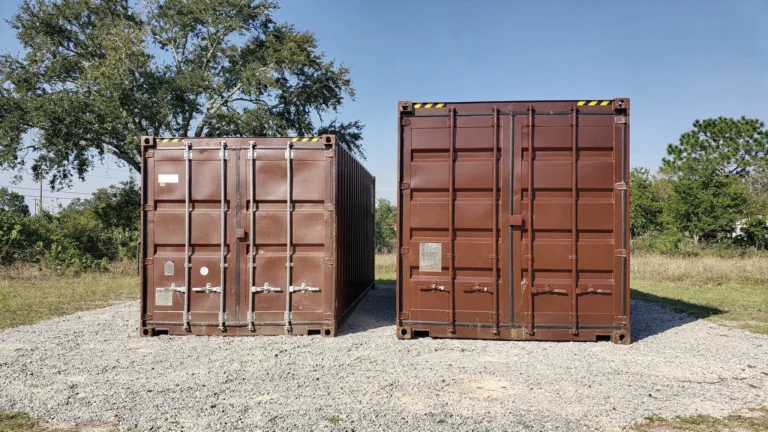
A 40ft standard container offers more storage capacity for the money. For contractors storing lumber, equipment, scaffolding, seasonal inventory, or bulky materials, a 40ft unit usually provides a lower cost per square foot than a 20ft.
The tradeoff is space. A 40ft container requires a longer drop zone, more truck maneuvering room, and a site that can support the delivery equipment. In rural North Carolina, agricultural settings, and larger commercial lots, that is often manageable. In dense urban areas or compact residential lots, it may not be.
40ft High Cube containers
A 40ft High Cube container is 9ft 6in tall on the exterior, compared with 8ft 6in for a standard-height container. That extra foot of height is valuable for palletized inventory, construction materials, taller equipment, workshop conversions, mobile offices, and modular projects.
Because High Cube containers are popular and more versatile, they usually command a premium over standard-height units. In many cases, the added interior height is worth the extra cost, especially when you plan to add insulation, interior framing, shelving, lighting, or HVAC later.
How grade changes the price
Grade is the biggest reason two containers of the same size can be priced thousands of dollars apart. A grade is not just a label. It is a shorthand for structural condition, weather resistance, cosmetic wear, and suitability for storage or transport.
For a deeper technical breakdown, review Lease Lane Containers' used shipping container grades guide before comparing quotes.
| Grade | What it means | Typical price position | Best fit |
|---|---|---|---|
| One-trip | A newer unit that has typically made one cargo trip and has minimal wear | Highest | Clean storage, retail, office, modifications, long-term ownership |
| Cargo Worthy | Structurally suitable for cargo transport when properly inspected and documented | Upper used range | Export, logistics, heavy-duty storage, buyers needing structural confidence |
| Wind & Watertight | Keeps out wind and water, but is not certified for ocean cargo | Best value for many storage buyers | Jobsite storage, home storage, farms, inventory overflow |
| As-Is | Sold with no strong condition guarantee and may need repair | Lowest | Parts, repair projects, non-critical uses |
One-trip containers
A one-trip container is technically not a typical used unit in the same sense as older storage containers, but buyers often compare it when deciding whether to spend more upfront. These containers are usually built overseas, loaded once, shipped to the U.S., and sold after arrival.
They are commonly the cleanest option, with better paint, tighter door seals, fewer dents, and less floor wear. If you are building a customer-facing retail pop-up, mobile office, or long-term modular project, the higher price can be justified because the starting condition is much better.
Cargo Worthy containers
Cargo Worthy, often shortened to CW, means the unit is suitable for cargo transport when it passes the required inspection criteria. These containers should have sound corner castings, side rails, crossmembers, doors, floors, and roof structure. They are usually still marked and built to ISO standards.
CW containers are popular with logistics managers, exporters, and buyers who may need the unit to move loaded cargo rather than simply sit on a property. You pay more because you are buying structural confidence, not just storage capacity.
Wind & Watertight containers
Wind & Watertight, often shortened to WWT, is the sweet spot for many buyers. A WWT container should keep out rain and wind under normal conditions, making it useful for tools, equipment, household goods, farm supplies, and overflow inventory.
It may have dents, faded paint, surface rust, old decals, patches, or cosmetic wear. Those issues do not necessarily reduce its storage value. For general contractors in Raleigh and the wider Southeast, a WWT unit can be the most practical balance between security, durability, and price.
As-Is containers
As-Is containers are priced lower for a reason. They may have holes, weak floors, door problems, heavy corrosion, or structural issues. They can work for repair projects or non-critical uses, but they are risky if you need dry, secure storage on day one.
If a price is far below market, ask exactly what is wrong with the unit. A cheap container that needs door repairs, roof patching, floor replacement, and extra hauling can quickly become more expensive than buying the right grade from the start.
Typical price differences by buyer use case
The best grade depends on how the container will be used. A homeowner storing lawn equipment does not need the same grade as a logistics manager shipping freight overseas. A developer planning a modular build may care more about cosmetics and remaining life than a contractor who needs rugged jobsite storage.
| Use case | Recommended grade | Why it fits |
|---|---|---|
| Construction site storage | WWT or CW | WWT is usually enough for tools and materials, while CW adds structural confidence for demanding use |
| Home or farm storage | WWT | Strong value for dry storage when the doors, seals, roof, and floor are in good condition |
| International shipping | CW | Cargo movement requires a unit suitable for transport and proper inspection documentation |
| Retail pop-up or mobile office | One-trip or high-quality CW | Cleaner appearance and better starting condition reduce prep work |
| Modular construction | One-trip, CW, or selected WWT | The right choice depends on engineering, modifications, and visible condition |
| Cold storage | Used reefer with inspection | Refrigerated containers depend on machinery condition, insulation, and electrical requirements |
Refrigerated containers, also called reefers, follow a different pricing pattern. A used 20ft reefer or 40ft reefer can cost significantly more than a dry storage container because the refrigeration unit, insulation, controller, and operating condition all matter. Running units commonly require a pre-trip inspection, known as a PTI, and proper power access at the site.
What changes the final price in Raleigh and the Southeast
The container price is only one part of the total cost. For buyers in Raleigh, Durham, Cary, Greensboro, Fayetteville, Wilmington, and surrounding North Carolina markets, delivery logistics can be a major part of the final number.
Several variables can move the quote up or down:
- Distance from the nearest available depot or yard
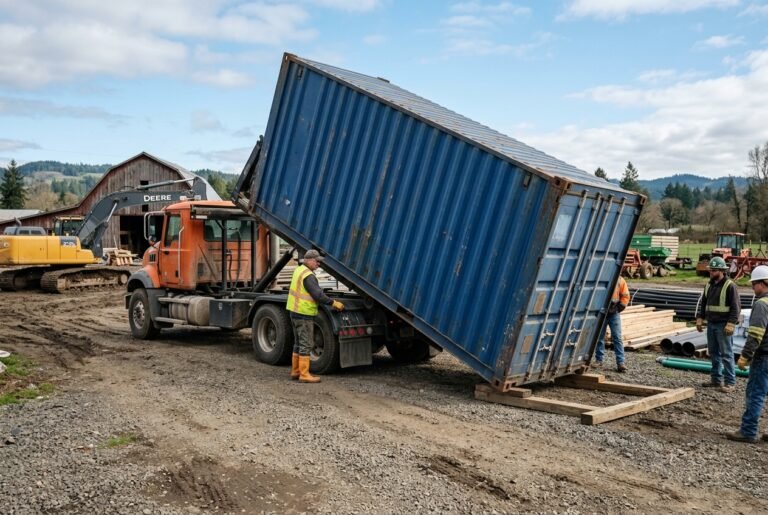
- Whether a tilt-bed, roll-off, crane, or other equipment is needed
- Fuel costs and truck availability
- Space for the driver to enter, turn, and safely unload
- Container availability by size and grade at the time of purchase
- Whether the order includes modifications, lock boxes, vents, paint, or shelving
The Southeast has access to major port and rail networks, including Charleston, Savannah, Wilmington, and Norfolk, but inland trucking still matters. A container that looks inexpensive at a distant depot may not be the best value once delivery to central North Carolina is included.
This is why serious quotes should show both the container condition and delivery details. A transparent seller should help you understand what is included, what is not included, and what site conditions could affect the delivery.
Pro-Tip: prepare the site before you lock in the price
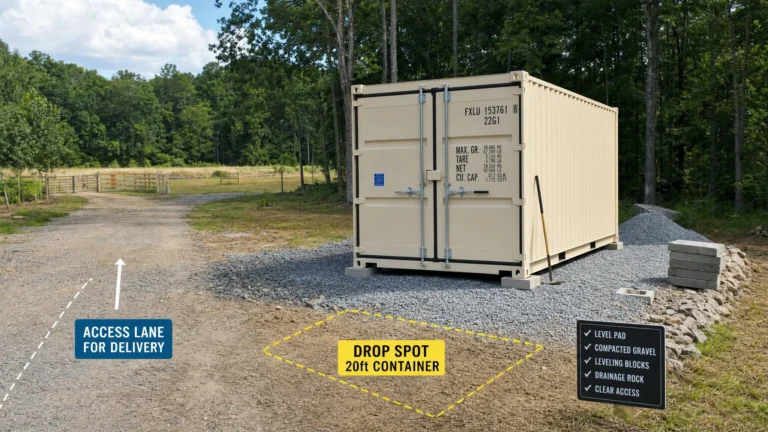
A good price can turn into a bad experience if the delivery site is not ready. Before scheduling a container delivery in Raleigh or anywhere in the Southeast, confirm that the ground is level, stable, and accessible.
For most storage uses, a compacted gravel pad is a strong choice because it improves drainage and helps keep the container from sitting in standing water. Concrete pads can also work well. At minimum, many buyers use railroad ties, pressure-treated timbers, or concrete blocks at the corners to keep the Corten Steel frame elevated and level.
Leave enough straight-line clearance for the delivery truck. A 40ft container delivered by tilt-bed may require significantly more than 40ft of open space because the truck must pull forward as the container slides off. Also check overhead obstructions such as tree limbs, power lines, carports, and low building edges.
Permits are another important step. Rules can vary by city, county, zoning district, HOA, and intended use. A temporary storage unit on a construction site may be treated differently from a long-term container placed beside a home or used as part of a commercial build. In Raleigh and other North Carolina municipalities, check local requirements before delivery, especially if the container will be visible from the street or used for a business purpose.
How to avoid overpaying or buying the wrong grade
The lowest advertised price is not always the best deal. A fair container price should reflect size, grade, current market availability, and delivery. If a seller cannot explain the grade or refuses to discuss condition details, be cautious.
Before buying, ask for clear information about the roof, floors, doors, seals, locking rods, frame, and corrosion. Photos should show all sides when possible, not just the best angle. For Cargo Worthy containers, ask about inspection status and documentation. For WWT containers, ask whether there are known leaks or door issues.
Lease Lane Containers has a practical checklist of what smart buyers check when purchasing used containers if you want to inspect condition more confidently.
It also helps to compare total landed cost instead of container-only cost. A $2,700 WWT container with clear grading, local delivery support, and a prepared drop plan may be a better purchase than a $2,300 container with vague condition, unknown delivery fees, and no site guidance.
What information to provide when requesting a quote
A more accurate quote starts with better details. Before contacting a container supplier, gather the basics so the sales team can match you with the right unit rather than guessing.
Helpful quote details include:
- Your delivery ZIP code and nearest city
- Preferred size, such as 20ft, 40ft standard, or 40ft High Cube
- Intended use, such as storage, shipping, office, retail, farm, or jobsite
- Preferred grade, such as WWT, Cargo Worthy, or one-trip
- Site surface, including gravel, dirt, asphalt, concrete, or grass
- Access notes, including gates, slopes, low wires, tight turns, or limited space
- Any required modifications, including vents, lock boxes, doors, windows, insulation, or electrical planning
If you are unsure about size or grade, explain what you are storing and how long you expect to use the container. A local team familiar with Raleigh and Southeast delivery conditions can help you avoid paying for more grade than you need, or buying too little container for the job.
Frequently Asked Questions
What is the average used shipping container price in 2026? Most standard used dry containers fall roughly between $1,800 and $5,900 before delivery, depending on size and grade. WWT units are usually the most budget-friendly storage option, while Cargo Worthy units cost more because they are suitable for transport when properly inspected.
Is a 20ft container half the price of a 40ft container? Usually not. A 20ft container often costs more per square foot because handling, trucking, depot costs, and local demand do not scale perfectly by length. A 40ft container often provides better value if you have enough room for placement.
Is Wind & Watertight good enough for storage? Yes, WWT is often the best value for dry storage, jobsite tools, farm supplies, and household goods. The key is confirming the doors seal properly, the roof does not leak, and the floor is solid.
When should I pay more for a Cargo Worthy container? Choose Cargo Worthy if the container may be used for loaded transport, export, or a project where structural condition is especially important. CW units cost more because they are held to a higher functional standard than basic storage-grade containers.
Are one-trip containers worth the extra cost? They can be worth it when appearance, cleanliness, remaining service life, or modification quality matters. One-trip units are often preferred for offices, retail pop-ups, customer-facing uses, and long-term projects.
Does delivery change used shipping container prices? Yes. Delivery can significantly change the total cost, especially if the site is far from inventory, requires special equipment, or has difficult access. Always compare delivered pricing rather than container-only pricing.
Get a clear container price for your site
Used shipping container prices make the most sense when size, grade, and delivery are evaluated together. A 20ft WWT unit may be the right answer for compact storage. A 40ft High Cube may be the better value for a contractor or business with more inventory. A Cargo Worthy or one-trip container may be the smarter investment for transport, modifications, or long-term use.
Lease Lane Containers LLC helps buyers in Raleigh, across North Carolina, throughout the Southeast, and nationwide compare clean new and used containers with transparent grading and practical delivery guidance. For current availability and a clear quote, contact the sales team at sales@leaselanecontainers.com or visit the Raleigh office to discuss the best container for your property.