Choosing a Secure Jobsite Storage Container
A missing pallet of copper, a broken lock, or a container door that will not close at the end of a long shift can turn storage into a jobsite problem fast. A secure jobsite storage container should reduce risk, protect expensive tools and materials, and keep crews moving without adding daily headaches.
For most contractors, the basic idea is simple – get a steel container on site and lock it. In practice, the right choice depends on what you are storing, how often crews need access, where the unit will sit, and how much abuse the container will take over time. Security matters, but so do structural condition, door alignment, delivery access, and whether the grade matches the job.
What makes a secure jobsite storage container actually secure?
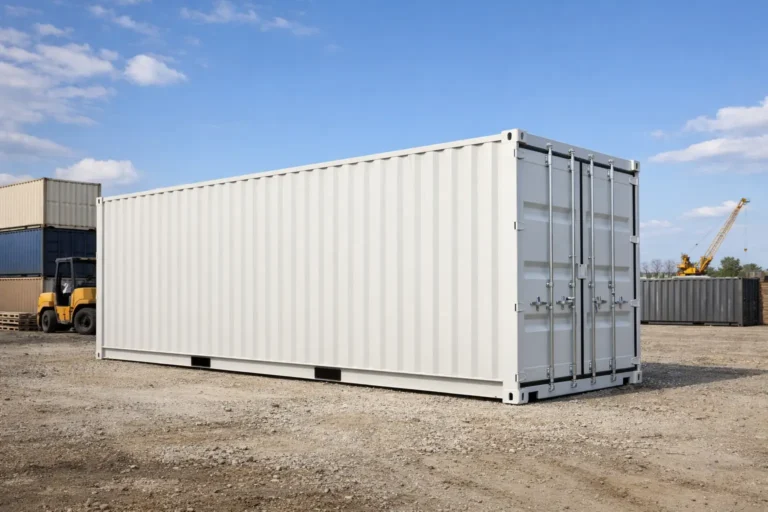
Security starts with the container shell itself. A standard ISO shipping container is built from heavy-gauge Corten steel and designed for stacked transport, which already gives it an advantage over lighter site boxes or temporary sheds. That said, not every container on the market offers the same level of protection.
The first checkpoint is structural integrity. If the side panels are badly compromised, the roof is patched poorly, or the door frame is out of square, the container becomes easier to force and harder to use. On a jobsite, a container that is Wind & Watertight means the roof, walls, doors, and floor are intact enough to keep out normal weather. For valuable inventory, many buyers also prefer a Cargo Worthy or one-trip unit because the overall condition is usually tighter and more consistent.
The second checkpoint is the door system. Container doors need to open fully, close cleanly, and seat against their gaskets. Bent locking bars, seized cam keepers, or misaligned doors create weak points. They also tempt crews to leave a door cracked or unsecured because using it becomes a hassle.
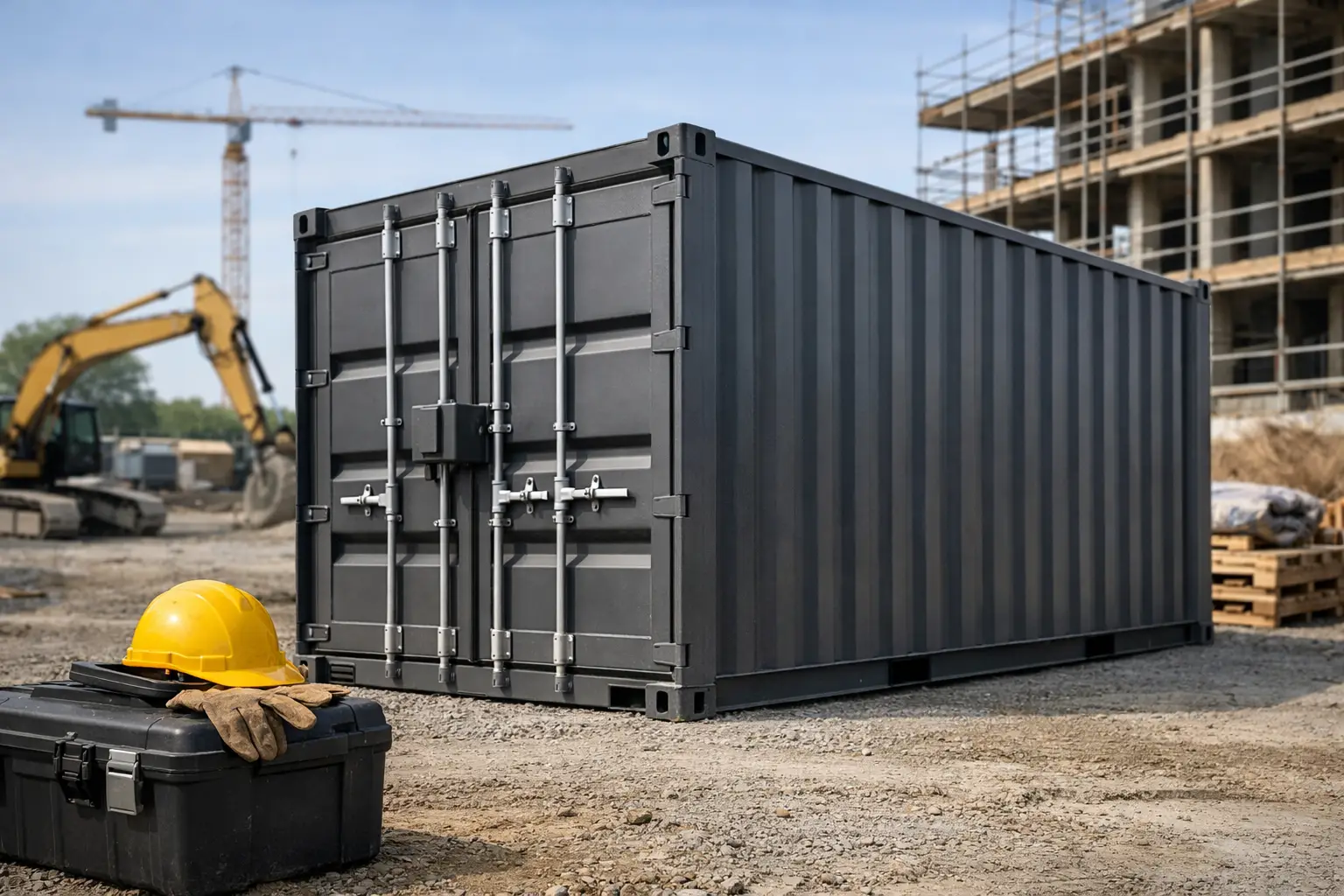
Then there is the lock setup. A factory lockbox, or a properly welded aftermarket lockbox, matters more than many buyers realize. A lockbox shields the padlock from bolt cutters and makes casual theft much harder. Without it, even a solid container can be only as secure as its exposed lock.
Picking the right container grade for the jobsite
This is where a lot of buyers either overspend or accept more risk than they intended. A secure jobsite storage container does not always need to be the newest unit available, but it should match the value of the contents and the duration of the project.
For short-term storage of basic materials, a used WWT container may be the practical choice if the structure is sound and the doors seal correctly. It keeps costs in line while still providing steel security and weather protection.
For higher-value tools, electrical equipment, generators, or long project timelines, a better-condition used container or a one-trip unit is often the smarter buy. The upfront price is higher, but you are usually getting straighter door frames, less corrosion, cleaner floors, and fewer maintenance issues. That can matter when multiple crews need reliable access every day.
Refurbished units can also make sense, especially when appearance matters for a commercial site or customer-facing location. The key is transparency. Refurbished should not mean cosmetic paint over structural problems. Buyers should know whether the container was repaired, repainted, re-floored, or upgraded with added security features.
Size matters more than most buyers expect
A 20-foot container is the standard choice for many jobsites because it balances storage capacity with easier placement. It is large enough for power tools, boxed materials, job consumables, and some small equipment, but compact enough for tighter urban or active construction sites.
A 40-foot container works better when the storage plan includes bulky inventory, palletized materials, or distinct zones for tools and supplies. It can also reduce clutter if one container replaces several smaller storage points. The trade-off is delivery access. A 40-foot unit needs more room for both transport and placement, so site layout has to be checked carefully.
High-cube containers can help if you need extra vertical clearance for shelving, stacked inventory, or taller equipment. That extra foot of height may not sound significant on paper, but it can improve usable storage volume and make interior organization easier.
The wrong size creates two different problems. Too small, and crews start storing materials outside the container or stacking items unsafely inside. Too large, and you may pay more than necessary while complicating delivery and placement.
Security features worth paying for
Not every add-on is necessary, but a few upgrades have clear value on active jobsites.
A lockbox is near the top of the list. It protects the padlock and reduces the chance of a quick forced entry. Heavy-duty puck locks or shrouded padlocks are commonly paired with it.
Interior lighting can also improve security in a practical way. If crews can see what they are doing, they are less likely to leave doors open while searching for tools at dawn or after dark. Shelving and tool racking help for the same reason. Organization reduces the amount of time the container stands open and unattended.
For some sites, personnel doors, roll-up doors, or added vents may be useful, but each modification changes the original shell. That is not automatically a problem, but it should be done correctly so the container remains structurally sound and weather resistant. More openings can mean more convenience, but they can also introduce more security vulnerabilities if the fabrication is poor.
Delivery planning is part of container security
A secure container placed badly is still a problem. If the unit lands in a low area that collects water, near a fence that gives thieves cover, or in a spot where the doors cannot open fully, daily use becomes inefficient and risk increases.
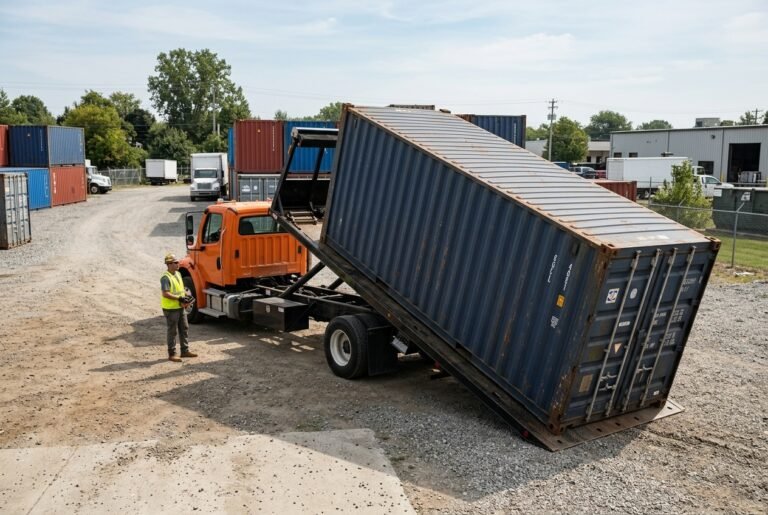
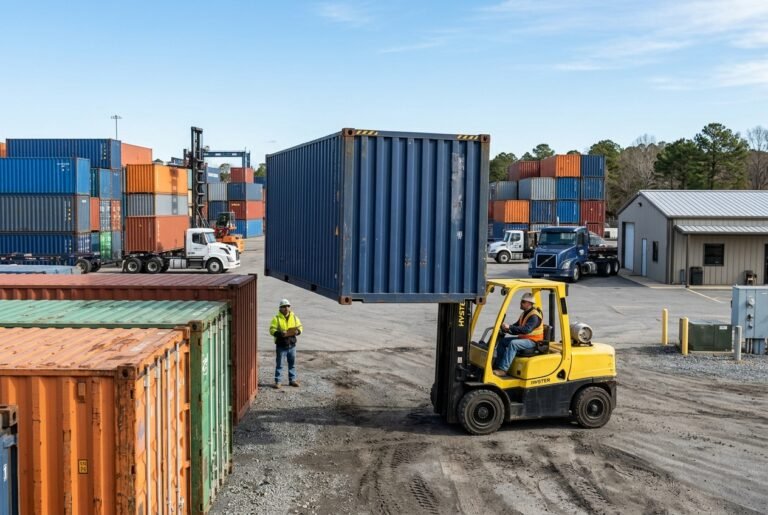
Before delivery, the site should be level, accessible, and firm enough to support the container and truck. Ground-level placement is often preferred for frequent access because crews can step in and out more easily. Tilt-bed delivery works well on many sites, but clearance matters. Overhead wires, soft ground, narrow gates, and turning radius all need to be reviewed ahead of time.
Placement should also support visibility. If possible, position the container where supervisors can see it, where exterior lighting reaches it, and where unauthorized access is harder to hide. The goal is straightforward – make the container easy for your crew to use and difficult for anyone else to approach unnoticed.
Common buying mistakes
The biggest mistake is treating all used containers as equal. They are not. Two containers listed at similar prices can differ significantly in floor condition, door operation, corrosion level, and repair history.
Another common issue is buying based only on the shell and overlooking the delivery plan. A good container cannot solve a site access problem after the truck arrives. Clear delivery details, including drop method and placement requirements, prevent delays and repositioning costs.
Some buyers also focus on theft prevention but forget weather protection. Tools, adhesives, bagged materials, and boxed inventory can be damaged just as easily by roof leaks and poor door seals as by forced entry. Security and weather resistance need to be evaluated together.
Finally, there is the temptation to choose the lowest-priced option without confirming the grade definitions. Terms like WWT, Cargo Worthy, and refurbished should be explained plainly, with verified specifications and no fine print. That kind of clarity is what helps avoid surprises after delivery.
When a container is the right fit and when it is not
For most construction, agricultural, and industrial storage needs, shipping containers make sense because they are durable, mobile, and difficult to breach quickly. They are especially useful when projects move from site to site or when temporary storage needs to become semi-permanent.
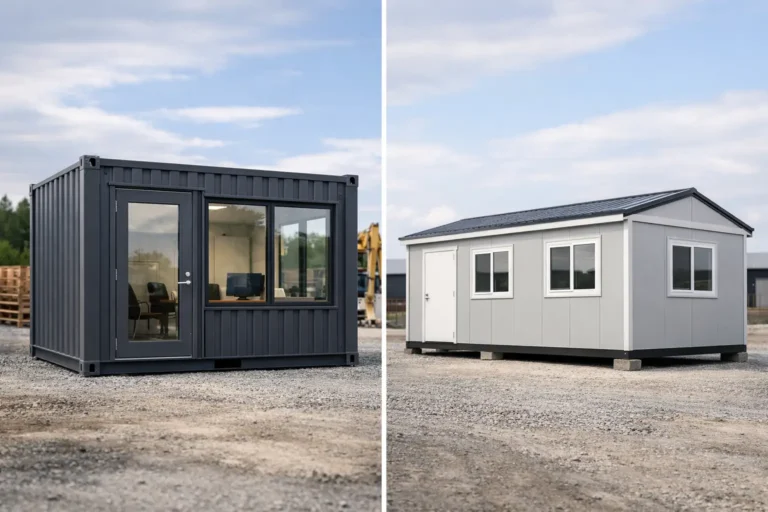
Still, there are cases where it depends. If you need daily walk-in access for large crews, extensive shelving, and constant movement of inventory, a modified container or a mobile office-storage combo may be a better fit than a standard unit. If appearance matters as much as function, a cleaner refurbished or one-trip option may justify the higher cost.
The best purchase is usually the one that matches the job as it really operates, not the one that looks cheapest on a quote sheet. For contractors and property owners who want no surprises, that means confirming container grade, door condition, security features, site prep, and delivery method before the order is placed.
A secure container should do one thing very well: let your team lock up valuable materials at the end of the day and start work again the next morning without wondering what went wrong overnight.