7 Refurbished Shipping Container Benefits That Matter
A container does not need to look factory-new to provide dependable storage or a sound starting point for a build. The most useful refurbished shipping container benefits come from matching a professionally repaired unit to the job, then verifying its condition before delivery. For contractors, farmers, property owners, and retail operators, that can mean a secure, weather-resistant asset without paying the premium for a one-trip container.
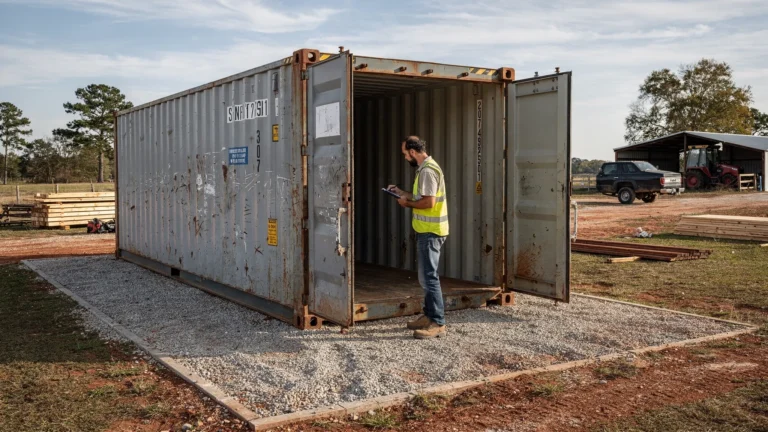
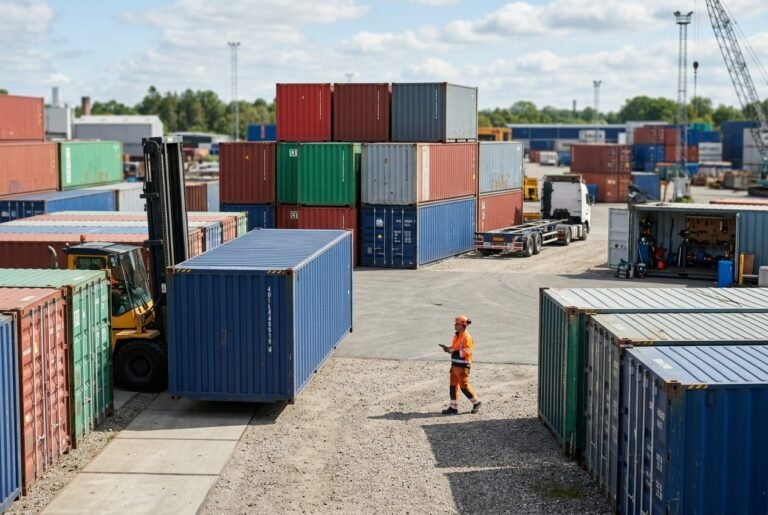
A refurbished container is typically a used ISO shipping container that has been inspected and repaired for continued use. Work may include patching or replacing damaged Corten steel panels, repairing doors and locking gear, treating surface rust, sealing roof leaks, and applying a fresh exterior coating. The exact scope matters. “Refurbished” is not a universal grade, so buyers should ask what repairs were completed and whether the unit is being sold as Wind and Watertight (WWT), Cargo Worthy (CW), or for a specific modified use.
1. Lower Acquisition Cost Without Sacrificing Utility
The clearest advantage is cost control. A refurbished unit often costs less than a one-trip container while offering the practical features most storage buyers need: steel walls, lockable cargo doors, a solid floor, and protection from normal weather exposure.
That value is especially relevant when the container will sit behind a shop, on a farm, or at an active job site. If appearance is not the top priority, a repaired used container can free budget for the items that affect day-to-day use, such as a lockbox, shelving, ventilation, electrical work, or site preparation.
The trade-off is cosmetic consistency. A refurbished container may have welded patches, visible repair history, or minor dents that remain after structural work is complete. Buyers placing a container at a customer-facing retail site or next to a finished home may prefer a cleaner one-trip unit, even if it costs more.
2. Refurbished Shipping Container Benefits for Secure Storage
Shipping containers are built from heavy-gauge Corten steel and designed to withstand demanding marine transport. Once retired from international shipping, that same construction makes them useful for securing tools, equipment, feed, seasonal inventory, and materials that should not be left under a tarp or in an unsecured shed.
Refurbishment can address the weak points that matter most for storage. Door gaskets can be replaced, locking bars adjusted, roof pinholes sealed, and damaged flooring evaluated. A properly functioning set of cargo doors should open and close without excessive force, engage fully, and accept a suitable high-security lock.
For high-value equipment, ask about adding a welded lockbox. It shields the padlock from bolt cutters and makes forced entry more difficult. This is a practical upgrade for construction sites and rural properties, but it should be installed correctly so it does not interfere with door operation or drainage.
3. Extended Service Life Through Targeted Repairs
Used containers are not automatically at the end of their useful life. Many have cosmetic wear from handling, salt air, and road transport but still have a serviceable steel frame and floor. Refurbishment focuses money on the areas that determine whether the container can perform reliably on land.
Roof condition deserves close attention. Small holes and failed seams can allow moisture into the container, damaging stored materials and accelerating corrosion. Floor condition matters just as much, particularly for agricultural supplies, machinery, or heavy pallets. Traditional container floors are often marine-grade plywood over steel cross-members. They should be checked for soft spots, contamination, and damage before purchase.
A fresh coating can improve appearance and provide added protection, but paint alone is not a repair standard. It does not replace proper welding, sealing, or corrosion treatment. Clear grading and repair documentation help separate a genuinely refurbished container from a unit that has simply been repainted.
4. A More Practical Choice for Custom Projects
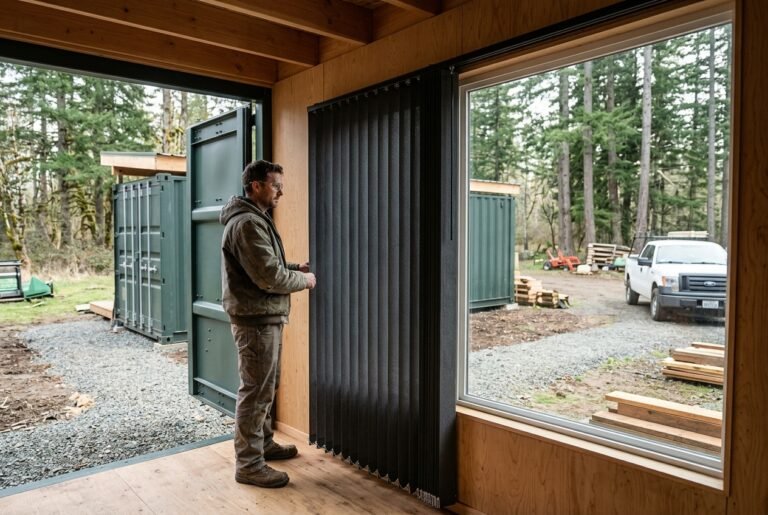
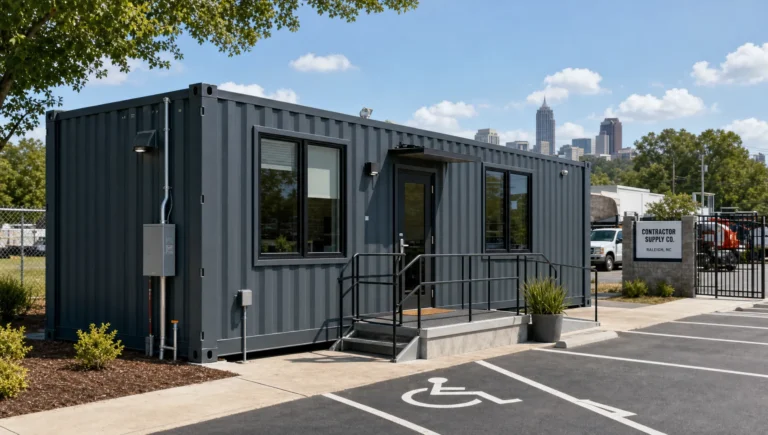
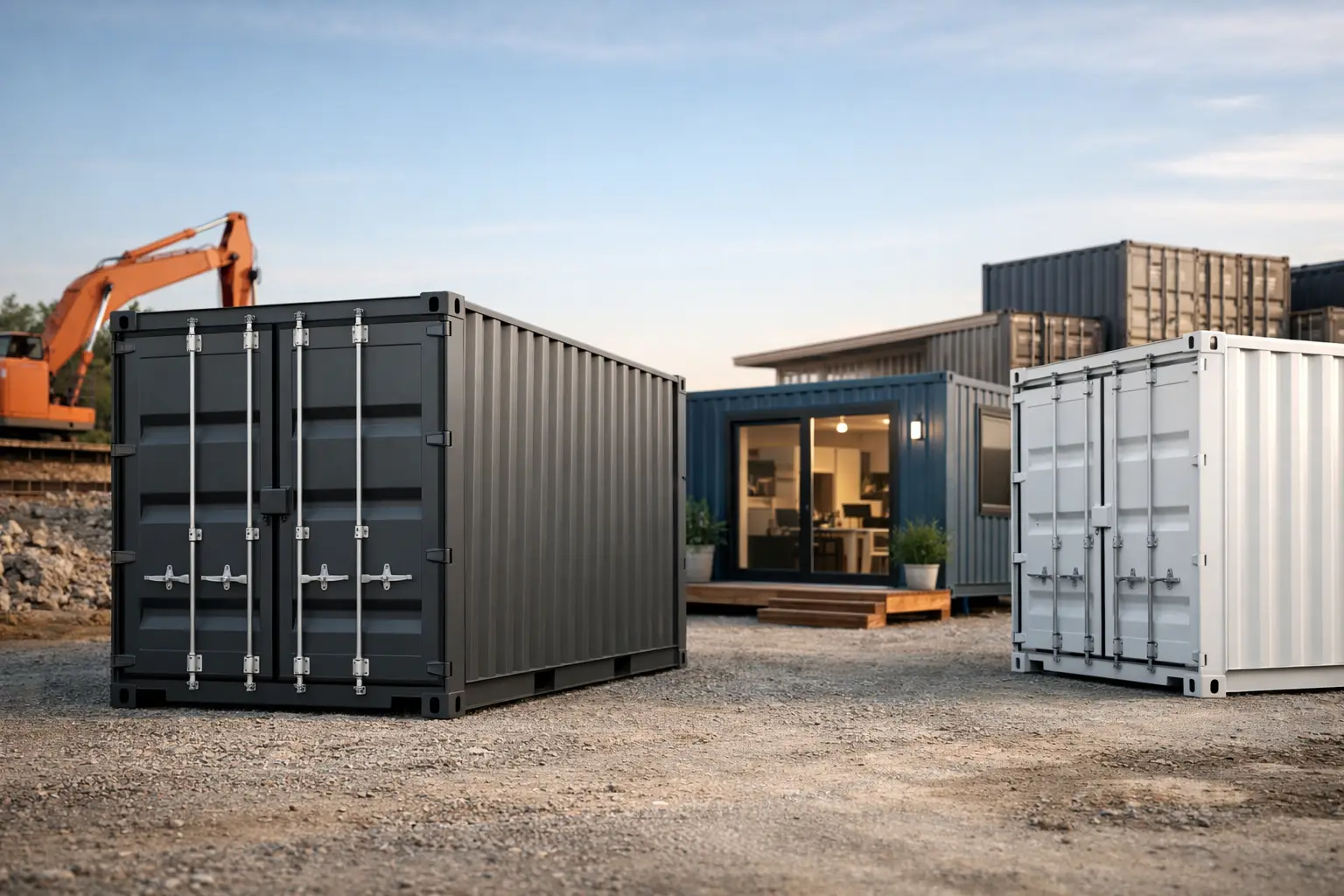
A refurbished container can be an efficient base for a workshop, field office, equipment room, concession stand, or modular build. Its steel structure gives fabricators a defined shell to work with, and the lower purchase price can leave more room for doors, windows, insulation, HVAC, framing, and finishes.
For a mobile office or conditioned space, start with the container’s intended use rather than its exterior color. A 20-foot unit may work well for compact tool storage or a small office. A 40-foot high-cube container provides more interior volume and additional ceiling height for insulation, wiring, and finished walls. Refrigerated containers can suit specialized temperature-controlled applications, though they require a careful review of power requirements, machinery condition, and interior dimensions.
Modifying a container changes how loads move through the structure. Large side openings, multiple windows, and removed wall sections may require steel reinforcement. A qualified fabricator should review the design before cutting. This is one area where buying the least expensive container first can create avoidable costs later.
5. Faster Access to Functional On-Site Capacity
When a construction project starts or a farm needs covered storage before a seasonal delivery, speed matters. Refurbished inventory can often provide a practical path to immediate capacity because the container is already in circulation and does not need to arrive as a new import unit.
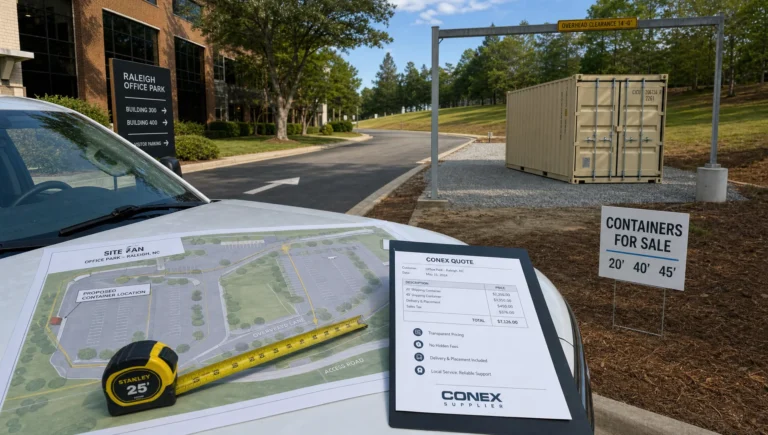
The container itself is only part of the timeline. Delivery access, site readiness, and equipment clearance determine whether the drop-off goes smoothly. A 20-foot container generally needs less turning room than a 40-foot unit, but both require a firm, level location and enough space for the delivery truck to maneuver.
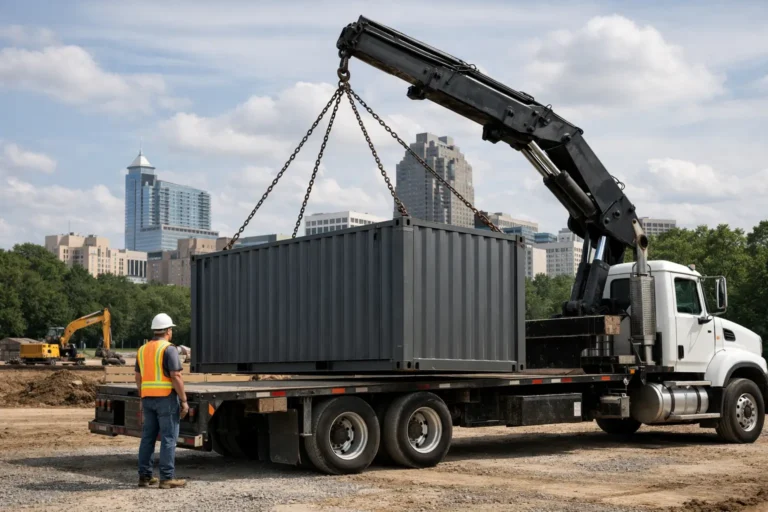
Tilt-bed delivery is commonly used for ground-level placement. The truck needs room to raise and slide the container off the bed, which means overhead wires, low branches, gates, soft ground, and tight turns must be identified before scheduling. A clear delivery plan prevents the kind of last-minute surprises that can delay a job or require a second trip.
6. Better Use of Existing Steel Resources
Choosing a refurbished container keeps a serviceable steel structure in productive use instead of replacing it prematurely. For buyers focused on practical resource use, this can be a meaningful benefit. The container already exists, and repair work extends its useful life for storage, operations, or construction.
That does not mean every used container is the right sustainable choice. A unit with extensive corrosion, major structural distortion, or a questionable floor may require more repair than its future use justifies. The responsible decision is to evaluate condition honestly and select a grade that fits the project.
For basic dry storage, a verified WWT container may be sufficient. WWT means the unit is intended to keep wind and water out, but it does not necessarily mean it is certified for international cargo transport. A Cargo Worthy container meets a higher standard for shipping and is the better fit when the container may return to ocean or rail service. Buyers should not pay for Cargo Worthy status if they only need stationary storage, unless that added condition level has value for their specific application.
7. More Flexibility Across Property Types
Refurbished containers work in settings where permanent construction is expensive, slow, or unnecessary. On a job site, they can protect power tools and materials. On agricultural land, they can hold parts, supplies, and maintenance equipment. For a homeowner, they can create secure long-term storage while a garage is renovated or a workshop is planned.
The right size depends on what must fit through the doors and how often it will be accessed. A 20-foot container is often easier to place and is suitable for dense storage needs. A 40-foot container offers substantially more floor area, but it also demands more site space and may be harder to position on narrow residential drives. High-cube units are useful when vertical storage, insulation, or future conversion is part of the plan.
Appearance can also be managed. A refurbished container can be painted to suit a property, screened with landscaping where local rules allow, or incorporated into a larger modular design. Before ordering, check zoning rules, setback requirements, homeowner association restrictions, and permit requirements. These vary by jurisdiction and by intended use.
What to Verify Before Buying a Refurbished Container
The best value comes from clear specifications, not a vague description. Confirm the container size, external and internal dimensions, grade, repair scope, floor condition, door operation, roof condition, and any known patches or corrosion. Ask whether photos show the actual unit or a representative container from the same grade.
Also confirm the delivered price and the delivery method. Pricing should identify whether transport, positioning, taxes, and upgrades are included or separate. If the site has slopes, uneven ground, limited clearance, or a narrow gate, share that information before booking. A delivery provider should explain the equipment needed and the space required for placement.
A refurbished shipping container is most valuable when its condition, cost, and intended use line up. Choose the grade for the work in front of you, prepare the site before the truck arrives, and insist on verified specifications. That approach turns a used steel box into dependable storage with no fine print and no surprises.