Jobsite Storage Container Guide
A missing pallet of tools can stall a crew faster than bad weather. On active construction sites, storage is not just about keeping materials out of sight. It is about protecting schedule, controlling replacement costs, and making sure crews can access what they need without wasting half the morning looking for it. This jobsite storage container guide is built for contractors, site managers, and property owners who need secure storage that works the first time.
The right container should fit your site, your delivery access, and the value of what you are storing. That sounds simple, but most problems happen before the container even arrives. Buyers choose the wrong size, underestimate turning room for delivery, or assume every used container is the same. It is not. Condition, door function, flooring, and structural integrity all matter when the unit is going to sit on a jobsite for months.
What a jobsite storage container needs to do
A jobsite container has one job on paper and several in real life. Yes, it needs to provide secure storage. It also needs to handle weather exposure, repeated door openings, uneven site conditions, and the day-to-day abuse that comes with active work zones.
For most contractors, the baseline requirement is a steel container that is wind and watertight, with solid door seals, a sound marine-grade plywood floor, and doors that open and close without a fight. If the container is difficult to access, crews stop using it properly. If it leaks, cardboard-packaged materials, power tools, and finish products can be damaged long before anyone notices.
Security matters just as much as weather resistance. A container should have intact locking gear and a lockbox or similar protected lock area when theft risk is a concern. On higher-value sites, that detail can be the difference between deterrence and a quick break-in attempt.
Choosing the right size for the site
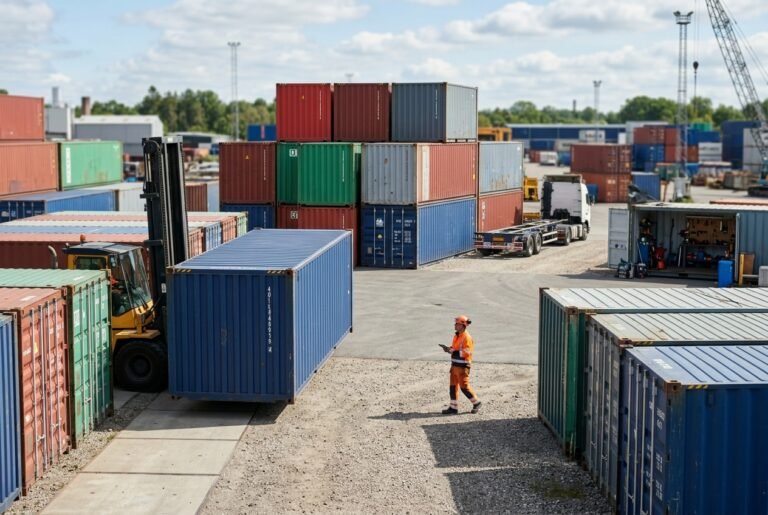
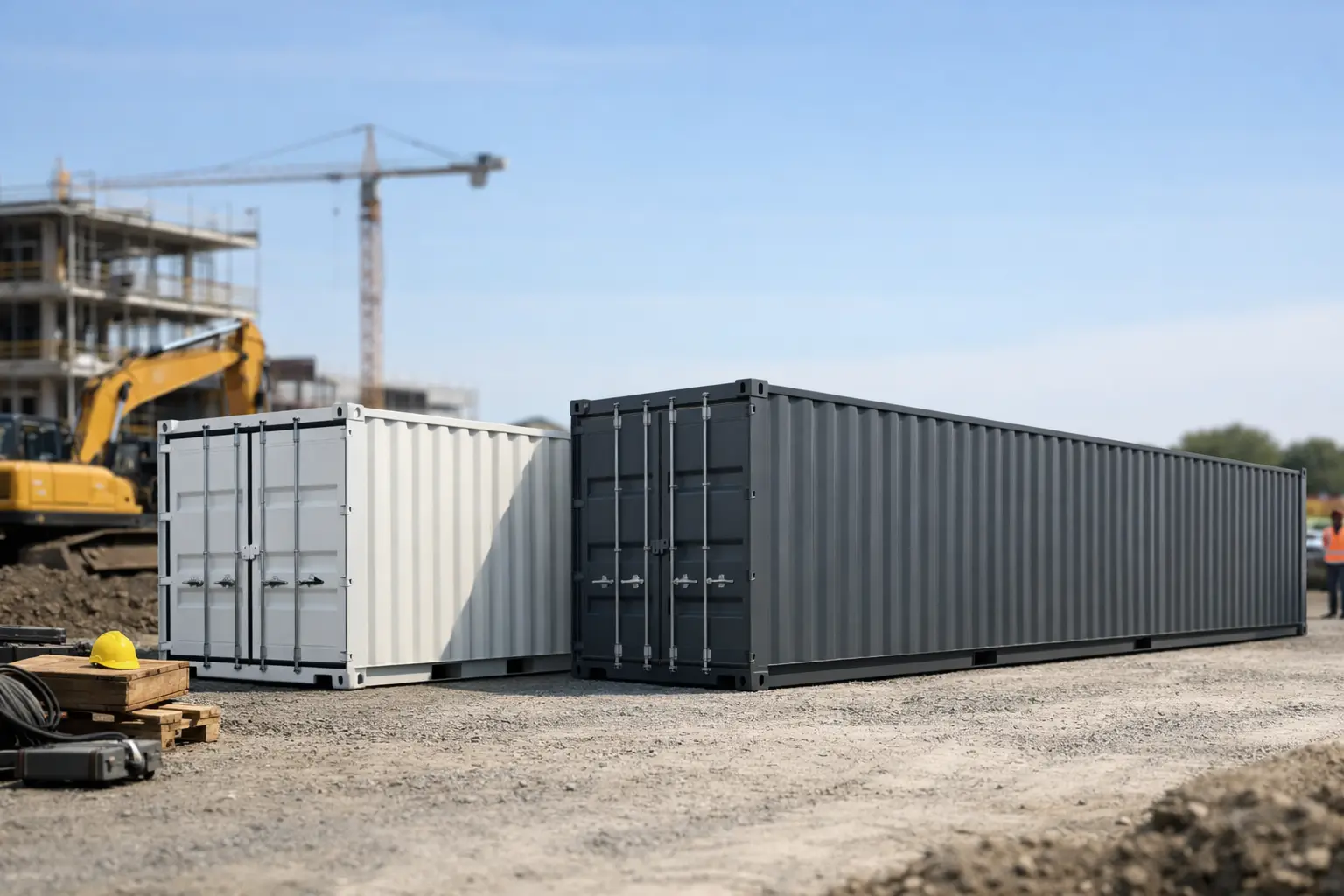
The most common jobsite sizes are 20-foot and 40-foot containers. A 20-foot unit is often the better fit when space is tight or access is limited. It gives you substantial storage without taking over the site. It is also easier to place near active work areas where crews need regular access.
A 40-foot container makes sense when you are storing large material volumes, multiple trades are sharing one unit, or the project timeline is long enough to justify more centralized storage. The trade-off is maneuverability. A 40-foot delivery requires more clearance, more planning, and a site that can support placement without forcing the driver into a bad angle.
High-cube containers add an extra foot of interior height. That can help with shelving, taller equipment, or simply making the space easier to work inside. On some jobsites, that added height is useful. On others, it is unnecessary overhead, especially if your stored materials are mostly boxed tools, fittings, or standard pallets.
New, used, or refurbished – what condition makes sense?
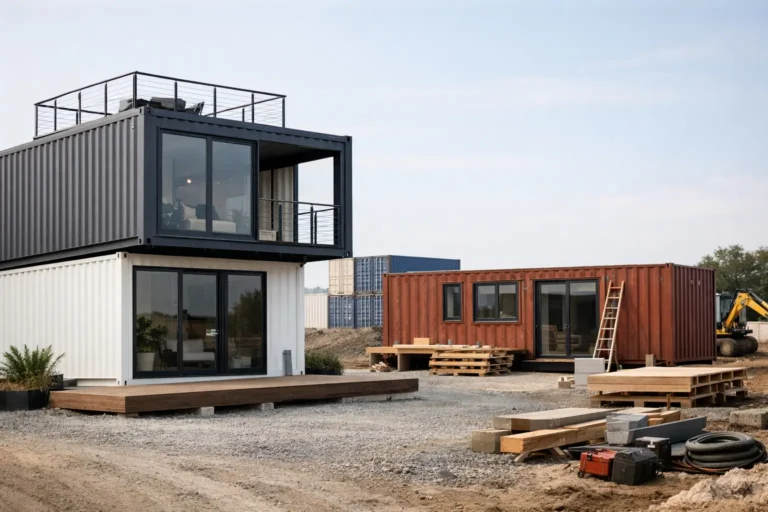
This is where a lot of buyers either overspend or take on avoidable risk. A one-trip container, sometimes called new, is typically the cleanest and best-looking option. It usually has minimal wear, better cosmetics, and fewer concerns about floor condition or corrosion. If appearance matters, or if the container may later be repurposed as a mobile office shell or customer-facing storage, one-trip can be worth the premium.
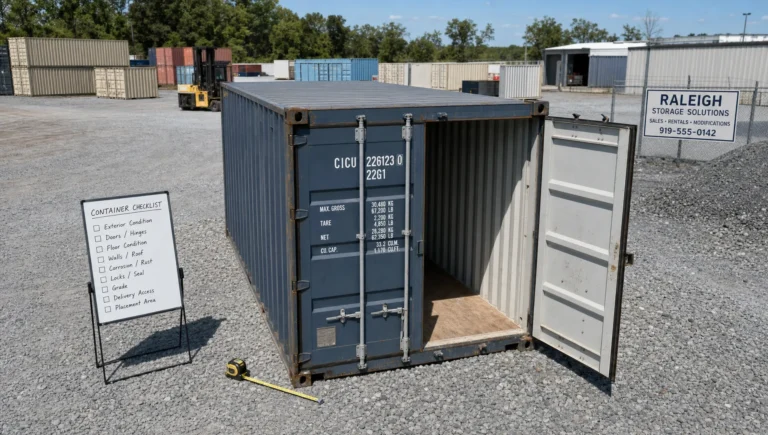
Used containers are often the practical choice for jobsites. The key is understanding grade, not just price. A wind and watertight container should keep out rain and hold up structurally, but that does not mean it will look new. Dents, surface rust, patched areas, and cosmetic wear are common and usually acceptable if the frame, roof, doors, and floor remain serviceable.
Cargo Worthy grade can be a good indicator of stronger overall condition, though jobsite storage does not always require a unit that meets shipping standards. What matters most is matching the grade to the use. If you need dry, secure storage for tools and materials, verified condition is more important than a vague promise that the unit is in good shape.
Refurbished containers can bridge the gap. They may offer improved paint, repaired floors, and better visual consistency than standard used stock. That can make sense for long-term placement on commercial properties or sites where appearance still matters.
Jobsite storage container guide to security and durability
Not every theft risk looks the same. Some sites need basic lock protection. Others need a more serious deterrent because the container will hold generators, copper, specialty tools, or high-demand building materials.
Start with the container shell itself. Corten steel construction gives shipping containers their corrosion resistance and structural strength. That does not make them maintenance-free, but it does make them well suited for exposed conditions. Then look at the door assembly. The cam rods, hinges, and seals should be intact and functional. Doors that are twisted or difficult to latch become a daily problem.
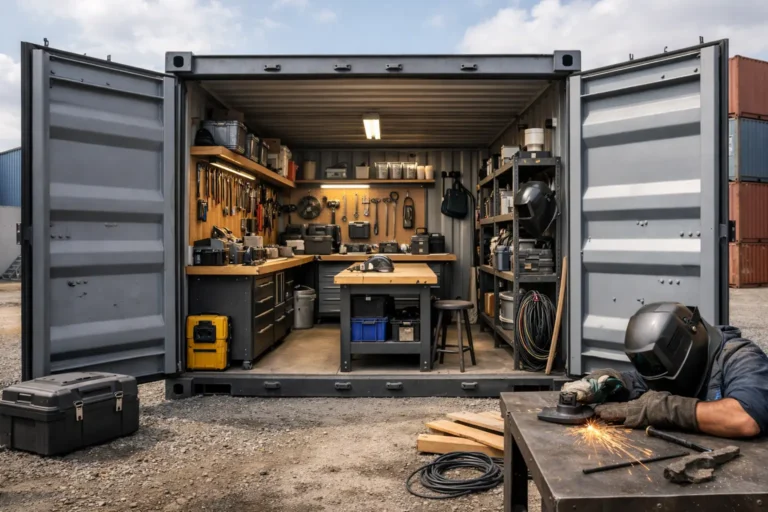
For added security, many buyers ask for a lockbox. This encloses the padlock area so bolt cutters cannot easily reach it. It is a simple upgrade with real value on remote or lightly supervised sites. Interior lighting, shelving, and partitioning can also improve use, though customization should match the project duration. A six-week site may not need built-in modifications. A year-long project probably benefits from them.
Site prep and delivery planning
Delivery is where zero-surprise buying really matters. A good container can become an expensive headache if the site is not ready. Before scheduling drop-off, confirm three things: ground conditions, clearance, and exact placement.
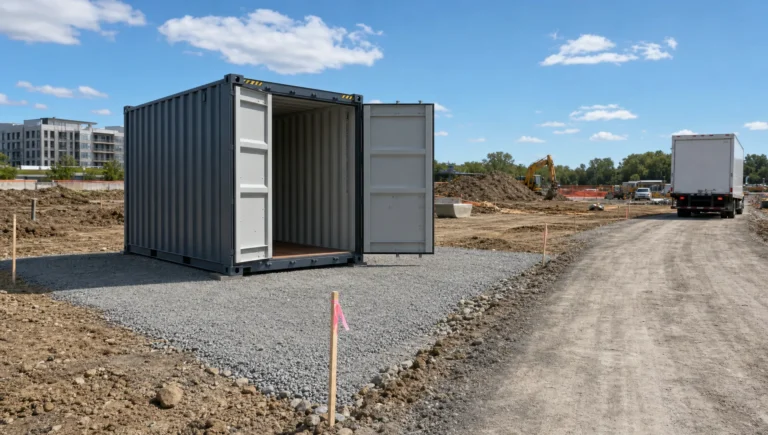
The container should sit on stable, reasonably level ground. Gravel, compacted stone, railroad ties, or concrete pads are common solutions. Perfectly level is not always required, but close matters. If the container twists too much after placement, the doors may bind and become difficult to operate.
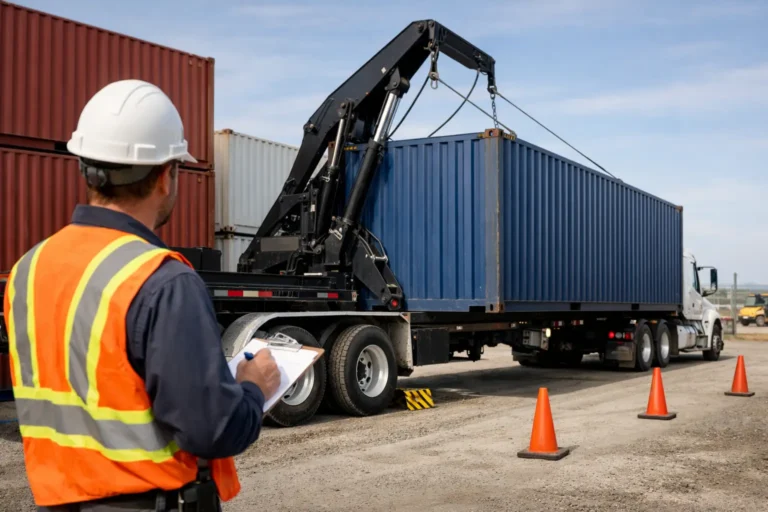
Clearance is often overlooked. Tilt-bed and ground-level delivery methods need room not just for the truck, but for the unloading angle. That means checking overhead power lines, tree limbs, fencing, soft shoulders, and turning radius into the site. A narrow gate or muddy entry path can stop a delivery before it starts.
Placement also affects usability. Set the doors where crews can access them without backing equipment into a congested area. Leave room for door swing and foot traffic. If the container will be loaded by forklift, plan that approach in advance instead of improvising around piles of material later.
In fast-growing markets and active regions like Raleigh and the broader Southeast, schedule pressure is real. Clear delivery windows and verified site details help prevent wasted trips, rescheduling fees, and project delays.
Practical features worth paying for
Some upgrades are optional. Some save money over the life of the job. A lockbox is usually worth it. Easy-open doors can also be worthwhile on sites where crews access the container constantly. If workers are fighting stuck doors every day, productivity drops and hardware wears faster.
Ventilation matters more than many buyers expect. Standard containers are ventilated, but if you are storing moisture-sensitive materials, paint products, or tools in hot climates, airflow and heat management deserve attention. A steel box in direct sun can get hot quickly. Depending on what you store, that may be tolerable or a problem.
Shelving, tie-down points, and simple interior organization can turn a container from a dumping ground into a reliable materials hub. That is less about aesthetics and more about reducing waste. When crews can locate stock quickly, they stop over-ordering items they assume are gone.
Common buying mistakes to avoid
The biggest mistake is buying on price alone. A cheaper container that leaks, binds, or arrives in a grade below expectations is not cheaper once you account for lost materials, downtime, or replacement.
The second mistake is underestimating delivery conditions. Containers are large, and trucks need space to do the job safely. If your provider is not asking detailed questions about access and ground conditions, that is a warning sign.
The third mistake is choosing more container than the site can realistically use. Bigger is not always better. A 40-foot unit parked in the wrong place can create traffic conflicts, wasted walking time, and loading problems that a 20-foot unit would have avoided.
How to buy with fewer surprises
Ask for verified specifications, clear grading language, and realistic delivery guidance. If a seller cannot explain whether the unit is wind and watertight, Cargo Worthy, or refurbished, you are being asked to accept uncertainty that can cost you later.
You should also ask what delivery method is planned and what the site needs to accommodate it. A dependable supplier will talk through placement, terrain, and clearance before dispatch, not after the truck is already on the road.
A good container purchase is not just a box dropped on dirt. It is a storage solution matched to your timeline, your site, and your risk level. When the grade is clear, the specs are verified, and the delivery plan is realistic, the container does what it should – protect your materials, support your crew, and stay out of the way of the actual work.
If you are comparing options, the smartest move is usually the one that removes uncertainty, not just cost. On a busy jobsite, predictability is worth more than a low number on a quote.