Shipping Container Square Footage by Size
When people ask about shipping container square footage, they are usually trying to answer a practical question: will this container fit my property, my jobsite, or my inventory? The answer depends on which kind of square footage you mean.
A shipping container has two useful square footage numbers. The exterior footprint tells you how much ground space the container occupies. The interior floor area tells you how much usable storage or build-out space you can expect inside. For contractors in Raleigh, homeowners across North Carolina, and businesses planning container storage in the Southeast, both numbers matter.
This guide breaks down the most common container sizes by square footage, explains how High Cube and refrigerated containers differ, and shows how container grade affects the buying decision even when the floor area looks the same.
Quick answer: shipping container square footage by common size
Most ISO shipping containers are 8 feet wide on the outside. That makes the exterior footprint easy to estimate: multiply the nominal length by 8 feet.
| Container size | Exterior footprint | Approx. interior floor area | What changes most |
|---|---|---|---|
| 10ft standard | 80 sq ft | 70 to 72 sq ft | Compact storage, tight sites |
| 20ft standard | 160 sq ft | 147 to 150 sq ft | Most versatile small unit |
| 20ft High Cube | 160 sq ft | 147 to 150 sq ft | Same floor area, extra height |
| 40ft standard | 320 sq ft | 300 to 305 sq ft | Double the 20ft footprint |
| 40ft High Cube | 320 sq ft | 300 to 305 sq ft | Same floor area, more cubic capacity |
| 45ft High Cube | 360 sq ft | 340 to 345 sq ft | More length and added height |
| 20ft refrigerated | 160 sq ft | Often 130 to 140 sq ft | Insulation and machinery reduce interior space |
| 40ft refrigerated | 320 sq ft | Often 280 to 290 sq ft | Better cold storage capacity, less interior width |
These figures are typical industry approximations. Exact interior dimensions can vary by manufacturer, production year, door configuration, insulation package, and whether the container has been modified. If you are comparing a specific container, always confirm the measured interior length, width, height, and door opening before purchase.
Exterior footprint vs. interior square footage
The exterior footprint matters for delivery planning, site layout, setbacks, and permits. A 40ft container, for example, occupies about 320 square feet of ground space before you account for truck access, door swing, drainage, and clearance around the unit.
Interior square footage matters for storage and build-out planning. Because shipping container walls are made from corrugated Corten steel, and because corner posts, door frames, flooring, and wall structure take up space, the usable interior area is always slightly less than the exterior footprint.
For storage planning, use this simple rule:
- Exterior square footage helps you decide if the container fits on your property.
- Interior square footage helps you decide if your equipment, furniture, pallets, tools, or materials fit inside.
- Cubic footage becomes important when stacking, shelving, insulating, or converting a container into a workspace.
If you need exact side-by-side measurements, Lease Lane Containers also has a detailed guide to shipping container dimensions for 20ft and 40ft units that covers door openings, interior measurements, and volume.
20ft container square footage
A standard 20ft container has an exterior footprint of about 160 square feet. Its usable interior floor area is typically around 148 square feet, depending on the exact build.
That makes a 20ft container a strong fit for smaller jobsites, residential storage, farm supplies, tools, seasonal inventory, motorcycles, outdoor equipment, and compact retail or workshop concepts. It is also easier to place on tighter Raleigh-area lots where a 40ft unit may be difficult for a delivery truck to position.
A 20ft unit is often the right choice when access is limited. Driveway width, tree cover, overhead utility lines, slope, and turning radius can make a smaller container more practical than simply choosing the largest box available.
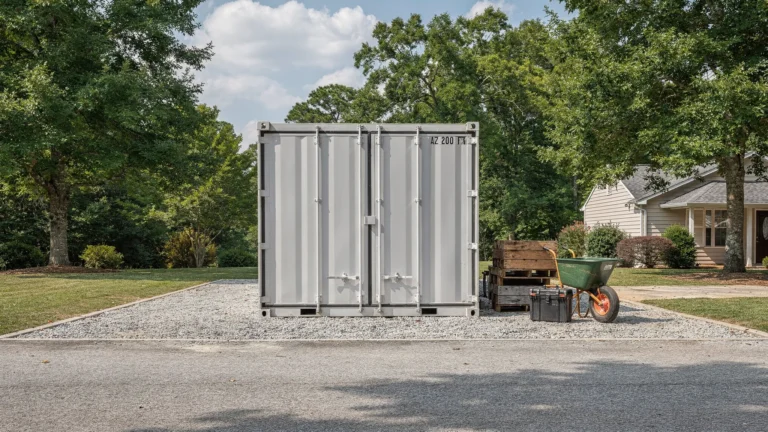
For buyers who want a cleaner, newer unit for storage or modifications, a one-trip option such as the 20ft White Shipping Container for Sale – New One Trip ISO Certified offers the same approximate 160-square-foot footprint with the advantages typically associated with one-trip inventory: newer steel, fewer cosmetic marks, and ISO-standard construction.
40ft container square footage
A standard 40ft container has an exterior footprint of about 320 square feet, which is exactly double the nominal footprint of a 20ft unit. Interior floor area usually falls around 302 square feet.
For general contractors, home builders, and logistics teams, this is often the most cost-efficient storage footprint per square foot. A 40ft container can hold lumber, fixtures, cabinets, flooring, tools, event equipment, palletized inventory, or business overflow while keeping everything secured behind steel doors.
If you need maximum ground-level storage and have adequate delivery space, a 40ft Used Shipping Container can be a practical option. With used containers, the key is not just size. You should confirm the grade, door condition, floor condition, and whether the unit is Wind & Watertight or Cargo Worthy.
A 40ft container needs more planning than a 20ft unit. In many cases, delivery requires a straight approach area that is longer than the container itself because the tilt-bed truck needs room to offload. This is especially important in dense neighborhoods, wooded properties, and active construction sites around Raleigh, Durham, Cary, Greensboro, and Charlotte.
High Cube square footage: same floor, more height
A High Cube container is usually 9 feet 6 inches tall on the outside, compared with 8 feet 6 inches for a standard-height container. The important square footage point is simple: a High Cube container usually does not add floor area.
A 40ft High Cube still has an exterior footprint of about 320 square feet. The difference is vertical space. That extra foot of height can make a major difference when you are storing tall equipment, building shelving, adding insulation, installing lighting, or converting the container into a mobile office or workshop.
For modular construction and business build-outs, High Cube containers are often preferred because interior height becomes precious once you add flooring, ceiling panels, insulation, HVAC, electrical conduit, or finished walls. A standard container can work, but a High Cube gives more room to design comfortably.
| Size | Floor square footage | Height advantage | Best fit |
|---|---|---|---|
| 20ft standard | About 148 sq ft inside | Standard height | Basic storage, tools, residential use |
| 40ft standard | About 302 sq ft inside | Standard height | Large jobsite storage, bulk inventory |
| 40ft High Cube | About 302 sq ft inside | Extra vertical clearance | Mobile offices, shelving, modifications |
| 45ft High Cube | About 340 sq ft inside | Extra length and height | Larger modular layouts, specialized storage |
If you are still deciding between a standard 20ft, standard 40ft, or High Cube unit, this guide on what size shipping container you need can help you compare storage needs, delivery constraints, and use cases.
Refrigerated container square footage
Refrigerated containers, often called reefers, have the same general exterior footprint as standard containers but less usable interior floor area. The reason is straightforward: insulation, interior lining, T-floor systems, and refrigeration machinery take up space.
A 20ft reefer still occupies about 160 square feet outside, but the usable floor area may be closer to 130 to 140 square feet. A 40ft reefer still occupies about 320 square feet outside, but the usable interior floor area may be around 280 to 290 square feet.
That trade-off is worthwhile when temperature control matters. Restaurants, farms, floral businesses, seafood suppliers, pharmaceutical distributors, event companies, and cold-chain logistics teams may care more about reliable temperature performance than maximum square footage.
When planning a reefer container in North Carolina or the wider Southeast, also account for power access, drainage, airflow, service clearance around the machinery end, and local electrical requirements. The container may fit physically, but the site still needs to support safe, continuous operation.
How much square footage do you really need?
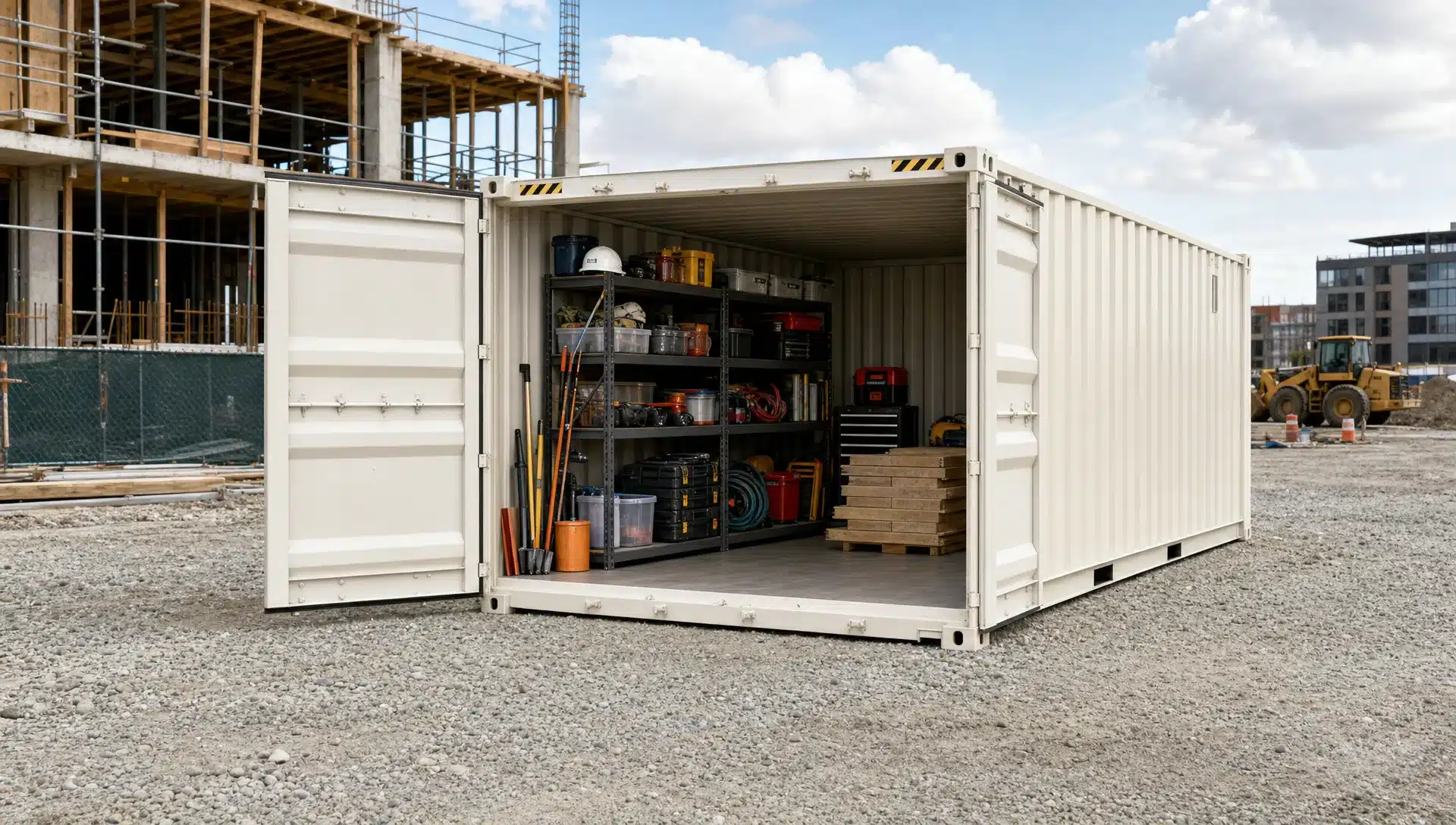
The right size depends on how you use the floor, not just the number on the spec sheet. A 20ft unit may look small at 160 exterior square feet, but if you add shelving on both sides and keep a center aisle, it can store a surprising amount of organized material. A 40ft unit may offer twice the footprint, but poor organization can waste the advantage quickly.
For contractors, think in terms of access. If crews need to retrieve tools daily, leave aisle space and keep high-use items near the doors. For long-term storage, you can pack more densely, but you should still keep a path for inspection and ventilation.
For homeowners, the most common mistake is underestimating bulky items. Patio furniture, lawn equipment, holiday storage, renovation materials, and recreational gear take up more room than stacked boxes. If the container will sit on your property for years, choosing slightly more square footage can be cheaper than replacing the unit later.
For small businesses, square footage should be planned around inventory movement. If products rotate weekly, floor layout matters as much as capacity. If products are seasonal, bulk stacking may make better use of a larger 40ft container.
Container grade does not change square footage, but it changes value
Two containers may have the same square footage and very different long-term usefulness. That is where grade matters.
One-trip containers are newer units that have typically made one cargo trip before being sold. They are generally the best choice when appearance, cleaner interiors, easier modification, and longer expected service life are priorities. They are built to ISO standards and made from Corten steel, which is designed to resist harsh weather exposure.
Cargo Worthy containers are used containers that are structurally suitable for cargo transport, often including international shipping when properly inspected and documented. If you need the container for freight, export, or logistics, Cargo Worthy status is more important than cosmetic appearance.
Wind & Watertight containers, often abbreviated WWT, are used containers that keep out normal wind and rain when doors and seals are properly functioning. WWT units are commonly used for ground storage, jobsite storage, farm storage, and equipment protection. They may not be suitable for ocean freight without additional inspection or certification.
For buyers focused on storage in Raleigh, WWT may be sufficient. For logistics managers moving cargo, Cargo Worthy is typically the more appropriate grade. For custom modular work, one-trip or higher-quality used units often make the build process smoother because the walls, roof, doors, and floors tend to require less repair before modification.
Pro Tip: plan the site before choosing the square footage
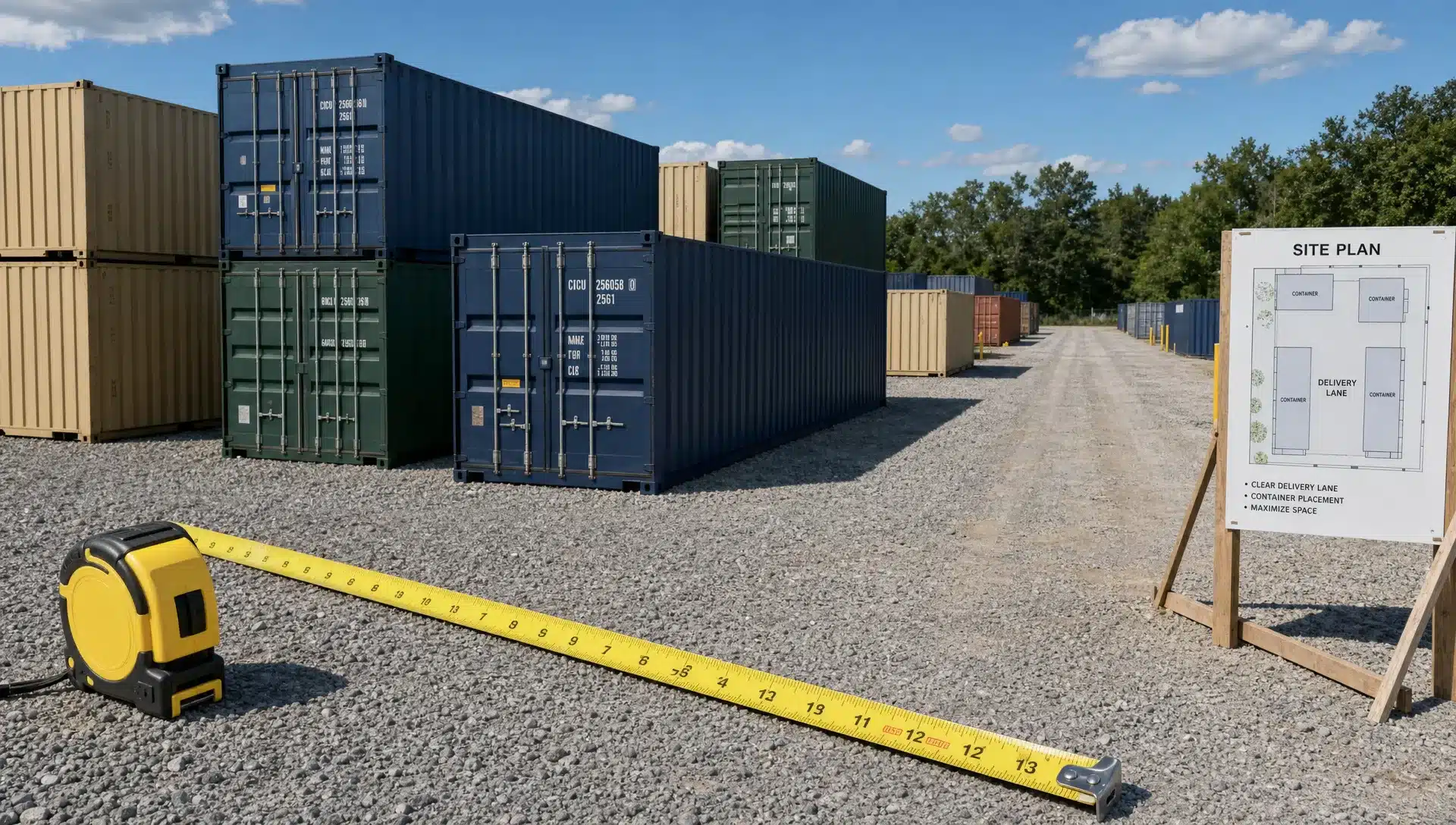
A container that fits on paper can still fail in the field if the site is not ready. Before ordering, measure both the container footprint and the delivery path.
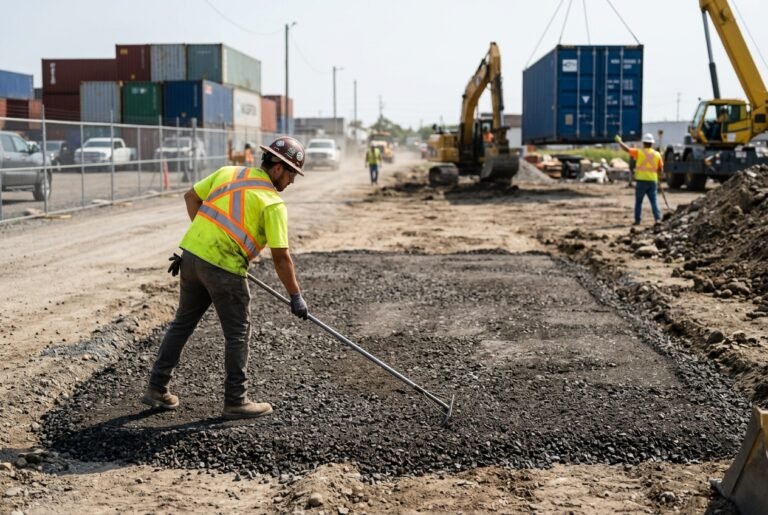
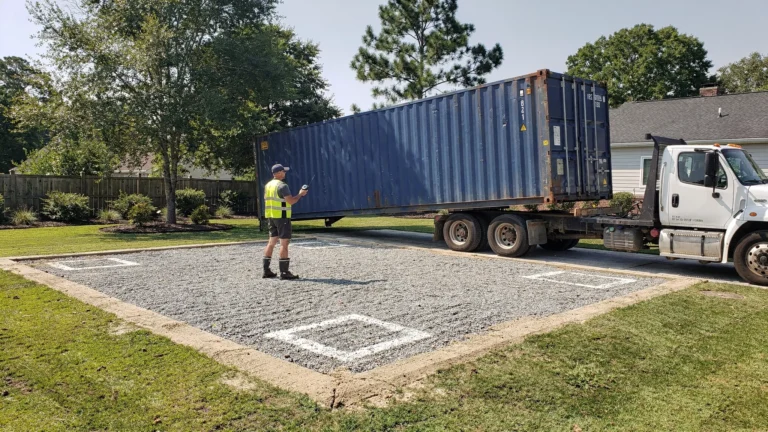
For most long-term placements in North Carolina, a level gravel pad is a smart starting point. Gravel helps with drainage, reduces ground contact, and supports the container more evenly than bare soil. Concrete pads can work well for permanent or commercial placements, but they should be properly sized and level.
The container should sit level from corner to corner. Shipping containers are strongest at the corner castings, so the goal is to support those points evenly. If the unit is twisted or placed on uneven ground, doors may become harder to open and close.
Also check permitting before delivery. Rules vary by city, county, zoning district, property type, duration of placement, and intended use. Raleigh, Wake County, and nearby municipalities may treat temporary jobsite storage differently from permanent residential or commercial placement. If you are planning a modified office, retail pop-up, or residential structure, permitting and code review become even more important.
Square footage planning examples
A Raleigh general contractor storing tools, ladders, fasteners, and jobsite materials may be well served by a 20ft container if the site is tight and access matters. If the project includes multiple trades, bulk materials, or phased deliveries, a 40ft unit may reduce clutter and improve security.
A homeowner using a container for long-term property storage may prefer a 20ft unit for a driveway, farm lane, or backyard pad. If the storage includes furniture, renovation materials, or equipment that will be accessed over several years, moving up to 40ft can provide more comfortable organization.
A small business owner planning inventory overflow should estimate both storage volume and aisle needs. If employees need regular access, do not calculate square footage as if every inch can be packed solid. Leave room for walking, labeling, pulling inventory, and safe lifting.
A developer or builder considering modular construction should focus less on floor square footage alone and more on finished interior dimensions. Insulation, framing, plumbing, electrical, and interior wall systems all reduce usable space. For that reason, High Cube containers are often preferred for offices, studios, and living-space concepts.
Frequently Asked Questions
What is the square footage of a 20ft shipping container? A 20ft shipping container has an exterior footprint of about 160 square feet. The usable interior floor area is usually about 147 to 150 square feet, depending on the exact container.
What is the square footage of a 40ft shipping container? A 40ft shipping container has an exterior footprint of about 320 square feet. The usable interior floor area is typically around 300 to 305 square feet.
Does a High Cube container have more square footage? Usually, no. A High Cube container generally has the same floor square footage as the standard version of the same length. The advantage is extra height, which increases cubic capacity and improves comfort for shelving or modifications.
Why is interior square footage smaller than exterior square footage? Interior square footage is smaller because container walls, corrugated Corten steel panels, corner posts, doors, flooring, and structural components take up space.
Does container grade affect square footage? Grade does not normally change square footage, but it affects condition, value, and use. One-trip containers are newer, Cargo Worthy containers are suitable for cargo transport when properly certified, and WWT containers are commonly used for secure ground storage.
Do I need a permit for a shipping container in Raleigh? It depends on location, zoning, placement duration, and intended use. Temporary construction storage may be treated differently from permanent storage or a modified structure. Always check with the local authority before delivery.
Get the right container footprint for your site
Choosing by square footage is a strong start, but the best container is the one that fits your storage needs, delivery access, site conditions, budget, and long-term plans. Lease Lane Containers LLC helps customers in Raleigh, across North Carolina, throughout the Southeast, and nationwide compare 20ft, 40ft, High Cube, refrigerated, one-trip, Cargo Worthy, and WWT options with clear guidance.
For help choosing the right container size and preparing your site, contact the Lease Lane Containers sales team at sales@leaselanecontainers.com or visit the Raleigh office to speak with a local container specialist.