Steel Box Shipping Containers vs Standard Units
When buyers search for steel box shipping containers, they are usually comparing two things that sound similar but are not always the same: a generic steel storage box and a true standard ISO shipping container. The difference matters if you plan to store tools on a Raleigh jobsite, ship freight, build a mobile office, or place long-term storage on a farm or commercial property.
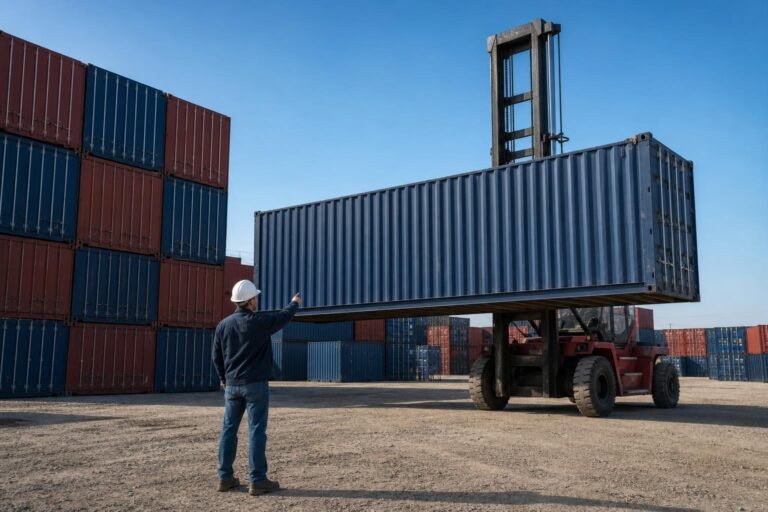
A standard shipping container is not just a metal box. It is built around specific dimensions, structural components, and handling points that make it compatible with trucks, chassis, cranes, forklifts, and container ships. A generic steel box may be useful for storage, but it may not meet the same ISO standards, may not hold resale value as well, and may not be suitable for transport or modification.
Below is a practical comparison to help North Carolina, Southeast, and nationwide buyers choose the right unit with confidence.
What “steel box” and “standard unit” really mean
The phrase “steel box shipping container” is often used loosely. Some sellers use it to describe any rectangular steel storage unit. Others use it as shorthand for a real intermodal container. Before comparing quotes, make sure you know which one you are being offered.
A standard shipping container unit usually refers to an ISO-style container with an 8-foot width, standard cargo doors on one end, corrugated steel walls, corner castings, and a standard exterior height of 8 feet 6 inches. Common lengths include 20ft and 40ft units. A High Cube container is similar but taller, with a 9-foot 6-inch exterior height.
| Feature | Generic steel box | Standard ISO shipping container |
|---|---|---|
| Construction | Varies by manufacturer and intended use | Built around standardized intermodal design principles |
| Dimensions | May vary significantly | Commonly 20ft or 40ft long, 8ft wide, standard or High Cube height |
| Transport compatibility | May require special handling | Designed for trucks, chassis, cranes, and forklifts when properly equipped |
| Shipping suitability | Usually not suitable for ocean freight unless certified | Cargo Worthy units can be used for freight when properly inspected and documented |
| Resale value | Depends heavily on build quality and demand | Easier to compare because sizes and grades are more standardized |
| Best use | Basic stationary storage when specs are not critical | Storage, transport, modifications, modular uses, and long-term value |
The takeaway is simple: a steel box may store things, but a standard ISO container gives you a known structure, known dimensions, and a clearer path for delivery, resale, modification, or cargo use.
Why ISO construction matters
A true standard shipping container is engineered for rough handling, stacking, and exposure to difficult weather. The body is typically made with corrugated Corten Steel, also called weathering steel. Corten Steel is valued because it develops a protective patina when exposed to the elements, although it is not rust-proof and still benefits from proper drainage, paint maintenance, and smart placement.
Key structural elements include corner posts, corner castings, crossmembers, corrugated side panels, roof bows, cargo doors, locking rods, door gaskets, and a heavy-duty floor system. These parts work together. If a unit is missing ISO corner castings, has nonstandard dimensions, or lacks structural documentation, it may be fine for storage but questionable for shipping, stacking, or major modifications.
For buyers who want a deeper technical breakdown, Lease Lane Containers has a helpful guide to shipping container construction basics that explains how these components affect durability, delivery, and long-term use.
Standard unit does not mean standard condition
One common mistake is assuming “standard” describes the condition of the container. In the industry, standard usually refers to size and configuration. Condition is described by grade.
Understanding grades is especially important when comparing steel box shipping containers against used standard units. A low-priced unit may look attractive until you learn it is not Wind and Watertight, not Cargo Worthy, or not a true ISO container.
| Grade | What it means | Best fit | Important caution |
|---|---|---|---|
| One-Trip | A newer container that has generally made one loaded trip from the factory | Retail-facing projects, premium storage, modifications, mobile offices | Costs more than used, but usually has cleaner appearance and less wear |
| Cargo Worthy | Structurally suitable for cargo transport when properly inspected and documented | Logistics, international shipping, regional transport, freight use | Ask about inspection status and documentation before booking cargo |
| Wind and Watertight (WWT) | Keeps out wind and water under normal conditions and is commonly used for storage | Jobsites, farms, equipment storage, inventory overflow | Not automatically approved for ocean freight unless also certified as Cargo Worthy |
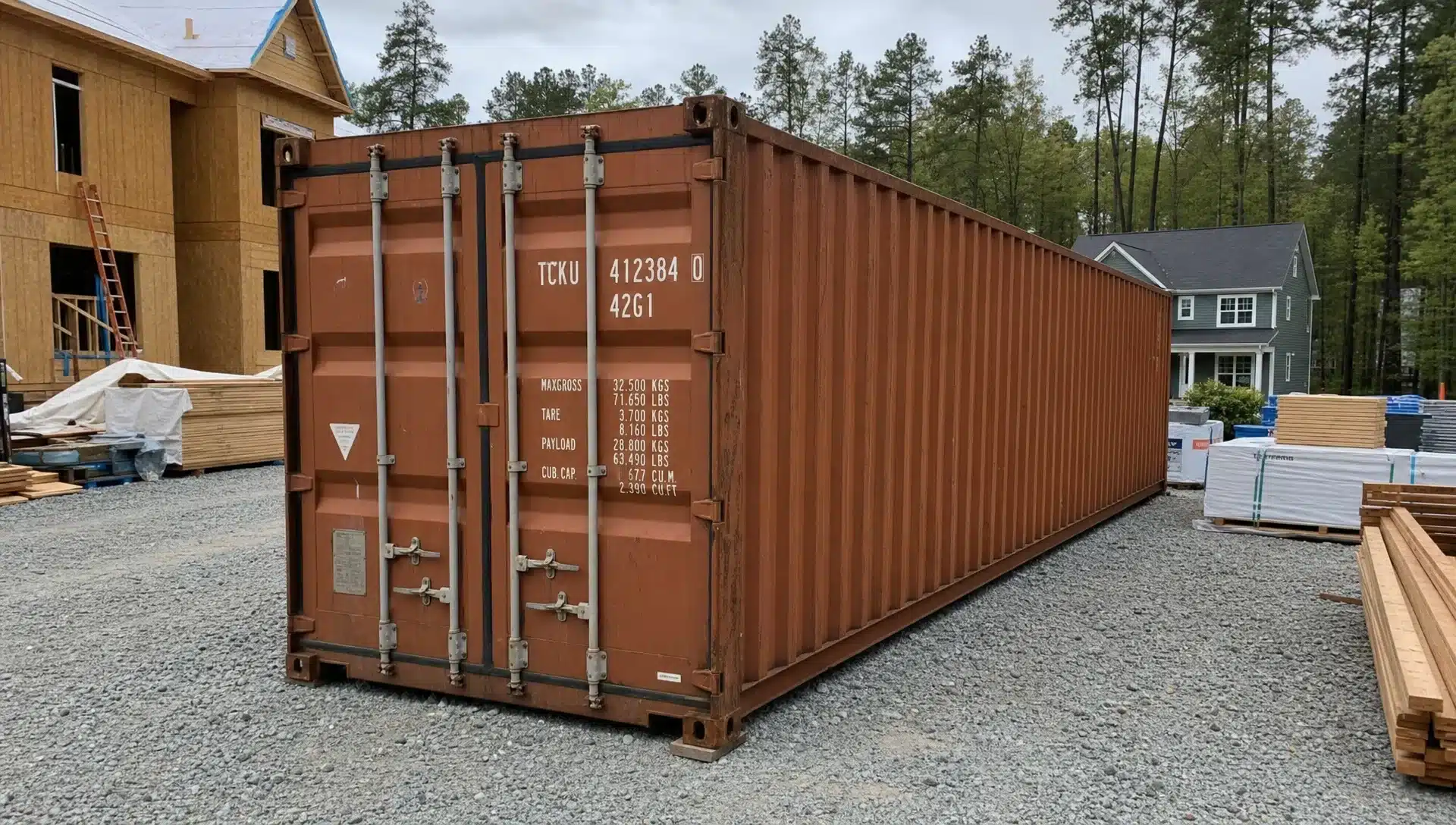
For many contractors, homeowners, and small businesses, WWT offers a strong balance of cost and function. For example, a 40ft Standard Wind and Watertight Shipping Container is the kind of standard used unit buyers often consider when they need full-length ground storage for materials, tools, seasonal inventory, or property equipment.
Size, height, and access differences
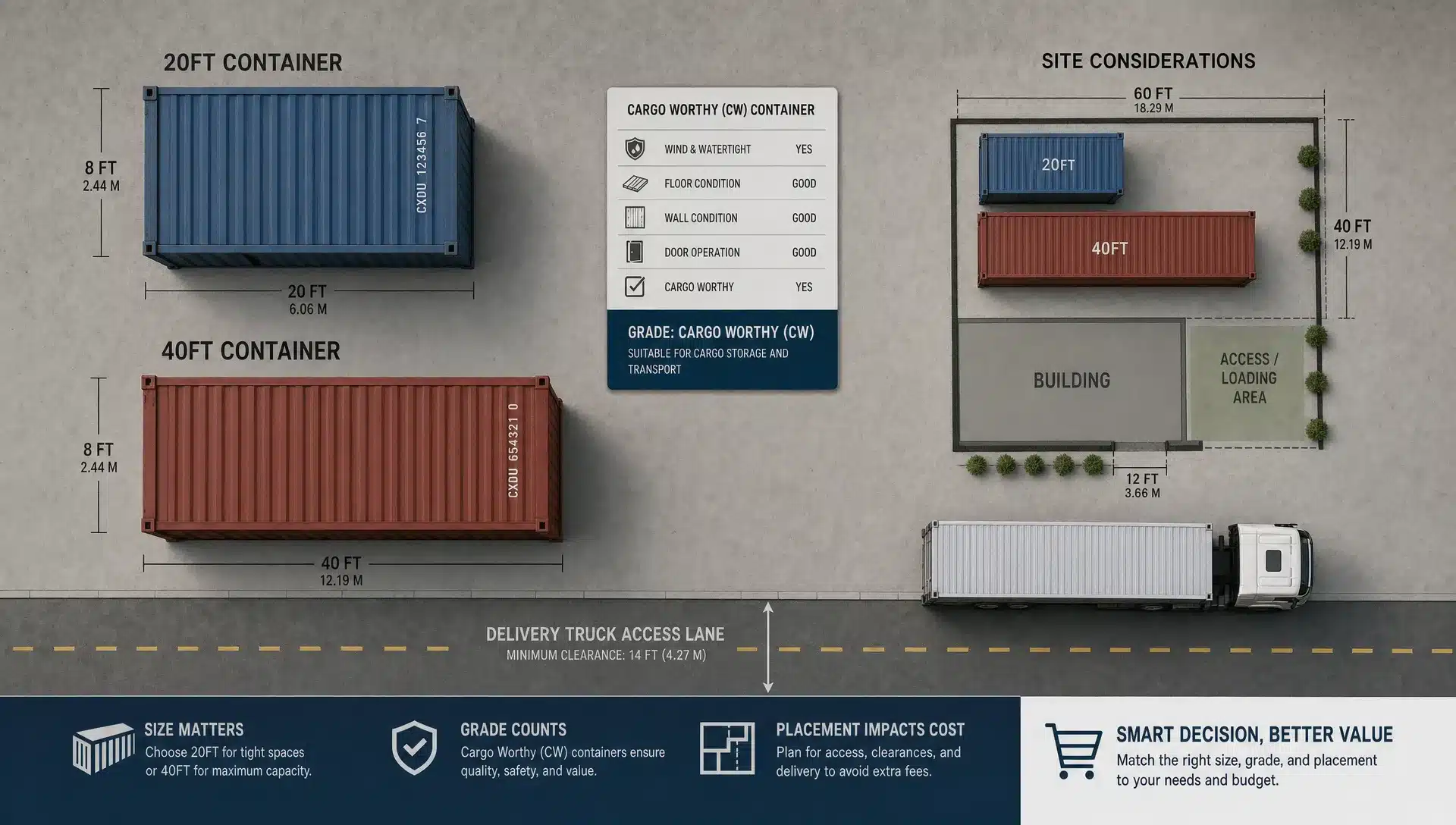
The most common standard units are 20ft and 40ft containers. The right choice depends on available space, delivery access, the value of what you are storing, and how often you need to enter the container.
| Container type | Typical exterior size | Common use case | Buyer note |
|---|---|---|---|
| 20ft standard | 20ft long x 8ft wide x 8ft 6in high | Residential storage, small jobsites, farms, compact lots | Easier to place in tighter areas |
| 40ft standard | 40ft long x 8ft wide x 8ft 6in high | Construction storage, commercial overflow, bulk materials | More floor area for the delivery cost and footprint |
| 40ft High Cube | 40ft long x 8ft wide x 9ft 6in high | Mobile offices, racking, taller equipment, conversions | Extra height helps when adding insulation, flooring, or ceiling systems |
| Refrigerated container | Varies by model | Cold storage, food, agriculture, pharmaceutical logistics | Requires power planning and more specific site preparation |
If you are still deciding between 20ft containers, 40ft containers, and specialty sizes, the guide to standard shipping container size can help you match the footprint to your use case.
Which option is better by use case?
The right answer depends on what you need the unit to do. A generic steel box can be enough for simple stationary storage, but a standard ISO container is usually the safer choice when durability, delivery, modification, or resale value matter.
| Buyer type | Better choice | Why |
|---|---|---|
| General contractors and home builders | WWT standard 20ft or 40ft container | Secure ground storage for tools, lumber, fixtures, and jobsite materials |
| Small business owners | One-Trip or clean WWT standard unit | Better appearance for inventory overflow, retail pop-ups, or customer-facing uses |
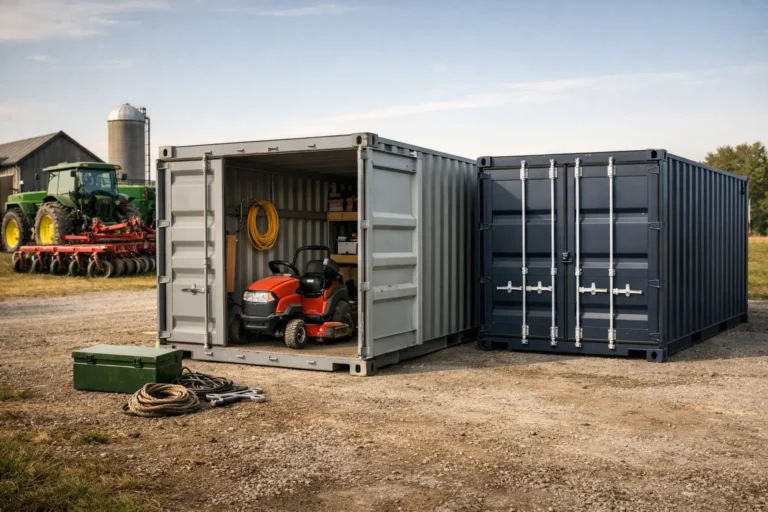
| Homeowners and agriculture buyers | WWT standard container | Strong long-term storage for equipment, feed, seasonal items, or property supplies |
| Real estate developers | One-Trip or High Cube ISO container | More predictable structure for modular planning and modifications |
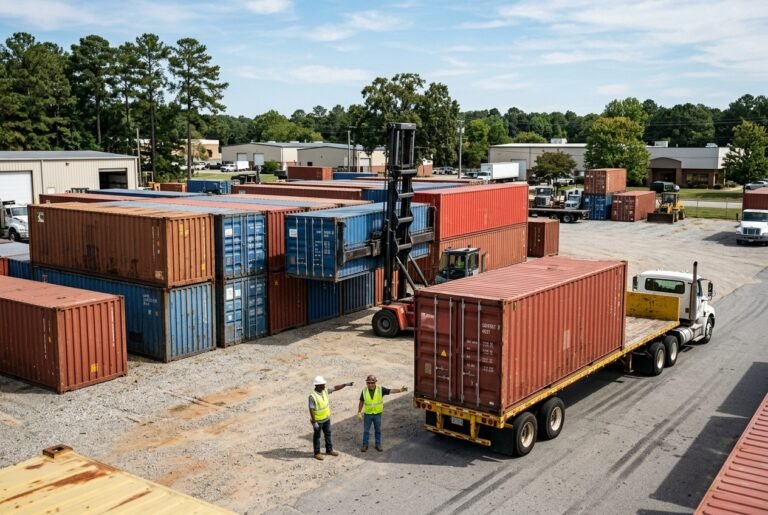
| Logistics managers | Cargo Worthy ISO container | Proper option when the unit needs to move freight by rail, truck, or ocean transport |
In Raleigh, Durham, Cary, Charlotte, and across the Southeast, contractors often choose used WWT standard units because they need secure, practical storage more than a cosmetically perfect container. A boutique retailer, mobile office user, or modular developer may prefer a One-Trip unit because the cleaner exterior and lower wear can reduce prep work.
For international freight, do not rely on the phrase “steel box.” Ask specifically for a Cargo Worthy container and confirm inspection requirements with your carrier or freight forwarder.
When a generic steel box may be enough
A generic steel box is not automatically a bad choice. It may make sense if you only need short-term stationary storage, if the contents are low value, and if the unit will not be moved often. Some non-ISO steel storage boxes are designed for local storage and can perform well in limited applications.
However, problems appear when the use case changes. If you later want to relocate the unit, load it onto a chassis, stack it, modify it into a workspace, or resell it, nonstandard dimensions and unknown structural specs can become expensive limitations. For most buyers who want flexibility, a standard ISO shipping container is the more dependable investment.
Pro-Tip: Prepare the drop spot before delivery
Even the best container can cause problems if the site is not ready. This is especially true in the Southeast, where rain, humidity, clay soils, and uneven ground can affect drainage and door operation.
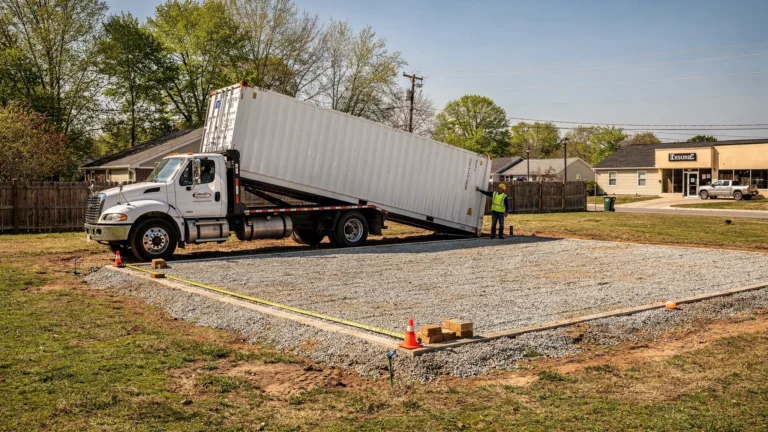
Before delivery, choose a level location with firm access for the truck. A compacted gravel pad is often a smart choice because it supports the container while allowing water to drain away from the floor and lower rails. Concrete and asphalt can also work well, but the surface should be level enough that the container does not twist. When a container sits out of square, the doors may become difficult to open and close.
Plan for the full delivery path, not just the final footprint. The driver needs room to approach, place the unit, and exit safely. Remove low branches, overhead wires, vehicles, debris, soft ground obstacles, and tight turns whenever possible. Also check door swing direction before the container arrives, because turning a loaded or placed unit later can add time and cost.
For Raleigh and Wake County buyers, permit requirements can vary based on zoning, property type, visibility, duration, setbacks, and whether the container is used for storage or modified for occupancy. Homeowners should also check HOA rules. Commercial buyers should ask about municipal requirements, fire access, stormwater rules, and site plan restrictions before scheduling delivery.
Questions to ask before you buy
Comparing steel box shipping containers and standard units is easier when every seller answers the same questions. Use the list below before you approve a quote.
- Is the unit a true ISO shipping container or a nonstandard steel storage box?
- What is the exact size, including length, width, and height?
- Is the container One-Trip, Cargo Worthy, Wind and Watertight, or another grade?
- Are the photos of the actual unit or representative inventory?
- Do the doors open and seal properly?
- Are there floor soft spots, roof patches, heavy corrosion, or previous repairs?
- Is delivery included or quoted separately, and what site access is required?
- If the container will be shipped with cargo, is the Cargo Worthy status current and documented?
A transparent seller should be able to explain the grade, intended use, and delivery requirements clearly. If the only description is “steel box,” ask for more detail before paying a deposit.
Frequently Asked Questions
Are steel box shipping containers the same as standard shipping containers? Not always. Some sellers use the phrase to describe true ISO containers, while others use it for generic steel storage boxes. Ask about ISO construction, dimensions, corner castings, and grade before buying.
Is a Wind and Watertight container good enough for storage? Yes, WWT containers are commonly used for jobsite storage, farm storage, residential storage, and inventory overflow. They should keep out wind and water under normal conditions, but they are not automatically approved for cargo shipping.
When do I need a Cargo Worthy container? Choose Cargo Worthy when the container will move freight, especially for international shipping or intermodal transport. Confirm documentation requirements with your carrier, surveyor, or freight forwarder.
Is a One-Trip container worth the extra cost? A One-Trip container often makes sense when appearance, long-term service life, or modification quality matters. Retail projects, mobile offices, and modular builds often benefit from cleaner walls, fewer dents, and less prior wear.
Do I need a permit for a shipping container in Raleigh? It depends on the property, zoning, duration, and intended use. Check with the City of Raleigh, Wake County, your municipality, or your HOA before delivery. Commercial and modified containers may face stricter requirements than temporary storage units.
Talk with a local container team before you choose
If you are comparing steel box shipping containers vs standard units, Lease Lane Containers LLC can help you understand size, grade, delivery access, and site preparation before you buy. The team supports Raleigh, North Carolina, the Southeast, and nationwide delivery planning for One-Trip, Cargo Worthy, WWT, standard, High Cube, refrigerated, and used container needs.
For clear guidance on the right unit for your property or project, contact the sales team at sales@leaselanecontainers.com or visit the Raleigh office to speak with a local container specialist.