Modified Storage Containers That Add Real Value
Modified storage containers create value when they solve a real site problem, not when they simply look customized. A well-planned container can protect tools, shorten daily setup time, support a small business workspace, create organized overflow storage, or serve as the first step in a modular buildout.
That is especially true in Raleigh, North Carolina, and across the Southeast, where contractors, property owners, farms, and growing businesses often need storage that can handle humidity, storms, shifting project schedules, and tight delivery windows. The right modifications turn a steel box into a practical asset. The wrong ones can weaken the structure, complicate delivery, or add cost without improving daily use.
Below is a practical guide to the modified storage containers that tend to add the most real-world value, how to choose the right base unit, and what to prepare before delivery.
What Real Value Means in a Modified Storage Container
A valuable modification should make the container safer, easier to access, more secure, more comfortable, or better suited to the job it needs to perform. In other words, value is measured by performance over time.
For a general contractor in the Triangle, value might mean a lockbox, tool shelving, and a roll-up door that saves crews 20 minutes every morning. For a Raleigh retailer, it may be electrical service, lighting, and a personnel door that make a compact pop-up space more usable. For a homeowner or farm, value may come from ventilation, a gravel pad, and clean interior organization that keeps seasonal equipment dry and accessible.
A modification adds value when it:
- Protects the contents from theft, weather, pests, or excessive moisture.
- Reduces labor by improving access, layout, and organization.
- Preserves the structural integrity of the Corten Steel shell.
- Supports a permitted, code-aware use case when people will occupy the space.
- Keeps the container useful for future storage, resale, relocation, or expansion.
The key is to start with the intended use, then choose the container grade, size, and modification plan around that use.
Start With the Right Container Grade Before You Modify It
Modifications cannot make up for choosing the wrong base container. Before adding doors, vents, insulation, or electrical work, understand the grade of the unit you are buying.
| Container grade | What it means | Best fit for modified storage containers | Value considerations |
|---|---|---|---|
| One-Trip | A newer container that has typically made one cargo trip before resale | Public-facing conversions, clean storage, mobile offices, retail, workshops | Higher upfront cost, cleaner condition, fewer dents, often the strongest starting point for appearance-sensitive projects |
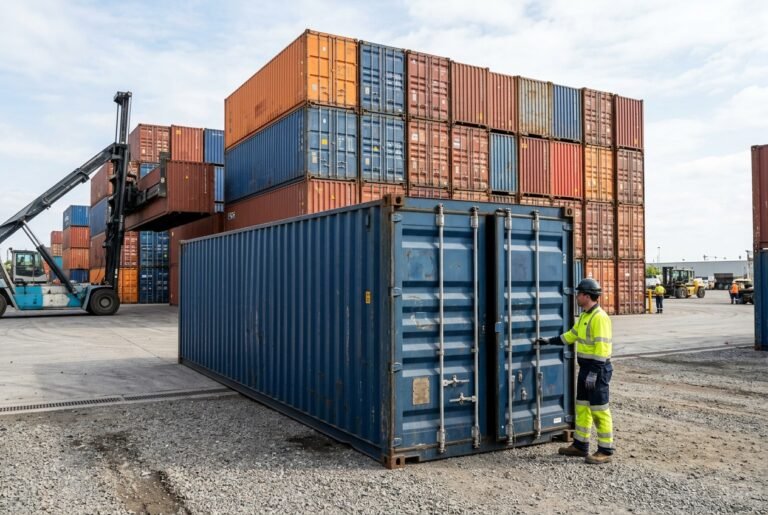
| Cargo Worthy (CW) | A used container considered suitable for cargo transport and structural use | Logistics, regional transport, export use, heavier modification plans | Stronger grade than basic storage-only units, important if the container may move loaded or need shipping approval |
| Wind & Watertight (WWT) | A used container that keeps out wind and water but is not necessarily certified for shipping | Stationary jobsite storage, farm storage, home storage, inventory overflow | Often cost-effective for storage, but inspect doors, seals, roof, flooring, and previous repairs before modifying |
One-Trip units are not untouched, showroom products. They are usually manufactured overseas, used for one loaded trip, and then sold into the storage market. Their main advantage is condition. They tend to have less rust, cleaner floors, better doors, and fewer cosmetic issues, which can matter if you are building a workspace, customer-facing pop-up, or long-term property solution.
Cargo Worthy units are used containers that still meet a higher structural expectation for cargo movement. If a logistics manager needs a container for international shipping or regional transport, CW grading matters. It is also useful when a modified container may be moved later while loaded.
WWT containers are popular for stationary storage because they can deliver solid value at a lower cost. They should keep weather out, but they are not the right choice for every conversion. If you are buying used containers for a serious modification project, a structured inspection process matters, and this used storage containers buyer checklist can help you evaluate condition before committing.
Most shipping containers are built from Corten Steel, a weathering steel designed to resist harsh outdoor conditions. They also follow standardized dimensions and corner casting layouts tied to international ISO standards, which is why they can be transported, stacked, and adapted across so many industries. When modifications are done well, they respect that original structure rather than working against it.
Size also affects value. A 20ft container is easier to place on many residential properties and jobsites, while a 40ft container offers more storage per delivered unit. A 40ft High Cube adds extra height, typically 9 ft 6 in exterior height compared with 8 ft 6 in for standard units, which can be valuable for shelving, taller equipment, insulation, or interior ceiling clearance. If you are comparing 20ft containers, 40ft containers, and High Cube options for a property layout, Lease Lane also offers a helpful guide to choosing the best storage container size for homeowners.
Modifications That Usually Add the Most Practical Value
The best modifications are not always the most expensive. Often, they are the upgrades that remove daily friction. A secure container that is hard to access may frustrate a crew. A comfortable mobile office without proper site drainage may develop moisture problems. A beautiful retail container without enough electrical planning may limit business operations.
Use this table as a practical starting point:
| Modification | Value it adds | Best-fit users | Important planning note |
|---|---|---|---|
| Lockbox or security hardware | Better protection for padlocks and stored assets | Contractors, farms, homeowners, equipment owners | Security should be paired with good placement and visibility |
| Personnel door | Faster daily access without opening heavy cargo doors | Offices, workshops, retail, frequent storage access | Door framing should be reinforced to protect structural strength |
| Roll-up door | Wide access for tools, pallets, equipment, or merchandise | Builders, warehouses, landscapers, retailers | Plan the door location around truck access and interior layout |
| Vents or mechanical ventilation | Helps reduce trapped heat and moisture | Storage, workshops, farm equipment, Southeast properties | Ventilation is not the same as full climate control |
| Insulation | Better comfort and condensation control | Offices, workshops, living-adjacent uses, High Cube conversions | Works best when paired with ventilation and properly planned HVAC |
| Electrical and lighting | Improves safety, visibility, and daily usability | Mobile offices, shops, pop-ups, contractor storage | Use qualified professionals and verify permit requirements |
| Shelving and workbenches | More organized storage and better workflow | Contractors, homeowners, service businesses | Keep weight distribution and aisle access in mind |
| Exterior paint or coating | Better appearance and added surface protection | Retail, public-facing sites, long-term property placement | Prep work matters, especially in humid or coastal environments |
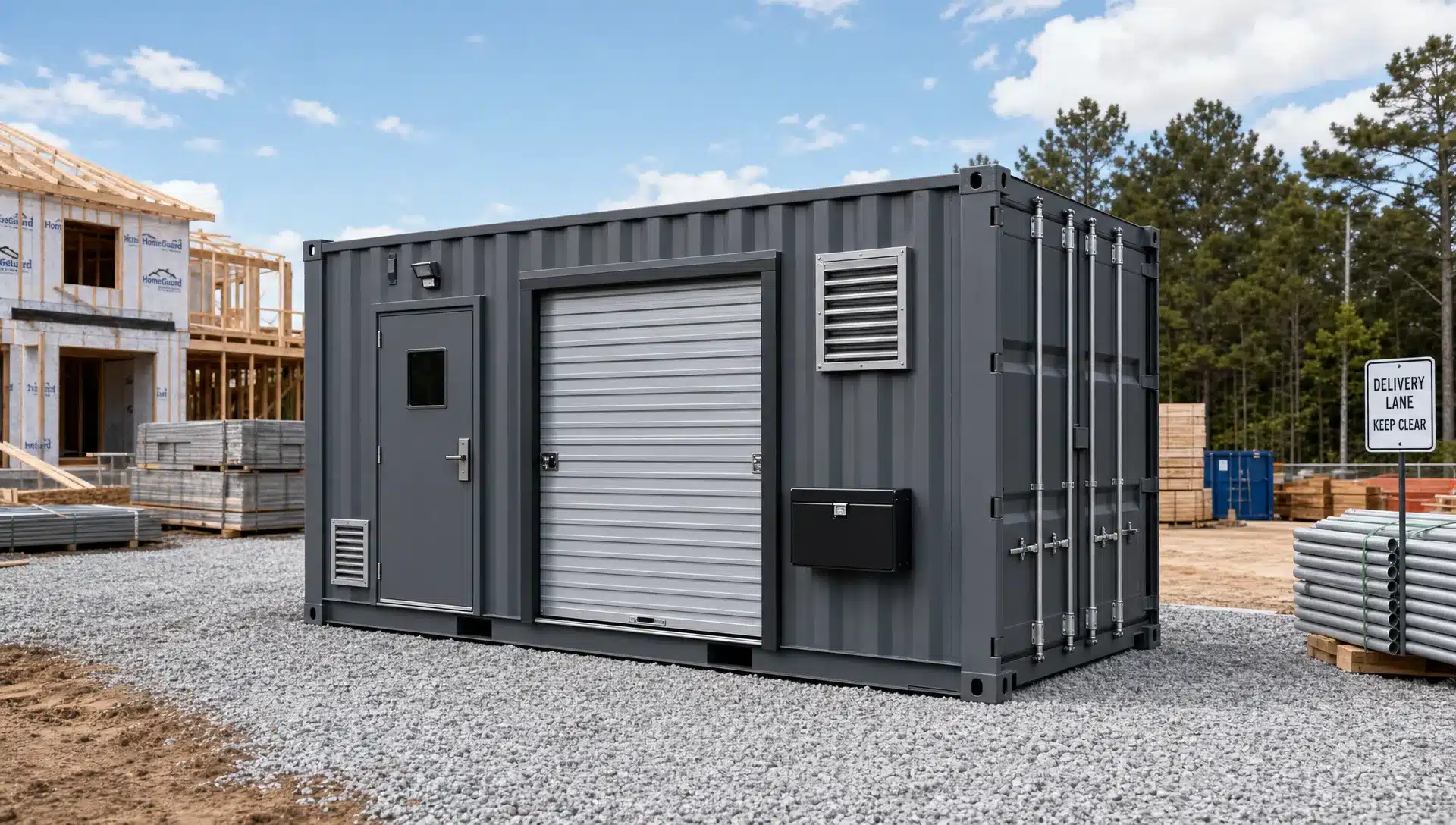
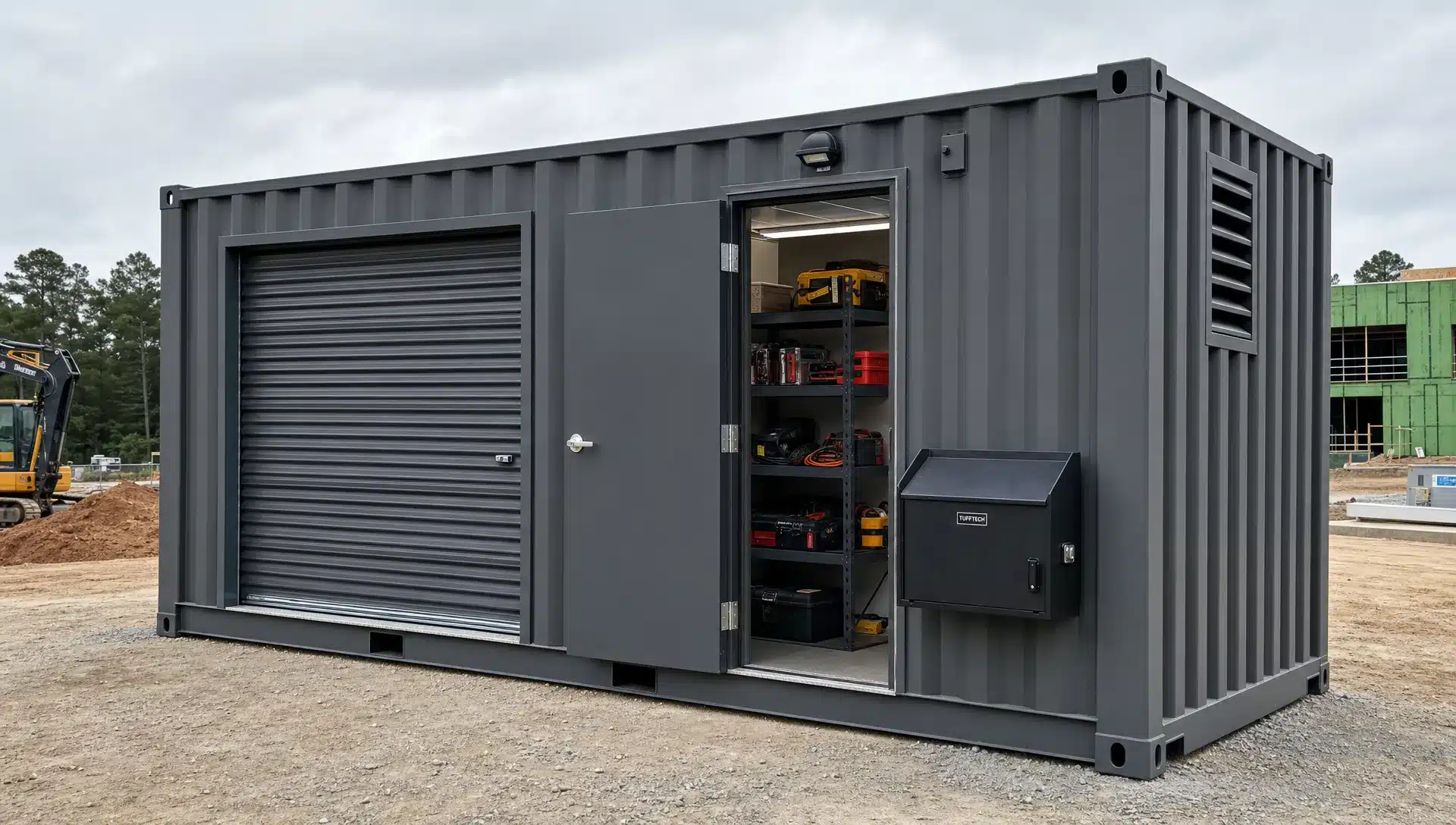
For many buyers, the highest return comes from combining simple upgrades: a secure lockbox, a personnel door, vents, lighting, and interior shelving. That combination can transform a basic storage unit into a daily-use asset without turning it into an overbuilt project.
Climate Control, Comfort, and the 10ft Use Case
Climate-related modifications deserve special attention in North Carolina and throughout the Southeast. Heat, humidity, and condensation can affect tools, paperwork, electronics, furniture, retail inventory, and stored household goods. Ventilation may be enough for basic storage, but occupied spaces or sensitive contents often require more planning.
Air conditioning can add real value when the container is used as a workspace, small office, guard station, or controlled storage area. It is not a shortcut, though. A container with AC should still be evaluated for insulation, ventilation, electrical service, drainage, and local permitting if people will spend time inside it.
For compact projects where a full 20ft unit is more space than needed, the White Modified 10ft Shipping Container with AC is a useful example of a smaller modified container designed around comfort and durability. A 10ft footprint can be attractive for tight properties, small business operations, or controlled storage needs where space efficiency matters.
Refrigerated containers, often called Reefers, are a different category. A Reefer is designed for cold-chain applications where temperature control is the core purpose, such as food, beverage, pharmaceutical, floral, or agricultural use. Adding AC to a storage container may improve comfort, but it should not be treated as the same solution as a refrigerated container for regulated cold storage.
Where Modified Storage Containers Create Value by Use Case
Different buyers define value differently. A modification that is essential for one user may be unnecessary for another.
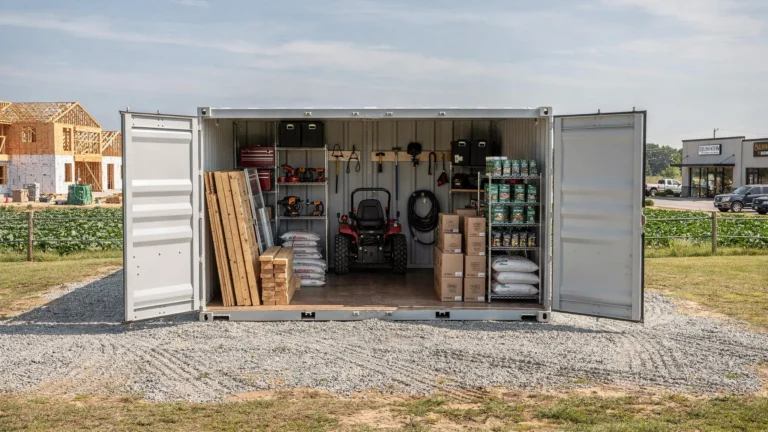
For general contractors and home builders, modified storage containers often pay off through security and efficiency. A WWT or Cargo Worthy unit with a lockbox, shelving, lighting, and a roll-up door can keep tools and materials close to the work area. Compared with scattered gang boxes or off-site storage, a well-placed container can reduce lost time and keep crews organized.
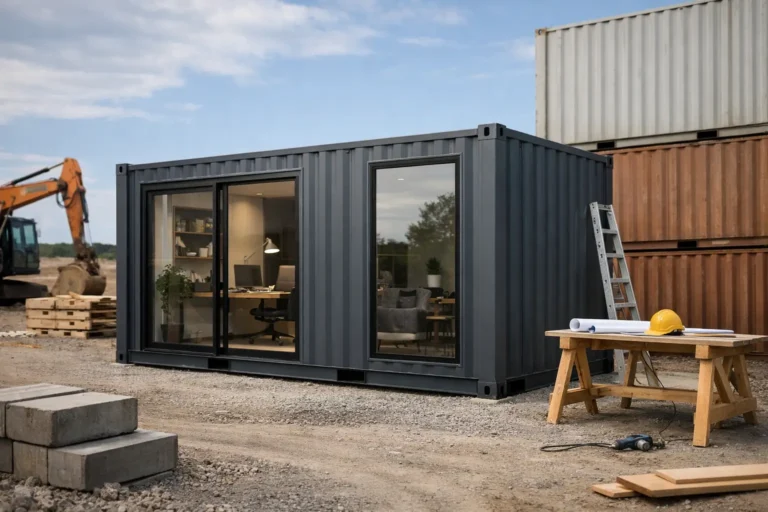
For small business owners, the best modifications are usually access, appearance, and basic comfort. A personnel door, finished entry, lighting, ventilation, and clean exterior paint can make a container more practical for inventory overflow, a mobile workspace, or a seasonal retail setup. Raleigh-area businesses that operate near events, construction corridors, or developing neighborhoods may appreciate the flexibility of a movable steel structure.
For homeowners, farms, and rural properties, value often comes from durability and low maintenance. A WWT container with vents, a secure lockbox, and a proper gravel pad can become long-term storage for lawn equipment, tools, feed supplies, renovation materials, or recreational gear. In agricultural settings, wide access doors and interior organization can matter more than cosmetic upgrades.
For real estate developers and modular builders, One-Trip and High Cube containers are often preferred starting points. Cleaner steel, extra height, and more predictable condition help when planning interior buildouts, insulation, electrical runs, and exterior finishes. The more public-facing or code-sensitive the project, the more important it becomes to involve experienced modification partners, engineers, and local officials early.
For logistics managers, value starts with grade and documentation. If the container may be used for transport, Cargo Worthy condition should be part of the conversation before modifications begin. Cutting new openings, adding equipment, or changing weight distribution can affect transport use, so modifications should be planned around cargo requirements from the start.
Pro-Tip: Prepare Your Site Before You Spend on Modifications
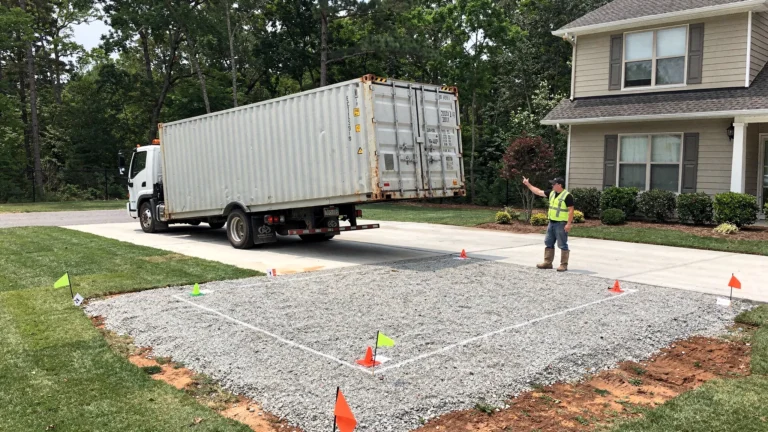
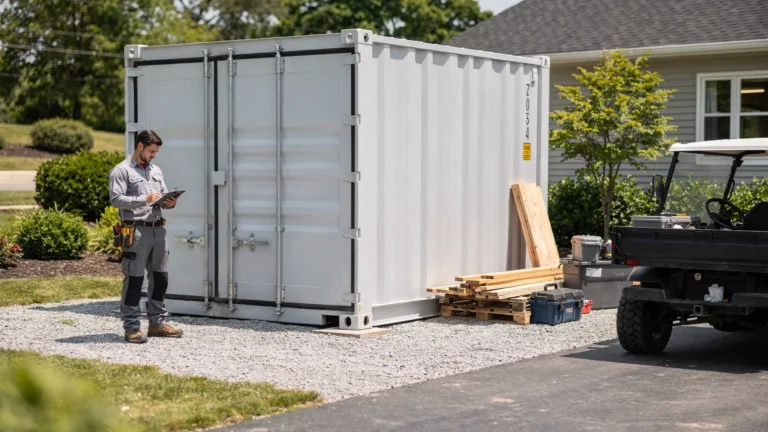
Pro-Tip: The best modification plan can still fail if the site is not ready. Before delivery, prepare a level, stable surface with good drainage. A compacted gravel pad is often a smart choice because it helps water drain away, keeps the container off soft soil, and reduces the chance that doors will bind as the unit settles.
Avoid placing a container directly on grass, mud, or uneven ground for long-term use. Steel containers are strong, but they still need support at the right points. If one corner sinks, doors may become difficult to open, seals may not sit correctly, and interior finishes can be stressed.
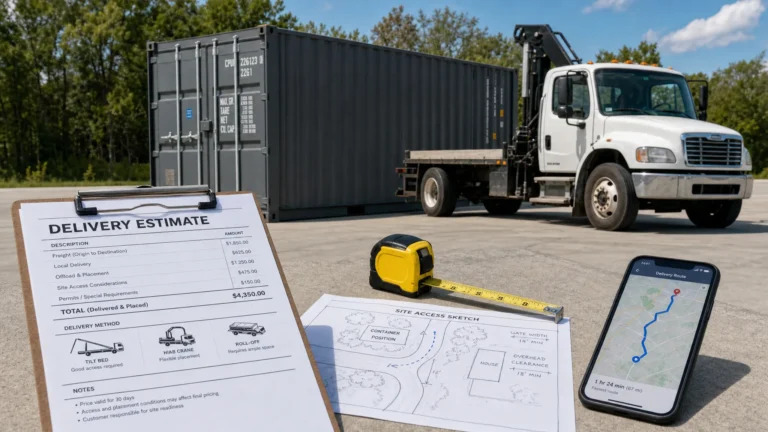
Plan delivery access before the truck arrives. Confirm driveway width, overhead branches, power lines, slope, turning radius, and the space needed to offload the unit. Tilt-bed and ground-level delivery require room for the truck to maneuver, and a tight urban lot in Raleigh may need a different plan than a farm property outside the city.
Permits are another important part of site preparation. Rules vary by city, county, zoning district, HOA, and intended use. A temporary storage container on a residential renovation site may be treated differently than a modified office, retail space, or permanent accessory structure. In Raleigh, Wake County, and surrounding Southeast municipalities, check permit requirements before adding utilities, signage, foundations, or occupancy features.
How to Avoid Paying for Modifications That Do Not Add Value
A common mistake is modifying before defining the container’s job. If the container will only store landscaping equipment, a finished interior may not matter. If it will be used daily by employees, skipping ventilation, lighting, and easy access may cost more in frustration than the upgrades would have cost upfront.
Another mistake is cutting into a container without proper reinforcement. Doors, windows, vents, and pass-throughs can all be useful, but openings remove steel. That steel contributes to the container’s rigidity, especially in the side walls and roof line. Any substantial opening should be framed correctly so the unit remains durable.
Climate control is another area where buyers can overspend or underspend. In Raleigh’s humid climate, AC without insulation may work harder than expected, while insulation without ventilation can still leave moisture issues. The best design considers heat, humidity, condensation, electrical load, and how often people will be inside.
Finally, avoid over-customizing a container if flexibility matters. A simple storage unit with smart access and security may be easy to relocate or resell later. A highly specific interior buildout may be valuable only to one use case. Real value comes from matching the modification level to the expected life of the project.
Questions to Ask Before Ordering a Modified Storage Container
Before you buy, clarify the use case with your supplier. A qualified container team should ask what you are storing, where the container will sit, how often it will be accessed, whether people will work inside it, whether it will need utilities, and whether it may move in the future.
You should also confirm the grade in writing. Ask whether the unit is One-Trip, Cargo Worthy, or Wind & Watertight. Ask about door condition, flooring, roof condition, visible rust, previous repairs, and whether the container is standard height or High Cube. If you are buying for transport, discuss Cargo Worthy requirements before making modifications.
Delivery planning should happen early, not after payment. A clean, well-modified container still needs to reach your site safely. For customers in Raleigh, across North Carolina, throughout the Southeast, and nationwide, a clear delivery plan can prevent delays and surprise costs.
Frequently Asked Questions
Are modified storage containers worth it? Yes, when the modifications match the use case. Lockboxes, doors, vents, shelving, insulation, lighting, and climate control can add real value if they improve security, access, comfort, or organization.
Which container grade is best for modifications? One-Trip containers are often best for clean, public-facing, or office-style conversions. Cargo Worthy units are useful when transport or structural certification matters. WWT containers can be a strong value for stationary storage, but they should be inspected carefully.
Can a WWT container be turned into a mobile office? It can be modified, but it may not be the best starting point for every office project. If appearance, insulation, electrical work, and long-term comfort matter, a One-Trip or high-quality Cargo Worthy unit may provide better value.
Do modified containers need permits in Raleigh? They may. Permit requirements depend on location, zoning, duration, utilities, foundation, signage, and whether people will occupy the space. Always check with the City of Raleigh, Wake County, your municipality, or your HOA before installation.
Is a High Cube container better for modifications? High Cube containers are often better for offices, workshops, insulated interiors, tall equipment, and shelving because the added height creates more usable space. For simple ground-level storage, a standard-height unit may be enough.
What is the difference between AC and a Reefer container? AC can improve comfort in a modified container, especially for workspace use. A Reefer container is built for refrigerated storage and cold-chain applications. They solve different problems, so the right choice depends on what you need to protect.
Plan a Modified Container That Works in the Real World
Modified storage containers add the most value when the grade, size, modifications, delivery plan, and site preparation all work together. Lease Lane Containers LLC helps customers in Raleigh, across the Southeast, and nationwide choose clean, practical container solutions for storage, jobsites, businesses, farms, logistics, and modular projects.
To discuss your project, compare One-Trip, Cargo Worthy, and WWT options, or plan a delivery site, contact the sales team at sales@leaselanecontainers.com or visit the Raleigh office to speak with Lease Lane Containers LLC.