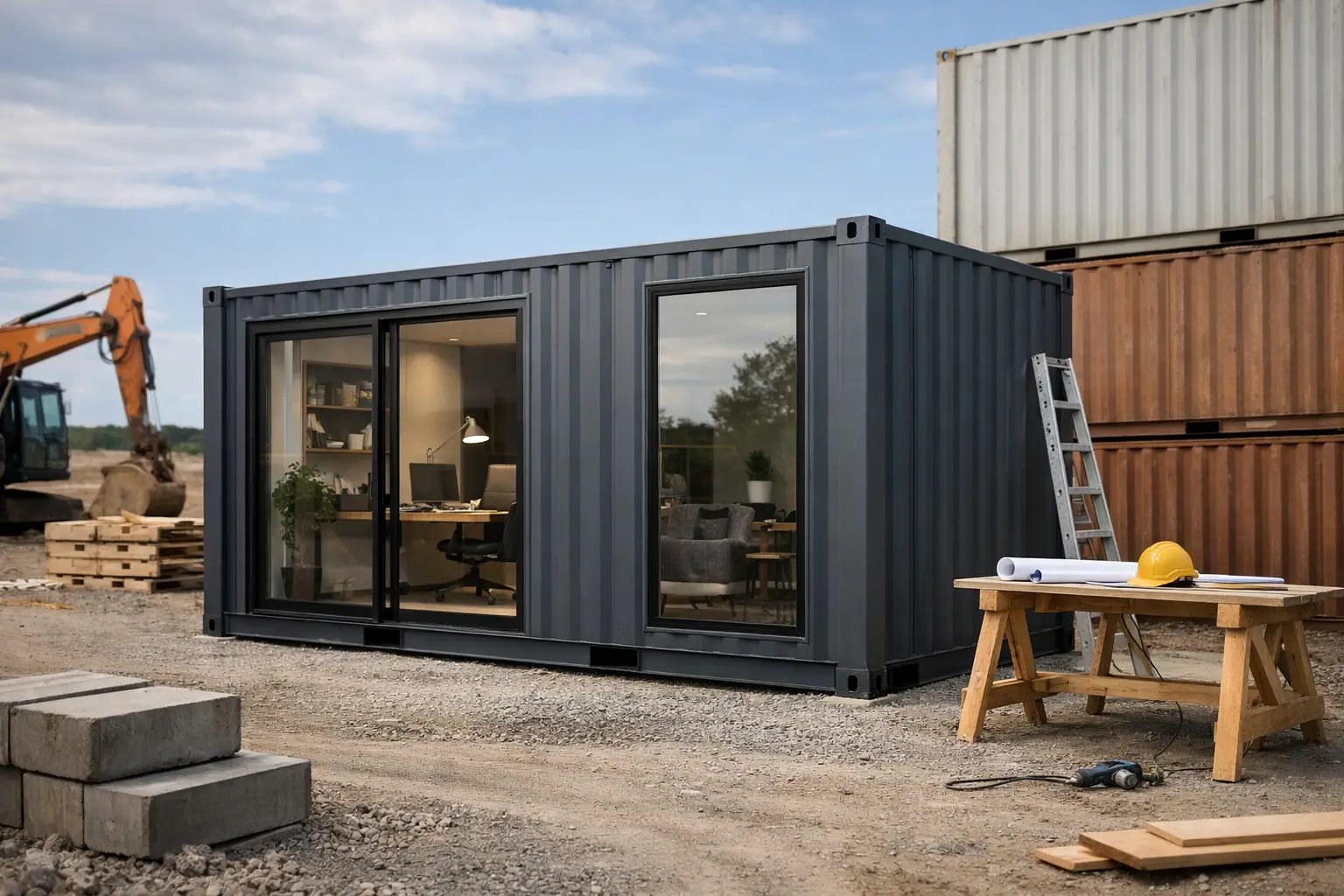
Container Home Office Guide for Smart Builds
A backyard office sounds simple until the container arrives and you realize the truck cannot clear the gate, the slab is out of level, or the summer heat turns the interior into an oven. A good container home office guide starts before design finishes or paint colors. It starts with structure, delivery access, and the real-world decisions that affect cost, comfort, and timeline.
For most buyers, a container office works because it is secure, durable, and faster to set in place than a ground-up detached office. But not every container is the right candidate, and not every site is ready for one. If you want a workspace that feels intentional instead of improvised, the details matter.
What makes a container office a practical option
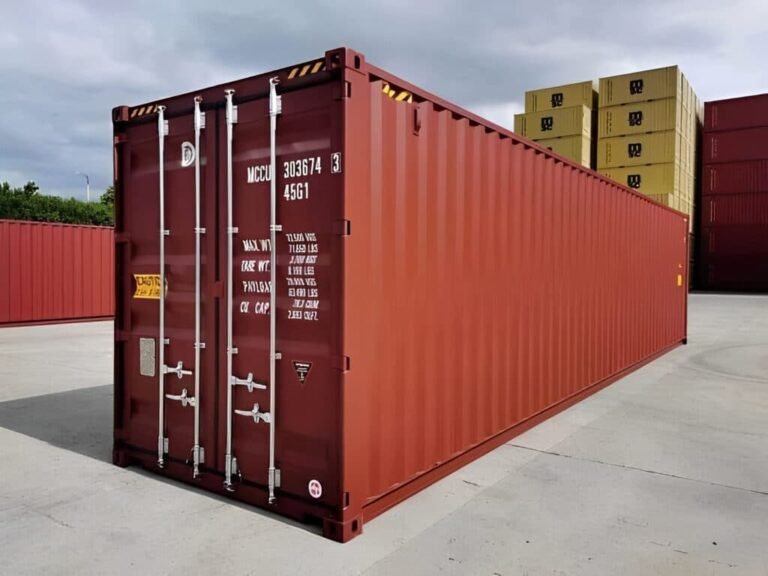
Shipping containers are built from Corten steel and designed for stacking, transport, and harsh weather. That gives you a strong shell with predictable dimensions and a high level of physical security. For homeowners, that can mean a private office separated from the house. For contractors and small business operators, it can mean an on-site workspace that also protects tools, files, and equipment after hours.
The biggest advantage is speed. A container office can move from concept to installed shell much faster than a conventional detached structure, especially if your site is already accessible and your local permit path is straightforward. The trade-off is that steel boxes behave differently than stick-built rooms. They need thoughtful insulation, careful ventilation, and a realistic plan for doors, windows, and power.
Choosing the right container for a home office
A practical container home office guide should begin with size and condition. Those two choices set the direction for budget, appearance, and how much modification work makes sense.
20-foot vs. 40-foot container
A 20-foot container is often the better fit for a single-person office. It is easier to place on smaller residential lots, typically costs less to deliver, and can provide enough room for a desk, storage, lighting, and climate control without feeling excessive. If you want a focused work area rather than a studio, the 20-foot size is usually the cleanest solution.
A 40-foot container gives you more flexibility. You can divide the space into a main office plus storage, a meeting corner, or even a small restroom if local code and plumbing access allow it. The trade-off is site demand. A 40-foot unit requires more room for delivery and positioning, and those logistics can add cost fast if the drop is tight.
Standard height vs. high cube
High cube containers add roughly one extra foot of interior height. That may not sound like much on paper, but it matters in a finished office. Once you add framing, insulation, and ceiling materials, every inch counts. If comfort and finished appearance matter, a high cube often justifies the premium.
New, used, or refurbished
A one-trip container is usually the best option when aesthetics matter and you want fewer variables. It has made a single cargo trip, so it generally has minimal wear, cleaner surfaces, and a more uniform appearance. For a backyard office where you will be adding windows, doors, and interior finishes, that can reduce prep work.
A used Wind & Watertight container can still be a solid choice if the structure is sound and your budget is tighter. Just be realistic. Cosmetic dents, surface rust, and prior patching may be acceptable for storage, but they can complicate a polished office build. Refurbished units can offer a middle ground if the seller is clear about what work was done.
Site preparation is where projects stay on track or go sideways
Most avoidable problems happen before the container is delivered. The shell may be standardized, but the site never is.
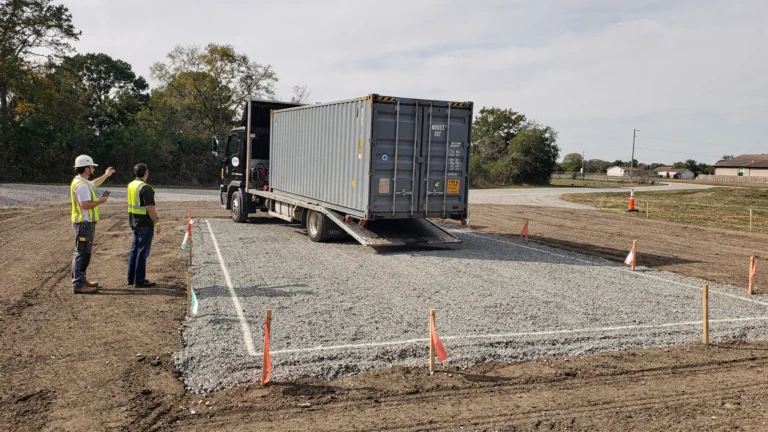
You need stable, level support. Depending on soil conditions, that may be a gravel pad, concrete piers, strip footings, or a full slab. The right answer depends on drainage, frost considerations, local code, and whether the container will remain mostly intact or be heavily modified. Cutting large openings changes load paths, so support planning should match the final design, not just the delivery day setup.
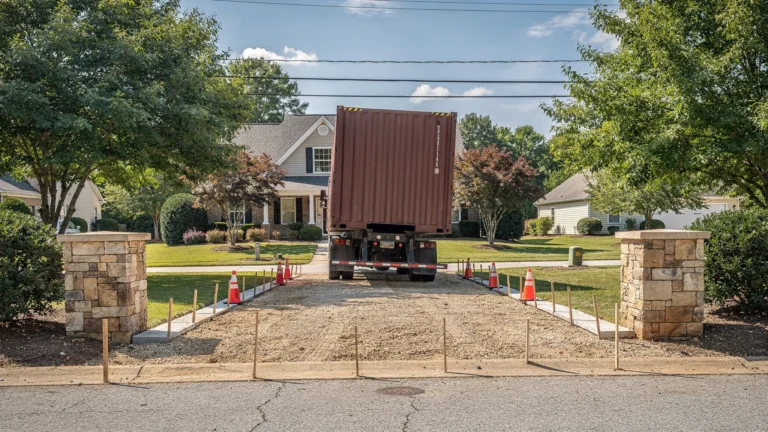
Access matters just as much as the foundation. Tilt-bed and ground-level deliveries need enough clearance for truck approach, turning radius, overhead wires, tree limbs, fences, and soft ground. A site can look accessible and still fail on delivery day because the truck cannot line up properly. This is where a logistics-first supplier adds value. Clear delivery planning prevents expensive rescheduling and reduces the risk of container placement in the wrong location.
Insulation, ventilation, and moisture control
A bare steel container is not an office. It is a shell. The difference between a usable workspace and a frustrating one comes down to thermal performance and air management.
Steel transfers heat quickly, so insulation is not optional in most US climates. Spray foam is common because it adds insulation and helps control condensation by sealing interior surfaces. Rigid board and framed wall systems can also work, but they require more attention to air gaps and moisture risk. In humid areas, poor insulation details can lead to condensation behind finished walls, and that is the kind of hidden problem that becomes expensive later.
Ventilation matters too. If the office will be occupied daily, plan for mechanical cooling and fresh air, not just a window fan. A mini-split system is often the most practical option because it handles both heating and cooling efficiently. If the unit will also store equipment or paper records, stable temperature and humidity become even more important.
Windows, doors, and structural modifications
Natural light makes a container office more comfortable, but every cut into the steel shell should be planned carefully. Containers are strong because of their corrugated sidewalls, corner posts, and overall structural geometry. Once you cut in large windows or remove wall sections, reinforcement may be needed.
That does not mean you should avoid modifications. It means you should make them deliberately. One personnel door, a few well-placed windows, and proper framing can transform the space without creating unnecessary structural complexity. If you want a wall of glass, larger sliding doors, or connected multi-container layouts, involve qualified fabricators and check local engineering requirements early.
Security should stay part of the plan. An office often contains electronics, documents, and tools. Choose commercial-grade doors, quality lock hardware, and window placements that balance daylight with privacy and theft deterrence.
Power, data, and workday function
Many container office plans look good on paper but miss the daily-use details. Think beyond where the desk goes. Plan for enough circuits, outlet locations, task lighting, exterior lighting, internet access, and backup power if your work cannot tolerate outages.
If the container will sit far from the main house or primary building, trenching for electric and data may become a meaningful line item. In some cases, wireless internet is fine. In others, especially for video calls, file transfers, or business systems, hardwired service is worth the effort. The right setup depends on your property and how critical uptime is.
It is also smart to decide early whether the office is purely office space or a hybrid office-storage unit. That affects layout, flooring, shelving, and HVAC sizing. A cleaner separation between workspace and storage usually leads to a better finished result.
Permits, zoning, and neighborhood realities
Before you buy a container, check local zoning and building requirements. Some jurisdictions treat container-based structures differently from accessory buildings, and HOA rules may be stricter than municipal code. The questions are straightforward: Is a container office allowed, what setbacks apply, what permits are required, and what inspections will be triggered by electrical, structural, or plumbing work?
This step can feel slow, but it is cheaper than redesigning after delivery. If appearance standards apply, that may also influence whether you choose a newer one-trip unit, exterior cladding, or additional landscaping.
Budgeting without surprises
The container itself is only one part of the cost. Buyers often focus on the shell price and underestimate site work, delivery, modifications, insulation, HVAC, electrical, interior finishing, and permitting. For a simple office, those secondary costs can equal or exceed the container purchase.
That does not make the project a bad value. It just means the right question is not, “How cheap is the container?” It is, “What will the completed office cost to install correctly?” Verified container grade, transparent delivery planning, and clear scope on modifications are what keep the budget honest.
If you are comparing options, ask for exact dimensions, grade definitions, delivery method, and any assumptions about site readiness. Terms like Cargo Worthy and Wind & Watertight should be explained plainly, not used as vague selling points. A dependable supplier will tell you where cosmetic condition, structural condition, and logistics intersect.
When a container office is the right fit
A container office makes the most sense when you need security, fast deployment, and a durable shell that can handle years of use. It is a strong fit for homeowners who want a detached workspace, for contractors who need field-office functionality, and for rural properties where weather resistance matters.
It may be a weaker fit if your site has very limited access, your jurisdiction resists container structures, or your design requires so many structural changes that conventional construction becomes more practical. There is no benefit in forcing the container approach when the site says otherwise.
If you treat the project like a small building rather than a simple box drop, you will make better decisions from the start. The best container office projects are not the ones with the most features. They are the ones with clear specifications, realistic site planning, and no fine print hiding in the delivery or build scope.
The smart next step is to sketch the office you actually need, then pressure-test the boring parts first – access, foundation, permits, insulation, and power. That is where a good build earns its value.