Choosing a Shipping Container for Farm Equipment
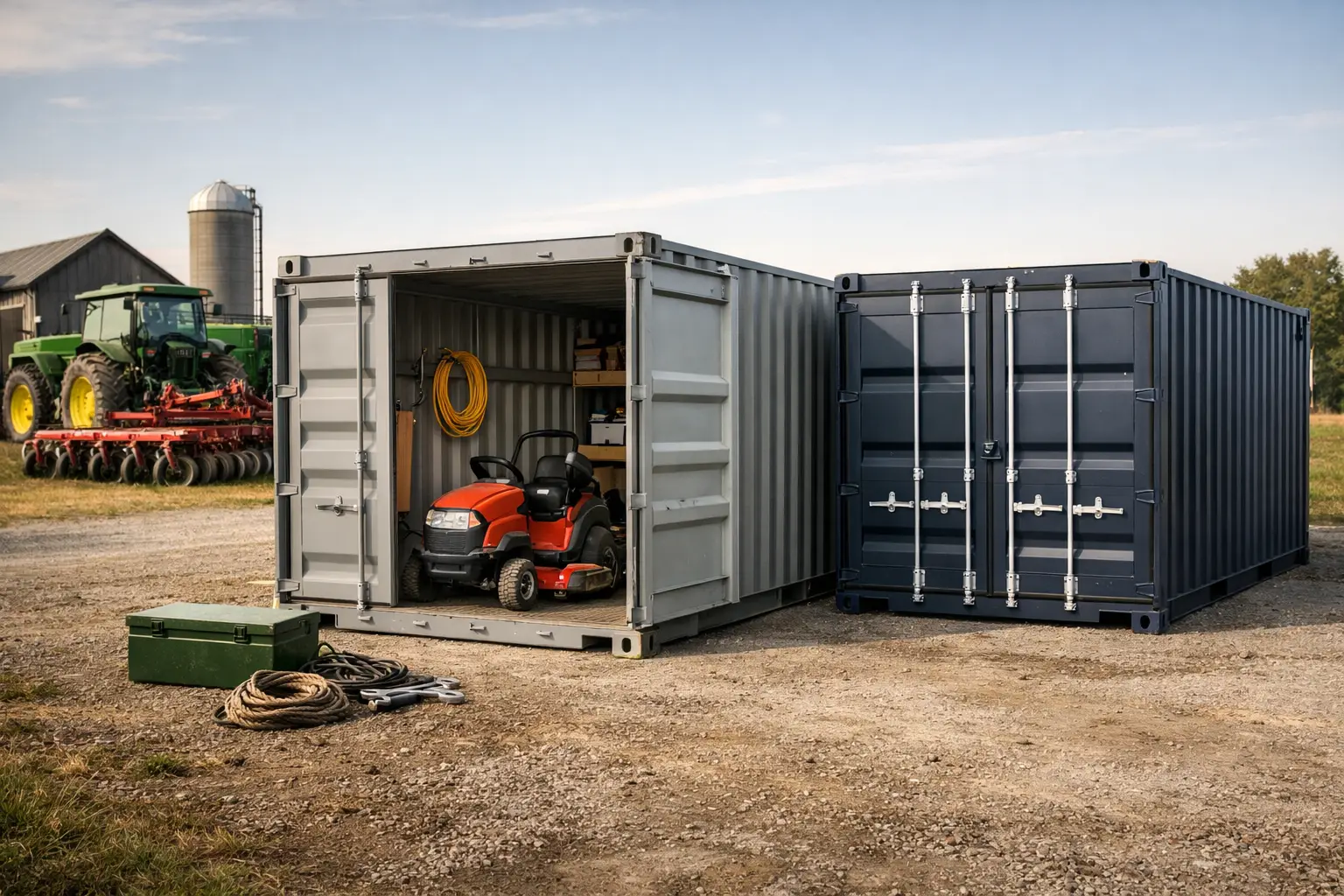
A shipping container for farm equipment can solve a costly problem quickly: keeping tractors, implements, parts, seed, tools, and supplies protected when the machine shed is full or too far from the work area. The right unit provides lockable, weather-resistant storage that can be delivered near a field, livestock operation, shop, or equipment yard. The wrong unit can create access issues, trapped moisture, or delivery problems that add expense before you store the first attachment.
For most agricultural operations, the decision comes down to four practical questions: what must fit inside, how often it needs to be accessed, what container condition is appropriate, and whether the site can accept delivery safely. Clear answers upfront prevent surprises later.
Start With Equipment Size and Access Needs
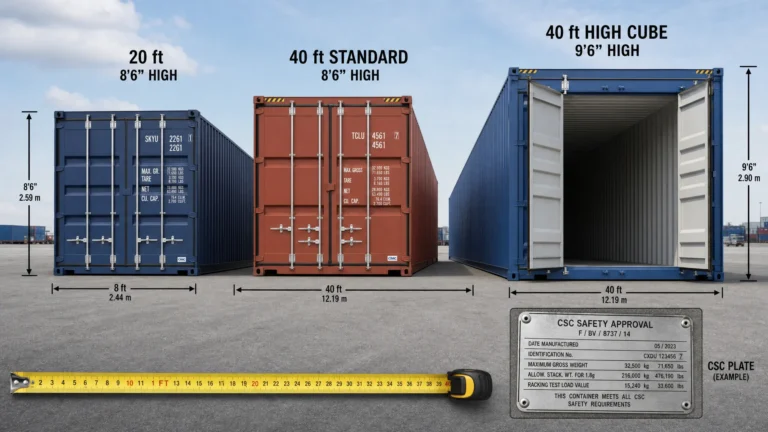
Container length matters, but door clearance and aisle space matter just as much. Standard shipping containers are approximately 8 feet wide externally, with an interior width just under 7 feet 8 inches. The door opening is narrower than the interior, typically around 7 feet 8 inches wide and 7 feet 5 inches high on a standard-height unit.
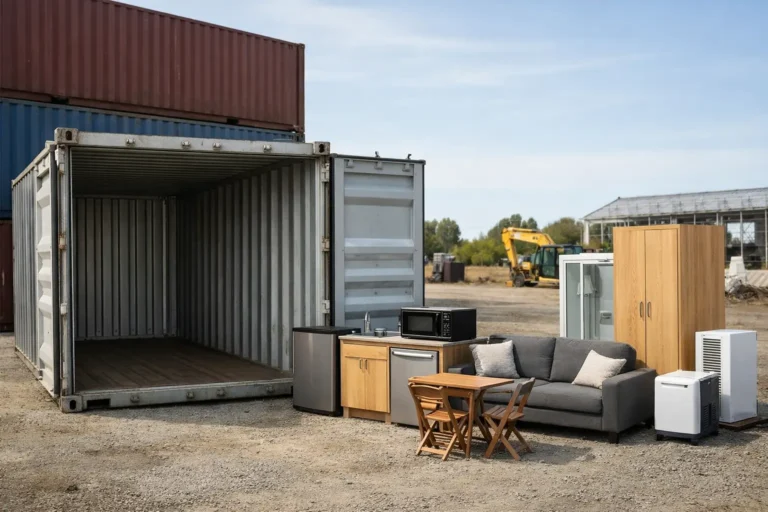
That is enough room for hand tools, chainsaws, pressure washers, small implements, fencing supplies, maintenance inventory, and many compact attachments. It is not automatically enough for every tractor, side-by-side, mower, or skid steer. Measure the widest point of the equipment, including mirrors, tires, loader arms, cabs, and mounted attachments. Also account for the height at the door opening rather than relying only on an equipment brochure.
A 20-foot container is often the practical choice for a field storage point or a compact maintenance area. It has roughly 1,170 cubic feet of interior capacity and can hold supplies without consuming a large footprint. A 40-foot container works better for larger inventories, multiple attachments, seasonal equipment, or a combined storage and work area. Its interior length is about 39 feet 5 inches, but a longer unit requires more room for delivery and placement.
High-cube containers add approximately one foot of interior height. That extra clearance can be useful for tall shelving, stacked materials, larger parts inventory, or equipment with rollover protection structures. However, high-cube availability and delivery pricing can vary by market, so it is worth confirming the complete delivered cost before selecting one.
Do Not Treat a Container Like a Drive-Through Barn
Standard containers have cargo doors on one end. If equipment will move in and out frequently, the storage layout needs to allow for it. A tractor attachment stored behind pallets of feed bags or spare parts becomes inconvenient quickly.
For frequent access, place the most-used items near the doors and leave a center path where possible. If the operation needs entry from both ends, a tunnel container with doors at each end may be a better fit. For equipment that stays in storage for months at a time, a standard single-door container is usually sufficient and more widely available.
Choose the Right Container Grade for Farm Use
Container condition should match the value of what you are protecting and the appearance you need on the property. A lower upfront price is not always the lowest-cost choice if it brings avoidable repairs, water intrusion risk, or door operation issues.
A one-trip container is a newer unit that has typically made a single loaded trip from the manufacturer. It generally has cleaner paint, fewer dents, newer door seals, and a more uniform appearance. For a farm storefront, visible driveway location, high-value equipment storage, or a long-term workshop conversion, one-trip condition can justify the added cost.
A used Wind and Watertight, or WWT, container is a common option for agricultural storage. It should have functioning doors, an intact roof, and no holes that allow wind or rain inside. Cosmetic dents, surface rust, previous markings, and floor wear are normal on used units. WWT is often a sensible grade for securely storing implements, tools, and materials where appearance is secondary to weather protection.
Cargo Worthy containers meet standards for international transport and have a valid or recent inspection status for shipping use. That level of certification is valuable when the container will move freight by rail or vessel. For stationary farm storage, Cargo Worthy may be more than necessary unless you also need transport certification.
Ask for verified specifications and clear grade descriptions. “Used” alone does not explain whether the unit is watertight, whether the doors close properly, or whether repairs have been made. A transparent container provider should explain the grade, expected cosmetic condition, and any relevant delivery limitations before scheduling.
Protect Equipment From Moisture, Not Just Rain
Corten steel container walls are durable, but a closed steel box can collect condensation when outdoor temperatures shift. This is especially relevant for farm equipment with electronics, batteries, bearings, hydraulic fittings, and steel surfaces that can rust over time.
Keep the container slightly elevated on stable supports so air can circulate beneath it and water does not pool around the base. Proper ventilation is often worth considering for long-term storage, particularly in humid parts of the Southeast. Passive vents can reduce trapped heat and moisture, while a powered ventilation setup may make sense for a container used as a workshop.
Avoid placing wet equipment directly inside after washing or working in muddy conditions. Let it dry when possible, clean off corrosive fertilizer residue, and store attachments on blocks or racks instead of directly on the container floor. Most containers use thick marine-grade plywood flooring, but that does not mean the floor should be treated as maintenance-free.
If chemicals, fuels, or agricultural inputs will be stored inside, verify applicable local fire, environmental, and insurance requirements first. A storage container is excellent for many farm supplies, but it is not a substitute for a compliant hazardous-material storage plan.
Build a Site That Supports the Container
A container needs a level, stable base. It does not always require a full concrete slab, but it does need support that prevents twisting and allows the doors to operate correctly. If the container frame is out of square because one corner settles, the cargo doors can become difficult to open and close.
Compacted gravel, concrete pads, railroad ties in suitable applications, or engineered foundation blocks can all work depending on soil conditions and intended use. The key is to support the corner castings and ensure drainage moves away from the container. For a long-term installation or a container that will be loaded with heavy parts, consult a qualified site or foundation professional if there is any concern about soft ground, slope, or drainage.
Plan enough clear space around the unit for door operation, maintenance, and delivery equipment. Brush, low branches, soft shoulders, overhead utility lines, and tight gates can all prevent a delivery truck from reaching the planned location.
Understand Delivery Before You Order
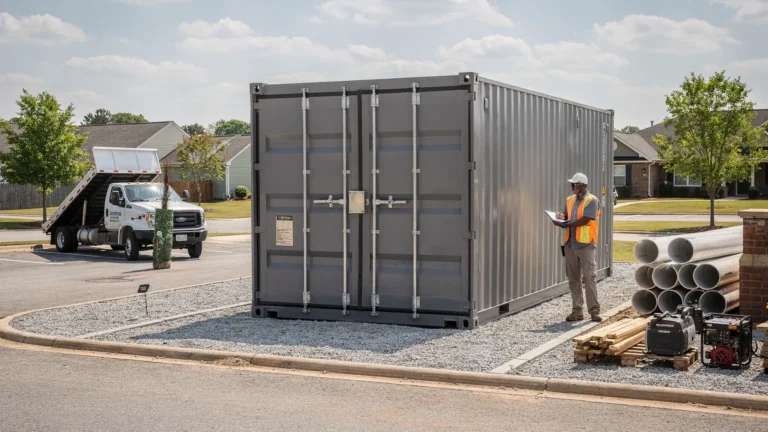
Container delivery is not a simple curbside drop. A tilt-bed truck needs room to maneuver and slide the container off the trailer. Ground-level delivery can be highly convenient, but it requires a straight, firm approach and adequate overhead clearance. The exact clearance needed depends on container length, truck configuration, and site conditions.
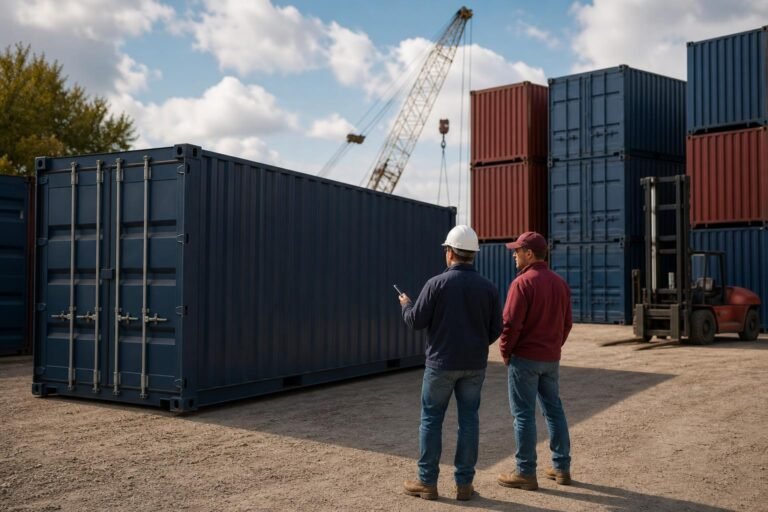
Send current site photos and describe the approach road, gate width, turns, overhead lines, and preferred placement direction before delivery is booked. If access is limited, crane placement or another delivery method may be required. Discussing this early is the best way to avoid a failed delivery attempt, extra equipment charges, or a container placed somewhere that does not work for daily operations.
Add Security That Matches the Equipment Value
The container itself is a strong physical barrier, but the door hardware deserves attention. A lockbox shields a padlock from bolt cutters and makes unauthorized access more difficult. This is a practical upgrade for remote acreage, construction-adjacent farm sites, or locations where tractors and high-value tools are stored after hours.
For a container used as a parts room or workshop, shelving, tool racks, interior lighting, and a personnel door can improve usability. Modifications should support the actual workflow, not simply add features. Cutting openings into a container without proper reinforcement can affect structural performance, so any major modification should be planned carefully.
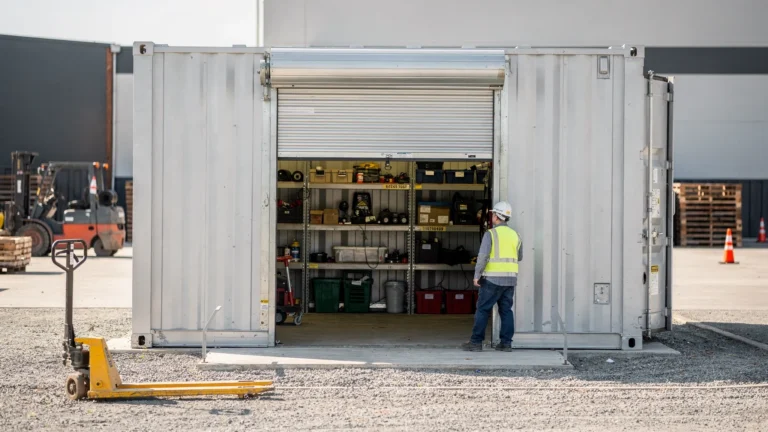
A shipping container can also help organize an equipment yard. Separate frequently used field tools from long-term seasonal inventory, label storage zones, and keep expensive components off the ground. The result is less time searching for parts and less exposure to theft, rain, and sun damage.
Before selecting a unit, measure your largest item, walk the delivery route, and decide how the container will be used six months from now, not only on delivery day. That preparation turns a steel box into dependable working storage that supports the pace of the farm.