20ft Container Shipping: Cost, Access, and Delivery
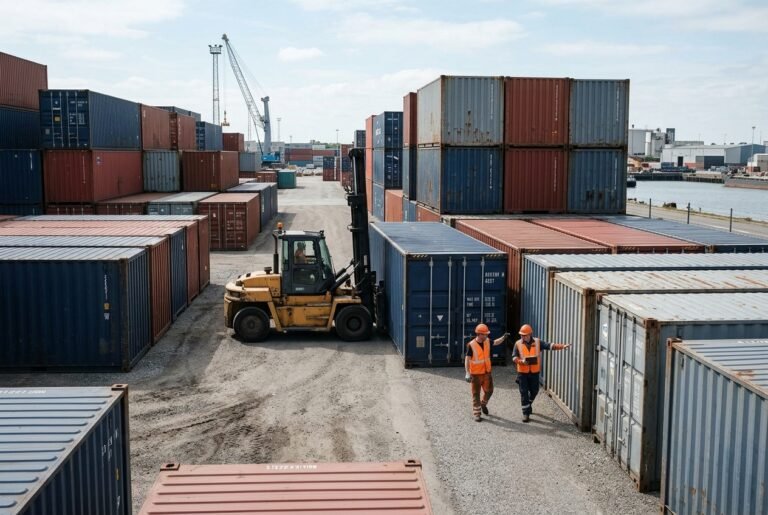
For many buyers, 20ft container shipping means more than moving freight from port to port. It means getting a clean, secure steel container delivered to a job site, farm, retail lot, warehouse, or residential property without surprises on price, access, or placement.
A 20ft shipping container is popular because it fits where a 40ft unit may not. General contractors in Raleigh can stage tools near a build site. Small businesses can handle inventory overflow. Homeowners can create durable property storage. Logistics teams can use Cargo Worthy units for transport. But the total cost depends on more than the container itself.
The right decision comes down to three questions: what grade do you need, how will you access the container once it is placed, and can the delivery truck safely reach the drop spot?
What a 20ft Shipping Container Actually Includes
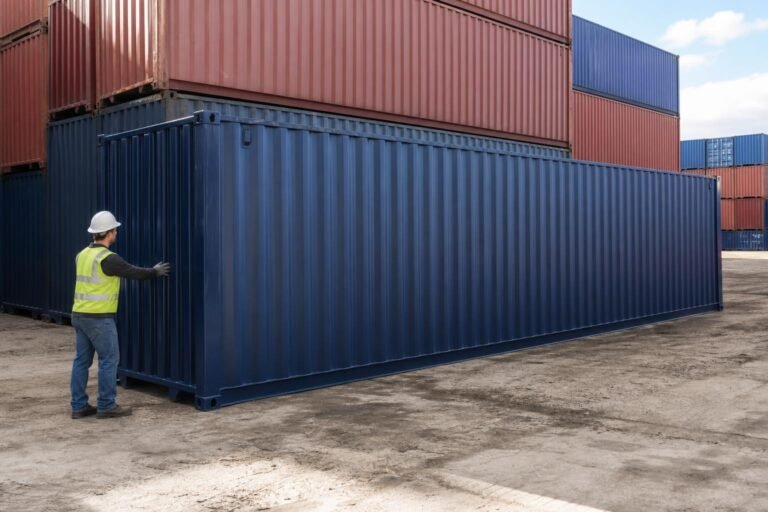
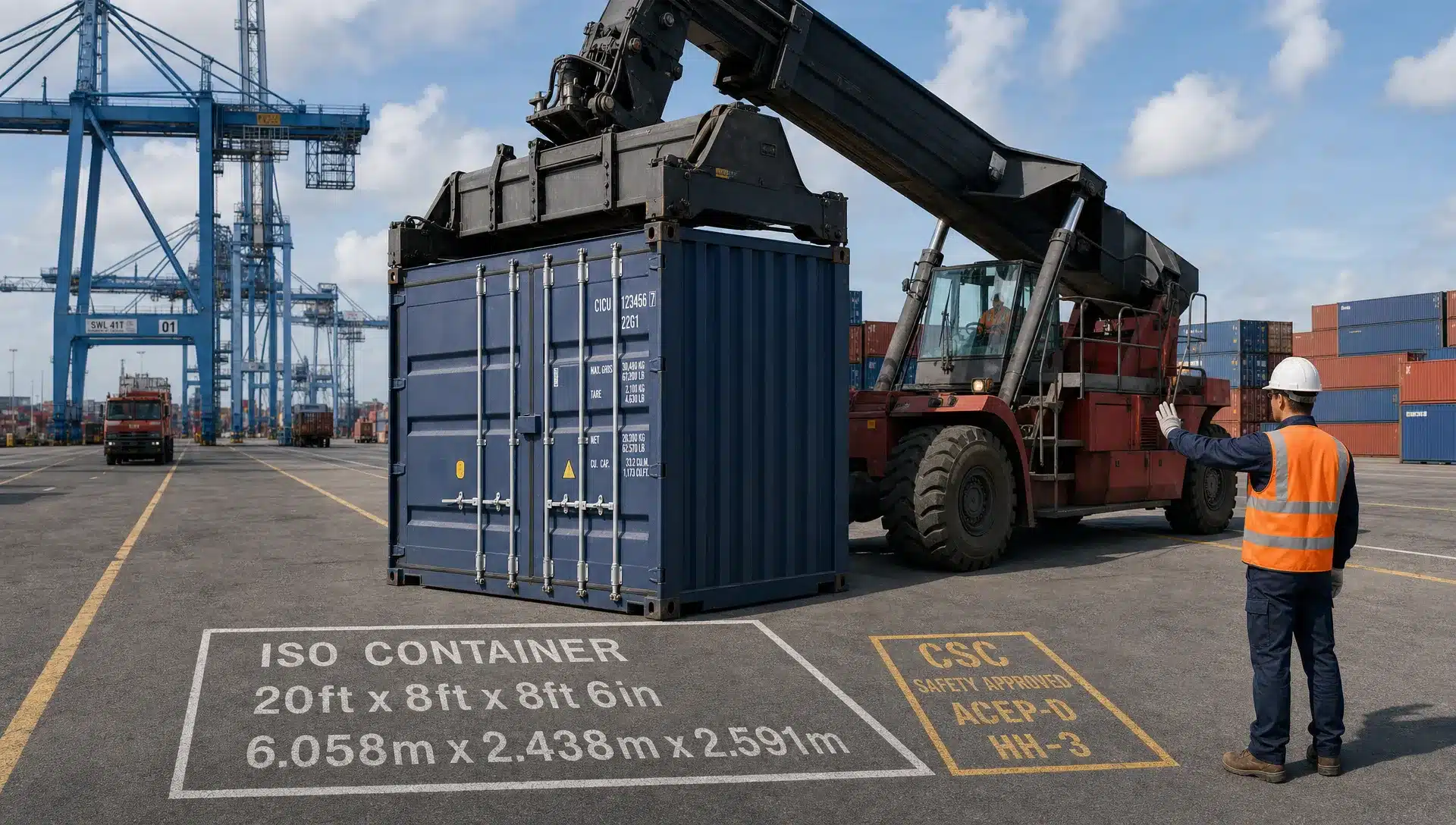
A standard 20ft container is an ISO intermodal unit built to standardized dimensions, with corner castings designed for lifting, stacking, and transport. Most are built from Corten Steel, a weathering steel valued for durability in harsh outdoor conditions. That construction is one reason shipping containers perform so well across North Carolina, the Southeast, and nationwide job sites.
Typical dimensions vary slightly by manufacturer, but most standard 20ft dry containers are close to the following:
| Specification | Standard 20ft container | 20ft High Cube container |
|---|---|---|
| Exterior length | 20 ft | 20 ft |
| Exterior width | 8 ft | 8 ft |
| Exterior height | 8 ft 6 in | 9 ft 6 in |
| Interior length | About 19 ft 4 in | About 19 ft 4 in |
| Interior width | About 7 ft 8 in | About 7 ft 8 in |
| Interior height | About 7 ft 10 in | About 8 ft 10 in |
| Floor space | About 150 sq ft | About 150 sq ft |
The High Cube version adds about one extra foot of interior height, which can matter if you need taller shelving, equipment storage, or a more comfortable modified workspace. High Cube 20ft units are less common than standard-height units, so availability and pricing can vary by market.
If you are comparing sizes and want a buyer-focused breakdown, Lease Lane’s guide on how to shop for a 20 ft shipping container for sale is a helpful next step.
20ft Container Shipping Cost: What Drives the Total Price?
The total delivered cost of a 20ft container is usually made up of the container price, delivery distance, unloading method, local access conditions, and any add-ons or modifications. Buyers sometimes focus only on the advertised container price, but the practical number is the landed cost at your property.
In general, a used Wind & Watertight unit costs less than a Cargo Worthy or one-trip unit. A one-trip container usually costs more because it has only made one ocean journey and has less wear. Delivery costs depend heavily on mileage, fuel, equipment, and whether the truck can place the container without special handling.
For deeper pricing context, including typical market ranges and condition factors, see Lease Lane’s 20ft shipping container price guide. The key takeaway is simple: two containers with the same dimensions can have very different delivered prices depending on grade and logistics.
| Cost factor | Why it matters | Common buyer impact |
|---|---|---|
| Container grade | Determines condition, lifespan, and transport eligibility | One-trip and Cargo Worthy units typically cost more than WWT units |
| Delivery distance | Trucking is a major part of the landed cost | Local Raleigh-area delivery may price differently than long-haul delivery |
| Unloading method | Tilt-bed, flatbed, crane, or side-loader options affect cost | Difficult placements may require extra equipment |
| Site access | Narrow gates, soft soil, trees, slopes, and power lines can slow or prevent delivery | Poor access can add cost or require a new drop spot |
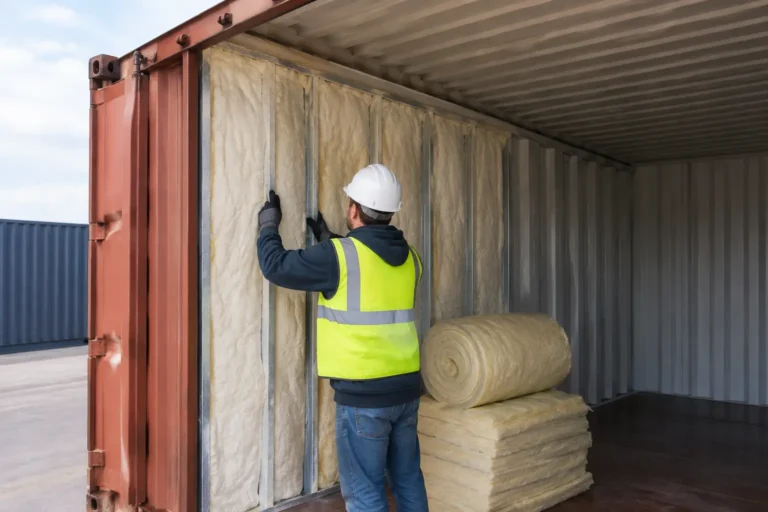
| Modifications | Doors, vents, lockboxes, insulation, electrical prep, or office buildouts add labor and materials | Modified units require a more detailed quote |
| Permits and zoning | Rules vary by city, county, HOA, and use case | Temporary job-site storage may be treated differently than permanent placement |
A 20ft container is not always half the delivery cost of a 40ft container. The truck, driver time, dispatch, and route planning can be similar. The savings usually come from the container price, easier placement, and better fit on tighter properties.
Container Grades: One-Trip vs. Cargo Worthy vs. WWT
Understanding grade is essential before you buy, especially if the container will be used for shipping cargo rather than stationary storage. At Lease Lane Containers LLC, grade transparency is a core part of helping buyers choose correctly.
One-Trip containers are the closest option to new in the shipping container market. They have typically made one loaded trip from the manufacturing region to the destination market. They may have minor handling marks, but they usually offer the cleanest appearance, strongest doors, longest expected service life, and best starting point for modifications.
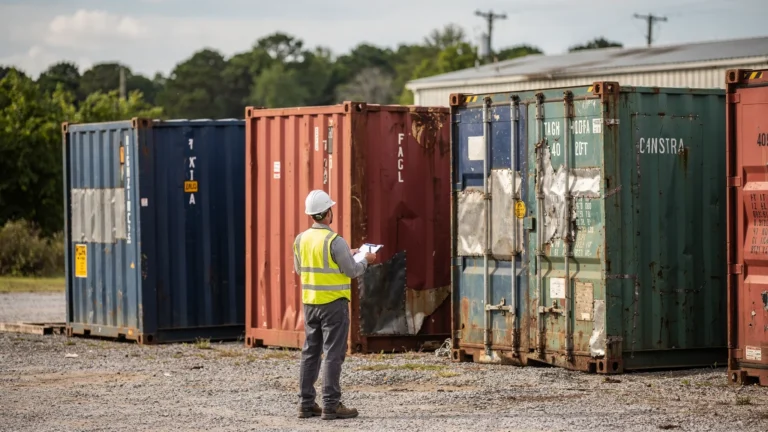
Cargo Worthy containers are used containers inspected for structural integrity and suitability for cargo transport. A Cargo Worthy unit should be wind and watertight, structurally sound, and appropriate for shipping use when it meets the necessary inspection requirements. For international shipping, logistics managers should also confirm the container has the right documentation, including a valid CSC plate where required.
Wind & Watertight containers, often called WWT, are used containers that keep out normal wind and rain but are usually sold for static storage rather than active ocean shipping. A WWT container can be an excellent value for contractors, farms, homeowners, and businesses that need secure ground storage but do not need to load the unit for international transport.
| Grade | Best for | Important note |
|---|---|---|
| One-Trip | Long-term storage, clean commercial use, modifications, premium appearance | Highest condition category commonly available for container buyers |
| Cargo Worthy | Freight, regional transport, export planning, storage with stronger inspection standards | Confirm inspection status and documentation before shipping cargo |
| Wind & Watertight | Job-site storage, farm storage, home storage, inventory overflow | Not typically the right choice for international shipping without further inspection |
If your main goal is on-site storage in Raleigh, Durham, Cary, Apex, Garner, or elsewhere in the Southeast, WWT may be enough. If your unit will be loaded onto a vessel or rail network, Cargo Worthy is usually the safer starting point.
Access: How You Will Use the Container Day to Day
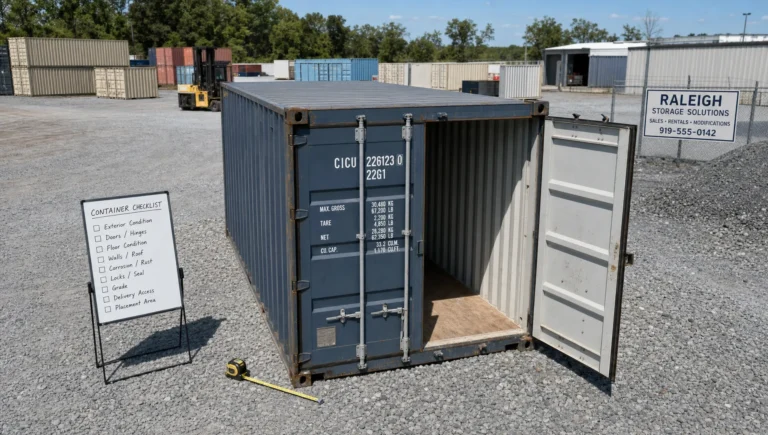
Access is one of the most overlooked parts of 20ft container shipping. The standard 20ft container has cargo doors on one end. That works well for tools, pallets, furniture, boxed inventory, and seasonal property storage. But if you need to reach items frequently, the way the container opens can be just as important as its size.
For contractors, a standard end-door 20ft container works best when the most-used items are stored near the doors and heavier materials are placed on the floor. For retail or event use, side access may be more practical because it allows wider loading, easier product display, and faster access to multiple zones inside the container.
An open-side unit can be especially useful when you need full side access rather than a single end opening. For example, a used 20ft open side container can make sense for equipment, pop-up retail, or storage layouts where reaching the back of a standard container would be inefficient.
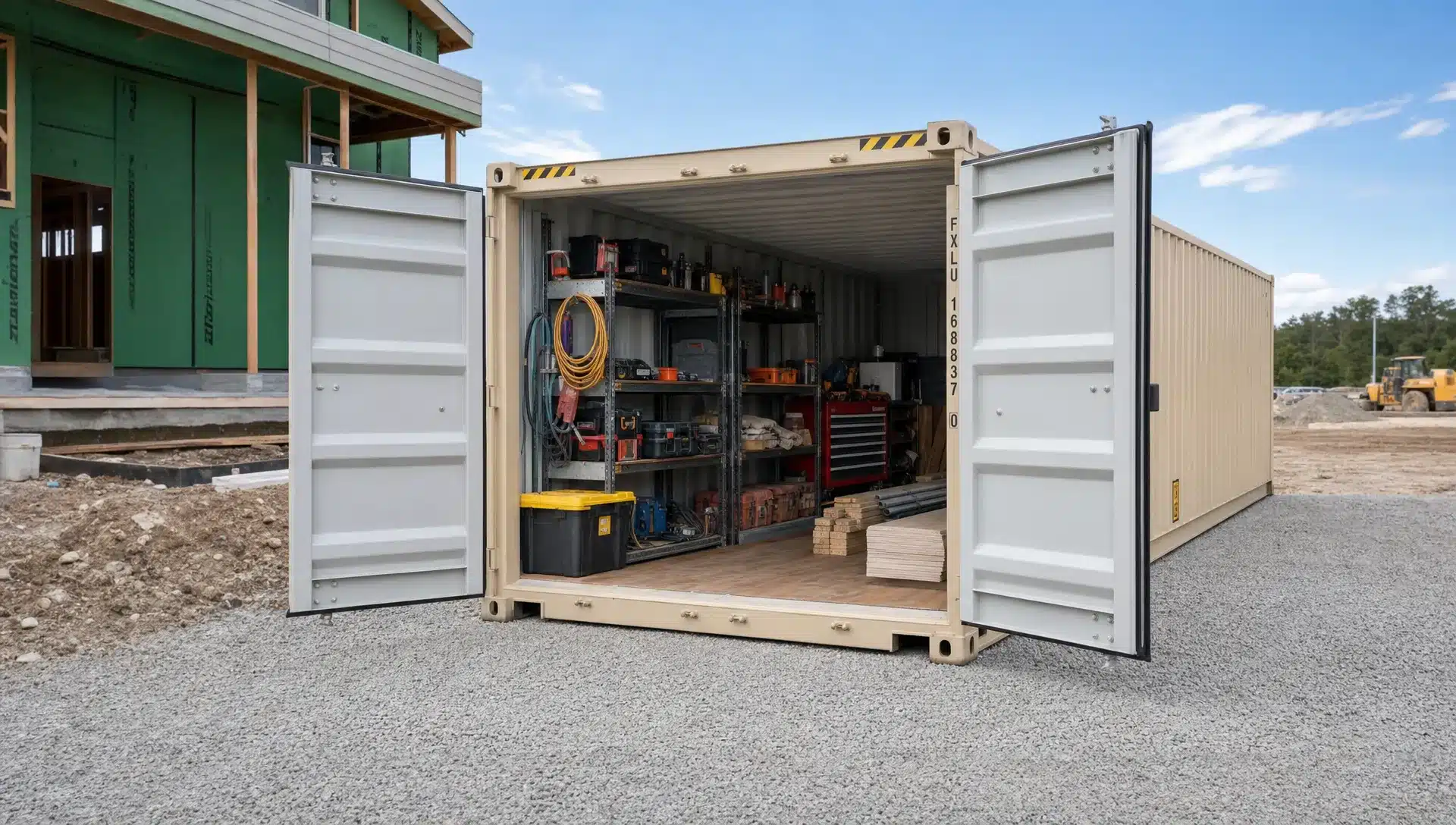
Security is also part of access planning. A lockbox, good door seals, and clear placement away from low-visibility areas can improve protection. For job sites in the Triangle region, many buyers place the doors facing the active work zone or a camera-covered area to make access easier for crews and less attractive to thieves.
Delivery Options for a 20ft Container
Most 20ft containers are delivered by truck, but the delivery method can vary based on distance, property access, and placement requirements. The right approach depends on whether the container is being dropped at ground level, kept on a chassis, or placed in a tight area that requires lifting equipment.
A tilt-bed or rollback-style delivery is common for ground-level placement. The truck backs into position, tilts the bed, and slides the container down onto the prepared area. This method is efficient, but it requires enough straight-line clearance for the truck and container to unload safely.
Flatbed or chassis delivery may be used when the container is moving as freight or staying on wheels for loading. For precise placement, limited-access urban sites, or spaces where the truck cannot back straight in, a crane, side-loader, or other specialized equipment may be needed.
| Delivery method | Best use | Access considerations |
|---|---|---|
| Tilt-bed or rollback | Ground-level delivery to yards, job sites, farms, and business lots | Needs firm ground, adequate straight clearance, and room to pull away |
| Flatbed or chassis | Freight movement, commercial loading, or temporary staging | May require forklift, crane, dock, or separate unloading plan |
| Crane or side-loader | Tight placements, obstacles, or exact positioning | Higher cost, more planning, and clear overhead conditions required |
For a typical 20ft tilt-bed delivery, plan for more room than the container footprint itself. The driver needs safe entry, maneuvering room, and a stable surface. Overhead branches, low wires, soft lawns, steep driveways, and tight gates are common reasons a planned drop spot must change.
In Raleigh and throughout North Carolina, weather can also affect delivery. Heavy rain may soften soil and create rutting, especially on residential lots, farms, and unfinished construction sites. If the route from the road to the pad is not firm enough for a heavy truck, rescheduling or additional site prep may be necessary.
Pro-Tip: Prepare the Site Before the Truck Arrives
A shipping container performs best when it sits level and drains properly. The most common mistake is placing a container directly on uneven soil and expecting it to settle correctly. When the frame twists, doors can become harder to open, seals may not sit properly, and water may collect around the base.
Before delivery, prepare a stable pad that supports the container at the corners and allows water to drain away. A compacted gravel pad is often a practical choice for long-term storage because it helps reduce standing water, mud, and vegetation growth beneath the unit. Railroad ties, concrete blocks, or poured footings may also be used when properly placed and leveled.
For most buyers, a good site plan includes:
- A level drop area slightly larger than the container footprint
- Firm truck access from the road to the placement point
- Clearance from trees, rooflines, fences, septic areas, and overhead wires
- Door swing space at the access end or side
- Drainage that moves water away from the container floor and corners
- Permit, zoning, and HOA checks before delivery day
Permit requirements vary by location and use. A temporary construction storage container in Wake County may be treated differently than a long-term residential unit inside city limits or an HOA neighborhood. If you are in Raleigh, check applicable city, county, and neighborhood rules before scheduling delivery.
Choosing the Right 20ft Container for Your Use Case
The best container is the one that matches your use, not necessarily the cheapest available unit. A general contractor storing tools and lumber on a Raleigh job site may prioritize WWT condition, a lockbox, and fast ground-level delivery. A small business using a container for retail inventory may want better appearance, easier doors, and possibly one-trip condition. A logistics manager planning export cargo should focus on Cargo Worthy status and ISO transport requirements.
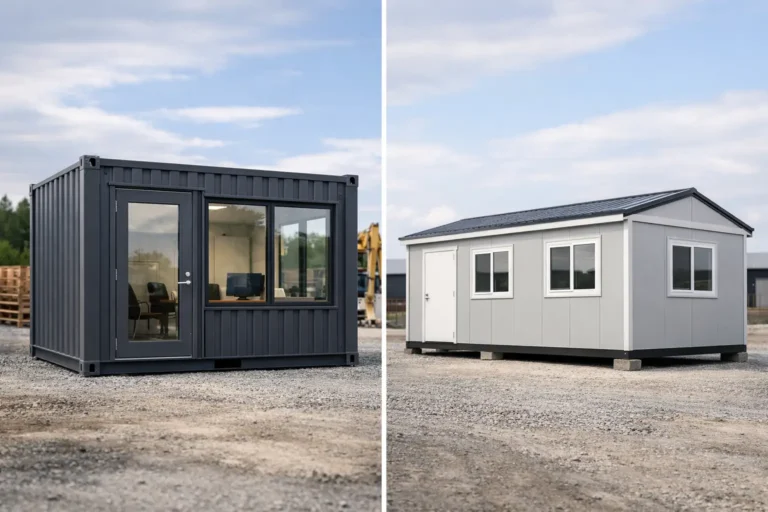
For homeowners and agricultural buyers, a 20ft container offers a strong balance of storage capacity and manageable placement. It fits in many driveways, barn areas, equipment yards, and rural properties where a 40ft unit would be difficult to maneuver. For developers and modular projects, the 20ft size can also work as a component in phased builds, although modifications, insulation, ventilation, and code considerations should be reviewed early.
If your site is tight, a 20ft unit may save money indirectly by avoiding special delivery equipment. If your inventory is bulky or you need aisle space, the smaller footprint may become limiting. That is why discussing the intended use, door orientation, delivery route, and grade before quoting is so important.
Raleigh and Southeast Delivery Considerations
Raleigh and the wider Triangle region have a mix of dense urban streets, suburban driveways, commercial lots, and rural properties. Each setting creates different delivery challenges. A downtown Raleigh business may need careful timing and limited street obstruction. A Wake Forest or Fuquay-Varina property may have more land but softer access roads. A construction site in Durham, Chapel Hill, or Cary may require coordination with other trades and equipment.
Across the Southeast, humidity and rain make drainage especially important. Corten Steel is durable, but containers still last longer when they are elevated from standing water and kept level. Door gaskets, floors, vents, and roof condition should be matched to the environment and the value of the items stored inside.
Lease Lane Containers LLC supports buyers in Raleigh, North Carolina, the Southeast, and nationwide with guidance on container grade, size, and delivery planning. Whether you need a single 20ft storage unit or multiple containers for a commercial project, the best results start with accurate information before dispatch.
Frequently Asked Questions
How much does 20ft container shipping cost? The total cost depends on the container grade, market availability, delivery distance, unloading method, site access, and any modifications. Used WWT containers generally cost less than Cargo Worthy or one-trip units, but the delivered price should always be confirmed with a current quote.
Is a 20ft container cheaper to deliver than a 40ft container? Sometimes, but not always by as much as buyers expect. A 20ft unit is easier to place on tight sites, but trucking, driver time, dispatch, and fuel still make up a large part of delivery cost.
Do I need a Cargo Worthy container for storage? Usually not. If the container will stay on your property for static storage, a Wind & Watertight unit may be sufficient. If you plan to ship cargo internationally or through intermodal networks, start with a Cargo Worthy container and confirm documentation.
Can a 20ft container be delivered on a residential driveway? Often yes, if the driveway is wide, firm, level enough, and clear of overhead obstructions. The delivery truck needs more space than the container itself, so access should be reviewed before delivery.
Do I need a permit for a 20ft shipping container in Raleigh? It depends on the property, zoning, duration, and intended use. Check with the City of Raleigh, Wake County, and any HOA or site authority before delivery, especially for long-term placement or modified containers.
Plan Your 20ft Container Delivery With Lease Lane Containers
If you are comparing 20ft container shipping options in Raleigh, North Carolina, the Southeast, or anywhere in the USA, Lease Lane Containers LLC can help you choose the right grade, confirm access needs, and plan a smoother delivery.
For a current quote or site-planning guidance, contact the sales team at sales@leaselanecontainers.com or visit the Raleigh office. You can also start at Lease Lane Containers to explore available container options and speak with a local team that understands delivery in the real world.