9 Secure Container Storage Ideas That Work
A container sitting on a jobsite with an exposed padlock is an easy target. Real security starts before the container arrives: selecting the right condition, setting it on a stable site, and making forced entry difficult enough that thieves move on. These secure container storage ideas are designed for contractors, agricultural operators, retailers, and property owners who need dependable protection without creating unnecessary maintenance or delivery costs.
Secure container storage ideas that start with the container
Security upgrades work best when the container itself is structurally sound. A used container can be an excellent value, but its condition should match the items you plan to store. For expensive tools, copper, generators, retail inventory, or farm equipment, inspect the doors, locking rods, hinges, roof, floor, and corner posts before adding accessories.
A Wind & Watertight container is generally appropriate for dry storage when the unit has sound doors and no active leaks. A Cargo Worthy container meets a higher inspection standard for ocean transport and may be the better fit when appearance, structural condition, or future resale matters. One-trip containers offer the cleanest exterior and typically have the fewest prior repairs, but they cost more. The practical choice depends on what you are protecting and how long the container will remain on site.
1. Use a welded lockbox, not an exposed padlock
A steel lockbox is one of the most effective container security upgrades. It is welded over the door-hasp area and shields the lock from bolt cutters, pry bars, and saws. From a distance, the container has no easily accessible lock to attack.
Pair the lockbox with a quality puck lock or hidden-shackle lock made for container use. Standard laminated padlocks can be cut quickly and should not be the only barrier between a thief and a container full of tools. Confirm that the lockbox opening matches the lock you intend to use before installation.
For leased equipment or a container that may later be resold, ask whether the lockbox can be installed before delivery. Factory-quality welding and paint touch-up can reduce corrosion risk around the modification.
2. Add a crossbar for a second physical barrier
A door crossbar spans both container doors and creates another layer of resistance behind the lockbox. It is especially useful for containers placed in isolated areas, overnight jobsite storage, or locations where law enforcement response times are longer.
The trade-off is convenience. A crossbar adds a step every time the container is opened, so it may not suit a crew that needs frequent access throughout the day. It makes more sense for high-value equipment, seasonal supplies, or inventory accessed only by a manager.
3. Position the doors where they are visible
Container placement can be as important as hardware. Face the cargo doors toward a site office, active work area, driveway, camera, or road with legitimate traffic. Thieves prefer cover and time. A door facing a fence line, wooded edge, or unlit back lot gives them both.
Leave enough clearance to open the doors fully and to safely unload materials. At the same time, avoid creating enough hidden space around the door end for someone to work unseen. If site layout permits, position the container so a vehicle cannot easily back directly up to the doors for a rapid loadout.
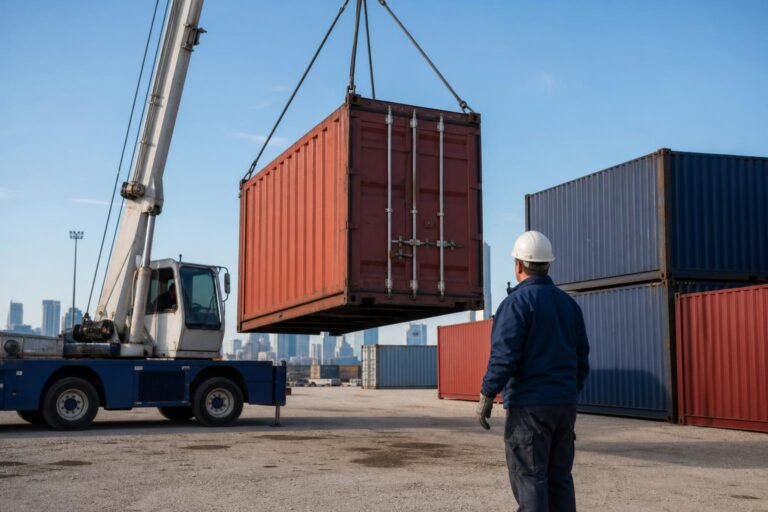
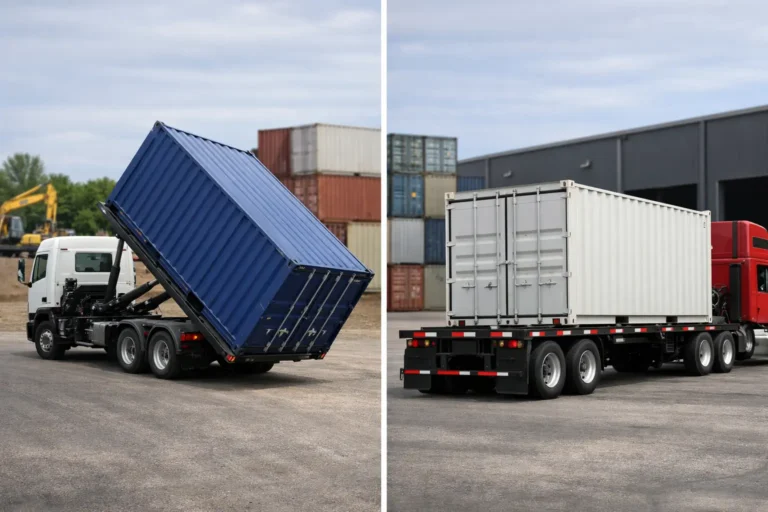
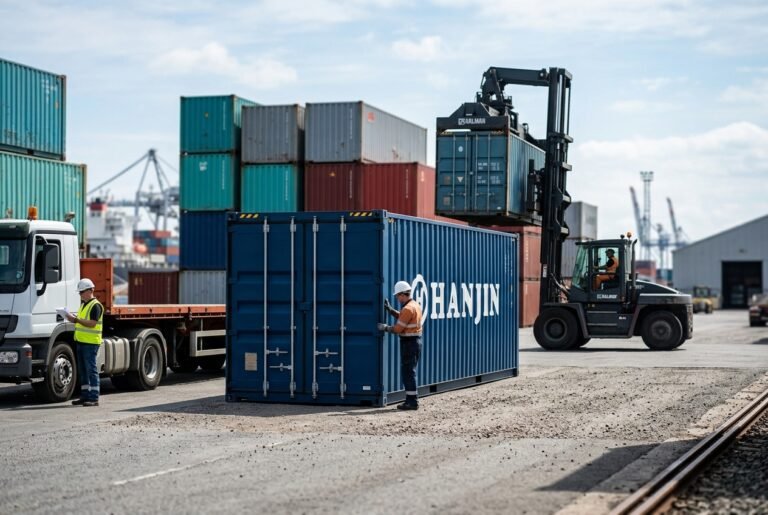
This decision also affects delivery. A tilt-bed truck needs room to align, raise the container, and pull forward as the unit slides off. Ground-level delivery requires a longer straight approach than many buyers expect. Plan security and delivery access together, rather than moving the container after it is placed.
4. Build a stable, elevated foundation
A container does not need a full concrete slab for basic storage, but it does need support at its corner castings. Concrete blocks, railroad ties in good condition, gravel pads, or engineered footings can keep the container level and above standing water.
A level container protects security in a less obvious way: doors that are out of square may become difficult to close, hard to lock, or easier to pry. Raising the unit slightly also improves drainage and makes it easier to inspect for moisture, pests, and concealed tampering around the perimeter.
For long-term placement, especially in areas with soft soil or heavy rain, a compacted gravel base with properly placed supports is often a practical balance of cost and performance. Consult local requirements if the container will be used as an office, workshop, or permanent structure.
Improve security inside the container
A shipping container’s Corten Steel shell is durable, but an organized interior determines whether a break-in becomes a minor incident or a major loss. Do not put the most valuable items directly behind the cargo doors.
5. Create a lockable inner cage or tool room
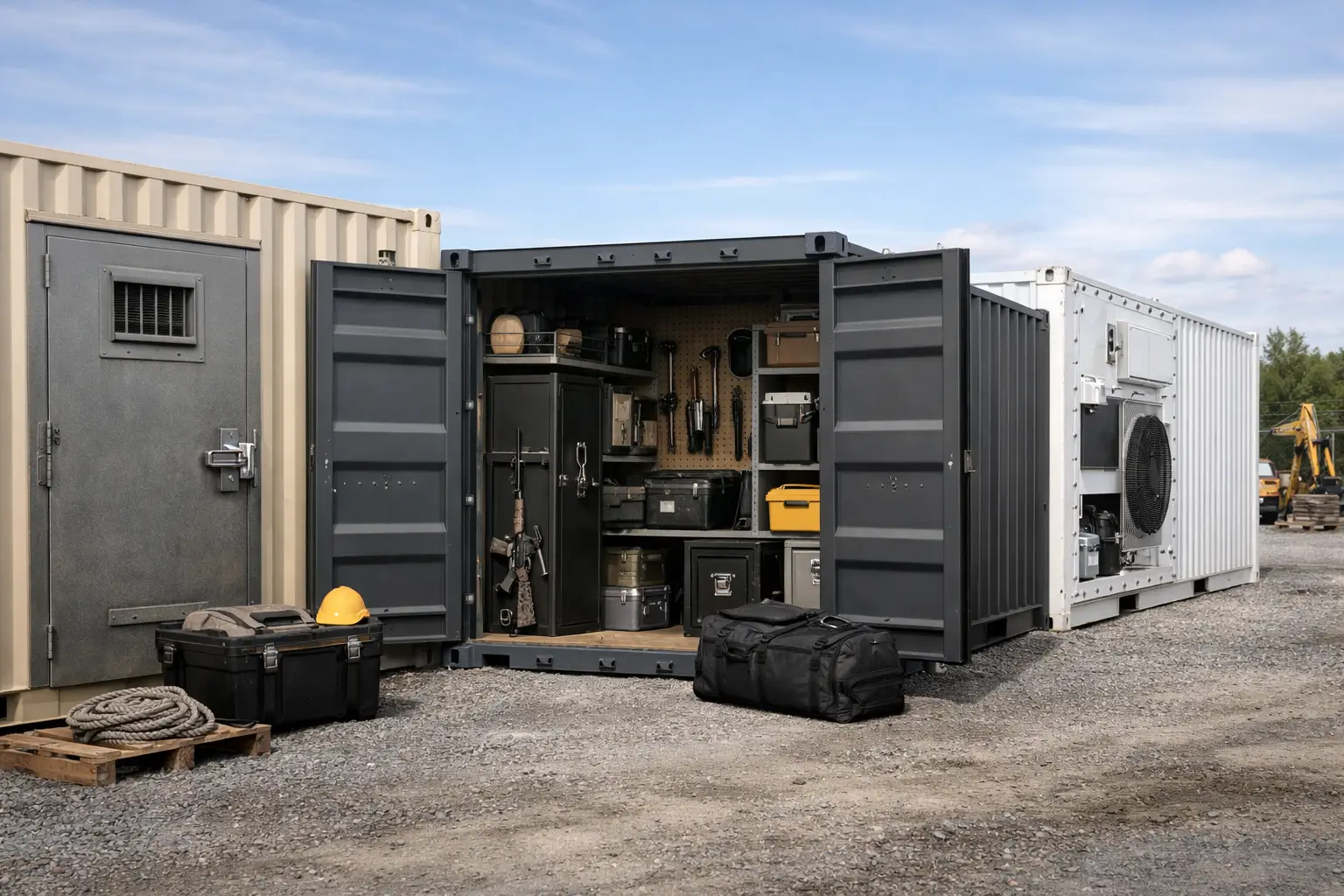
For high-value tools, electronics, firearms stored in accordance with applicable laws, or sensitive inventory, build a secured room inside the container. Steel mesh partitions, welded cages, or framed lockable enclosures delay access even if the outer doors are compromised.
This approach also simplifies inventory control. A construction company can keep bulk materials in the main container area while supervisors retain access to a smaller secured tool cage. Agricultural operations can separate chemicals, handheld equipment, and repair parts from larger implements.
Allow for ventilation and aisle space when designing an inner enclosure. A poorly planned cage can make a 20-foot container feel unusable. In many cases, shelving along one wall and a secured compartment at the far end provides better day-to-day access than filling the entire unit with partitions.
6. Install anchored shelving and keep valuables off the floor
Unsecured shelves fall, shift, and make fast inventory checks harder. Bolt shelving through appropriate framing points or use a professionally designed interior system that does not compromise the container’s structure. Keep heavy materials low, maintain a clear center aisle, and place serial-numbered tools where they can be counted quickly.
Elevating inventory off the plywood floor also reduces risk from condensation, wet boots, or minor water intrusion. Plastic pallets, dunnage, and metal shelving are simple additions that protect boxed materials and create cleaner storage zones.
Avoid cutting structural members or welding indiscriminately to the container. Major alterations can affect future transportability, weather resistance, and resale value. If you need extensive electrical, HVAC, doors, or windows, plan the conversion before fabrication begins.
7. Use lighting and cameras as visible deterrents
A motion-activated light aimed at the cargo doors removes the darkness thieves rely on. Solar lights can work where power is unavailable, although performance depends on panel placement, battery capacity, and local weather. Hardwired lighting is more consistent for a permanent yard or commercial site.
Cameras add accountability, but they should support physical security rather than replace it. A camera mounted too high, pointed into glare, or dependent on unreliable cellular service may provide little useful evidence. Test the image at night, confirm that recordings are retained, and make sure the camera captures faces and vehicle approach paths instead of only the container roof.
Visible signage indicating monitored storage can be worthwhile, but do not advertise the specific contents of the container. Mark equipment with asset tags, photograph serial numbers, and keep an updated inventory away from the storage site.
8. Control keys, codes, and daily access
Many container losses are not forced entries. They result from misplaced keys, shared combinations, doors left unlatched, or former workers retaining access. Assign access to specific employees, maintain a simple key log, and change combinations when staffing changes.
For multi-crew projects, establish a closing procedure: verify both door locking rods are engaged, inspect the lockbox, confirm the container is secured, and note who completed the check. This takes minutes and prevents the common problem of assuming someone else locked up.
Electronic access controls can be useful for a permanent facility, but they need a power plan, weather-rated components, and a manual backup. Mechanical locks remain the most dependable primary option for remote jobsites and rural properties.
9. Reduce moisture without weakening security
A secure container must also keep contents dry. Condensation, often called container rain, can form when temperature swings cause moisture to collect on the interior roof. Wet tools rust, cardboard fails, and stored inventory can be damaged even when the doors were never breached.
Use desiccants for sensitive goods, keep products elevated, and consider passive vents or a properly installed ventilation system for long-term storage. Any new vent, window, or personnel door is also a potential intrusion point. Use steel grilles, lockable covers, and professional flashing so weather protection and security stay intact.
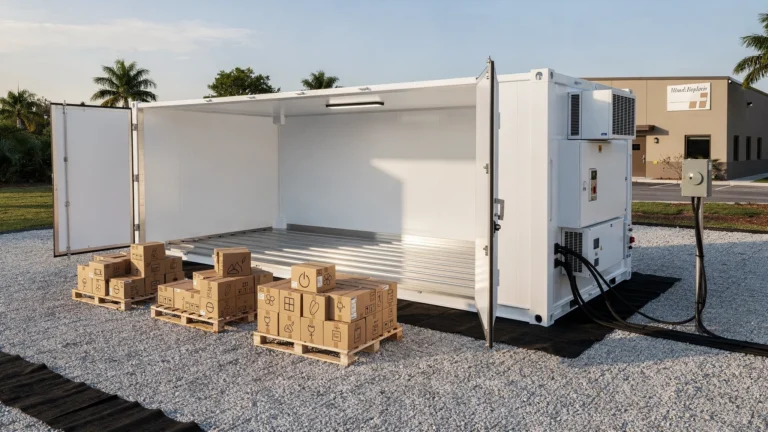
For temperature-sensitive products, a refrigerated container may be the correct solution, but it requires electrical service and a maintenance plan. It is not a substitute for a dry-storage container when the primary need is secure tool or equipment storage.
Choose the level of protection your site actually needs
The best security package is not always the one with the most accessories. A locked 20-foot container beside an active jobsite may need a lockbox, light, and disciplined key control. A remote farm container storing expensive parts may justify a crossbar, camera coverage, inner cage, and stronger site perimeter. A retail overflow container may need a cleaner one-trip exterior, shelving, and controlled employee access more than it needs heavy-duty fortification.
Before ordering, identify what will be stored, who needs access, how often the doors will open, and where the container can be safely delivered. Clear specifications, a sound container grade, and a site plan that accounts for delivery equipment will prevent the surprises that create security gaps later. The right setup should make opening the container easy for your team and difficult for everyone else.