

Used Shipping Container Grades Explained: A Buyer’s Guide
Table of Contents
- Table of Contents
- Understanding the Standardized Container Grading System
- Why Grading Matters for Price and Longevity
- The Role of the Institute of International Container Lessors (IICL)
- One-Trip Containers: The Gold Standard for Quality
- Cargo Worthy (CW) vs. Wind and Watertight (WWT) Grades
- Structural Integrity and CSC Plate Certification
- Common Cosmetic Imperfections in Used Units
- As-Is Containers: Budget Options for Project-Ready Buyers
- Key Inspection Areas to Check Before Purchasing
- Evaluating Door Seals and Floor Conditions
- Identifying Surface Rust vs. Structural Corrosion
- Matching the Right Grade to Your Specific Use Case
- Best Grades for On-Site Storage and Workshops
- Top Choices for Modular Homes and Custom Architecture
- Summary of Buyer Tips and Final Delivery Considerations
- Final Checklist
Table of Contents
- Understanding the Standardized Container Grading System
- Why Grading Matters for Price and Longevity
- The Role of the Institute of International Container Lessors (IICL)
- One-Trip Containers: The Gold Standard for Quality
- Cargo Worthy (CW) vs. Wind and Watertight (WWT) Grades
- Structural Integrity and CSC Plate Certification
- Common Cosmetic Imperfections in Used Units
- As-Is Containers: Budget Options for Project-Ready Buyers
- Key Inspection Areas to Check Before Purchasing
- Evaluating Door Seals and Floor Conditions
- Identifying Surface Rust vs. Structural Corrosion
- Matching the Right Grade to Your Specific Use Case
- Best Grades for On-Site Storage and Workshops
- Top Choices for Modular Homes and Custom Architecture
- Summary of Buyer Tips and Final Delivery Considerations
Buying a used shipping container without understanding its grade is like purchasing a used truck without checking the odometer or looking under the hood. The grade tells you what you’re actually getting: how long the container has been in service, what kind of condition the steel and seals are in, and whether it’s suited for your intended purpose. A container graded Cargo Worthy and one graded As-Is can look similar in photos but perform very differently on your property. The price gap between grades can range from $800 to $3,000 or more, and picking the wrong one means either overspending for features you don’t need or dealing with leaks and rust repair within months. This guide breaks down the grading system so you can make a confident, informed purchase. Whether you’re a contractor setting up job-site storage near Raleigh, a homeowner planning a backyard workshop, or a small business owner needing inventory overflow space, understanding used shipping container grades is the single most important step before you spend a dollar.
Understanding the Standardized Container Grading System
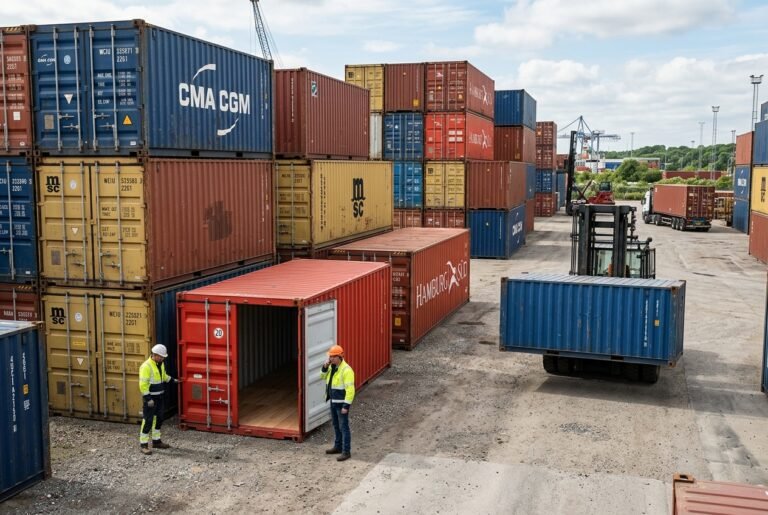
The shipping container industry uses a tiered grading system to communicate the condition and remaining useful life of a container. These grades aren’t arbitrary marketing labels: they’re based on measurable criteria including structural integrity, weatherproofing, cosmetic condition, and certification status. The most common grades you’ll encounter are One-Trip, Cargo Worthy (CW), Wind and Watertight (WWT), and As-Is.
Each grade reflects a specific stage in a container’s lifecycle. A one-trip container has made a single voyage from the overseas manufacturer (typically China) to a domestic port. A Cargo Worthy container has been used in active shipping service but still meets international standards for transporting goods by sea. A Wind and Watertight container keeps the elements out but may no longer qualify for ocean freight. An As-Is container is sold with known defects and no guarantees about its condition.
The grading system exists because shipping containers are built to last 15 to 25 years in active maritime service, and their condition varies enormously depending on age, route history, and maintenance. A container that spent a decade moving cargo through the humid Caribbean will look and perform differently from one that ran dry goods along Pacific trade lanes. Grades give buyers a shorthand for evaluating that history.
Why Grading Matters for Price and Longevity
Grade directly determines both the purchase price and the expected remaining lifespan of a container. A one-trip 20ft standard container typically sells for $3,000 to $5,000, while a Wind and Watertight unit of the same size might run $1,500 to $2,800. That price difference reflects real differences in steel thickness (due to corrosion), seal integrity, floor condition, and cosmetic appearance.
If you’re planning to use a container for 10 or more years as permanent storage or a converted workspace, buying a higher grade pays for itself. A Cargo Worthy container in good shape can last another decade or more with minimal maintenance. A WWT container might need door seal replacements, surface rust treatment, and floor patching within the first few years. The rule of thumb: budget $150 to $400 annually for maintenance on a CW-grade container, and up to $600 to $800 per year on a WWT unit that’s been in service for 15-plus years.
The Role of the Institute of International Container Lessors (IICL)
The IICL sets the inspection and repair standards that define what qualifies as Cargo Worthy. Founded in 1971, the IICL publishes detailed criteria covering everything from acceptable corrosion depth to door gasket compression to corner casting integrity. When a container receives a Cargo Worthy designation, it means a certified inspector has verified it against IICL guidelines.
This matters because the Cargo Worthy grade is the only used container grade that carries a formal, third-party-backed certification. Wind and Watertight and As-Is grades are typically assessed by the seller, not an independent inspector. If a seller tells you a container is “CW grade” but can’t produce a current inspection certificate, treat that claim with skepticism. A legitimate CW inspection certificate includes the inspector’s name, date, and a specific list of items checked. The IICL standard (IICL-5 for dry freight containers) is the industry benchmark, and any reputable supplier will reference it directly.
One-Trip Containers: The Gold Standard for Quality
One-trip containers are the closest thing to new that most buyers will find on the domestic market. These containers are manufactured overseas, loaded with a single export shipment, and then sold at the destination port. They arrive with minimal cosmetic wear: typically just light scuffing from the one ocean voyage and normal handling marks from port operations.
The steel on a one-trip container is at or near its original thickness of 1.6mm (walls) to 2.0mm (roof), with the factory-applied primer and paint still largely intact. The marine-grade plywood flooring (typically 28mm Apitong or Keruing hardwood) shows almost no wear. Door seals are supple and fully functional. Corner castings, locking bars, and hinges all operate smoothly.
For buyers who need a container that looks clean and professional, a one-trip unit is the obvious choice. They’re ideal for customer-facing storage at retail locations, container offices, or any project where appearance matters. They also make the best candidates for conversion projects like modular homes or pop-up shops, because the steel is thick enough to handle cutting, welding, and modification without compromising structural integrity.
The trade-off is price. One-trip containers cost 40% to 80% more than Cargo Worthy units of the same size. A 40ft high cube shipping container in one-trip condition can run $4,500 to $7,000 depending on market conditions and delivery distance. If cosmetics and long-term durability are priorities, that premium is justified. If you’re storing hay bales on a farm or keeping tools on a job site, you may not need to pay for it.
Cargo Worthy (CW) vs. Wind and Watertight (WWT) Grades
These two grades represent the sweet spot of the used shipping container market, and the distinction between them is where most buyer confusion lives. Both grades describe containers that keep rain, wind, and pests out. The critical difference is certification status.
A Cargo Worthy container has been inspected and certified as fit for international ocean freight under IICL standards. It carries a valid CSC (Convention for Safe Containers) plate, meaning it meets the structural requirements for stacking and transport aboard a vessel. A WWT container may be perfectly functional for ground-level storage but has either failed or not undergone a CW inspection. It might have dents that exceed allowable depth, corrosion patches beyond acceptable limits, or door seals that don’t meet the compression standard for ocean freight.
For most domestic buyers, the practical question is simple: do you need the container to ship goods overseas, or will it stay on your property? If it stays put, a WWT container can serve you well at a lower price point. If there’s any chance you’ll resell the container back into the shipping market or use it for freight, CW is the minimum grade you need.
Structural Integrity and CSC Plate Certification
The CSC plate is a metal placard riveted to the container door, and it’s the container’s passport for international shipping. It lists the manufacturer, maximum gross weight (typically 30,480 kg for a standard 20ft unit), maximum stacking weight, and the date of the last inspection. Under the International Convention for Safe Containers, a CW container must pass re-examination before its CSC approval expires.
Structural integrity at the CW level means the container can safely bear stacking loads of up to 192,000 kg (the weight of roughly eight fully loaded containers stacked on top of it). The corner castings, top and bottom rails, cross members, and floor structure must all be free of damage that would compromise this load-bearing capacity. Walls can have dents, but they can’t exceed specific depth thresholds relative to the corrugation profile.
A WWT container may have structural issues that disqualify it from stacking certification but don’t affect its usefulness sitting on a gravel pad in your backyard. A bent top rail or a repaired corner casting might fail a CW inspection while posing zero risk for ground-level storage. This is why WWT containers offer genuine value for the right application.
Common Cosmetic Imperfections in Used Units
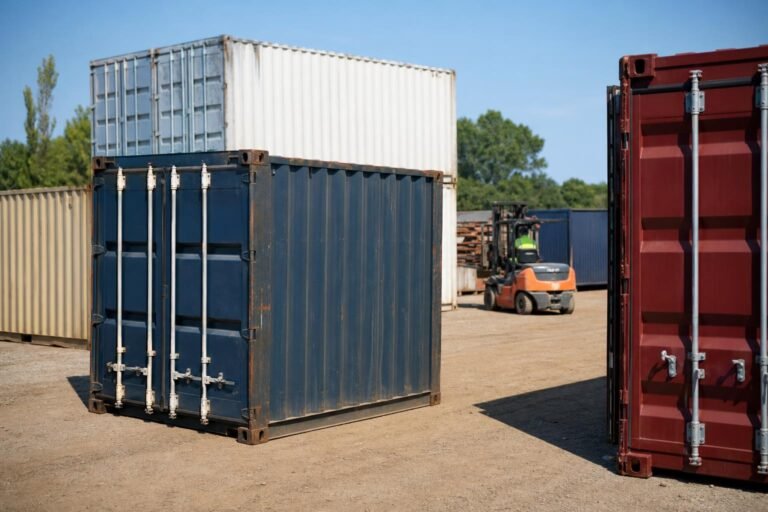
Both CW and WWT containers show visible signs of their working life. Expect surface rust in patches, particularly along the bottom rails and around door hinges where moisture collects. Dents and dings on side panels are standard. Paint fading, sticker residue from shipping labels, and minor floor scuffing are all normal.
CW containers typically show moderate cosmetic wear. You’ll see rust spots that have been treated or are still within acceptable limits, dents that don’t affect structural performance, and floors with some staining but no soft spots or delamination. WWT containers tend to show heavier wear: more extensive surface rust, deeper dents, possibly some patched areas where repairs have been welded in, and floors that may have localized damage.
Neither grade will look like a showroom unit. If appearance matters for your project, factor in the cost of a fresh coat of container-grade paint ($300 to $600 for a 20ft unit, $500 to $1,000 for a 40ft) and possibly new decals or signage.
As-Is Containers: Budget Options for Project-Ready Buyers
As-Is containers sit at the bottom of the grading scale, and they’re sold with full transparency about their limitations. These units may have holes in the roof or walls, damaged flooring, seized door mechanisms, or corrosion that has eaten through the steel in places. The seller makes no guarantees about weatherproofing or structural condition.
That sounds alarming, but As-Is containers serve a legitimate purpose. If you’re planning a conversion project that involves cutting out wall sections, replacing flooring, or welding in new structural elements, paying a premium for pristine steel doesn’t make sense. A builder converting a 40ft container into a workshop will likely cut window and door openings, reinforce the frame with new steel, and install insulation over the original walls anyway. Starting with an As-Is container at $800 to $1,800 instead of a one-trip unit at $5,000 or more can save thousands on the base material.
As-Is containers also work well for non-weather-sensitive uses: storing firewood, housing equipment that’s already weather-resistant, creating barriers or retaining walls, or serving as the structural shell for a heavily modified build. The key is inspecting the container in person (or through detailed photos and video) before purchasing, so you know exactly what repairs you’re taking on.
One important caution: As-Is containers are almost never suitable for immediate storage of moisture-sensitive goods. If you need to store furniture, documents, electronics, or inventory that can’t tolerate humidity or water intrusion, skip this grade entirely.
Key Inspection Areas to Check Before Purchasing
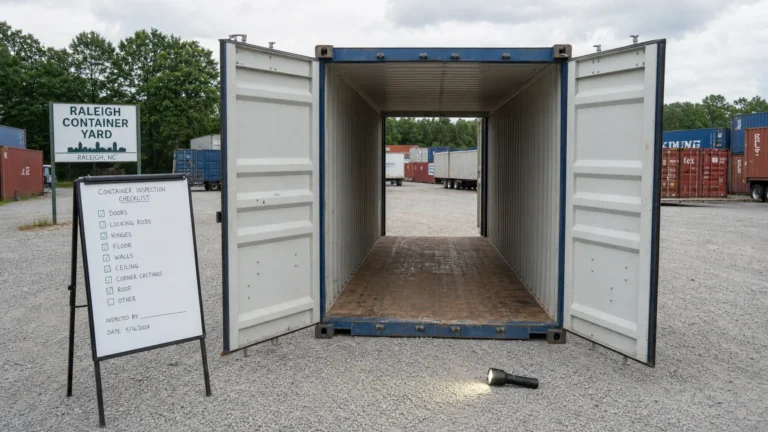
A thorough pre-purchase inspection takes 20 to 30 minutes and can save you thousands in unexpected repair costs. Whether you’re buying a CW container or an As-Is unit, knowing what to look for separates a smart purchase from an expensive mistake.
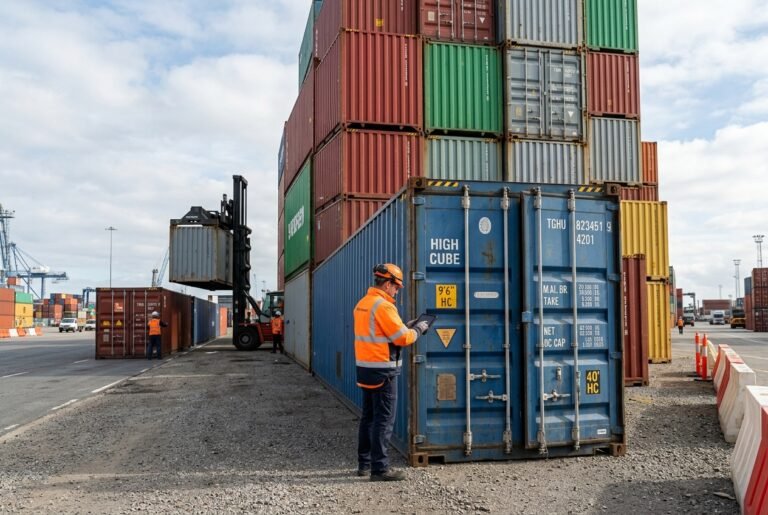
Start with the exterior. Walk the full perimeter and look at the roof from above if possible. Check all four corner castings for cracks, deformation, or heavy corrosion. Examine the bottom side rails closely: this is where moisture damage hits hardest because water pools along the base. Open and close both doors fully, checking that the locking bars engage smoothly and the cam locks seat properly. A door that requires excessive force to open or close signals frame misalignment, which is expensive to fix.
Evaluating Door Seals and Floor Conditions
Door seals (gaskets) are the first line of defense against water intrusion, and they’re one of the most common failure points on used containers. Press your thumb firmly into the rubber gasket along the door frame. It should compress and spring back. If the rubber is cracked, brittle, or permanently compressed, water will find its way inside. Replacement gasket kits run $150 to $350 depending on the container size, so this isn’t a deal-breaker, but it should factor into your price negotiation.
For the floor, step inside and walk the entire surface. Marine-grade plywood flooring should feel solid underfoot with no soft spots or bouncing. Pay special attention to the areas directly inside the doors (where forklifts enter) and along the walls where condensation can drip down and pool. Probe any discolored areas with a screwdriver: if the wood gives easily, you’ve found rot. A full floor replacement on a 20ft container costs $1,200 to $2,000 in materials and labor, so significant floor damage is a serious negotiating point.
Identifying Surface Rust vs. Structural Corrosion
This distinction is critical and often misunderstood. Surface rust is oxidation on the outer layer of the steel: it looks rough and orange but hasn’t compromised the metal’s thickness. You can treat surface rust with a wire brush, rust converter, and a coat of container-grade paint for under $100 in materials.
Structural corrosion is different. It’s rust that has eaten through the steel or reduced its thickness to the point where it affects load-bearing capacity or weatherproofing. Signs include rust that flakes off in layers, areas where you can see light through the steel, and spots where the metal flexes under hand pressure. Check the bottom rails, the roof edges, and any areas where paint has been chipped for extended periods.
A simple test: tap suspect areas with a ball-peen hammer. Solid steel rings clearly. Corroded steel sounds dull and may dent or crack. If you find structural corrosion on a container being sold as Cargo Worthy, walk away or demand a price reduction. On an As-Is container, structural corrosion is expected, but you need to assess whether the repair cost still makes the purchase worthwhile.
Matching the Right Grade to Your Specific Use Case
The right container grade depends entirely on what you plan to do with it. A farmer in Johnston County storing seasonal equipment has different needs than a contractor in downtown Raleigh building a container office, and both have different needs than a homeowner planning a backyard guest house. Matching grade to purpose prevents both overspending and under-buying.
Lease Lane Containers’ team regularly helps buyers work through this decision. The most common mistake they see is buyers defaulting to the cheapest option without considering the total cost of ownership. A WWT container that needs $1,500 in repairs to make it suitable for your project may end up costing more than a CW container that’s ready to use on delivery day.
Best Grades for On-Site Storage and Workshops
For straightforward storage of tools, equipment, seasonal inventory, or household goods, a Cargo Worthy container hits the best balance of price and condition. The steel is sound, the seals keep water out, and the floor supports forklift traffic and heavy loads. CW containers in the 20ft standard size are the most popular choice for job-site storage, farm use, and small business inventory overflow across the Southeast.
If you’re converting a container into a workshop or workspace, consider stepping up to a one-trip unit. The thicker steel handles modification better, and the cleaner interior means less prep work before installing insulation, electrical, or shelving. For a workshop that will see daily use for years, the extra $1,000 to $2,000 for a one-trip container is a sound investment.
WWT containers work well for non-sensitive storage where the contents can tolerate minor humidity fluctuations: landscaping equipment, construction materials, bulk dry goods in sealed packaging. They’re also a solid choice for farms storing feed, fencing supplies, or machinery parts.
Top Choices for Modular Homes and Custom Architecture
Container-based homes and architectural projects demand the highest quality starting material. One-trip containers are the standard recommendation for residential conversions, and for good reason. Building codes in most North Carolina municipalities require structural engineering certification for container-based dwellings, and starting with steel at full factory thickness simplifies the engineering calculations and approval process.
High cube shipping containers (9’6″ interior height versus the standard 8’6″) are strongly preferred for residential builds. That extra foot of ceiling height makes the difference between a space that feels cramped and one that feels livable. A 40ft high cube one-trip container provides roughly 320 square feet of floor space with comfortable ceiling clearance for insulation, wiring, and finished ceiling panels.
For less-regulated builds like hunting cabins, farm offices, or artist studios, a CW-grade high cube shipping container can work well and save $1,500 to $3,000 compared to a one-trip unit. The steel will have some wear but remains fully structurally sound and suitable for cutting, welding, and modification. Check with your local building department in Wake County or your specific municipality before committing to a grade for any habitable structure.
Summary of Buyer Tips and Final Delivery Considerations
Choosing the right container grade comes down to three factors: your budget, your intended use, and how long you need the container to perform. One-trip containers offer the best long-term value for conversion projects and customer-facing applications. Cargo Worthy containers are the workhorse grade for storage, workshops, and business use. WWT containers serve well for budget-conscious buyers with non-sensitive storage needs. As-Is containers make sense only when you have the skills and budget to handle repairs, or when the container is destined for heavy modification.
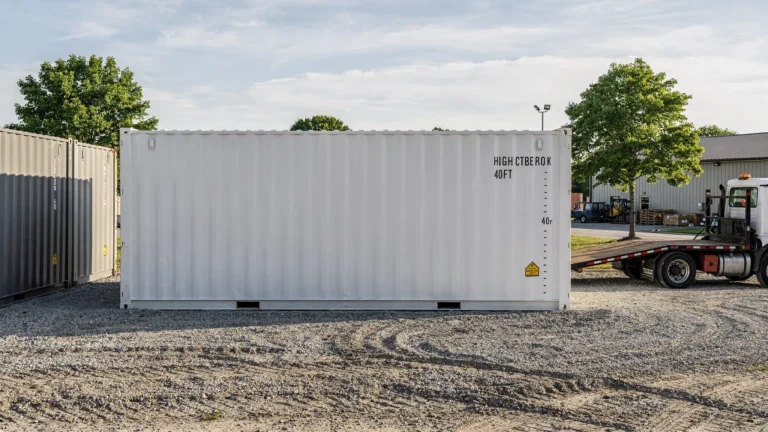
Before finalizing any purchase, confirm delivery logistics. A standard shipping container delivery requires a tilt-bed or roll-off truck with at least 100 feet of straight-line access and 14 feet of overhead clearance. Soft ground, narrow driveways, and low-hanging power lines are the most common delivery obstacles, and they’re much cheaper to address before the truck arrives than after. Lease Lane Containers provides delivery planning support, including guidance on site access, turning radius, overhead clearance, and foundation preparation for buyers in Raleigh, across North Carolina, and nationwide.
Final Checklist
- Confirm the container grade matches your intended use and budget
- Request a current CSC plate photo and inspection certificate for any CW-grade purchase
- Inspect door seals, flooring, corner castings, and bottom rails before accepting delivery
- Budget $150 to $800 annually for maintenance depending on grade and exposure
- Verify delivery access: 100 feet of straight approach, 14 feet of overhead clearance, firm ground
- Check local building codes and permit requirements before purchasing for habitable conversion
- Get a written description of the container’s condition, including any known defects
If you’re ready to compare options, browse available inventory at Lease Lane Containers to see current container sizes, grades, and pricing. Their Raleigh-based team can help you match the right grade to your project and plan delivery logistics so the container arrives without surprises.
16 Comments