Buy Cargo Worthy Container With Confidence
A container that looks fine in a listing photo can still create problems on delivery day. Doors may be hard to close, the floor may need repair, or the unit may not meet the condition you expected. If you plan to buy cargo worthy container inventory for storage, transport, or a conversion project, the grade matters as much as the size.
Cargo Worthy, often shortened to CW, is one of the most misunderstood container grades. Buyers hear the term and assume it means “like new.” It does not. A cargo worthy container is generally considered structurally sound for cargo transport, with solid doors, intact flooring, and no major defects that would prevent regular use. That makes it a practical middle ground between a lower-cost as-is unit and a one-trip container with premium cosmetic condition.
What it means to buy cargo worthy container units
When you buy a cargo worthy container, you are usually buying a used steel shipping container that has been inspected for structural serviceability. In plain terms, the container should still be fit for moving goods or providing secure storage. It should have a solid frame, functional doors, and walls and roof panels that are in serviceable condition.
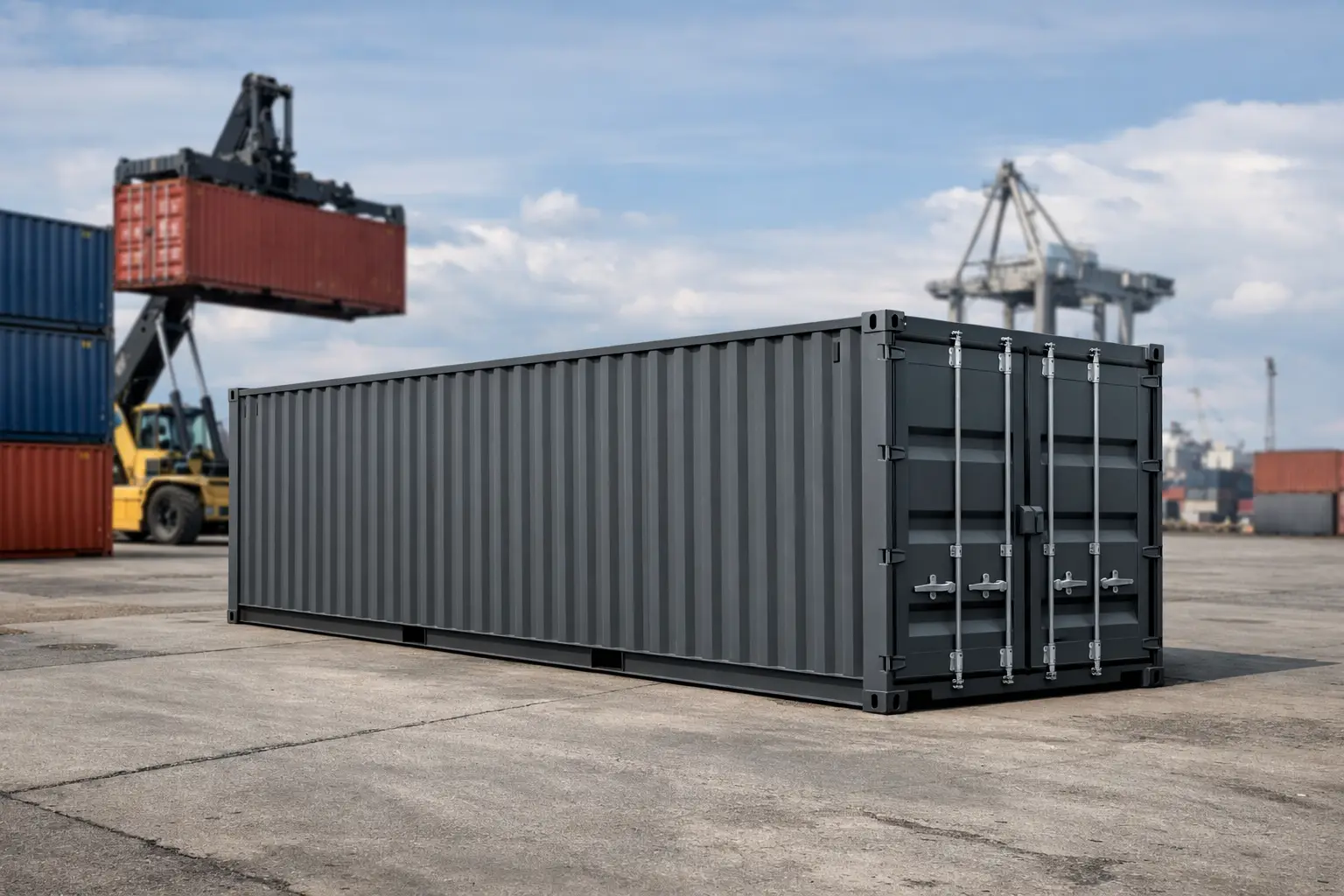
That said, cargo worthy is not a cosmetic grade. Expect dents, surface rust, patches, prior repairs, and visible wear from years of use in the global shipping fleet. Most CW containers are built from Corten steel and designed to ISO dimensions, so they still offer the core benefits buyers want – durability, stackability, and secure steel construction.
The key is knowing what the grade does and does not promise. Cargo Worthy speaks to structural integrity more than appearance. If you need a container for a retail pop-up, a front-facing office, or a residential build where appearance matters, a refurbished or one-trip container may be a better fit even if the upfront price is higher.
Cargo Worthy vs WWT vs one-trip
This is where many buyers run into avoidable confusion. Wind and Watertight, or WWT, typically means the container keeps out wind and water and has usable doors and floor. It may be suitable for storage, but it does not always imply the same transport-readiness buyers associate with Cargo Worthy.
Cargo Worthy generally sits above many basic storage-grade units because it points to a container that remains structurally suitable for cargo service. That can matter if you want stronger assurance around frame condition, door operation, and overall usability. For contractors storing expensive tools or agricultural operators protecting feed, parts, or equipment, that extra confidence has real value.
One-trip containers are different. These units have usually made a single loaded trip from overseas after manufacture. They offer the best cosmetic condition, the longest expected service life, and the fewest repairs, but they also cost more. If your use case is simple on-site storage behind a warehouse or on a job site, paying a premium for a near-new appearance may not make sense.
When a cargo worthy container is the right choice
For many buyers, CW is the practical answer. A general contractor may need immediate job-site storage for tools, copper, fasteners, and job records. A farm may need weather-resistant storage for parts, seasonal supplies, or equipment that should not sit exposed. A logistics manager may need overflow inventory space without committing to a permanent building.
In those situations, the priority is usually security and structural reliability, not perfect exterior appearance. A cargo worthy container can deliver that balance. It is strong enough for serious use, available in common sizes like 20-foot and 40-foot, and usually more budget-friendly than one-trip inventory.
It can also work well for workshop shells and some conversion plans, but this is where trade-offs matter. If you are cutting windows, adding insulation, and finishing the interior, starting with a container that has fewer dents and less repair history can simplify the build. Buying cheaper at the front end sometimes increases fabrication costs later.
What to inspect before you buy cargo worthy container stock
The smartest buyers do not stop at the grade label. They ask for verified specifications and current condition details. A dependable seller should be able to explain what they mean by Cargo Worthy and how the unit was evaluated.
Start with the doors. They should open and close fully without excessive force, and the locking gear should move properly. On a container, door alignment tells you a lot about whether the frame has remained square.
Check the floor next. Most used containers have marine-grade plywood floors over steel cross members. Wear is normal, but soft spots, severe delamination, contamination, or major repairs should be disclosed clearly. If you plan to store palletized materials or heavy equipment, the floor condition is not a small detail.
Then look at the roof, side panels, and corner posts. Surface rust is common and often manageable. Deep corrosion, heavy patching, or obvious structural distortion deserves closer review. Corner castings and corner posts matter because they carry load and help the container remain structurally stable during lifting and placement.
If transport compliance matters for your use, ask whether the container has current documentation or inspection support tied to cargo service requirements. Terminology can vary in the market, so it is better to ask direct questions than rely on assumptions.
Delivery matters as much as the container itself
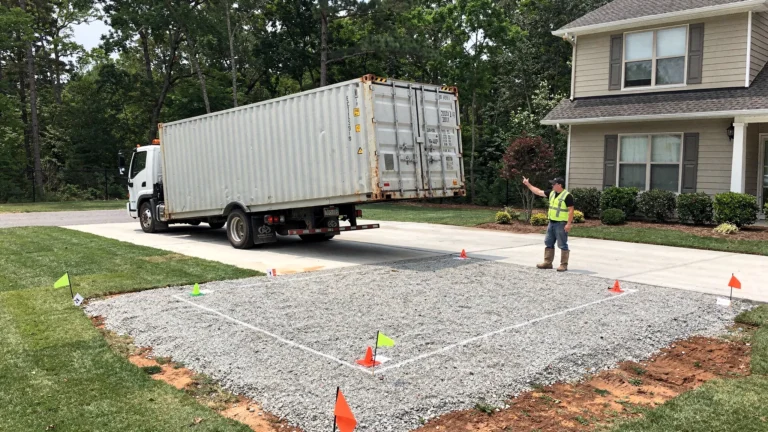
A solid container can still become a frustrating purchase if the delivery plan is vague. This is one reason experienced buyers ask about logistics before they place an order. Site access, ground conditions, overhead clearance, and unloading method all affect whether delivery goes smoothly.
Tilt-Bed delivery is common for residential and light commercial placements because the container slides off the trailer onto the prepared site. Ground-Level delivery can be useful when placement precision matters. Either way, you need room for the truck to enter, maneuver, and unload safely.
A 20-foot container often fits more sites and is easier to place. A 40-foot unit gives better storage value per square foot, but it requires more clearance and a flatter, better-prepared pad. If your driveway is narrow, your site is soft after rain, or there are low tree limbs or power lines, those details should be addressed before dispatch. No fine print and no surprises should apply to logistics too.
Avoiding hidden costs
The cheapest quote is not always the lowest final cost. A low advertised price can leave out delivery, difficult-site surcharges, or the condition details that matter once the container arrives. Buyers should ask for clear pricing that includes the unit grade, size, delivery method, and any known site-related limitations.
Repairs are another common blind spot. If a lower-priced container needs floor work, door adjustment, repainting, or patching after delivery, your savings can disappear quickly. The better approach is to match the container grade to the actual job.
For secure storage where function comes first, Cargo Worthy can be the efficient choice. For customer-facing use or high-end conversion work, paying more for better appearance and lower repair risk is often justified. There is no single best grade for every project. There is only the best fit for your timeline, site, and budget.
How to choose the right size and spec
A 20-foot cargo worthy container works well for compact job sites, residential storage, and locations with tighter access. It gives you strong security without demanding as much placement room. A 40-foot unit makes more sense when you need to store long materials, manage inventory overflow, or reduce the cost per square foot of storage.
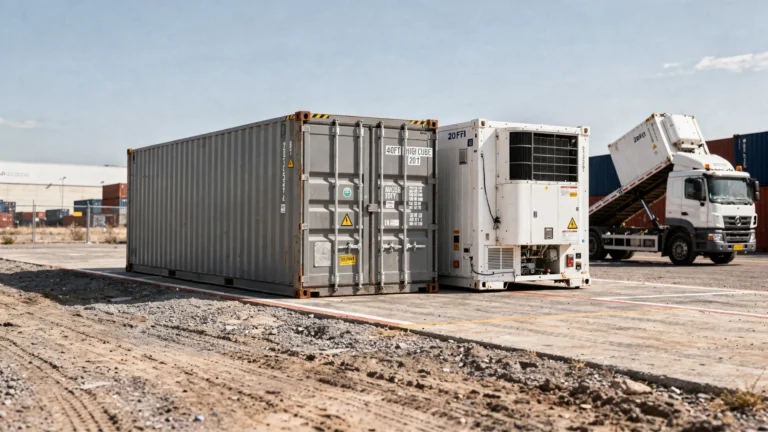
High-cube containers add an extra foot of height, which can matter for shelving, oversized equipment, or conversion plans. Specialized units like reefers, tunnel containers, and open-top containers fill more specific operational needs, but for most buyers seeking immediate secure storage, standard dry containers remain the starting point.
If you are unsure, think less about the container and more about what will go inside it six months from now. Buyers often outgrow a unit faster than expected, especially on active construction sites or growing rural properties.
Buy from a seller who explains the grade plainly
When you buy cargo worthy container units, clarity is the real product. You want to know what grade you are getting, what cosmetic wear to expect, how delivery will happen, and what site preparation is required. Sellers who use broad terms without specifics tend to create the very problems buyers are trying to avoid.
A strong container purchase should feel straightforward. You should receive verified dimensions, a clear explanation of condition, and practical guidance on placement. That is especially important for customers buying in fast-moving markets across the Southeast or scheduling around active job sites where timing matters.
If the seller can explain the trade-offs between Cargo Worthy, WWT, refurbished, and one-trip without steering every conversation to the highest-priced option, that is usually a good sign. The right container is not the most expensive one. It is the one that arrives as described, fits the site, and holds up to the work you need it to do.
A container is a steel box, but the purchase should not feel like a gamble. Ask direct questions, match the grade to the job, and give delivery planning the same attention you give price.