Best shipping containers for sale in Miami, Florida | 2026 Guide
Table of Contents
- Table of Contents
- Miami Shipping Containers for Sale Quick Facts
- Shipping Containers for Sale in Miami: What You Need to Know
- Top Shipping Containers for Sale Options in Miami
- Budget-Friendly: Wind and Watertight Containers
- Mid-Range: Cargo Worthy Containers
- Premium: One-Trip Containers
- How to Choose the Right Shipping Containers for Sale in Miami
- Start with Your Use Case
- Verify the Grade
- Check Florida-Specific Requirements
- Plan Your Delivery Access
- Questions to Ask Every Supplier
- Miami Shipping Containers for Sale Market in 2026
- Construction and Commercial Demand
- Alternative Structure Growth
- Port Volume and Pricing Trends
- Seasonal Patterns
- Miami Shipping Containers for Sale FAQ
- How much does a shipping container cost in Miami in 2026?
- Do I need a permit to put a shipping container on my property in Miami?
- How long does delivery take?
- What size container do most Miami buyers choose?
- Can a shipping container withstand a hurricane?
- What should I inspect on a used shipping container before buying?
- Get Shipping Containers for Sale in Miami Today
- Final Checklist
Table of Contents
- Miami Shipping Containers for Sale Quick Facts
- Shipping Containers for Sale in Miami: What You Need to Know
- Top Shipping Containers for Sale Options in Miami
- How to Choose the Right Shipping Containers for Sale in Miami
- Miami Shipping Containers for Sale Market in 2026
- Miami Shipping Containers for Sale FAQ
- Get Shipping Containers for Sale in Miami Today
- Final Checklist
Miami sits at the crossroads of international trade, coastal construction, and year-round outdoor storage demand, making it one of the most active shipping container markets in the southeastern United States. Whether you’re a contractor setting up a job site near Doral, a small business owner needing overflow storage in Hialeah, or a homeowner planning a container-based project in Homestead, the options available in this city are broader than almost anywhere else in Florida. But broader options also mean more decisions, more pricing variation, and more room for costly mistakes. This 2026 guide breaks down what Miami buyers actually need to know: real pricing, condition grades, delivery logistics, and the specific factors that make buying a shipping container here different from buying one in Orlando, Tampa, or Jacksonville. The goal is practical clarity so you can choose the right container with fewer surprises and get it delivered correctly the first time. If you’re comparing shipping container sizes before committing, this is where to start.
Miami Shipping Containers for Sale Quick Facts
Here’s what you need to know before reading any further:
- Typical pricing in Miami ranges from $1,800 to $3,200 for a used shipping container (20ft standard) and $3,800 to $6,500 for a one-trip container (20ft or 40ft), depending on condition and availability.
- Delivery lead times average 5 to 14 business days from order confirmation, though containers sourced from the Port of Miami or nearby depots can sometimes arrive within a week.
- Service area coverage from most Miami-area suppliers extends through Miami-Dade, Broward, and Palm Beach counties, with some providers delivering as far north as Fort Pierce and as far south as Key Largo.
- Local providers stand out because of proximity to one of the largest container ports in the U.S., which means higher inventory turnover, more grade options, and generally better pricing than inland Florida markets.
- Site access matters significantly in Miami. Many residential neighborhoods have narrow streets, overhead power lines, and HOA restrictions that affect delivery vehicle access and container placement.
These numbers reflect early 2026 market conditions. Pricing shifts with steel costs, port volume, and seasonal construction demand.
Shipping Containers for Sale in Miami: What You Need to Know
Miami’s container market benefits from a geographic advantage that most Florida cities simply don’t have. The Port of Miami and PortMiami cargo terminals handle millions of TEUs (twenty-foot equivalent units) annually, which means a constant flow of containers cycling through the local market. That volume translates directly into better selection for buyers: more one-trip containers fresh off international routes, more cargo worthy units in decent condition, and more wind and watertight containers available at lower price points than you’d find in landlocked areas.
The types of services available in the Miami metro area include direct container sales (new and used), short-term and long-term leasing, modification services for container offices and workshops, and delivery with placement. Some suppliers operate out of container depots near the port in neighborhoods like Wynwood and Overtown, while others maintain yards in industrial corridors along NW 74th Street, in Medley, or out near the Turnpike in Doral.
Location matters for two practical reasons. First, proximity to a depot reduces your delivery cost. A container delivered from a Medley yard to a job site in Kendall might cost $350 to $500, while the same container shipped from a Jacksonville depot to the same address could run $1,200 or more. Second, Miami’s climate creates specific demands. Containers stored or used here face salt air corrosion, intense UV exposure, and hurricane-force wind loads. That means container grade and condition aren’t just about aesthetics; they directly affect how long your container will hold up in a subtropical coastal environment.
Buyers in areas like Coral Gables, Coconut Grove, or Miami Beach should also be aware that local zoning codes may restrict container placement on residential lots. Always check with your municipality before purchasing.
Top Shipping Containers for Sale Options in Miami
Budget-Friendly: Wind and Watertight Containers
Wind and watertight (WWT) containers are the entry point for buyers who need functional storage without spending top dollar. These units have cosmetic wear, surface rust, minor dents, and possibly repaired panels, but they still keep weather out. In Miami, a 20ft WWT container typically runs $1,800 to $2,500, while a 40ft unit falls between $2,200 and $3,400.
These are best for: temporary job site storage, agricultural use on rural properties south of Homestead, equipment staging, and seasonal inventory overflow. They’re not ideal for permanent installations or projects where appearance matters, and they won’t pass a CSC (Container Safety Convention) inspection for ocean transport.
Mid-Range: Cargo Worthy Containers
Cargo worthy containers have been inspected and certified fit for international shipping. They’re structurally sound with intact floors, functional doors, and no significant corrosion. Pricing in Miami for a 20ft cargo worthy unit ranges from $2,500 to $3,800, and 40ft units typically fall between $3,000 and $4,800.
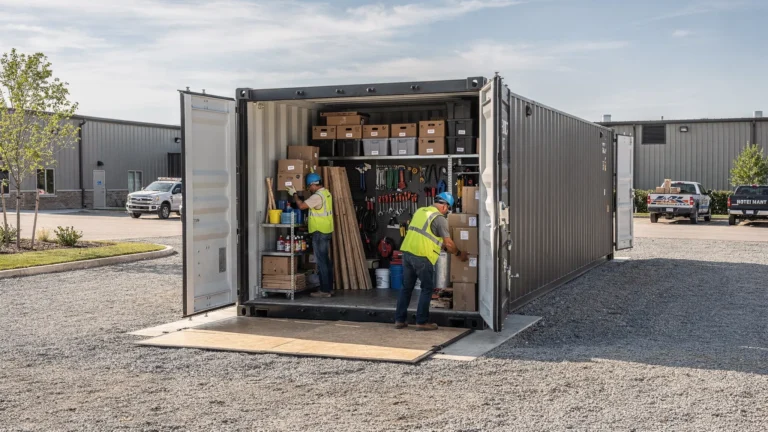
These are the sweet spot for most Miami buyers. Contractors use them for secure tool and material storage on active construction sites. Small businesses use them for inventory management. They’re also a solid starting point for modification projects like container offices or pop-up retail spaces, which are increasingly common in neighborhoods like Wynwood and the Design District.
Premium: One-Trip Containers
One-trip containers are manufactured overseas (typically in China), loaded with cargo for a single voyage, and then sold in the U.S. They arrive in near-new condition with minimal wear, fresh paint, and intact factory flooring. A 20ft one-trip container in Miami costs between $3,800 and $5,200, while a 40ft high cube shipping container runs $4,500 to $6,500.
These are the right choice for permanent installations, visible commercial projects, container homes, and any application where structural integrity and appearance both matter. If you’re planning a container-based build in Miami-Dade County that requires permitting, inspectors will generally look more favorably on one-trip units. Lease Lane Containers offers one-trip and used shipping containers with clear grading guidance so you know exactly what condition you’re getting before delivery.
How to Choose the Right Shipping Containers for Sale in Miami
Choosing the right container isn’t just about price. The wrong size, grade, or delivery setup can cost you more in corrections than you saved on the purchase. Here’s a practical decision framework for Miami buyers.
Start with Your Use Case
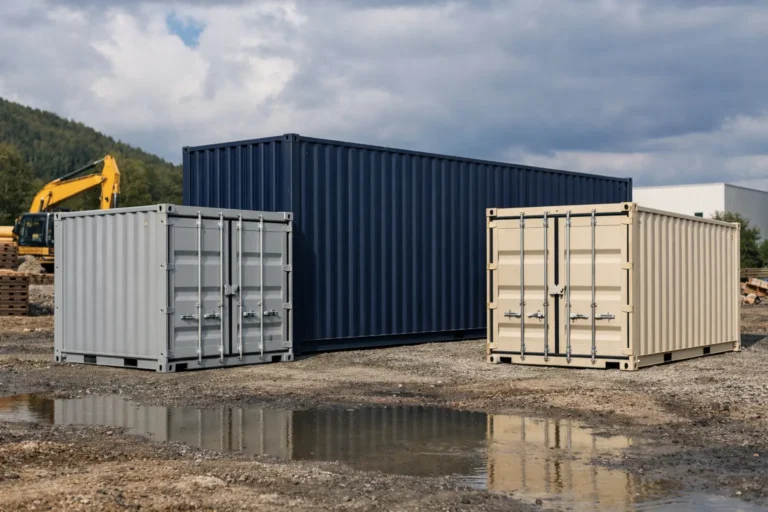
A 20ft standard container (dimensions: 20ft x 8ft x 8ft 6in, roughly 1,360 cubic feet of interior space) works for most residential storage and small commercial needs. A 40ft high cube shipping container (40ft x 8ft x 9ft 6in, roughly 2,700 cubic feet) is better for large equipment, vehicle storage, or projects where interior ceiling height matters. The extra foot of height in a high cube makes a real difference for container office conversions or workshop builds.
Verify the Grade
Ask the supplier for specific details about the container’s condition. The three standard grades you’ll encounter are:
- One-trip: near-new, one international voyage, factory paint and flooring intact
- Cargo worthy: structurally sound, CSC-certified, suitable for shipping or long-term use
- Wind and watertight: weather-sealed but not certified for transport, cosmetic wear expected
If a seller can’t clearly explain the grade or refuses to provide photos, that’s a red flag. Lease Lane Containers provides transparent grading guidance on common container conditions so buyers can compare options with confidence.
Check Florida-Specific Requirements
Florida doesn’t require a state-level permit to purchase a shipping container, but Miami-Dade County has specific zoning and building code requirements for containers placed on residential or commercial property. If you’re using a container as a permanent structure (a home, office, or retail space), you’ll likely need a building permit. Contact the Miami-Dade County Building Department at (786) 315-2000 or visit their online portal to verify requirements for your specific address.
Plan Your Delivery Access
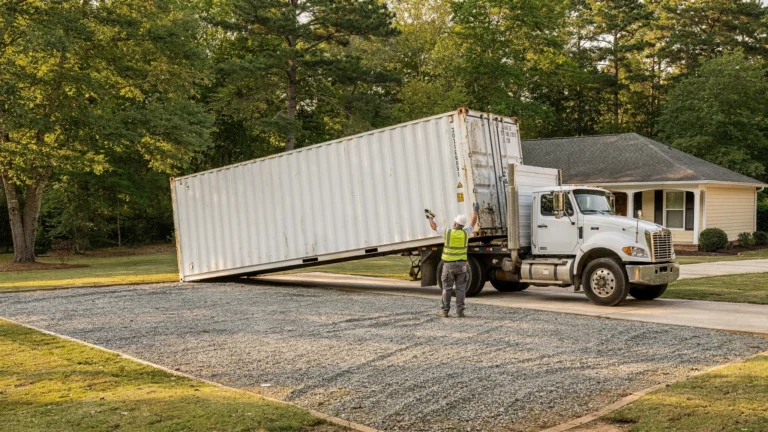
This is where Miami buyers run into the most problems. Container delivery typically requires either a tilt-bed truck or a roll-off chassis. Both need:
- A minimum of 60 feet of straight clearance for placement
- At least 14 feet of overhead clearance (watch for power lines and tree canopy)
- A firm, level surface: gravel pad, compacted earth, or concrete
- Adequate turning radius for a full-size truck, which rules out many narrow residential streets in older Miami neighborhoods like Little Havana or parts of Miami Beach
If your site has tight access, discuss it with your supplier before ordering. A failed delivery attempt can cost $300 to $600 in re-delivery fees.
Questions to Ask Every Supplier
- What is the exact grade and condition of this specific container?
- Can you provide dated photos of the interior and exterior?
- What does the delivery price include, and are there additional fees for placement?
- Do you offer site access guidance or delivery planning support?
- What is your return or dispute policy if the container doesn’t match the description?
Miami Shipping Containers for Sale Market in 2026
The Miami container market in 2026 is shaped by three converging forces: sustained construction activity, rising demand for alternative structures, and shifting port economics.
Construction and Commercial Demand
Miami-Dade County issued over 42,000 building permits in 2024, and early 2026 data suggests that pace has held steady. Large-scale projects in Brickell, Edgewater, and Miami Gardens continue to drive demand for job site storage containers. Contractors working on multi-phase residential developments often need three to five containers per site for tool storage, material staging, and temporary offices.
Alternative Structure Growth
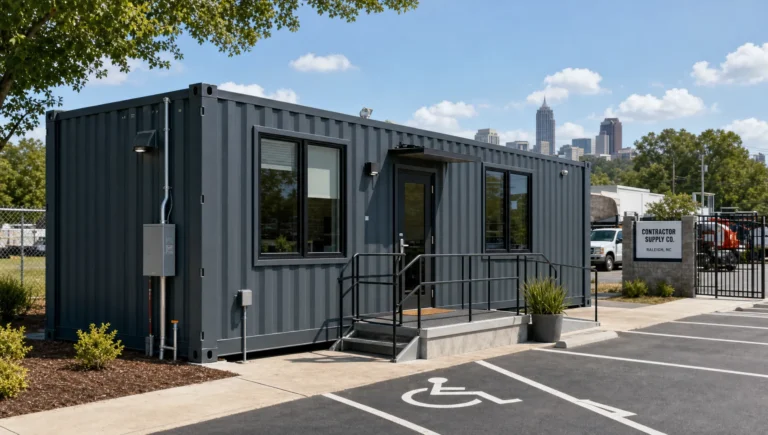
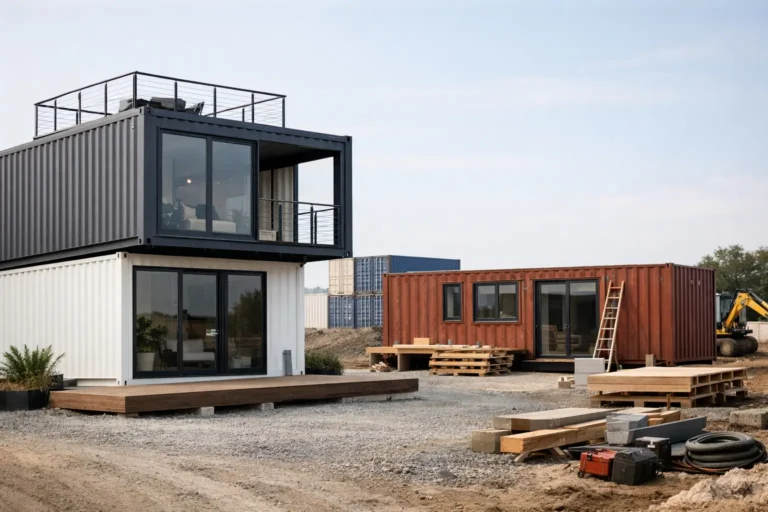
Container-based construction has moved well past the novelty stage in South Florida. Container offices, pop-up retail spaces, and modular housing projects are now common enough that Miami-Dade’s planning department has established clearer permitting pathways for them. This increased acceptance has pushed demand for one-trip and cargo worthy containers higher, particularly for 40ft high cube shipping containers that offer enough interior volume for comfortable workspace conversions.
Port Volume and Pricing Trends
PortMiami’s cargo volume hit record levels in 2025, and that throughput keeps the local supply of used shipping containers relatively healthy. However, global steel prices rose roughly 8% between mid-2025 and early 2026, which has nudged new container manufacturing costs upward. The practical effect for Miami buyers: one-trip container prices are up about $200 to $400 compared to this time last year, while used container pricing has remained more stable due to strong local supply.
Seasonal Patterns
Miami’s container market has a distinct seasonal rhythm. Demand peaks from October through March, when construction activity is highest (cooler weather, dry season) and snowbird residents arrive needing storage solutions. Prices tend to soften slightly from June through August, when hurricane season reduces outdoor project starts and some buyers delay purchases. If you have flexibility on timing, summer buying can save you 5% to 10% on both the container and delivery costs.
Compared to the rest of Florida, Miami consistently offers better selection and slightly lower per-unit pricing than Orlando, Tampa, or Jacksonville, primarily because of port proximity and higher inventory turnover.
Miami Shipping Containers for Sale FAQ
How much does a shipping container cost in Miami in 2026?
A 20ft used shipping container in wind and watertight condition runs $1,800 to $2,500. Cargo worthy 20ft units cost $2,500 to $3,800. One-trip 20ft containers range from $3,800 to $5,200. For 40ft units, add roughly $500 to $1,500 depending on grade. High cube versions carry a slight premium over standard height containers. Delivery within Miami-Dade County typically adds $350 to $700.
Do I need a permit to put a shipping container on my property in Miami?
For temporary storage (typically under 180 days), many Miami-Dade locations don’t require a building permit, but you should verify with your local zoning office. Permanent placement, especially for habitable structures like container offices or homes, requires a building permit and must comply with the Florida Building Code. HOA-governed communities often have additional restrictions. Call the Miami-Dade Building Department at (786) 315-2000 for your specific situation.
How long does delivery take?
Most Miami-area suppliers can deliver within 5 to 14 business days of order confirmation. Containers sourced from local depots near the port may arrive faster. Delivery from out-of-area suppliers (including nationwide providers like Lease Lane Containers, based in Raleigh, NC) typically takes 7 to 14 days depending on logistics and scheduling.
What size container do most Miami buyers choose?
The 40ft high cube shipping container is the most popular choice for commercial and construction use because of its volume (approximately 2,700 cubic feet) and the extra foot of ceiling height. For residential storage, the 20ft standard container is more practical and easier to place on smaller lots.
Can a shipping container withstand a hurricane?
Steel shipping containers are engineered to handle severe conditions at sea, including high winds and stacking loads. A properly anchored container can withstand Category 3 to 4 wind speeds. However, anchoring is critical. An unsecured container can shift or overturn in hurricane-force winds. If you’re in a hurricane zone (which is all of Miami-Dade County), invest in proper tie-downs or a concrete foundation with anchor points.
What should I inspect on a used shipping container before buying?
Check for significant rust or corrosion on the undercarriage and corner posts. Open and close both doors to verify the locking mechanism works smoothly. Inspect the interior floor (marine-grade plywood in most containers) for water damage, soft spots, or chemical odors. Look at the roof for dents or patches that could indicate past leaks. Request photos before delivery, and inspect in person at pickup if possible.
Get Shipping Containers for Sale in Miami Today
If you’ve read this far, you likely have a specific project in mind. Here’s how to move forward without wasting time or money.
Start by defining three things: the container size you need, the condition grade that matches your use case, and your delivery site conditions. Measure your available placement area, note any overhead obstructions, and confirm that a delivery truck can access your property. Having this information ready before you contact a supplier will speed up the quoting process and help you avoid surprises.
For Miami buyers working with tight timelines, local depot sourcing is usually fastest. But if you want better selection across grades and sizes, working with a supplier that has broader inventory and delivery planning support can save you headaches. Lease Lane Containers, based in Raleigh, NC, delivers nationwide and provides guidance on site access, placement, and container delivery requirements so your container arrives and gets placed correctly the first time.
Request quotes from at least two to three suppliers. Compare not just the container price but also delivery fees, condition guarantees, and return policies. The cheapest quote isn’t always the best deal if the container shows up in worse condition than described or the delivery fails due to poor planning.
Final Checklist
Before you commit to a purchase, run through these steps:
- Confirm the container grade (one-trip, cargo worthy, or wind and watertight) matches your intended use
- Verify shipping container dimensions fit your available space, including door swing clearance
- Check Miami-Dade County zoning and permit requirements for your specific property
- Measure overhead clearance (minimum 14 feet) and straight-line access (minimum 60 feet) for delivery
- Prepare a level surface: gravel pad, compacted ground, or concrete slab
- Request dated photos of the specific container you’re purchasing
- Compare at least two to three quotes including delivery fees
- Ask about anchoring options if your container will stay through hurricane season
- Confirm the supplier’s return or dispute policy in writing
Finding the right shipping container in Miami comes down to matching your project needs with the right grade, size, and delivery plan. The market here offers more options than almost anywhere else in Florida, but that abundance only helps if you know what to look for. Browse available inventory to compare container sizes, grades, and pricing, or contact us to get help choosing the right fit for your project.