What to Expect From a Storage Container Delivery Service
A good container delivery is not just a truck showing up with a steel box. It is a coordinated process that starts with choosing the right unit, confirming the grade, measuring the property, planning the drop spot, and making sure the delivery method matches the site. For contractors in Raleigh, homeowners in Wake County, small businesses across the Southeast, and logistics teams buying nationwide, the quality of the delivery planning often determines whether the container is useful on day one.
When you hire a professional storage container delivery service, you should expect clear communication, realistic site guidance, transparent container grading, and a driver who understands how ISO shipping containers behave during unloading. Here is what the process should look like from the first quote to the final inspection.
What a Storage Container Delivery Service Should Include
A reliable delivery service should help you solve three questions before the truck is scheduled: what container fits the job, whether the site can accept the delivery, and how the unit will be positioned safely.
That means the provider should ask about your use case, the delivery ZIP code, the surface where the container will sit, the access route, and any overhead obstructions. If a company only asks for payment and an address, that is a warning sign. Delivery failures are often caused by details that could have been checked early, such as a tight driveway turn, low utility lines, soft ground after rain, or a pad that is not level.
| Delivery stage | What you should expect | What you should provide |
|---|---|---|
| Quote request | Container size, grade, delivery location, and placement needs are discussed | ZIP code, intended use, site photos, and preferred drop spot |
| Site review | Access, clearance, ground conditions, and unloading method are evaluated | Measurements, driveway details, slope concerns, and overhead hazards |
| Scheduling | Delivery window, driver access, payment terms, and contact details are confirmed | On-site contact, gate codes, permit or HOA status, and placement markings |
| Delivery day | Driver unloads and positions the container according to the approved plan | Clear route, safe work area, and someone available to confirm placement |
| Final inspection | Doors, seals, exterior condition, and alignment are checked | Photos, notes, and confirmation that the container sits level |
Lease Lane Containers LLC works with buyers who need clean storage containers delivered to job sites, farms, homes, retail lots, and industrial locations. From Raleigh and the wider North Carolina market to nationwide delivery, the goal is the same: match the container and delivery plan to the actual site conditions.
Expect Questions About Size, Height, and Use Case
The first step is choosing the right container format. Most buyers start with 20ft or 40ft containers, but the right answer depends on space, access, inventory volume, and how often you need to get inside.
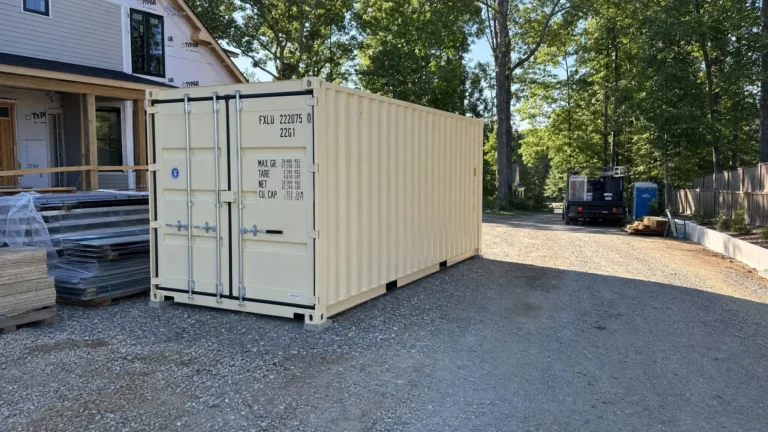
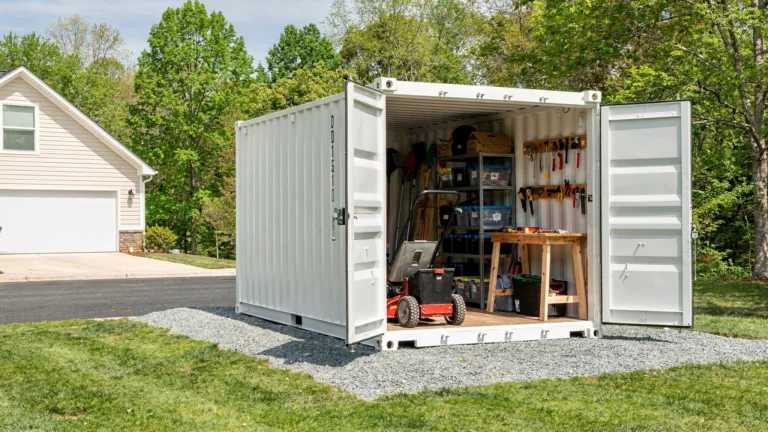
A 20ft unit is often easier to place in tighter residential or jobsite areas. If you are comparing 20ft containers, think about whether you need compact secure storage for tools, landscaping equipment, seasonal inventory, or household items. These units are popular with general contractors and homeowners because they offer strong storage capacity without requiring as much delivery room as a longer container.
A 40ft unit is better when you need more floor space, such as material storage for a large build, farm supplies, retail overflow, or warehouse backup inventory. If you are budgeting for 40ft containers, ask how much straight-line clearance the delivery truck will need and whether your site has room for the truck, trailer, and container during unloading.
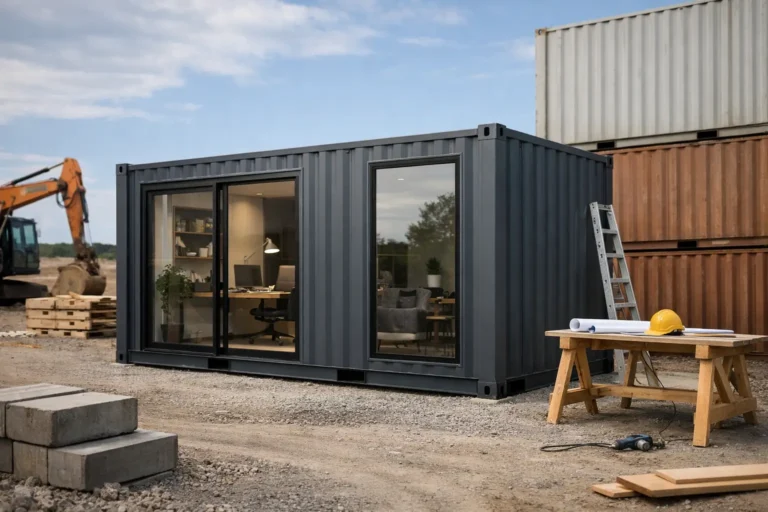
High Cube containers add another important variable. A standard shipping container is typically 8 feet 6 inches tall on the exterior, while a High Cube is typically 9 feet 6 inches tall. That extra foot matters for palletized goods, shelving, office conversions, taller equipment, and many modular builds. It also matters for delivery clearance. In Raleigh neighborhoods with mature trees, utility lines, and sloped driveways, a High Cube requires extra attention before the truck arrives.
Expect Clear Container Grade Explanations
A professional storage container delivery service should not treat every container as the same. The grade affects price, appearance, structural condition, weather resistance, and whether the unit is suitable for storage, modification, or export.
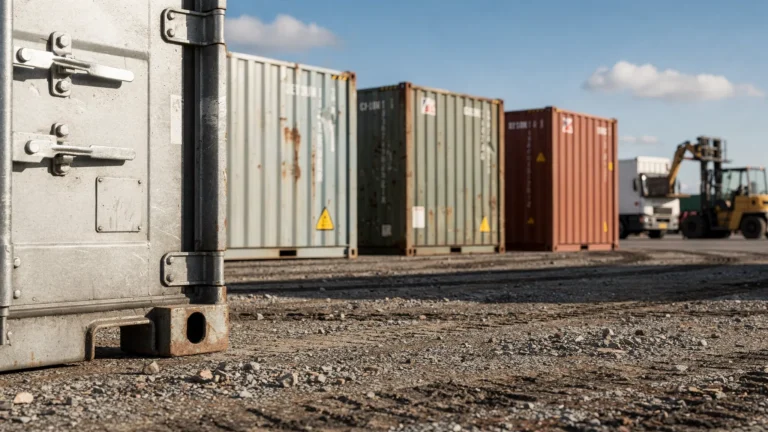
Most shipping containers are built with Corten Steel, a weathering steel designed to handle marine and intermodal environments. They are manufactured to ISO standards for standardized handling, stacking, and transport. That does not mean every used container is in the same condition. Age, shipping history, repairs, corrosion, flooring condition, and door operation can vary widely.
| Container grade | What it means | Best fit |
|---|---|---|
| One-Trip | Usually made overseas, loaded once, shipped to the U.S., then sold into the storage market. It is the closest common option to new. | Customer-facing storage, offices, retail, modifications, and long-term use where appearance matters |
| Cargo Worthy (CW) | Structurally suitable for cargo transport and typically inspected for frame, floor, doors, and corner casting integrity. Export use may require current documentation or survey. | Logistics, export, stacking needs, high-value storage, and buyers who want stronger structural assurance |
| Wind and Watertight (WWT) | Used container that should keep out wind and water when doors and seals are functioning, but is not necessarily certified for ocean cargo. | Stationary ground storage, contractor tools, farm equipment, and budget-conscious long-term storage |
For most stationary storage in North Carolina, a WWT unit can be a practical value if it has solid doors, intact gaskets, a usable floor, and no active leaks. For export, intermodal transport, or higher structural demands, Cargo Worthy is usually the correct starting point. For conversions, visible business locations, or long-term premium storage, One-Trip is often worth the higher upfront cost.
If you are considering used containers, ask the supplier to define the grade in plain language, not just use a label. Photos, videos, CSC plate details when applicable, and a basic inspection summary can prevent misunderstandings before delivery.
Expect the Delivery Method to Match the Site
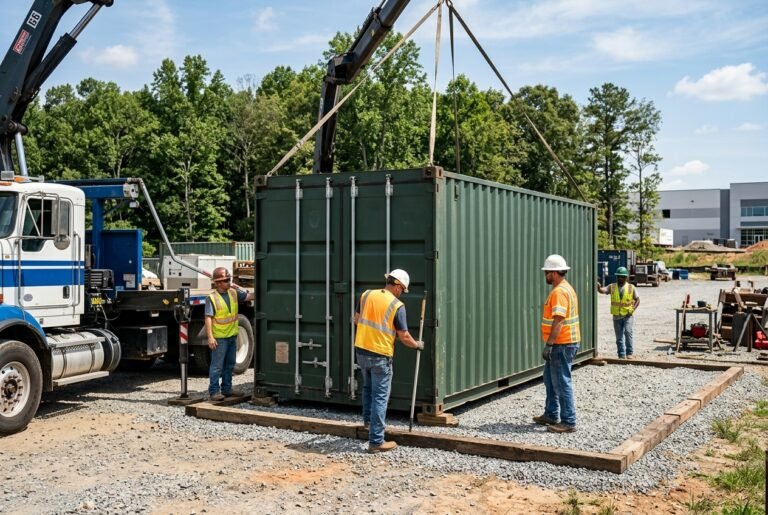
The delivery equipment matters as much as the container. A delivery method that works on a wide commercial yard may not work in a residential driveway or behind a barn. Before scheduling, the provider should explain how the unit will be unloaded and what the site must allow.
| Delivery method | How it works | Common considerations |
|---|---|---|
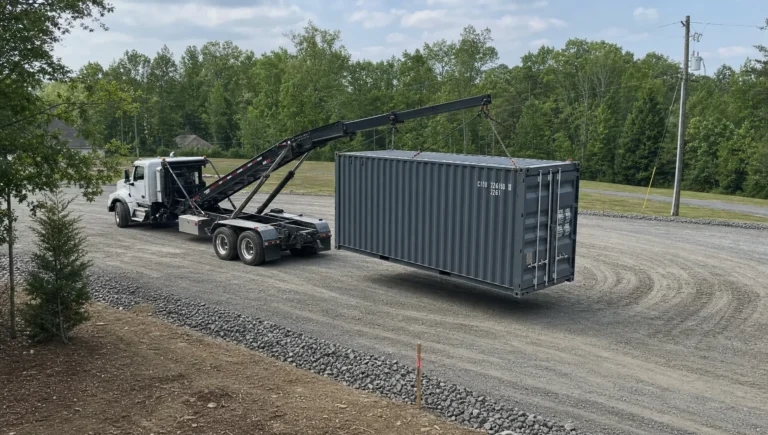
| Tilt-bed delivery | Trailer tilts, the container slides down, and the truck pulls forward to set it on the ground | Requires straight-line space in front of the final location and stable ground |
| Flatbed with crane or forklift | Container arrives on a flatbed and is lifted off by separate equipment | Useful for tight placements, but requires equipment planning and enough lift capacity |
| Side-loader | Specialized truck lifts the container off the side | Helpful where space allows side placement, but not available in every market |
| Chassis delivery | Container remains on a trailer chassis rather than being placed on the ground | Often used for temporary transport or logistics situations, not typical permanent ground storage |
For many residential, farm, and jobsite deliveries in the Southeast, tilt-bed delivery is common because it can place the container directly on the prepared pad. However, it needs room. The truck and trailer must align with the final placement direction, and the container usually comes off in a controlled slide.
If you need the doors facing a specific direction, tell the supplier before dispatch. Door orientation affects how the container is loaded at the yard and how the driver approaches the site. A last-minute change may be impossible if the route or trailer setup does not support it.
For more detailed measurements, review Lease Lane Containers’ guide to shipping container delivery requirements before your delivery date.
Pro-Tip: Prepare the Pad Before the Truck Leaves the Yard
Do not wait until delivery morning to think about the ground. A storage container loaded with tools, inventory, feed, furniture, or equipment can become very heavy. If it sits on soft soil, uneven blocks, or poor drainage, it can twist over time. That twist can make doors harder to operate and can accelerate corrosion under the floor.
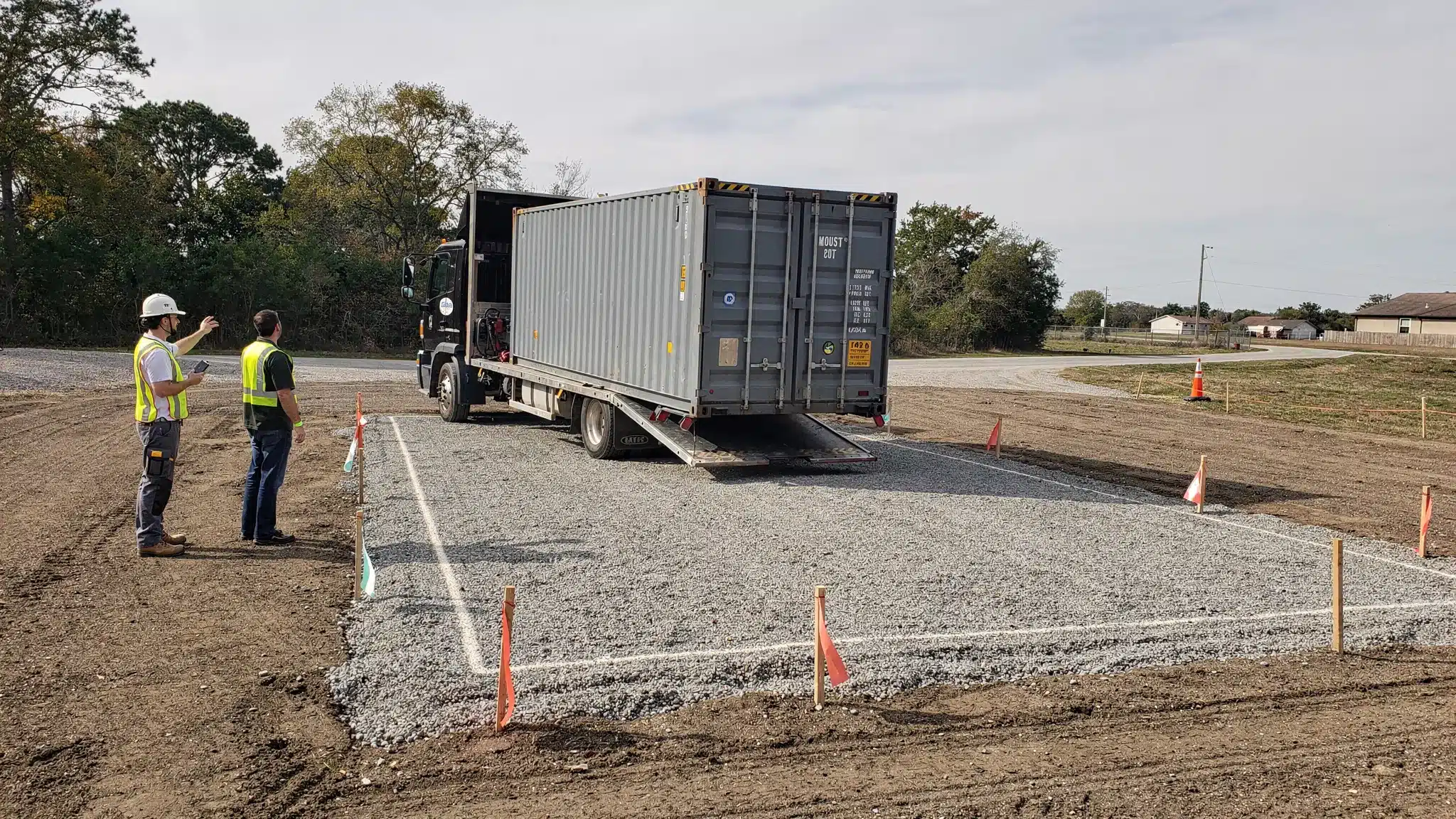
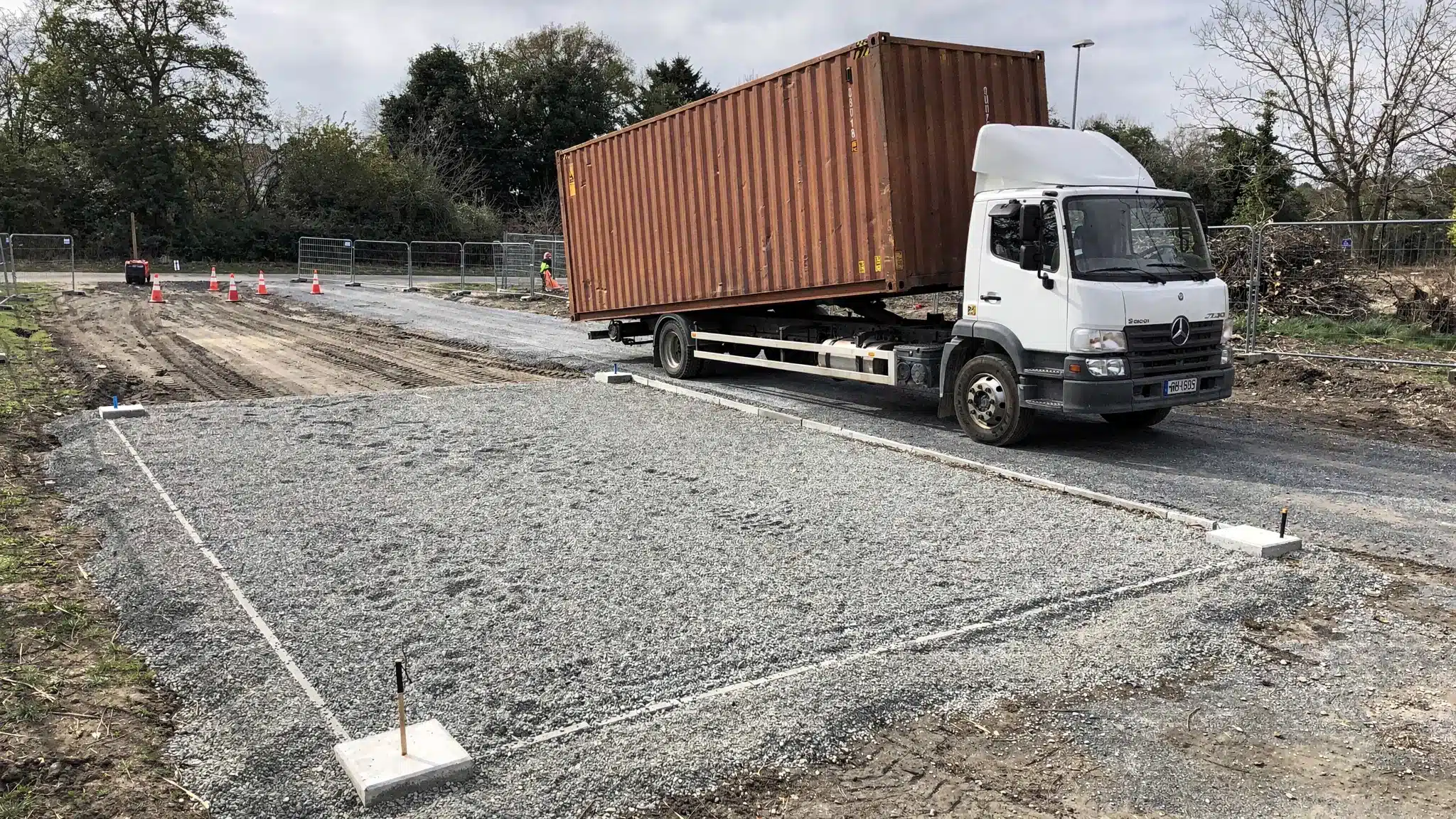
For most storage uses around Raleigh and the Southeast, a compacted gravel pad is a strong practical choice. Gravel helps drainage, spreads weight, and reduces direct soil contact. Concrete slabs and piers can also work well, especially for permanent installations or modified containers. The most important principles are stability, drainage, and level corner support.
Before delivery, mark the four corners of the desired placement with paint, flags, cones, or stakes. Make sure the pad is slightly larger than the container footprint, clear branches and debris from the access route, and avoid placing the unit where water collects after rain. North Carolina clay soils can become soft quickly, so delivery after heavy rain may require extra caution.
Also check permits, zoning, and HOA rules early. Requirements vary based on city, county, zoning district, duration of placement, visibility, and intended use. In Raleigh and Wake County, a container used temporarily on a construction site may be treated differently from a long-term residential storage unit or a modified office. When in doubt, contact the local planning department before scheduling delivery.
What Happens on Delivery Day
On delivery day, the site should be ready before the driver arrives. The access route should be clear of parked cars, low branches, trash bins, construction materials, and loose debris. Pets and children should stay away from the unloading area. If you are on an active jobsite, coordinate with crews so the truck has room to maneuver without backing around workers or equipment.
The driver will typically confirm the placement spot, approach direction, and door orientation before unloading. If the ground looks unsafe, too soft, too steep, or too tight for the equipment, the driver may stop and reassess. That can be frustrating, but it is better than damaging a driveway, getting a truck stuck, or dropping a container in the wrong location.
Once the container is set, inspect it before the driver leaves if possible. Open and close the doors, check that the lock rods move, confirm the gaskets contact properly, and look inside for daylight through the roof or wall seams. A WWT unit should not show active daylight leaks. A Cargo Worthy unit should match the documentation or inspection status discussed before purchase. A One-Trip unit should still be inspected, even though it will usually have much less wear.
Take photos of all four sides, the roof if visible and safe to document from the ground or nearby elevation, the interior floor, the door gaskets, and the container number. Photo documentation is useful for warranty discussions, maintenance planning, resale records, and insurance.
Plan the Interior Before You Fill It
A delivered container is secure storage, but how you organize it determines how useful it becomes. Contractors should plan aisles for tool access, heavier materials near the floor, and frequently used items near the doors. Small business owners may want shelving, pallet spaces, lighting, or a front-access layout that keeps daily inventory easy to reach.
Homeowners storing clothing, seasonal items, or retail apparel should keep soft goods off the floor, use sealed bins, and create airflow around boxes. For clothing overflow or a boutique-style pop-up setup, space-saving closet tools such as MORALVE closet organization hangers can help keep garments compact, visible, and easier to access inside a container-based storage area.
For long-term storage in humid climates, consider ventilation, desiccants, raised shelving, and a regular inspection schedule. Containers are highly durable, but they are still steel structures. Airflow and moisture control matter, especially in the Southeast where humidity and temperature swings can contribute to condensation.
What Affects Delivery Cost and Scheduling
A delivery quote should be more than a single number. It should explain what is included and what could change the final cost. Distance from the depot, fuel, container size, delivery equipment, local access, tolls, permits, and special placement requirements can all affect the total delivered price.
The cheapest quote is not always the best value. A low advertised container price may exclude delivery, site complexity, crane service, taxes, failed delivery fees, or redelivery. A better quote clearly separates the container cost, delivery cost, optional services, and any assumptions about access.
For Raleigh buyers, local delivery planning can be especially valuable because the provider understands common regional conditions: narrow residential streets, pine and hardwood tree cover, clay soil, construction traffic, and fast-changing weather. For national customers, the same principles apply, but coordination with regional depots and carriers becomes even more important.
Signs You Are Working With a Professional Provider
A dependable container supplier should be comfortable discussing the technical details. They should explain the difference between One-Trip, Cargo Worthy, and WWT units. They should understand ISO container dimensions, High Cube clearance, Corten Steel durability, and delivery equipment limitations. They should ask for site photos when the location looks tight or unusual.
You should also expect honest guidance if your preferred drop spot is not realistic. Sometimes moving the container 20 feet, changing door orientation, adding gravel, trimming branches, or using a different delivery method can prevent costly problems. Good delivery planning is not about saying yes to everything. It is about getting the container placed safely and correctly the first time.
Frequently Asked Questions
How much space do I need for storage container delivery? It depends on the container size and delivery method. A 20ft container generally needs less maneuvering room than a 40ft container, while tilt-bed delivery requires straight-line space for the truck to pull forward as the container slides off. Ask your provider for requirements based on your exact site.
Can a container be delivered on grass or dirt? Sometimes, but it depends on ground firmness, slope, drainage, recent weather, and truck access. In Raleigh and much of the Southeast, clay soil can soften after rain, so compacted gravel, concrete, or stable corner supports are usually safer for long-term placement.
What is the best container grade for jobsite storage? Many contractors choose Wind and Watertight containers for stationary tool and material storage because they are cost-effective and weather-resistant. Cargo Worthy is better when structural certification or transport use matters, while One-Trip is best for premium appearance, modifications, or long service life.
Do I need a permit for a storage container in Raleigh, NC? Permit and zoning requirements vary by property type, location, duration, and intended use. Check with the City of Raleigh, Wake County, or your local municipality, and confirm HOA rules if applicable before scheduling delivery.
Should I inspect the container after delivery? Yes. Check door operation, gaskets, floors, walls, roof condition, locking hardware, and whether the container sits level. Take photos immediately after placement so you have a record of condition and positioning.
Ready to Schedule a Container Delivery?
Lease Lane Containers LLC helps buyers choose the right size, understand container grades, prepare the drop site, and coordinate reliable delivery in Raleigh, across North Carolina, throughout the Southeast, and nationwide. Whether you need a One-Trip unit for a visible business project, a Cargo Worthy container for transport, or a WWT container for secure ground storage, our team can help you plan the delivery before the truck rolls.
For clear pricing, practical site preparation advice, and help choosing the right container, contact the sales team at sales@leaselanecontainers.com or visit the Lease Lane Containers Raleigh office.