Container Cost Explained by Size, Grade, and Delivery
A shipping container can look simple from the outside: steel box, double doors, delivered to your property. But the real container cost depends on more than the sticker price. Size, grade, delivery distance, placement method, site conditions, and optional modifications all affect what you actually pay.
For buyers in Raleigh, North Carolina, the Research Triangle, and across the Southeast, this matters because a low advertised price can become expensive if delivery is unclear or the container grade is poorly defined. A fair quote should tell you exactly what you are buying, how it will be delivered, and what needs to be ready before the truck arrives.
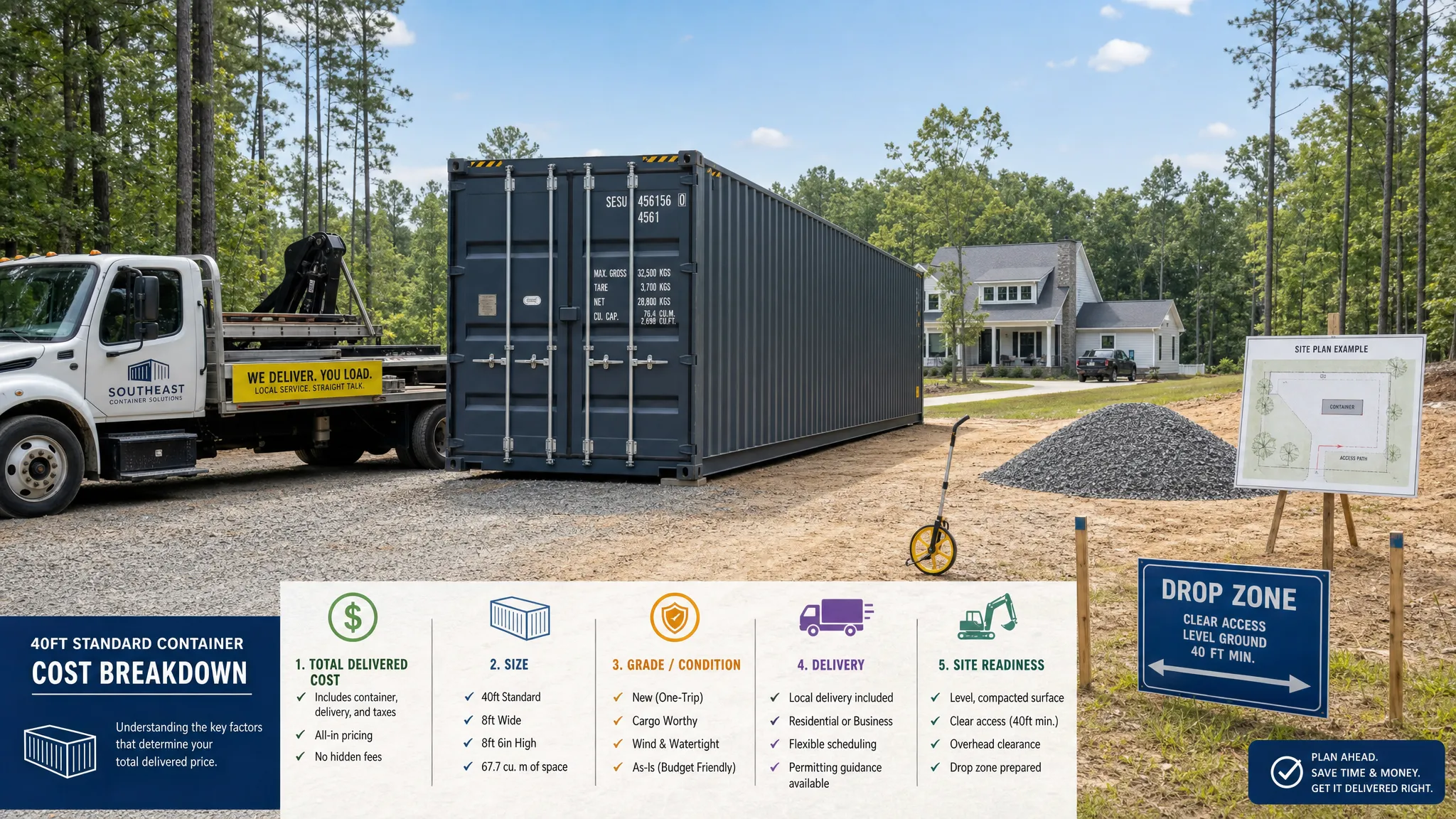
Start With Total Delivered Cost, Not Just Unit Price
The best way to understand container cost is to separate it into four parts: the container itself, delivery and placement, site preparation, and any add-ons or modifications. Two sellers may advertise similar container prices, but the total delivered-and-placed cost can differ significantly.
| Cost category | What it includes | Why it changes |
|---|---|---|
| Container unit | Size, grade, age, type, structural condition | One-Trip units cost more than used WWT containers; High Cube and reefers usually carry a premium |
| Delivery and placement | Trucking, fuel, driver time, offloading method | Distance, access, surface conditions, and equipment needs affect the quote |
| Site preparation | Gravel pad, leveling, drainage, permits, route clearing | Poor access or soft ground can lead to failed delivery or extra placement costs |
| Options and modifications | Lockboxes, vents, doors, windows, insulation, electrical | Modifications require labor, materials, and sometimes engineering review |
A reliable quote should clarify whether delivery is included, whether the price includes ground placement, what delivery method will be used, and what happens if the site is not ready.
Typical Container Cost by Size and Grade
Container pricing changes with market conditions, steel costs, regional availability, and transport distance. The ranges below are practical 2026 budgeting ranges for many U.S. buyers before taxes, unusual delivery requirements, and major modifications. Local inventory in Raleigh or nearby Southeast depots can change actual pricing.
| Container size and grade | Common purchase budget before delivery | Best-fit use cases |
|---|---|---|
| 20ft Wind and Watertight used | $1,800 to $3,000 | Jobsite storage, farm storage, household overflow |
| 20ft Cargo Worthy used | $2,200 to $3,800 | Higher-value storage, transport, export when documentation is current |
| 20ft One-Trip | $3,500 to $6,000 | Retail pop-ups, modifications, visible business use, long-term clean storage |
| 40ft Wind and Watertight used | $2,000 to $3,800 | Bulk storage, construction materials, equipment, inventory overflow |
| 40ft Cargo Worthy used | $2,500 to $4,800 | Logistics, export, heavier storage, better resale value |
| 40ft One-Trip | $4,500 to $8,000 | Modular builds, mobile offices, premium storage, customer-facing projects |
| 40ft High Cube | Often $300 to $1,200 more than standard height | Taller equipment, shelving, workshops, conversions |
| Refrigerated container | Quote-specific and usually significantly higher | Cold storage, food, florals, pharmaceuticals, temperature-sensitive inventory |
These are not guaranteed prices. They are planning ranges to help you compare quotes. For an accurate quote, you need current inventory, ZIP code, delivery access details, and the intended use.
Size: Why 20ft, 40ft, and High Cube Containers Price Differently
Container size affects both purchase price and delivery complexity. A 40ft container is not always twice the cost of a 20ft container, because some costs, such as trucking, depot handling, and seller overhead, are fixed regardless of length.
A 20ft container is often the most practical choice for homeowners, smaller construction sites, farms, and businesses with limited placement space. It is easier to maneuver into tighter driveways and jobsite corners, especially in residential areas around Raleigh, Cary, Durham, and Wake Forest. Although the cost per square foot can be higher than a 40ft unit, the lower total purchase price and easier delivery can make it the right choice.
A 40ft container usually provides better storage value per square foot. Contractors, real estate developers, agricultural operations, and small businesses often choose 40ft units when they need to store pallets, lumber, equipment, seasonal inventory, or jobsite materials. The tradeoff is space. A 40ft unit requires a longer landing area, more truck access, and careful planning for door orientation.
A High Cube container adds one foot of exterior height, with a typical outside height of 9 feet 6 inches instead of the standard 8 feet 6 inches. That extra vertical room is valuable for shelving, taller machinery, insulation, ceiling systems, and modular conversions. If you are planning a mobile office, workshop, or container-based build, a High Cube container may be worth the premium.
Refrigerated containers, also called reefers, are a different cost category. You are not just buying a Corten Steel shell. You are buying an insulated container with a refrigeration unit, electrical requirements, and performance expectations. A refrigerated container quote should include temperature testing, power requirements, delivery planning, and ongoing maintenance considerations.
Grade: What You Are Paying for in Condition and Lifespan
Container grade is one of the biggest cost drivers. Unfortunately, sellers do not always use grading terms consistently. Before comparing prices, make sure every quote defines the grade clearly.
Shipping containers are built to internationally recognized dimensions and handling principles under ISO standards. Many intermodal containers also carry a CSC safety approval plate for transport, based on the International Convention for Safe Containers.aspx). For buyers, those standards matter because they relate to structural integrity, corner castings, stacking strength, and transport suitability.
One-Trip Containers
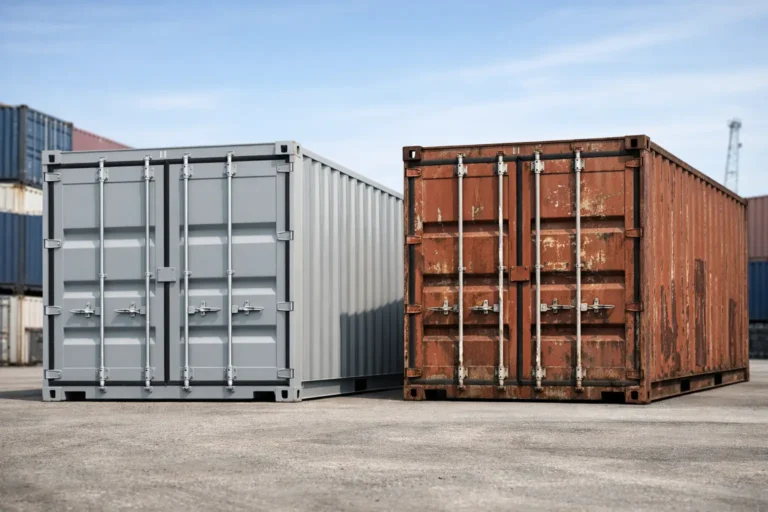
A One-Trip container is usually the closest option to new in the resale market. It has typically made one loaded trip from the factory before being sold for storage, transport, or modification. The structure is usually clean, the paint is newer, the floor has seen minimal use, and the doors and gaskets should be in excellent condition.
One-Trip units cost more because they offer the longest remaining service life, the best appearance, and the lowest likelihood of hidden wear. They are often the best choice for retail use, office conversions, container homes, modular construction, and customer-facing projects in Raleigh or anywhere nationwide.
Cargo Worthy Containers
A Cargo Worthy container is a used unit that is still structurally suitable for cargo transport when properly inspected and documented. This grade should have sound corner castings, rails, frame, doors, flooring, and weather seals. If the container is intended for international shipping, confirm the CSC plate status and whether a current survey or certification is required for your carrier.
Cargo Worthy units cost more than basic Wind and Watertight units because they are held to a higher structural standard. They are a strong choice for logistics managers, exporters, businesses storing higher-value goods, and buyers who want better resale value without paying for a One-Trip unit.
Wind and Watertight Containers
A Wind and Watertight container, often called WWT, is a used container that should keep wind and rain out under normal stationary storage conditions. It may have dents, surface rust, patches, old branding, cosmetic wear, and a rougher interior than a One-Trip or Cargo Worthy unit.
WWT containers are popular because they are cost-effective for ground storage. For many general contractors, farmers, homeowners, and small businesses, WWT is enough if the doors work, the roof does not leak, the floor is solid, and the container is placed on a stable, well-drained base.
As-Is Containers
As-Is containers are usually the lowest-cost option, but they carry the highest risk. They may have holes, leaks, damaged doors, severe corrosion, floor issues, or structural problems. Unless you are buying for scrap, noncritical storage, or a repair project, an As-Is container can become more expensive than a better-grade unit once repairs and downtime are considered.
For most buyers, especially those storing tools, materials, inventory, household goods, or farm equipment, used containers should still be inspected by grade, not just price.
Delivery: The Quote Line Item Buyers Often Underestimate
Delivery can significantly change container cost, especially if the property has tight turns, soft ground, overhead obstructions, slopes, or limited space for unloading. In Raleigh and the broader Southeast, delivery planning is especially important after heavy rain because clay soil, grass, and unprepared lots can become too soft for safe placement.
The main delivery cost drivers include distance from the depot, fuel, driver time, container size, trailer type, unloading method, access difficulty, and scheduling requirements. A nearby delivery on a clear gravel lot may be straightforward. A rural property with narrow gates, low branches, and a sloped field may require additional planning or specialized equipment.
| Delivery method | Common use | Cost impact |
|---|---|---|
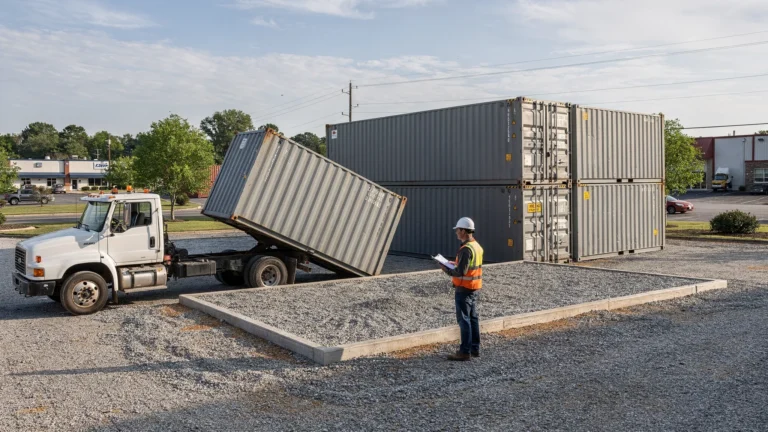
| Tilt-bed delivery | Ground placement for many 20ft and 40ft containers | Often the most practical and cost-effective method when enough straight-line space is available |
| Flatbed or chassis | Dock delivery, commercial sites, transport yards | May require a crane, forklift, or loading dock for ground placement |
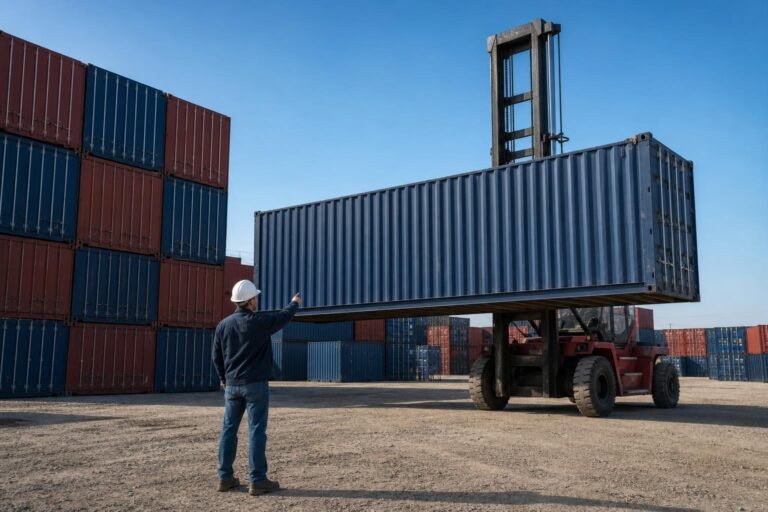
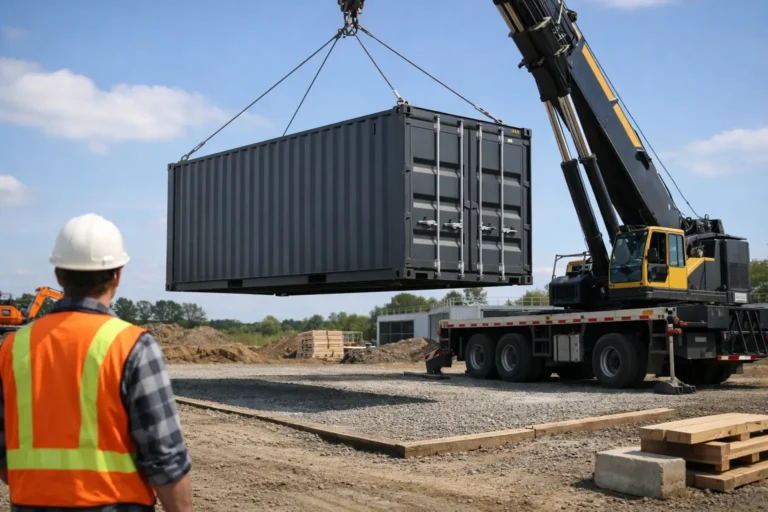
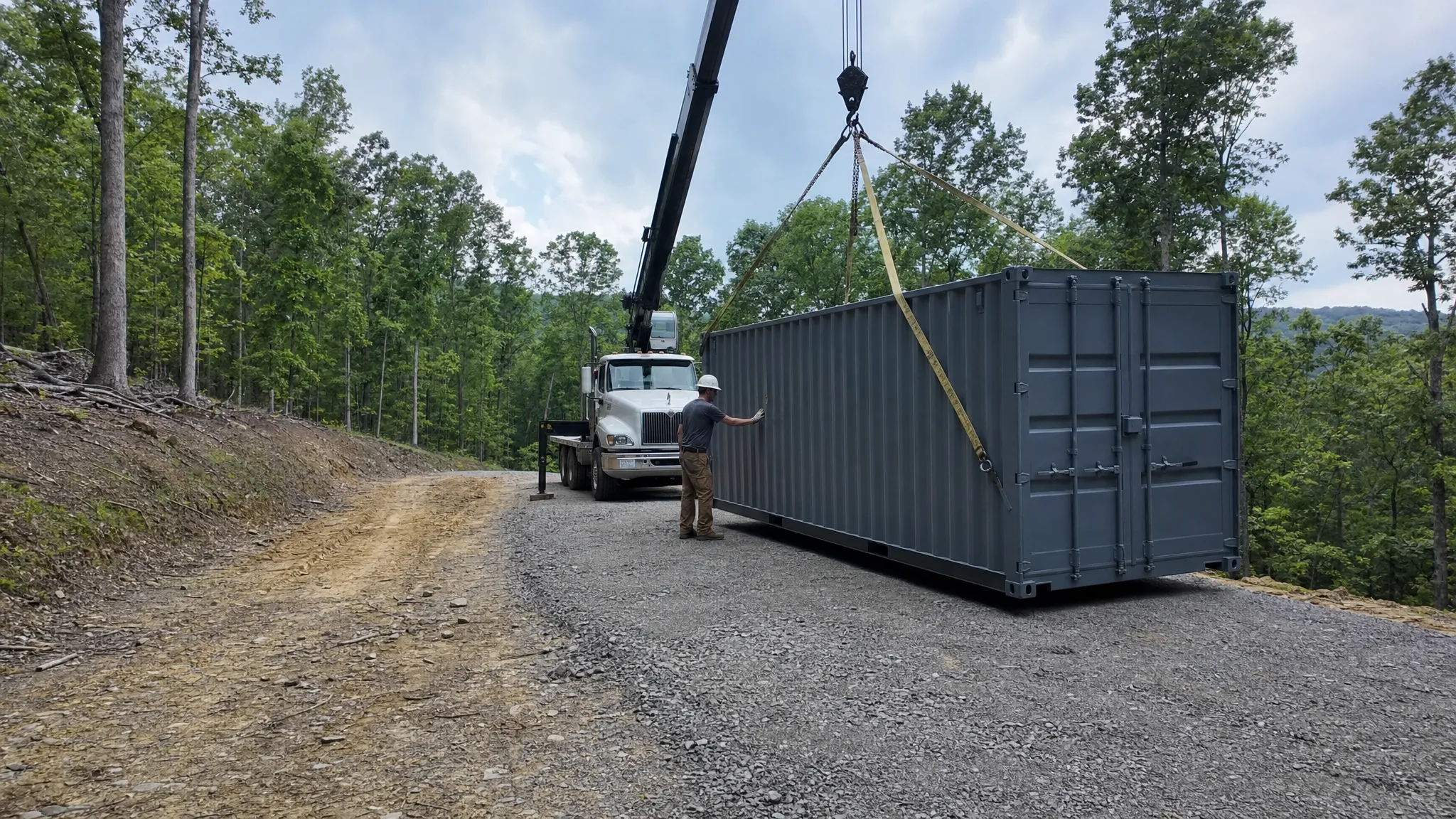
| Crane or side-loader | Tight sites, over-fence placement, precise positioning | Higher cost, but useful when a tilt-bed cannot safely place the unit |
| Reefer delivery | Refrigerated units needing power planning | Requires attention to weight, access, electrical setup, and service clearance |
When comparing prices, ask whether delivery includes only transport to the address or actual placement in the final drop spot. There is a big difference between “delivered” and “delivered, offloaded, and placed.” For a deeper breakdown, review this guide to shipping container delivery cost.
Raleigh and Southeast Factors That Affect Container Cost
Raleigh is well positioned for container buyers because it has access to regional transportation corridors and is within reach of Southeast port and depot networks. Still, inland delivery is part of the real cost. A container coming from a coastal depot, rail hub, or regional yard must be trucked to the final site.
In North Carolina, buyers should also account for climate and ground conditions. Humidity, heavy rain, and summer storms make drainage and placement important. A cheaper container placed directly on wet soil can develop underbody corrosion faster, and an unlevel container can develop door alignment problems.
For Raleigh-area jobsites, subdivisions, farms, and commercial properties, the best quote is not always the lowest quote. The best quote is the one that matches the container grade to the use case, includes realistic delivery assumptions, and helps prevent avoidable problems on delivery day.
How to Compare Container Quotes Accurately
If you are shopping multiple sellers, compare the same size, grade, and delivery assumptions. A One-Trip 40ft High Cube is not comparable to a used 40ft WWT standard-height unit. A quote that includes delivery and placement is not comparable to a quote that lists only the container price.
Before choosing a seller, confirm these details:
- Exact size, including standard height or High Cube height
- Grade, such as One-Trip, Cargo Worthy, or Wind and Watertight
- Whether photos show the actual unit or a representative example
- Door condition, gasket condition, floor condition, roof condition, and lockbox availability
- Whether delivery, offloading, and final placement are included
- Required access width, overhead clearance, and straight-line unloading space
- Any taxes, fuel surcharges, permit requirements, or failed-delivery fees
Lease Lane Containers LLC focuses on transparency in grading, including One-Trip, Cargo Worthy, and Wind and Watertight units, so buyers can compare value rather than guess what condition they are getting.
Matching Cost to the Buyer’s Use Case
The right container is not always the most expensive one. It is the one that protects your materials, fits your site, and avoids unnecessary repair or delivery costs.
| Buyer type | Practical container choice | Cost priority |
|---|---|---|
| General contractor or home builder | 20ft or 40ft WWT or Cargo Worthy | Secure jobsite storage with reliable doors and weather protection |
| Small business owner | 20ft One-Trip or 40ft High Cube | Clean appearance, easy access, customer-facing potential |
| Homeowner or farm owner | WWT or Cargo Worthy used container | Durable long-term storage at a manageable budget |
| Real estate developer | One-Trip High Cube | Cleaner shell for modular construction or modifications |
| Logistics manager | Cargo Worthy or One-Trip with documentation | Structural condition, CSC status, and transport suitability |
| Cold-chain operator | Tested reefer container | Temperature performance, power compatibility, and service access |
This is where cost per year often matters more than upfront cost. A cheaper unit that needs door repairs, roof patching, or relocation may not be cheaper over the full life of the project.
Pro-Tip: Prepare the Site Before You Finalize the Quote
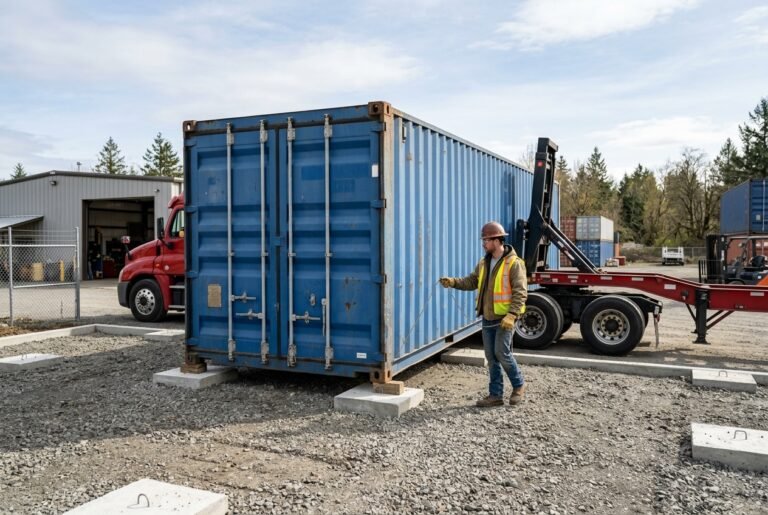
A well-prepared site protects your budget and your container. Before delivery, choose a level location with good drainage, enough truck access, and a stable base. A compacted gravel pad is often a practical option for storage containers because it supports the container, reduces standing water, and allows airflow underneath the steel frame.
Support the container at the corners, because ISO containers are designed to carry load through their corner castings. If the ground is uneven, the frame can twist and the doors may become hard to open. Avoid placing the unit directly on soft soil, grass, or low areas where water collects.
For Raleigh, Wake County, and surrounding municipalities, check zoning, HOA rules, and permit requirements before scheduling delivery. Requirements may differ for temporary jobsite storage, permanent residential placement, commercial use, and modified container structures. Also call 811 before digging, trenching, or preparing a pad near utilities.
A smart site-prep plan should include a cleared route, measured overhead clearance, marked drop spot, door orientation, drainage plan, and photos sent to your container supplier before delivery. If the site is tight, ask about alternate delivery methods before the truck arrives.
When Paying More Upfront Saves Money
The lowest container cost is not always the best value. Paying more for the right grade can reduce repair risk, improve appearance, extend service life, and improve resale value.
A One-Trip container may be worth the premium if you are building an office, retail unit, workshop, or container cabin. A Cargo Worthy container may be the better investment if you need export suitability, stronger structural assurance, or long-term storage of higher-value goods. A WWT container can be the best value for stationary storage when cosmetics are less important.
Delivery works the same way. Paying for the correct delivery method can be cheaper than dealing with a failed drop, damaged driveway, stuck truck, or container placed in the wrong orientation.
Frequently Asked Questions
What is the biggest factor in container cost? Grade is often the biggest factor, followed by size and delivery. A One-Trip unit costs more than a used WWT container because it has less wear, better appearance, and a longer expected service life.
Is a 40ft container twice the cost of a 20ft container? Usually, no. A 40ft container often provides more storage value per square foot, but it requires more space for delivery and placement. The best choice depends on your site and storage needs.
Is a Wind and Watertight container good enough for storage? Yes, WWT can be a cost-effective choice for stationary storage if the container has solid floors, functional doors, good gaskets, and no active leaks. It is not the same as Cargo Worthy and should not be assumed suitable for export.
Why do High Cube containers cost more? High Cube containers provide an extra foot of height, which makes them more useful for shelving, equipment, insulation, and conversions. They are often in higher demand, especially 40ft High Cube units.
Does delivery included mean the container will be placed exactly where I want it? Not always. Ask whether the quote includes offloading and final placement. Placement depends on truck access, slope, ground stability, overhead clearance, and unloading method.
Do I need a permit for a shipping container in Raleigh, NC? It depends on location, use, duration, zoning, and whether the container is modified. Always check with the City of Raleigh, Wake County, your municipality, or your HOA before delivery.
Get a Clear Container Cost Before You Buy
If you want a container quote you can actually compare, start with size, grade, delivery address, site photos, and intended use. Lease Lane Containers LLC helps buyers in Raleigh, across North Carolina, throughout the Southeast, and nationwide choose clean shipping containers, plan the drop spot, and understand pricing before delivery day.
For help selecting a 20ft, 40ft, High Cube, used, One-Trip, Cargo Worthy, Wind and Watertight, or refrigerated container, contact the Lease Lane Containers sales team at sales@leaselanecontainers.com or visit the Raleigh office to discuss your project with a local team.