Best Job Site Storage Upgrades That Pay Off
A storage container that cannot be opened quickly at 6:30 a.m. or secured properly at 5:00 p.m. becomes a daily job-site problem. The best job site storage upgrades solve those operational issues first: they protect expensive tools, keep crews moving, and help a standard ISO container hold up under real construction conditions.
Not every container needs every modification. A contractor storing boxed materials has different priorities than a crew securing generators, copper, welding equipment, and specialty tools. The right approach is to start with the container’s condition, how often it will be accessed, and what failure would be most expensive: theft, water intrusion, poor organization, or an unsafe entry point.
Start With a Sound Container
Upgrades work best when the base unit is structurally sound. For job-site storage, a Wind & Watertight container is often the practical starting point. WWT means the container is designed to keep normal wind and rain out, but it may show cosmetic wear, dents, surface rust, or prior repairs. A Cargo Worthy unit meets a higher structural standard for international shipping and can make sense when the container may be transported frequently or stacked.
Before adding hardware, inspect the doors, door gaskets, locking bars, corner castings, roof, and floor. A damaged roof seam or worn door seal should be repaired before shelving and tools go inside. Corten steel containers are built for demanding transport environments, but no steel box is maintenance-free after years of use.
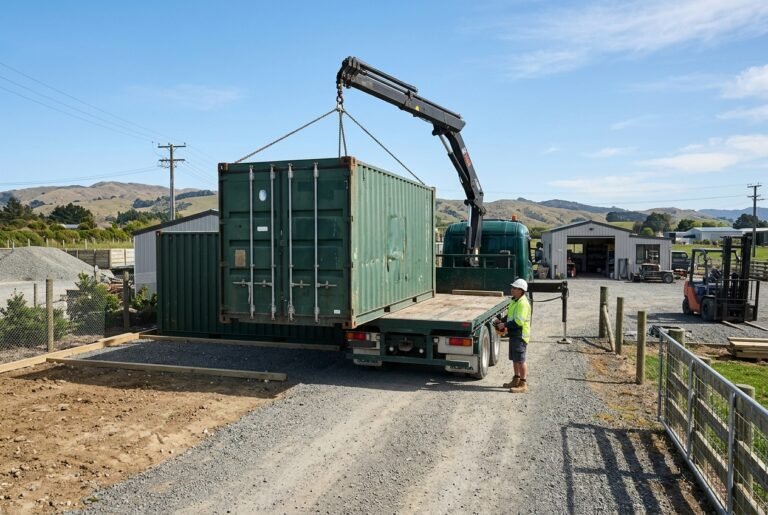
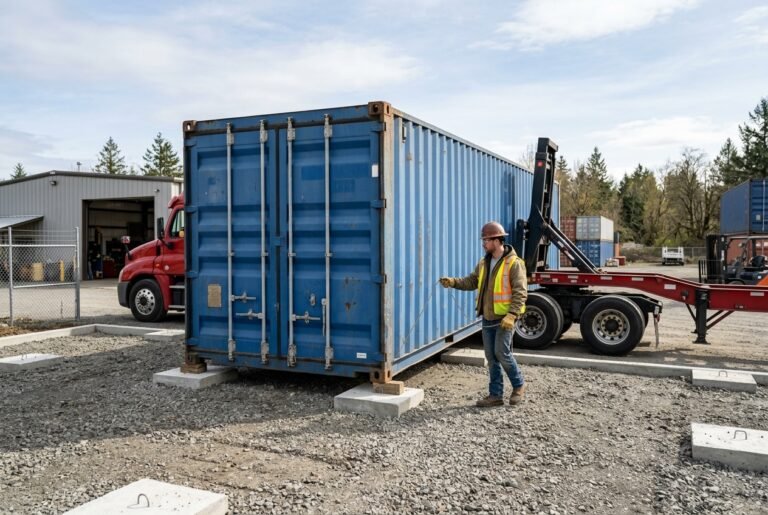
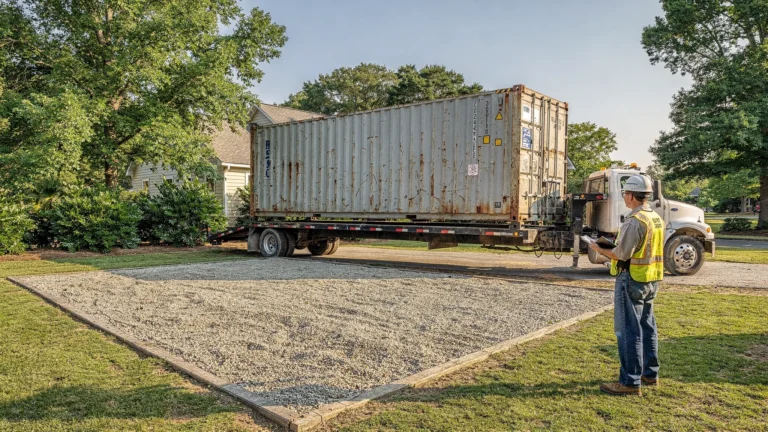
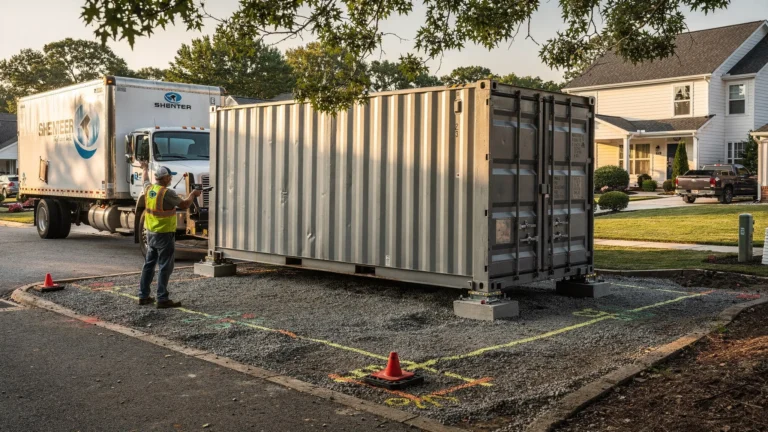
For long-term placement, level support is just as important. Concrete blocks, gravel pads, railroad ties, or engineered footings can keep the container out of standing water and allow the doors to operate correctly. A container twisted by an uneven site can turn even a new lockbox into a frustrating daily access issue.
Best Job Site Storage Upgrades for Security
Security is usually the first concern, but the strongest lock is only one part of a workable plan. Theft prevention improves when access points are hardened, valuable equipment is less visible, and crews can lock up consistently without a complicated process.
Lockboxes and protected padlocks
A welded steel lockbox, sometimes called a lock guard, shields the padlock shackle from bolt cutters and pry bars. It is one of the most practical upgrades for containers holding high-value inventory. Pair it with a commercial-grade, hidden-shackle puck lock or a hardened padlock designed for the lockbox opening.
Avoid relying on a lightweight padlock hanging directly from the container door hasp. It is inexpensive upfront, but it creates an obvious weak point. Also confirm that the lockbox does not interfere with full door swing or access on a tight site.
Better door hardware
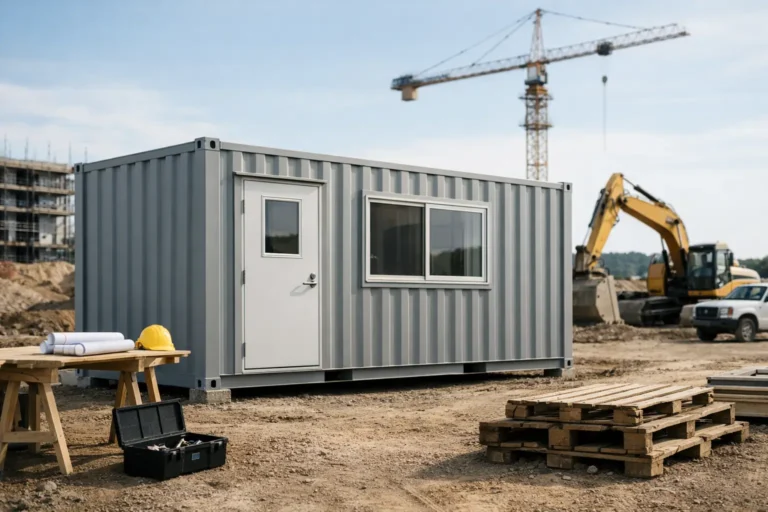
Factory cargo doors are durable, but frequent use on an active site can expose weaknesses in worn cams, handles, and gasket seals. Replacement locking bars, upgraded cam keepers, and fresh door gaskets can restore reliable closure. If personnel routinely enter the container, consider adding a steel personnel door to one side wall.
A personnel door can reduce wear on cargo doors and make quick access easier. The trade-off is that cutting into a container wall must be properly framed to preserve structural integrity. It also creates another access point that needs commercial-grade hardware and weather sealing.
Lighting, alarms, and visibility
Battery-powered or hardwired LED lighting makes inventory checks faster and reduces the chance that tools are left outside at the end of a shift. Motion-activated lights near the container doors can also discourage opportunistic theft. Where site power and connectivity are available, door contacts, alarms, and cameras provide another layer of accountability.
Technology should support, not replace, physical security. A camera may document a break-in, but protected locks, controlled keys, and clear closeout procedures are more likely to prevent it.
Improve Access Before Adding More Space
Many storage problems are really access problems. A 40-foot container has substantial cubic capacity, but crews lose time when common items are buried behind pallets, pipe, or equipment that only moves once a month.
Shelving that matches the load
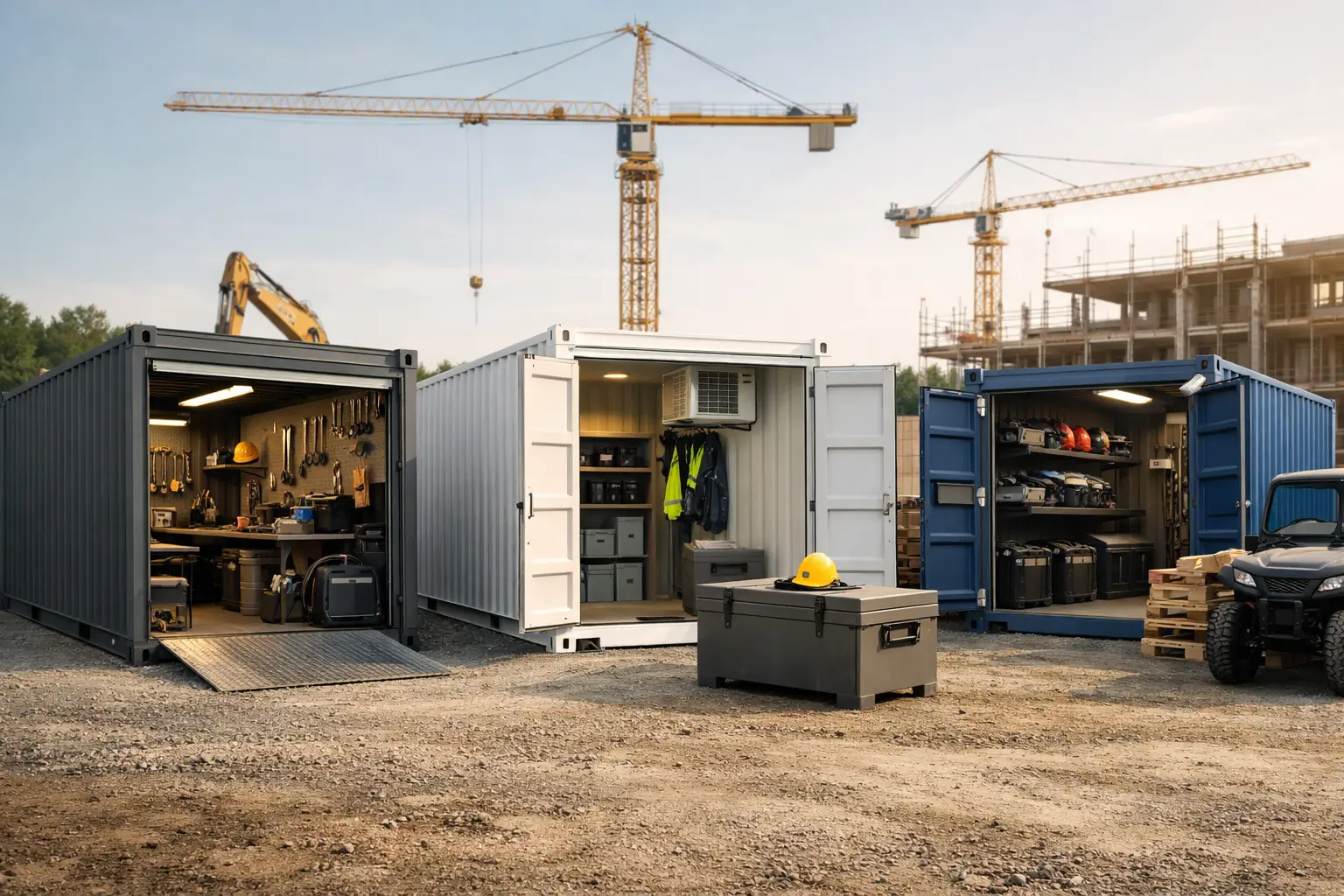
Industrial steel shelving is one of the highest-return upgrades for small parts, fasteners, PPE, electrical supplies, and hand tools. Secure shelving to the container floor and wall framing so it does not shift during delivery or relocation. Keep heavier stock low, label locations clearly, and leave a central aisle wide enough for the people and carts that will use it.
For a container storing long materials, wall-mounted racks can keep conduit, lumber, pipe, and trim off the floor. This protects stock from moisture and prevents a disorganized pile from becoming a lifting hazard. Do not overload wall systems or fasten blindly into thin corrugated panels. Mounting points should be planned around structural members.
Ramps and safe entry
A steel loading ramp is a simple upgrade for wheeled tool chests, compact equipment, and pallet jacks. Select a ramp with a rated capacity that exceeds the actual load, including the operator and any dynamic movement. Ground conditions matter as much as ramp capacity. Soft soil, slope, or uneven gravel can make a properly built ramp unsafe.
Anti-slip coatings or tread plates at the threshold help in wet weather. For containers used as mobile workshops or frequently accessed material rooms, this small detail can prevent slips at the point where people carry the heaviest loads.
Separate high-use inventory
If the container stores both daily-use tools and reserve materials, divide it into zones. Put frequently used items near the entrance, reserve stock farther inside, and high-value equipment in a secured area that supervisors can control. A simple layout reduces wasted labor and makes missing items easier to spot.
Control Moisture, Heat, and Airflow
A sealed shipping container protects against rain, but changing temperatures can create condensation inside. This is especially relevant in humid regions, where warm air and cool steel surfaces can cause moisture to form on interior walls or ceilings. Moisture can damage boxed materials, corrode tools, and create mold concerns in stored finishes or soft goods.
Passive vents installed high on opposing walls improve airflow while keeping normal rain out. For tools, electrical components, or temperature-sensitive materials, add a moisture-control plan that may include desiccant, a dehumidifier, or conditioned air. The right choice depends on power availability and how tightly the container must be sealed.
Insulation can make a major difference for containers used as workshops, offices, or storage for adhesives, coatings, and sensitive equipment. However, insulation is not automatically necessary for basic dry storage. It adds cost, takes up interior space, and must be installed correctly to avoid trapping moisture against the steel shell.
A light-colored roof coating or shade structure can reduce solar heat gain in exposed locations. Any roof coating should be compatible with the container surface and applied after rust treatment and repair. A coating is not a substitute for fixing leaks or structural roof damage.
Add Power Only With a Clear Plan
Job-site power can turn a container into a more useful tool room, charging station, or mobile office. Common additions include LED fixtures, outlets, a small panel, exterior lights, and dedicated circuits for chargers or climate-control equipment.
Electrical work should be designed for the actual load and installed to applicable code by a qualified professional. Extension cords run through door gaps create security, weather, and trip hazards. A properly installed weatherproof connection point costs more than a temporary workaround, but it is easier to maintain and safer for crews.
If the container will move between sites, clarify whether power equipment will travel with it and how disconnects will be handled. Permanent-looking modifications can be practical, but only when they match the container’s operating life.
When Custom Modifications Are Worth the Cost
Custom windows, personnel doors, roll-up doors, partitions, workbenches, and ventilation systems can turn storage into a tailored operations space. They are most worthwhile when the container will stay in service for years or perform a defined role across multiple projects.
For short-duration projects, start with portable shelving, ramps, lighting, and a lockbox. Those improvements preserve flexibility and are easier to redeploy. For a fixed yard, agricultural operation, or long-term construction program, permanent modifications may improve labor efficiency enough to justify the investment.
The most reliable upgrade plan is rarely the one with the most add-ons. Choose the changes that make daily access safer, protect the inventory that matters most, and fit the way your crew actually works. Before delivery, decide where the container will sit, which door will face the work area, and what must be reachable first. That preparation prevents costly changes after the container is already on site.