Reefer Container vs Cold Room Compared
A reefer container vs cold room decision usually comes down to one operational question: do you need reliable cold storage at a fixed facility, or do you need it delivered where the work is happening? Both can protect temperature-sensitive inventory, but they differ sharply in site requirements, mobility, capacity, and long-term operating costs.
For contractors, growers, food distributors, retailers, and operators managing seasonal demand, choosing the wrong format can create expensive delays. A cold room may require a prepared building, permitting, and a longer installation window. A refrigerated shipping container can often be positioned on-site far sooner, provided the delivery path, power supply, and ground conditions are ready.
Reefer Container vs Cold Room: The Core Difference
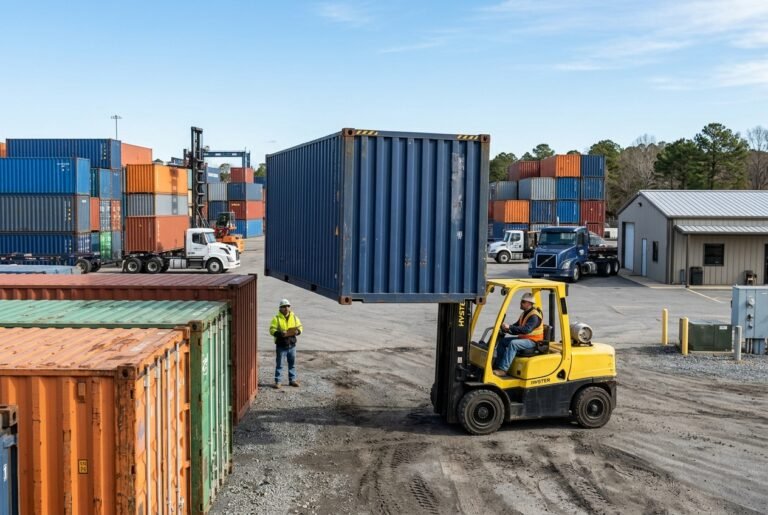
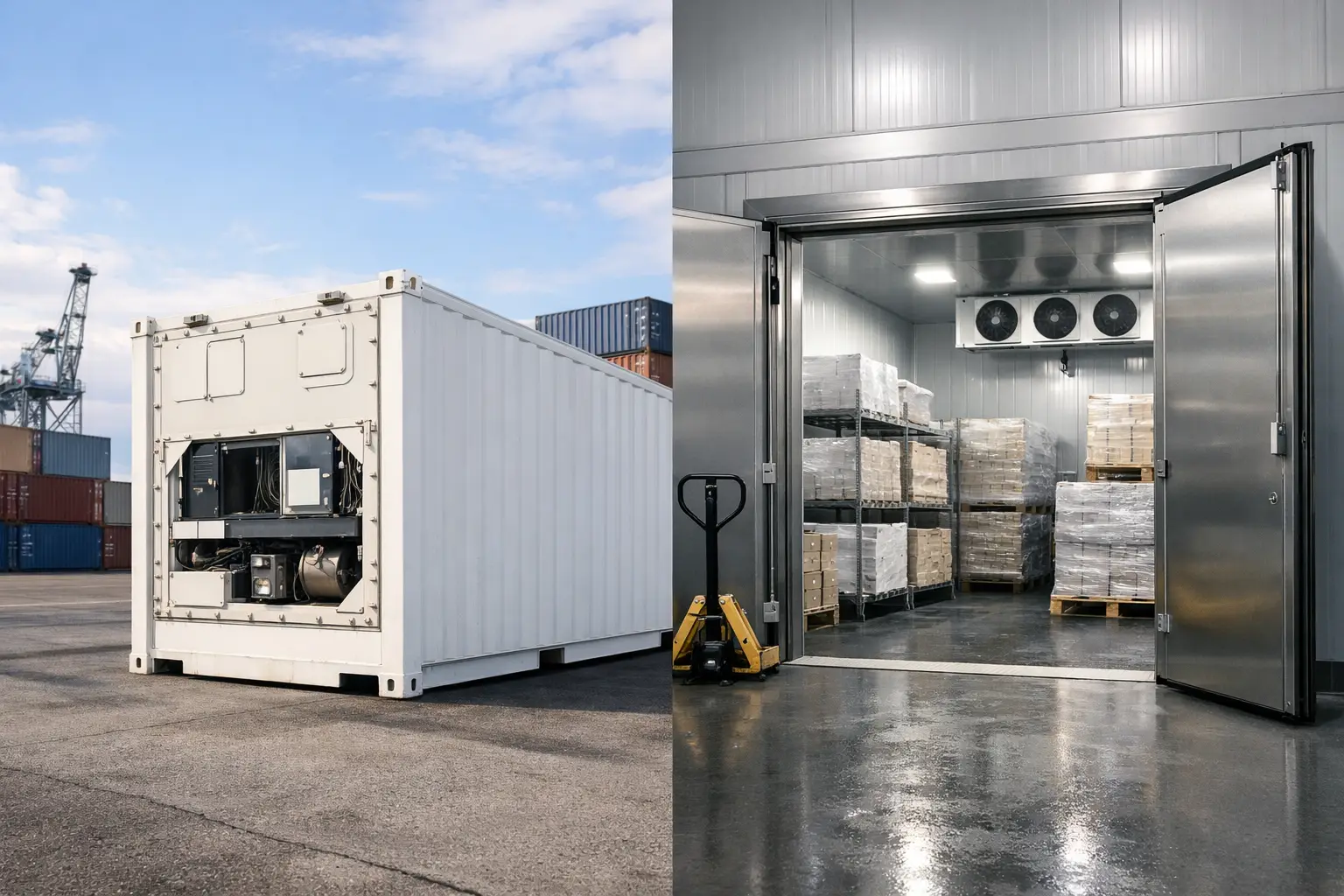
A reefer container is an insulated ISO shipping container with an integrated refrigeration unit. It is built with a Corten steel exterior, insulated walls, a sealed cargo area, and a refrigeration machine mounted at one end. Because it remains a transportable container, it can be delivered by truck, repositioned, and used at temporary or permanent sites.
A cold room is a purpose-built refrigerated enclosure, typically constructed inside a warehouse, commercial building, farm facility, or other permanent structure. It usually uses insulated panels, a dedicated refrigeration system, and a layout designed around the building’s workflow. Cold rooms can be compact walk-ins or large facilities with multiple zones and loading areas.
Neither option is automatically better. The right answer depends on how long you need storage, how frequently the operation may move, the volume and type of goods involved, and whether a suitable building already exists.
When a Reefer Container Makes More Sense
A reefer is often the practical choice when speed and location flexibility matter as much as temperature control. It is especially useful at farms during harvest, on construction or industrial sites, at event venues, and behind retail locations handling inventory overflow.
The main advantage is that the insulated box and refrigeration equipment arrive together. You do not need to build a room before you can begin cooling product. Once the unit is set on a stable, level base and connected to the correct electrical supply, it can be placed into service after appropriate inspection and commissioning.
For temporary operations, this matters. A produce grower may need additional cold storage for several weeks during peak harvest. A grocery supplier may need backup capacity while a facility is being repaired. A contractor may require controlled storage for temperature-sensitive materials at a project site. In these cases, a reefer avoids investing in a permanent room that may sit underused later.
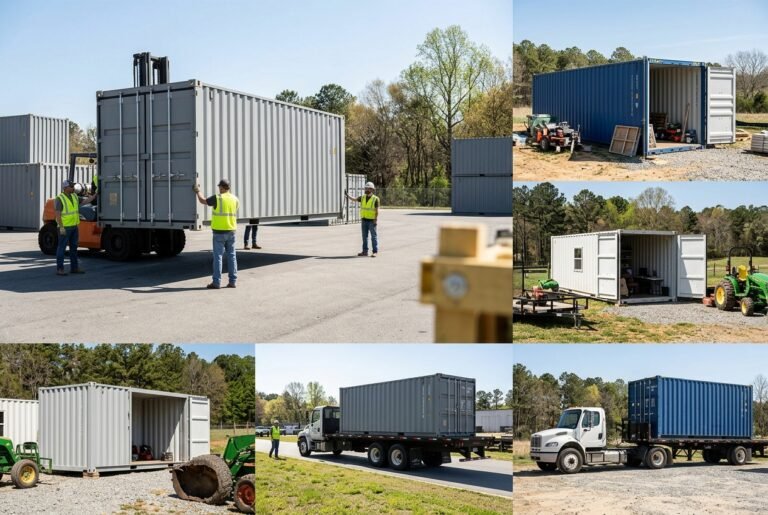
Mobility also helps with site changes. A 20-foot or 40-foot reefer can be moved to another property or project when operational needs change. That does not mean relocation is effortless. Delivery and pickup still require truck access, clear overhead space, adequate turning room, and a ground-level or tilt-bed plan that matches the site. But the asset itself is not tied to one building.
A reefer can also provide a secure exterior. Its steel construction, locking doors, and container-grade structure are valuable where inventory is stored outdoors. Temperature control does not replace normal site security, but a sound container gives operators a durable starting point.
When a Cold Room Is the Better Investment
A cold room is usually the stronger option for a fixed operation with a consistent, high-volume workflow. If your facility already has usable interior space, adequate electrical infrastructure, a suitable concrete slab, and regular loading activity, a built-in room can be tailored to how people and product move through the building.
That customization is the major advantage. Cold rooms can be designed around specific aisle widths, shelving, pallet patterns, door locations, loading docks, and temperature zones. An operator storing fresh produce, dairy, floral inventory, beverages, and frozen goods may need separate conditions that one reefer cannot efficiently provide.
A cold room can also be more practical for frequent forklift traffic and large throughput. While reefer containers have durable aluminum T-floor systems designed to promote airflow under cargo, their interior width and door opening are constrained by container dimensions. Loading pallets repeatedly through container doors may not suit every distribution process.
For a business that expects to occupy the same site for years, a cold room can integrate more cleanly with the building’s operations. It may connect to existing receiving areas, employee workspaces, and inventory systems. The trade-off is that it requires more planning upfront and generally cannot be moved if the lease ends, the building changes hands, or the operation relocates.
Compare the Practical Factors Before You Buy
The fastest way to choose is to look beyond the purchase price or installation quote. Cold storage is an operating system, not just an insulated space.
| Factor | Reefer container | Cold room | | — | — | — | | Deployment | Delivered as a complete insulated unit | Built or assembled at the facility | | Mobility | Can be relocated with proper transport planning | Permanent or difficult to relocate | | Best setting | Temporary, remote, seasonal, or overflow storage | Long-term, high-throughput facility storage | | Custom layout | Limited by standard container dimensions | Can be designed around the workflow | | Site needs | Level base, delivery access, correct power, machine clearance | Building space, slab, electrical work, installation access | | Security | Steel container shell and lockable cargo doors | Depends on the building and room construction |
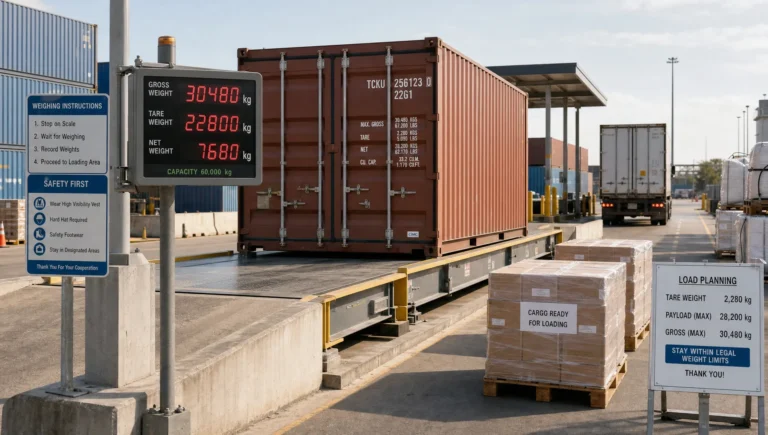
Capacity needs deserve a close look. A 40-foot reefer provides meaningful storage volume, but usable capacity is affected by the required airflow around cargo. Product should not be packed tightly against walls, the refrigeration end, or the ceiling in a way that blocks circulation. A cold room can be designed with shelving, pallet racks, and aisles that better support a specific inventory plan.
Temperature requirements matter just as much. Many reefer units are capable of holding chilled or frozen setpoints, but the exact operating range, pull-down performance, and electrical requirements must be confirmed for the specific unit. The product’s starting temperature also matters. A reefer is generally most effective at maintaining properly pre-cooled goods, not rapidly pulling down large quantities of warm product without considering load size and equipment capacity.
A cold room can be engineered for a particular temperature range and product load. That can be an advantage for operations with strict compliance requirements, frequent door openings, or heavy daily product turnover. If you require precise humidity control, blast chilling, multiple temperature zones, or food-grade processing conditions, a standard reefer may not be enough by itself.
Power, Ground Preparation, and Daily Operation
Power is one of the most commonly overlooked reefer requirements. Many refrigerated shipping containers operate on three-phase power, often 460V at 60Hz in the United States, but electrical specifications vary by unit. Always verify the nameplate and have a qualified electrician confirm that the available service, plug configuration, disconnect, and protection match the equipment.
Do not assume a standard residential outlet will operate a reefer. If the site needs a generator, temporary power distribution, or electrical upgrades, include those costs and lead times in the decision before arranging delivery.
The unit also needs a stable base. Gravel pads, compacted stone, concrete pads, and properly supported rail ties can work depending on local soil conditions and intended use. The objective is to keep the container level enough for door operation and refrigeration performance while preventing settlement, standing water, and uneven frame stress. The refrigeration machinery needs clear airflow as well. Do not place the machine end against a wall or stack materials where they restrict ventilation.
Cold rooms have their own preparation requirements. The floor must support the intended load, drainage may be necessary, and the building envelope must accommodate refrigeration equipment and service access. If the cold room is being installed in an existing warehouse, consider where heat from the condenser will go and whether the electrical panel has adequate capacity.
In either setup, daily practices affect performance. Minimize door-open time, stage product before loading, monitor temperatures independently, and maintain the refrigeration equipment on schedule. A temperature display is useful, but sensitive inventory may justify separate data logging and alarm systems.
Condition Verification Is Critical for Used Reefers
A used refrigerated container should not be evaluated the same way as a standard dry container. A Wind & Watertight dry container may be suitable for secure equipment storage, but reefer service requires confirmation of more than the steel shell and door seals.
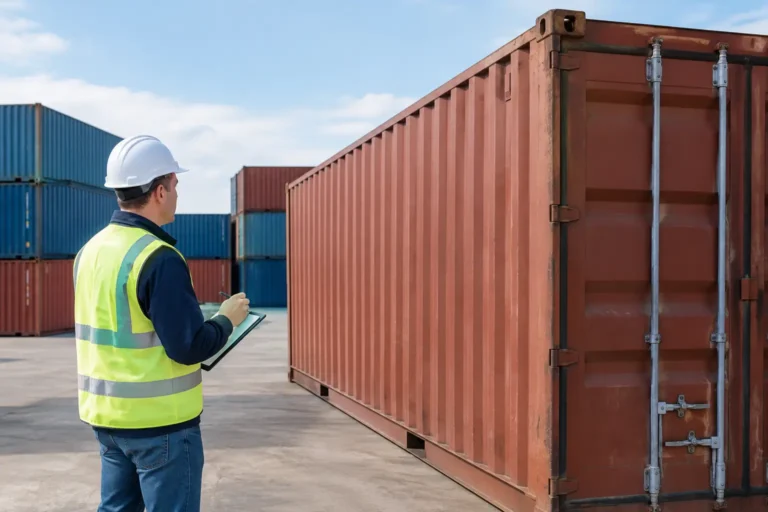
Ask for verified specifications, including the unit’s dimensions, power requirements, refrigeration operating status, interior condition, and any available pre-trip inspection information. A pre-trip inspection is a functional check of the refrigeration system and controls. It is different from a visual assessment of the container exterior.
Also inspect the floor, door gaskets, interior panels, drains, and machine-end area. Cosmetic wear on the exterior may be acceptable for a farm or job site, while a customer-facing retail operation may prefer a cleaner one-trip or refurbished appearance. The right condition grade should match the use case, not an assumption that every used unit performs the same.
Choose for the Operation You Have, Not the One You Imagine
If you need cold storage at a changing site, need capacity quickly, or want an asset that can move with the business, a reefer container is often the more direct solution. If you have a permanent facility, predictable volume, and a workflow that benefits from custom size and multiple zones, a cold room may return more value over time.
Before committing, measure the delivery route, confirm power, map product flow, and define the temperature range you actually need. Those four checks turn a cold-storage purchase from a guess into a workable operating plan with fewer surprises.