Used Container Quality: What Buyers Should Check
A used shipping container may look similar from the outside whether it has spent five years in domestic storage or more than a decade moving through international ports. That is why used container quality cannot be judged by paint color, surface rust, or a single listing photo. The grade, structural condition, door operation, floor condition, and intended use all matter more than cosmetic appearance.
For a contractor protecting tools, an agricultural operator storing feed or equipment, or a homeowner setting up long-term property storage, the right used container should deliver security and weather protection without unexpected repair costs. The practical question is not whether a container is “used.” It is whether its condition matches the job you need it to do.
What Used Container Quality Actually Means
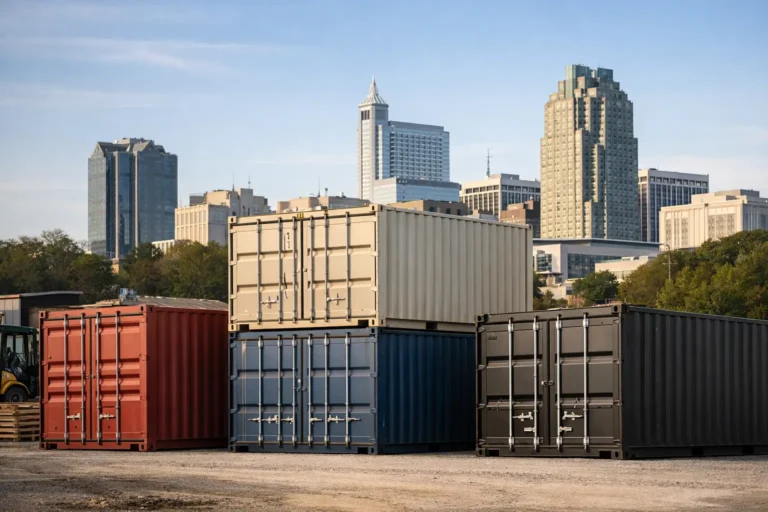
Shipping containers are built from Corten steel, a weathering steel designed to withstand years of marine exposure. They are durable by design, but they are not all retired from shipping service at the same point or in the same condition. A used container can have dents, repaired panels, surface corrosion, old decals, and visible weld work while still being a dependable storage unit.
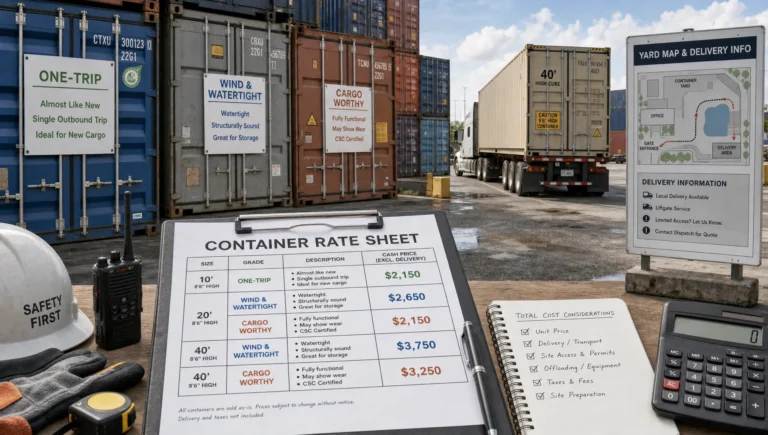
Condition grades provide a clearer starting point than broad labels such as “good” or “excellent.” Two of the most relevant grades for buyers are Wind and Watertight, commonly called WWT, and Cargo Worthy, often called CW.
A Wind and Watertight container is expected to keep out normal wind and rain. For job-site storage, farm storage, tools, seasonal inventory, and many residential uses, this is often the most practical grade. It may show more cosmetic wear than a newer unit, but its value is in functional protection.
A Cargo Worthy container meets structural and safety requirements for international shipping. It is generally the better fit when a container may be loaded for ocean transport, needs an active CSC plate for shipping, or will support a project with stricter structural requirements. Cargo Worthy does not mean dent-free or freshly painted. It means the unit has passed criteria relevant to transport service.
The right choice depends on your use case. Paying for a Cargo Worthy unit when you only need ground-level equipment storage may not be necessary. On the other hand, choosing the lowest-priced used unit without confirming it is truly wind and watertight can lead to leaks, difficult doors, or repairs that erase the initial savings.
The Five Areas That Determine Used Container Quality
1. Roof and upper rails
The roof takes the most abuse from stacked loads, handling equipment, weather, and debris. Small roof dents are common and do not automatically create a problem. The concern is damage that holds standing water, cracks near seams, or has been poorly repaired.
Ask whether the container has been inspected for water intrusion. A roof that ponds water may remain usable, but it deserves attention before you place moisture-sensitive inventory, electrical equipment, or finished materials inside. If you are adding a container roof extension, solar equipment, or a custom build, upper rail condition also becomes more significant.
2. Doors, locking gear, and door seals
A container is only as useful as its doors. The cargo doors should open and close without excessive binding, and the locking bars, cams, retainers, and handles should operate properly. Doors can become harder to work when a container is set on an uneven surface, so good door operation at delivery also depends on proper site preparation.
Door gaskets should create a weather-resistant seal when the doors are closed. Worn seals can often be replaced, but buyers should know about the condition upfront. For high-value tools, generators, retail inventory, or job-site materials, consider adding a lockbox. A steel lockbox shields your padlock from bolt cutters and provides a more secure point of access than exposed lock rods alone.
3. Sidewalls, end panels, and corner posts
Dents and patches on sidewalls are normal signs of prior service. What matters is whether the damage affects structural integrity, creates sharp protrusions, or compromises weather resistance. Professional weld repairs can be a reasonable part of a used container’s history. Hidden holes, loose panels, or severe corrosion around structural components are a different matter.
Pay particular attention to corner posts and the bottom frame rails. These are primary load-bearing areas. If you plan to stack containers, modify them into a workshop, cut in large openings, or use them as part of a modular build, verified structural condition is essential. Cutting steel for windows, roll-up doors, or personnel doors changes how loads move through the container. The base unit should be selected with that project in mind.
4. Flooring
Most dry shipping containers have marine-grade plywood floors over steel crossmembers. These floors are built for freight, but used units can show forklift marks, staining, gouges, patches, or wear around the door end.
For general storage, a worn but solid floor is usually acceptable. For a workshop, retail space, or a container that will store food-related products, inspect the floor more closely. Look for soft areas, significant delamination, gaps, or contamination concerns. Some older containers may have floors treated for international shipping requirements, which is another reason to discuss your intended use before purchase.
If appearance matters, a refurbished container can offer a cleaner presentation with repairs, paint, and selected upgrades. Refurbishment improves usability and curb appeal, but it should not be treated as a substitute for clear information about the container’s underlying grade and structure.
5. Understructure and drainage
The underside is easy to overlook because it is not visible once the container is set. Yet the bottom rails, crossmembers, and corner castings carry the load and affect long-term performance. Surface rust is common on used steel containers. Deep corrosion, damaged crossmembers, or bent lower rails require a more careful evaluation.
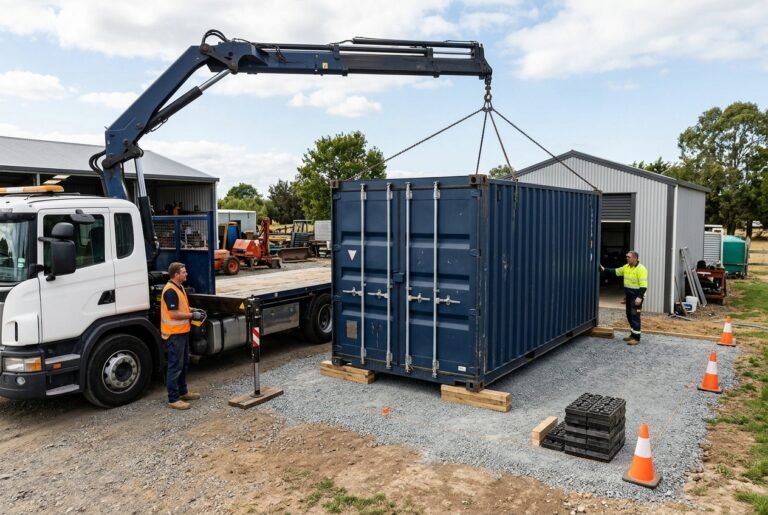
Drainage around the final placement area matters just as much. A sound container placed in a low spot can sit in standing water, making door use harder and accelerating corrosion at the base. A compacted gravel pad, concrete piers, railroad ties, or another stable support plan can keep the container level and improve drainage. The exact foundation depends on soil, container size, local conditions, and whether you will store heavy equipment inside.
Match the Grade to the Job, Not the Listing Photo
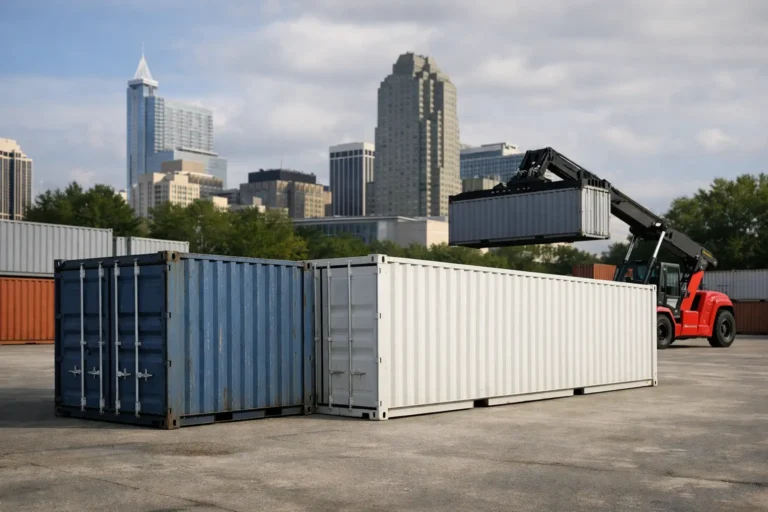
A 20-foot used container is often a practical choice for residential storage, smaller construction sites, and agricultural supplies. A 40-foot unit gives contractors and businesses substantially more capacity for equipment, pallets, and inventory overflow. High-cube containers add approximately one foot of interior height, which can be valuable for racking, taller equipment, or workshop conversions.
The best container is not always the cleanest-looking one. A cosmetically rough WWT container may be the sensible choice for securing landscaping equipment behind a barn. A cleaner refurbished unit may better suit a customer-facing pop-up shop. A Cargo Worthy unit may be necessary when the container will reenter the transport chain or support a more demanding build.
Be wary of descriptions that promise a “like-new” used container without stating a recognized condition grade. Also ask whether the quoted price includes the specific grade, size, delivery method, and any requested modifications. Clear pricing should identify what you are receiving, rather than leaving condition details to be resolved after the container arrives.
Delivery Can Affect Container Performance
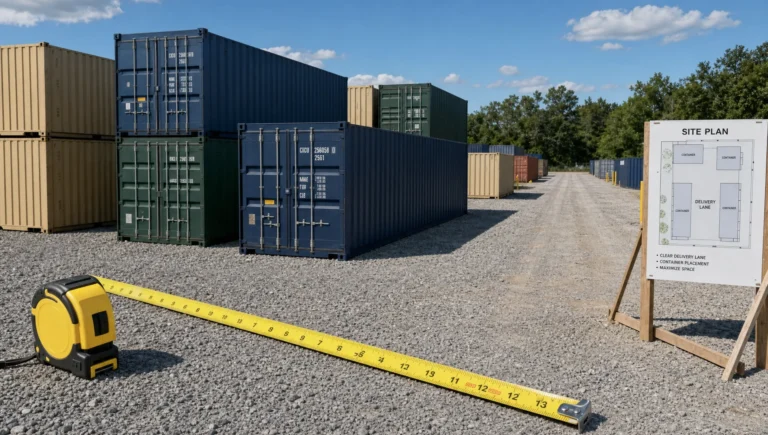
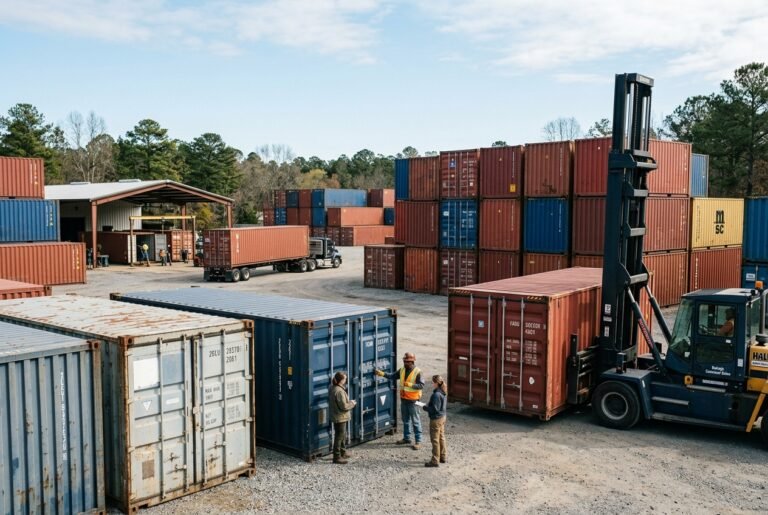
Even a high-quality used container can become frustrating if it is delivered onto an unprepared site. A tilt-bed truck needs enough straight-line clearance to unload, while a ground-level delivery may have different access requirements. Tree limbs, soft ground, narrow gates, slopes, overhead lines, and buried utilities should be addressed before scheduling.
The container should rest as level as practical, especially at the door end. When the frame twists on uneven ground, doors may become difficult to latch even though they operated correctly before delivery. Leave room around the unit for access, roof runoff, and future maintenance. If the site is tight or access is complicated, share photos and measurements with the delivery team early. That is how you prevent a logistics issue from becoming a condition dispute.
Questions to Ask Before You Buy
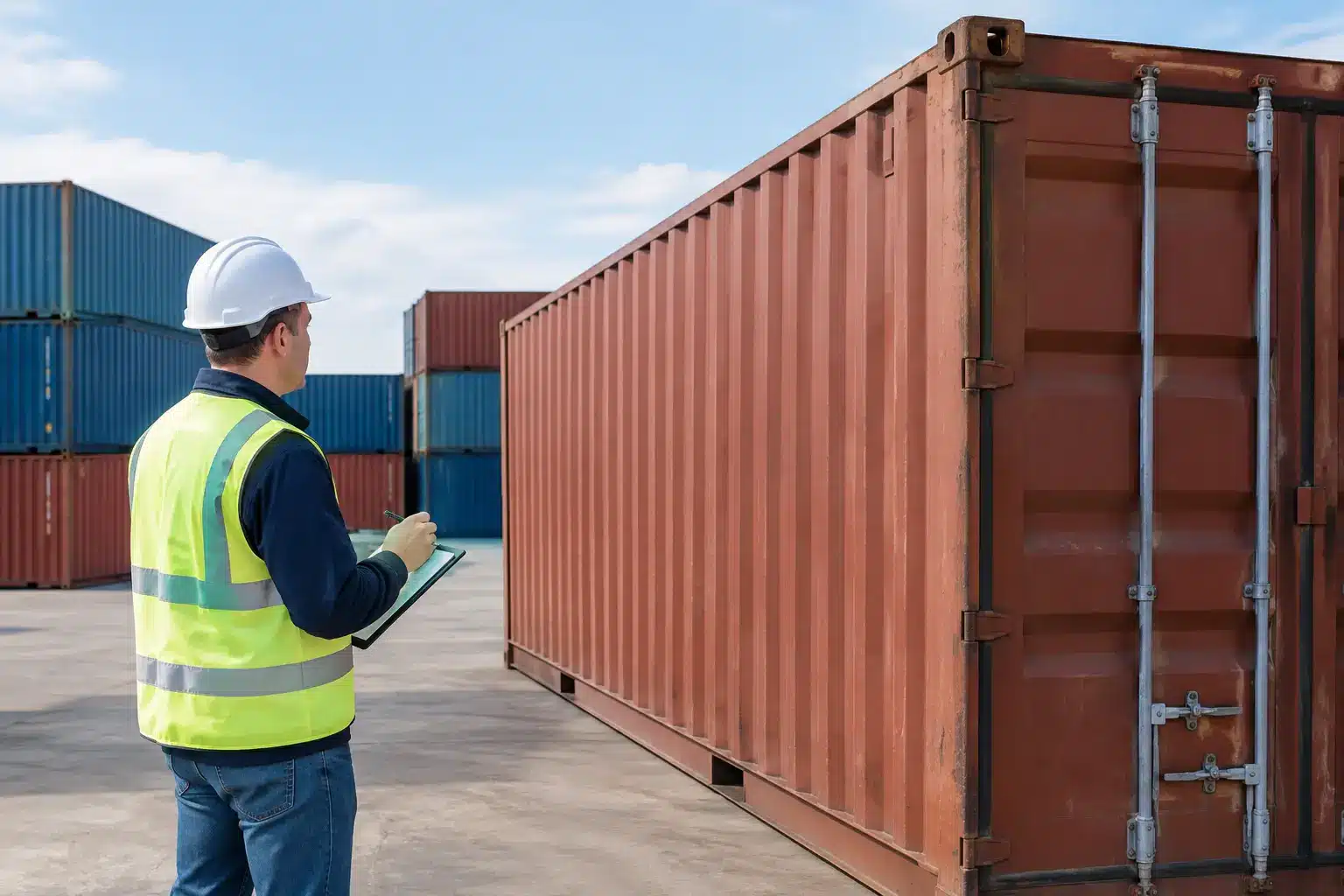
Before committing, confirm the grade in writing and ask whether the unit is Wind and Watertight or Cargo Worthy. Ask about visible repairs, roof condition, floor condition, door operation, and whether surface rust is cosmetic or more extensive. If you need a particular appearance, say so directly rather than assuming every used unit will match a stock photo.
You should also confirm external dimensions, delivery equipment, site access requirements, and whether the container will be set directly on the ground or onto a prepared base. Lease Lane Containers helps buyers work through these details because delivery readiness is part of getting the value you expected from the container.
A used container should show its working history honestly. When its grade is verified, its structure is sound, and its delivery is planned around the site, normal dents and wear become what they should be: evidence of a durable asset that is ready for its next job.