20 Foot Container Buying Guide for Smart Buyers
A 20-foot shipping container can protect tools, inventory, farm supplies, or building materials for years, but only if the unit and delivery plan match the job. This 20 foot container buying guide focuses on the details that prevent expensive surprises: condition grade, usable space, structural integrity, site access, and the actual scope of delivery.
Start With the Job, Not the Lowest Price
A 20-foot container is often the right middle ground for contractors, property owners, and small businesses. It is compact enough to place on many jobsites and rural properties, yet large enough to hold equipment, palletized material, seasonal inventory, or a workshop setup.
Before comparing listings, decide what the container must do. A construction crew storing high-value tools may prioritize dry seals, functioning lock rods, and a secure lockbox. An agricultural operator may need easy daily access and ventilation for moisture-sensitive supplies. A homeowner planning a future workshop may care more about straight walls, presentable exterior appearance, and a floor that is suitable for finishing.
Price matters, but a low quote can hide a lower grade, an unconfirmed delivery method, or a container located far from your site. Ask for verified specifications and a clear description of what is included. A reliable quote identifies the container size, condition, delivery destination, unloading method, and any applicable taxes or access-related charges.
Know the 20-Foot Container Dimensions
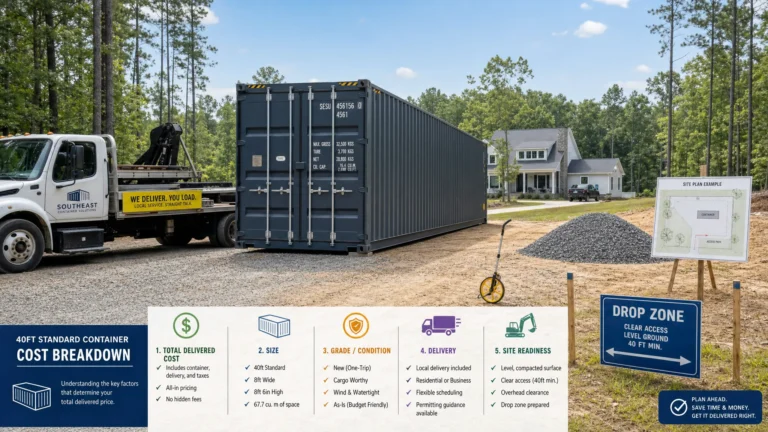
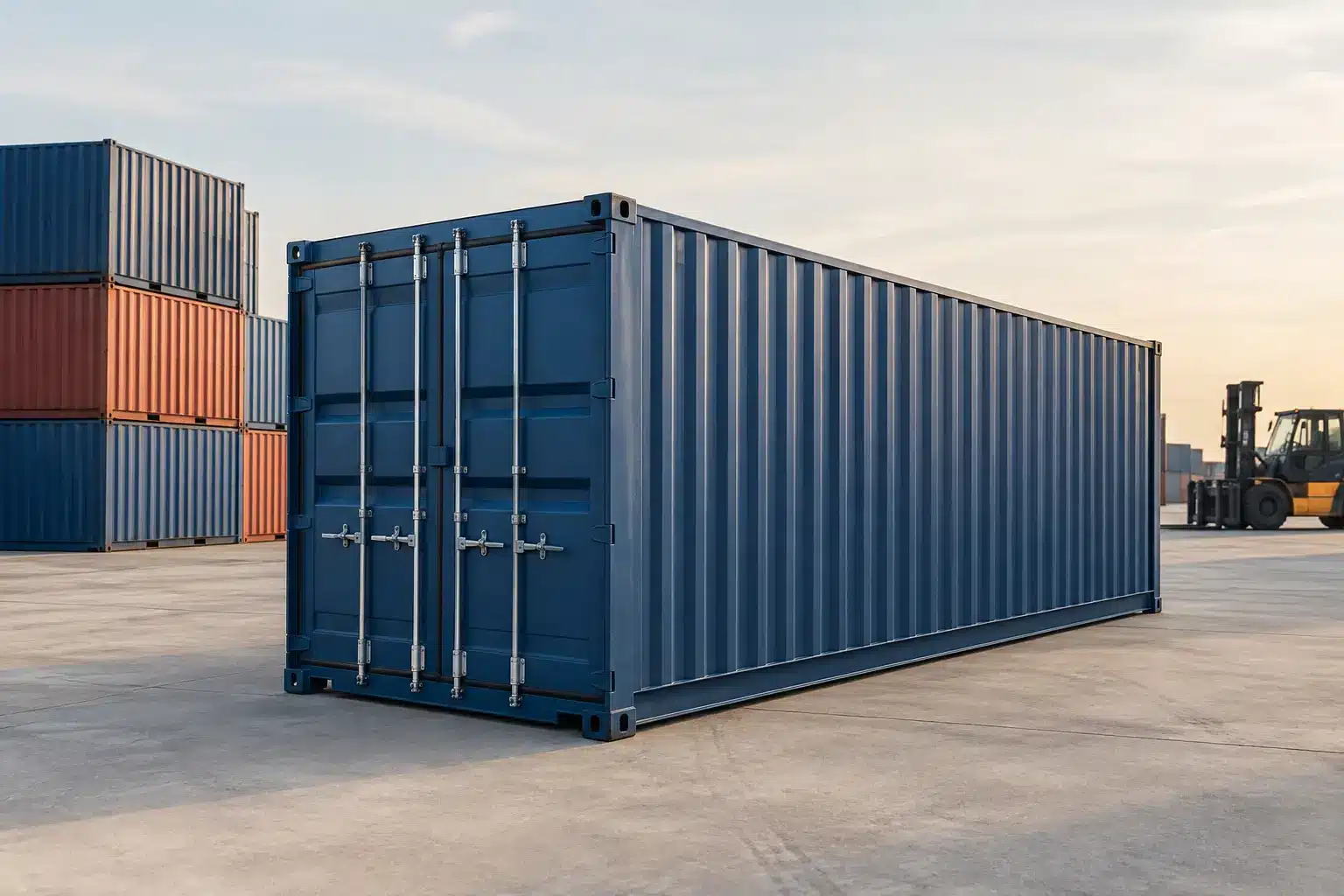
A standard 20-foot dry shipping container has exterior dimensions of approximately 20 feet long, 8 feet wide, and 8 feet 6 inches high. Inside, usable dimensions are generally about 19 feet 4 inches long, 7 feet 8 inches wide, and 7 feet 10 inches high. Door openings are typically close to 7 feet 8 inches wide and 7 feet 5 inches high.
Those measurements matter when loading a skid steer attachment, shelving, long lumber, motorcycles, or palletized goods. Do not assume an item that is eight feet wide will pass through the doors simply because the container itself is eight feet wide. Door framing, interior corrugation, and tie-down points all reduce the clear usable area.
Most 20-foot containers provide roughly 1,170 cubic feet of interior volume. Their steel construction also makes them well suited to concentrated loads, although the floor condition and load distribution should be reviewed for heavy equipment. Spread point loads with appropriate blocking or plywood rather than concentrating weight on a small area of the marine plywood floor.
Choose the Right Container Grade
Condition grading is where many buyers either get a dependable storage unit or inherit a problem. Shipping containers are built from Corten steel, a weathering steel designed for demanding marine use. Even so, used units can vary significantly in appearance, floor wear, dents, surface rust, door operation, and remaining service life.
One-Trip Containers
A one-trip container has typically made one cargo journey from the manufacturer to the United States. It is the closest practical option to new and is usually the best choice when appearance matters, when the unit will be converted into a retail space or office, or when you want the longest expected service life.
Expect minor handling marks from transport. A one-trip unit is not always cosmetically perfect, but it should have cleaner panels, a newer floor, and fewer repairs than an older used container. For homeowners who want a container near a residence, the more uniform appearance can justify the higher purchase price.
Wind and Watertight Containers
A Wind and Watertight, or WWT, container is a used unit that is intended to keep wind and water out. It may have dents, patches, surface rust, faded paint, and signs of prior cargo use. Those cosmetic issues do not automatically affect storage performance.
WWT is often the practical choice for secure jobsite storage, equipment storage, and agricultural use. The key is confirming that doors close properly, gaskets seal, the roof is free of active leaks, and any repairs are sound. Ask whether the container has been inspected for watertightness before delivery rather than relying on a generic condition label.
Cargo Worthy Containers
Cargo Worthy, or CW, generally refers to a container that can meet standards for international shipping after inspection. This grade can matter when a container will be loaded for ocean transport or when buyers want a unit with documented structural suitability. For stationary storage, a Cargo Worthy unit may be more than necessary, but it can provide added confidence if structural condition is a priority.
Do not treat WWT and Cargo Worthy as interchangeable terms. A container can be suitable for dry ground storage without being certified for export. The right grade depends on its intended use, not on which label sounds better.
Inspect What You Can, Verify What You Cannot
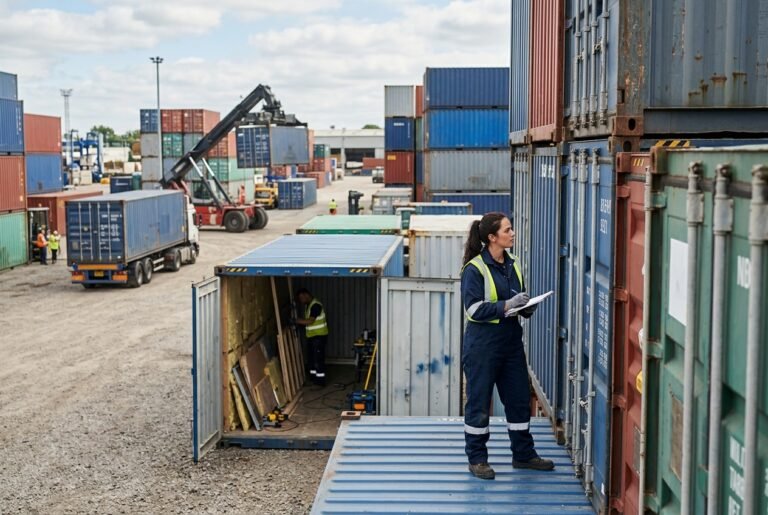
If you can inspect the exact container before purchase, start at the roofline and work down. Look for major roof dents that could collect water, severe corrosion around corner castings, poorly finished patches, and bowed side panels. From inside, close the doors and look for daylight around the roof, walls, and door seals.
The floor deserves close attention. A used container floor can show forklift marks, stains, small repairs, and normal wear. Check for soft spots, excessive delamination, exposed fasteners, or signs of chemical contamination. If you are storing food-related goods, sensitive merchandise, or items that cannot contact a treated wood floor, discuss lining or flooring options before delivery.
Door operation is another practical test. Both doors should swing, align, and lock without excessive force. Stiff doors are not always a deal-breaker, especially on uneven ground, but damaged locking bars or worn seals should be identified before the container arrives.
When in-person inspection is not practical, request current photos of the actual unit when available, including exterior sides, roof condition if accessible, interior walls, floor, doors, and identification markings. Clear documentation is more useful than a stock photo and broad assurances.
Plan the Delivery Before You Buy
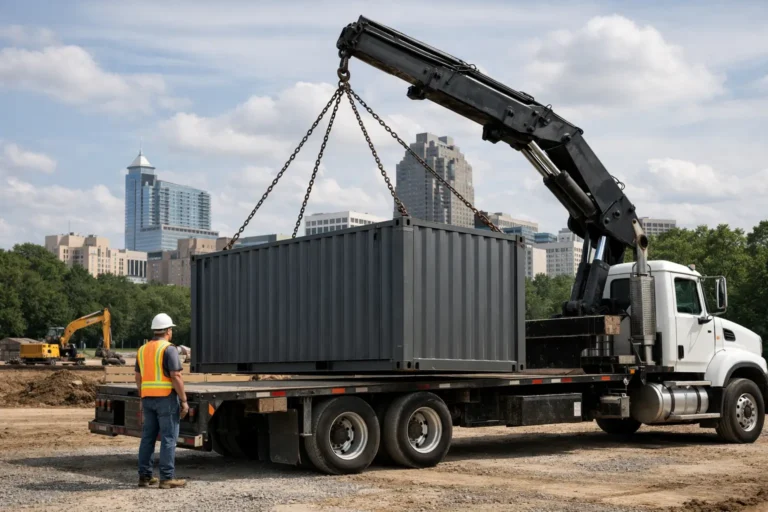
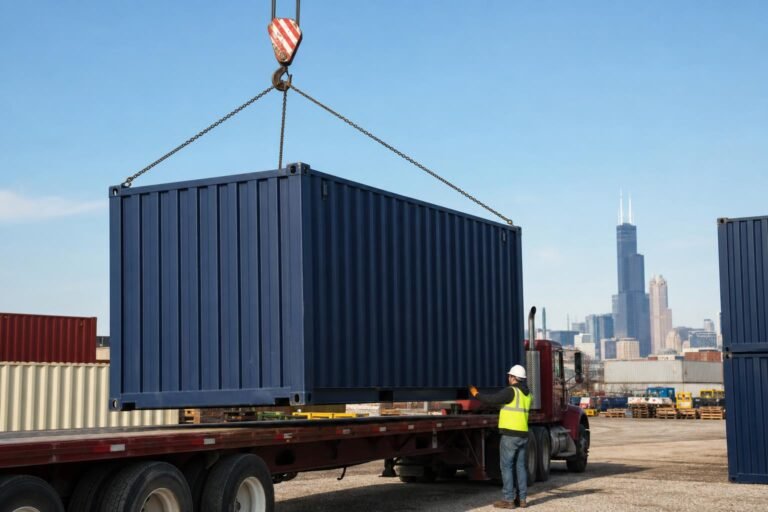
A sound container is only useful if it can be placed safely where you need it. Delivery is not an afterthought. It is part of the purchase decision, especially on active jobsites, wooded rural lots, narrow driveways, and properties with overhead utilities.
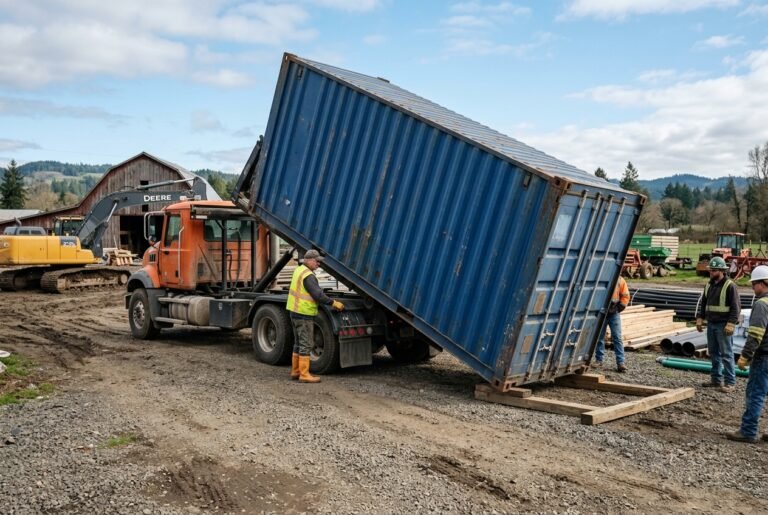
A tilt-bed truck is commonly used for ground-level delivery. The container slides off the rear of the trailer as the truck moves forward, so the driver needs enough straight, level approach space. Depending on truck and site conditions, plan for substantially more room than the 20-foot container length alone. A tight turnaround, soft ground, overhead branches, parked vehicles, gates, or power lines can prevent a safe drop.
Prepare a stable, level base before the truck arrives. Compacted gravel is a common option for storage applications, while concrete pads are often preferred for frequent forklift access or finished conversions. At minimum, support the container at its corner castings with properly placed concrete blocks, piers, or a designed foundation. Keeping the unit level helps the doors operate correctly and reduces water pooling on the roof.
Avoid setting the container directly on bare soil. Ground moisture can accelerate corrosion underneath, and seasonal movement can twist the frame enough to make doors difficult to open. If drainage is poor, address that first rather than expecting the container to solve a site problem.
Ask These Questions Before Approving a Quote
A short set of direct questions can eliminate most misunderstandings. Confirm whether the quoted unit is one-trip, WWT, refurbished, or Cargo Worthy; whether the price includes delivery; and whether the delivery is ground-level or requires separate unloading equipment. Verify the container’s location, estimated delivery window, and whether your site has been reviewed for truck access.
Also ask about exterior color, lockbox availability, vents, shelving, personnel doors, windows, and repainting if those features matter to your use. Modifications should be planned before delivery whenever possible. Cutting steel walls or roof sections without proper reinforcement can affect structural integrity, especially if the container will be stacked, moved, or used as part of a modular build.
For a container that will become an office, retail space, or dwelling shell, check local zoning, permitting, setbacks, fire requirements, and foundation rules before ordering. A shipping container is durable, but it is not exempt from local building requirements simply because it is movable.
Buy for the Next Five Years, Not Just This Week
The best 20-foot container purchase is usually the one that meets your current storage need without limiting the next phase of your operation. A contractor may start with locked material storage and later add shelving, lighting, or a personnel door. A property owner may initially need seasonal storage, then decide the unit should become a workshop.
That does not always mean buying the cleanest or most expensive unit. It means selecting the condition grade, placement, and delivery plan that fit the real use case. A well-documented WWT container on a properly prepared base can be a dependable long-term asset. A one-trip unit can be the better value when appearance, conversion work, or minimal future maintenance is the priority.
Before scheduling delivery, walk the truck route one more time, measure the placement area, and confirm who will be on site to receive the unit. That final check is often what turns a container purchase into dependable storage from day one.