
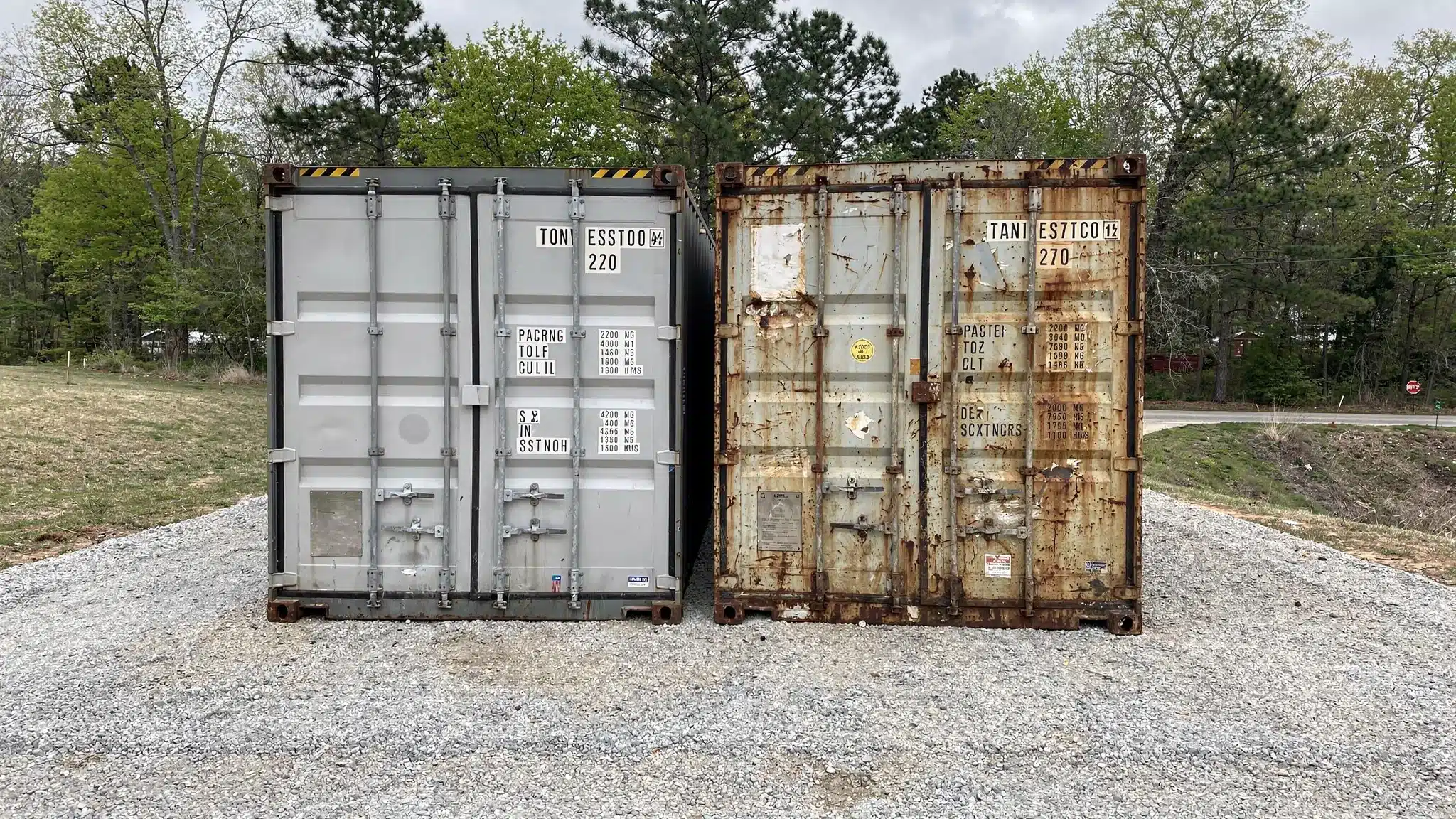
One Trip Shipping Containers vs Used: Which Should You Buy?
Choosing between one trip shipping containers vs used units comes down to one question: what are you asking the container to do for the next 5, 10, or 20 years?
If you need a clean, professional-looking unit for a retail pop-up, office conversion, home build, or long-term storage of high-value materials, a one-trip container is often worth the premium. If you need dependable jobsite storage, farm storage, or budget-conscious inventory overflow, a properly graded used container can deliver excellent value.
The key is not simply “newer is better” or “used is cheaper.” The smart decision is matching the container grade, size, condition, delivery plan, and site to your actual use case. That is especially true in Raleigh, North Carolina and the Southeast, where humidity, red clay soil, tree cover, and storm drainage all affect how a container performs after delivery.
What Is a One-Trip Shipping Container?
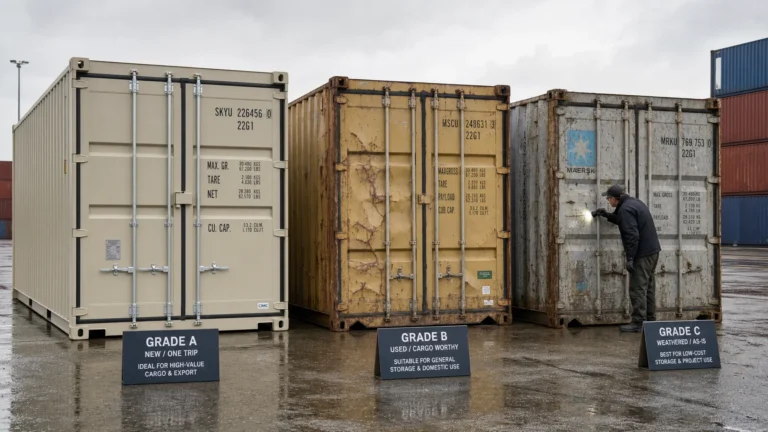
A one-trip shipping container is a container that was manufactured, loaded with cargo once, transported to its destination, then sold into the storage or resale market. It is not usually “factory untouched,” but it is the closest practical option to new in the container market.
Most one-trip containers are built from Corten steel, a weathering steel designed to develop a protective oxide layer when exposed to the elements. They are manufactured to standard freight container specifications, with common sizes including 20ft, 40ft, and 40ft High Cube. International container dimensions are governed by standards such as ISO 668, which helps explain why container footprints and corner castings are so standardized across the industry.
A one-trip unit typically has:
- Minimal dents, rust, and prior handling damage
- Strong factory paint and newer door gaskets
- Cleaner plywood flooring compared with older used units
- Better cosmetic appearance for customer-facing projects
- A longer remaining service life when placed on a prepared site
One-trip does not mean flawless. You may still see forklift marks, small scratches, minor dings, or rub marks from its initial ocean voyage. But compared with a used container that has spent years in ports, rail yards, and truck lanes, the difference is obvious.
What Counts as a Used Shipping Container?
“Used” is not one single condition. A used shipping container may be in excellent structural shape, or it may be near the end of its practical life. That is why grade matters.
At Lease Lane Containers LLC, we encourage buyers to understand the difference between Cargo Worthy, Wind and Watertight, and lower-grade or as-is containers before comparing price. A low advertised price is not useful if the unit has roof pinholes, weak floors, damaged doors, or corrosion in critical structural areas.
Here is the practical breakdown:
| Container grade | What it means | Best fit | Key limitation |
|---|---|---|---|
| One-Trip | Nearly new, used for one loaded trip, minimal wear | Conversions, offices, retail, long-term premium storage | Higher upfront cost |
| Cargo Worthy (CW) | Structurally suitable for transport when properly certified or surveyed | Export, logistics, stacked storage, high-value storage | More cosmetic wear than one-trip |
| Wind and Watertight (WWT) | Keeps out wind and rain, suitable for ground storage | Jobsite storage, farms, residential storage, inventory overflow | Not automatically approved for ocean export |
| As-Is | Sold with known or unknown defects | Scrap, non-critical projects, buyer-funded repairs | May leak, have floor issues, or require major repairs |
A Cargo Worthy container generally has sound corner castings, rails, frame, roof, walls, and doors. For international shipping, buyers should confirm the CSC plate, survey requirements, and carrier acceptance. The International Convention for Safe Containers sets safety requirements for containers used in international transport.
A Wind and Watertight container is different. WWT means the unit should not leak under normal weather exposure and should be suitable for stationary storage, but it is not necessarily certified for cargo movement. For many Raleigh contractors, homeowners, and farms, WWT is a cost-effective choice. For export, stacking, or structural modification, Cargo Worthy or one-trip may be the safer starting point.
One-Trip vs Used: The Real Buying Difference
The biggest difference is not just appearance. It is predictability.
A one-trip container gives you a newer shell, stronger cosmetics, cleaner flooring, and fewer unknowns. Used containers can be excellent, but their value depends heavily on inspection, grade transparency, and intended use.
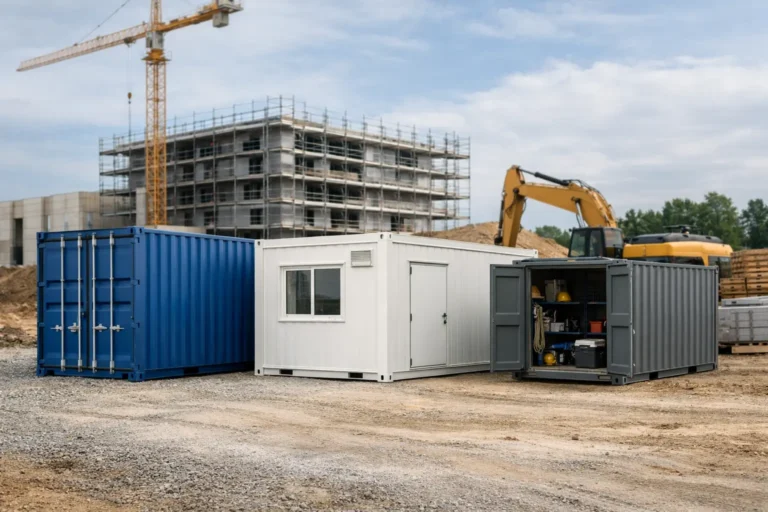
For example, a general contractor storing tools on a construction site near Raleigh may care more about security, dry storage, and fast delivery than paint condition. A WWT or Cargo Worthy used unit may be the right choice. A small business building a branded mobile retail space, however, may save money long term by starting with a cleaner one-trip container that needs less prep, paint, and repair before modification.
The question is not “Which one is cheaper today?” The better question is “Which one costs less over the full life of the project?”
When One-Trip Shipping Containers Are Worth It
A one-trip container is usually the better buy when the container will be visible, modified, occupied, or expected to stay in service for many years.
For customer-facing projects, appearance matters. Retail pop-ups, mobile offices, food service concepts, showrooms, and residential conversions often start with one-trip units because the exterior is cleaner and the interior is easier to finish. If you plan to cut in windows, doors, HVAC, insulation, or electrical, starting with a newer shell reduces the risk of building around hidden corrosion or compromised flooring.
One-trip containers also make sense for long-term property storage. Homeowners and agricultural buyers who want one dependable unit for the next decade or more may prefer paying more upfront for less maintenance and better resale value.
Common situations where one-trip makes sense include:
- Container home, cabin, studio, or office conversions
- Retail pop-ups or branded small business spaces
- High-value tool, equipment, or inventory storage
- Long-term farm, residential, or commercial property storage
- Projects where appearance and resale value matter
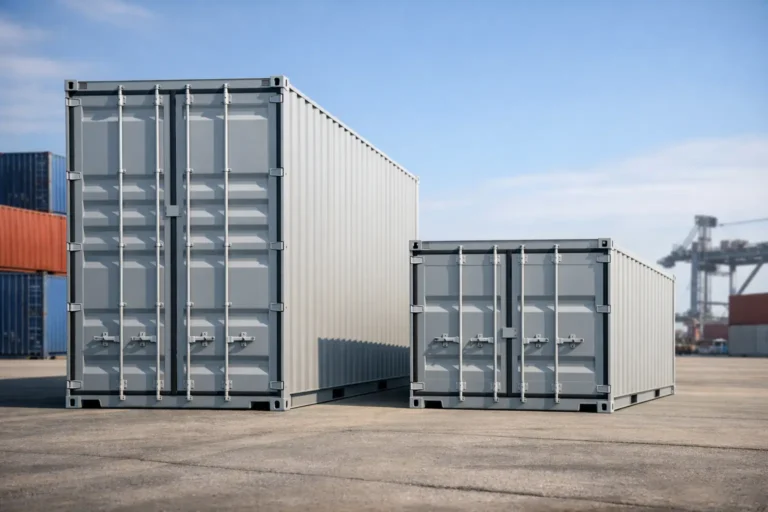
If you are comparing sizes, review your options carefully before ordering. A 20ft container is easier to place on tighter lots and residential driveways, while a 40ft container offers more cost-efficient storage per square foot when your site has enough room.
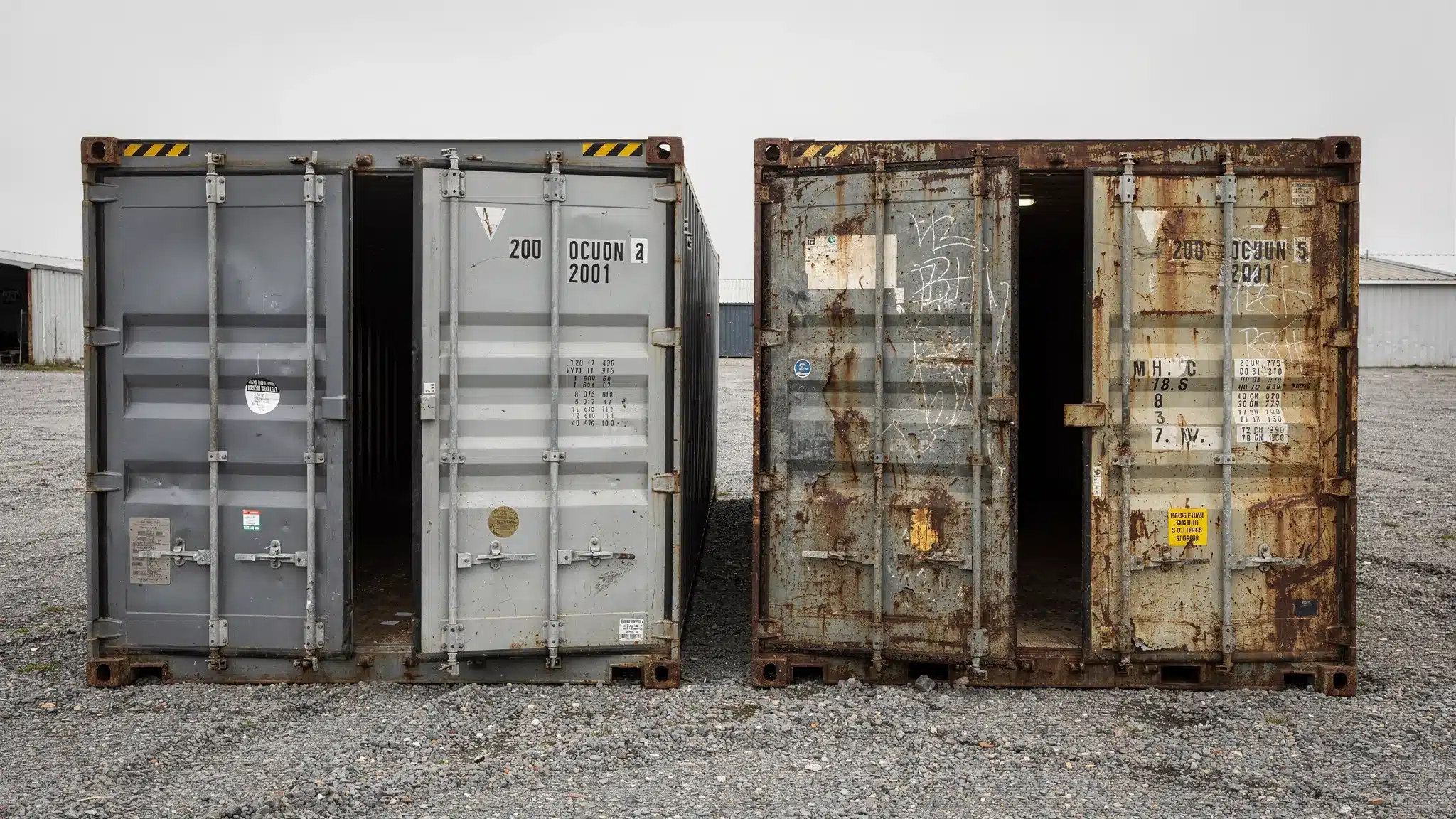
When a Used Container Is the Smarter Buy
Used containers are often the best value when the goal is practical storage rather than premium appearance. For many general contractors, farmers, landscapers, mechanics, and small business owners, a good used unit can provide secure, durable, weather-resistant storage at a lower upfront cost.
A Wind and Watertight used container can be ideal for stationary storage if the roof, doors, gaskets, floor, and walls pass inspection. A Cargo Worthy used container can be a better choice if you need stronger structural confidence, plan to transport cargo, or want a better base for modifications without paying for one-trip condition.
Used containers are especially practical for:
- Construction jobsite storage for tools and materials
- Farm storage for feed, equipment, and supplies
- Overflow inventory for small businesses
- Warehouse or industrial storage
- Budget-conscious projects where cosmetics are secondary
The tradeoff is that used containers need more careful evaluation. Dents, rust, floor repairs, old labels, color variation, and patched areas are common. These issues are not always deal-breakers, but they should be disclosed and priced accordingly.
For buyers in North Carolina, the most important point is to inspect for moisture risk. Humidity and heavy rain can expose weak door seals, roof pinholes, and poor drainage around the container base. If you are considering used containers in Raleigh, ask for clear photos, grade details, and delivery planning support before committing.
Cost: Compare Total Delivered Value, Not Just Sticker Price
One-trip containers cost more than used containers because they have fewer miles, newer coatings, cleaner interiors, and longer expected service life. Used containers cost less upfront, but some savings can disappear if you need repairs, repainting, floor replacement, seal work, or extra modifications.
A fair comparison should include:
- Container grade and size
- Standard height vs High Cube height
- Delivery distance and unloading method
- Site preparation costs
- Repairs, repainting, or modifications
- Expected lifespan and resale value
- Permits, HOA approvals, or local placement rules
High Cube containers deserve special attention. A standard container is typically 8ft 6in tall on the exterior, while a High Cube is typically 9ft 6in tall. That extra foot can be valuable for offices, workshops, shelving, equipment storage, insulation, and HVAC clearance. If you are building an occupied space, a High Cube one-trip unit may reduce design constraints compared with a standard-height used container.
For storage-only use, a standard WWT or Cargo Worthy container may be enough. For a finished interior, extra headroom can make the difference between a tight build-out and a comfortable space.
Best Choice by Buyer Type
Different buyers should weigh condition differently. A logistics manager shipping cargo overseas has different requirements than a homeowner storing furniture or a contractor securing tools overnight.
| Buyer type | Recommended starting point | Why |
|---|---|---|
| General contractors and home builders | WWT or Cargo Worthy used container | Secure jobsite storage without overpaying for cosmetics |
| Small business retail or mobile office projects | One-trip High Cube | Cleaner appearance and better modification base |
| Homeowners needing long-term storage | One-trip or clean WWT | Depends on budget, visibility, and storage value |
| Farms and agricultural properties | WWT or Cargo Worthy used container | Durable storage for equipment, feed, and supplies |
| Real estate developers and modular builders | One-trip or Cargo Worthy High Cube | Stronger base for structural modifications |
| Logistics managers | Cargo Worthy or one-trip | Export and transport require structural suitability and documentation |
This table is a starting point, not a substitute for inspection. The best container is the one that matches your use case, your site, and the condition documentation you receive from the seller.
Inspection Priorities Before You Buy
Whether you choose one-trip or used, always verify the unit before delivery. Photos, videos, grade descriptions, and seller transparency matter, especially if you are buying remotely.
Focus on the areas that affect performance, not just paint color. Check the roof for dents and ponding, inspect door gaskets for cracks, look at the lower side rails for corrosion, and confirm that doors open and close without binding. Inside the container, look for daylight coming through holes, soft flooring, chemical odors, heavy staining, or signs of water intrusion.
For used containers, ask whether the unit is Cargo Worthy, Wind and Watertight, or sold as-is. If a seller uses vague language like “good condition” without grade details, ask for specifics. A reputable supplier should be able to explain what the grade means and what it does not mean.
A one-trip unit still deserves inspection, but the focus is usually on confirming size, door operation, factory features, minor cosmetic marks, and delivery condition. For modified projects, also confirm wall condition, floor condition, and whether the unit is standard height or High Cube.
Pro-Tip: Prepare the Site Before You Pick the Grade
A great container can perform poorly on a bad site. Before you decide between one-trip and used, make sure your placement area can support the container properly.
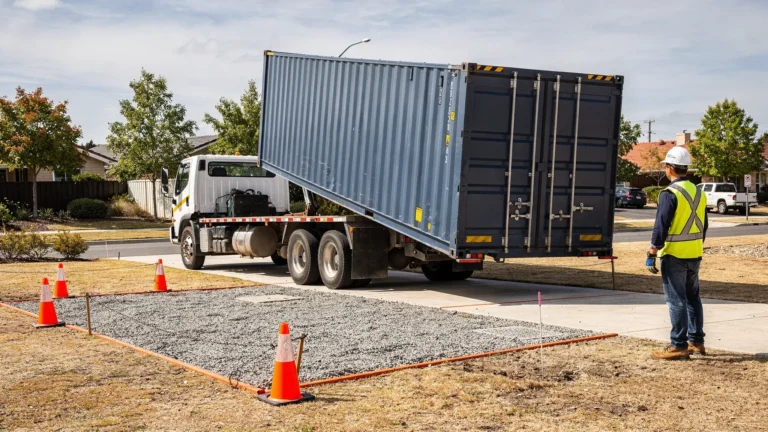
In Raleigh and much of the Southeast, compacted soil, clay, humidity, and stormwater runoff can create long-term problems if the container sits directly on uneven or poorly drained ground. A level gravel pad is often a practical solution for storage units because it improves drainage and helps prevent the container from twisting. Twisting can make doors difficult to open and may stress the frame over time.
For most ground-level placements, plan for a firm, level pad with drainage away from the container. Many buyers use compacted gravel, concrete blocks, railroad ties, or concrete piers under the corner castings. The container is designed to bear weight at the corners, so consistent support matters more than simply setting it on random blocks.
Also check truck access before delivery. Tilt-bed delivery needs room for the truck, trailer, container, and unloading angle. Clear low branches, measure gates, confirm overhead wires are not in the path, and decide which way the doors should face before the driver arrives.
For Raleigh, Wake County, and nearby municipalities, check zoning, setback, HOA, and permit requirements before placement. Rules can vary by property type and jurisdiction. If utilities are involved or you are preparing a permanent pad, call 811 before digging.
Quick Decision Framework
If you are still unsure, use this simple framework.
Choose a one-trip container if the project is long-term, visible, customer-facing, modified, or high-value. The cleaner shell, newer Corten steel panels, stronger factory finish, and better flooring can reduce headaches later.
Choose a Cargo Worthy used container if the unit needs to remain structurally dependable for shipping, stacking, transport, or demanding commercial storage, but you do not need a nearly new appearance.
Choose a Wind and Watertight used container if the container will sit on the ground for practical storage and you want strong value without paying for export certification or premium cosmetics.
Avoid as-is containers unless you understand the repair costs and the unit is being used for a non-critical purpose. A cheap container that leaks or has damaged doors can quickly become more expensive than a properly graded unit.
Frequently Asked Questions
Are one-trip shipping containers actually new? They are not usually factory untouched. A one-trip container has typically made one loaded trip from the manufacturing location to its destination, then entered the resale market. It is generally the closest option to new and usually has minimal wear compared with used containers.
Is a used container good enough for storage? Yes, a properly inspected Wind and Watertight or Cargo Worthy used container is often excellent for stationary storage. The key is verifying that the roof, walls, doors, gaskets, and floor are sound before delivery.
Should I buy Cargo Worthy or Wind and Watertight? Choose Cargo Worthy if you need transport suitability, export potential, stronger structural assurance, or better resale value. Choose Wind and Watertight if you need affordable ground storage and do not plan to ship the container internationally.
Is High Cube worth it? High Cube is worth considering if you need extra interior height for shelving, equipment, insulation, HVAC, or an office conversion. For basic storage, standard height may be sufficient, but the extra foot can add meaningful usability.
Which container is best for Raleigh’s climate? One-trip containers offer newer coatings and fewer wear points, which helps in humid climates. Good WWT and Cargo Worthy used containers can also perform well if placed on a level, well-drained base and inspected regularly for rust, door seal wear, and roof damage.
Ready to Compare One-Trip and Used Containers?
Lease Lane Containers LLC helps buyers in Raleigh, across North Carolina, throughout the Southeast, and nationwide choose the right container for the job. Whether you need a clean one-trip unit, a Cargo Worthy container for transport, or a Wind and Watertight used container for storage, our team can help you compare size, grade, delivery access, and site preparation before you buy.
For clear pricing and practical guidance, contact the Lease Lane Containers sales team at sales@leaselanecontainers.com or visit our Raleigh office to discuss the right container for your property, jobsite, farm, business, or logistics project.

One Comment