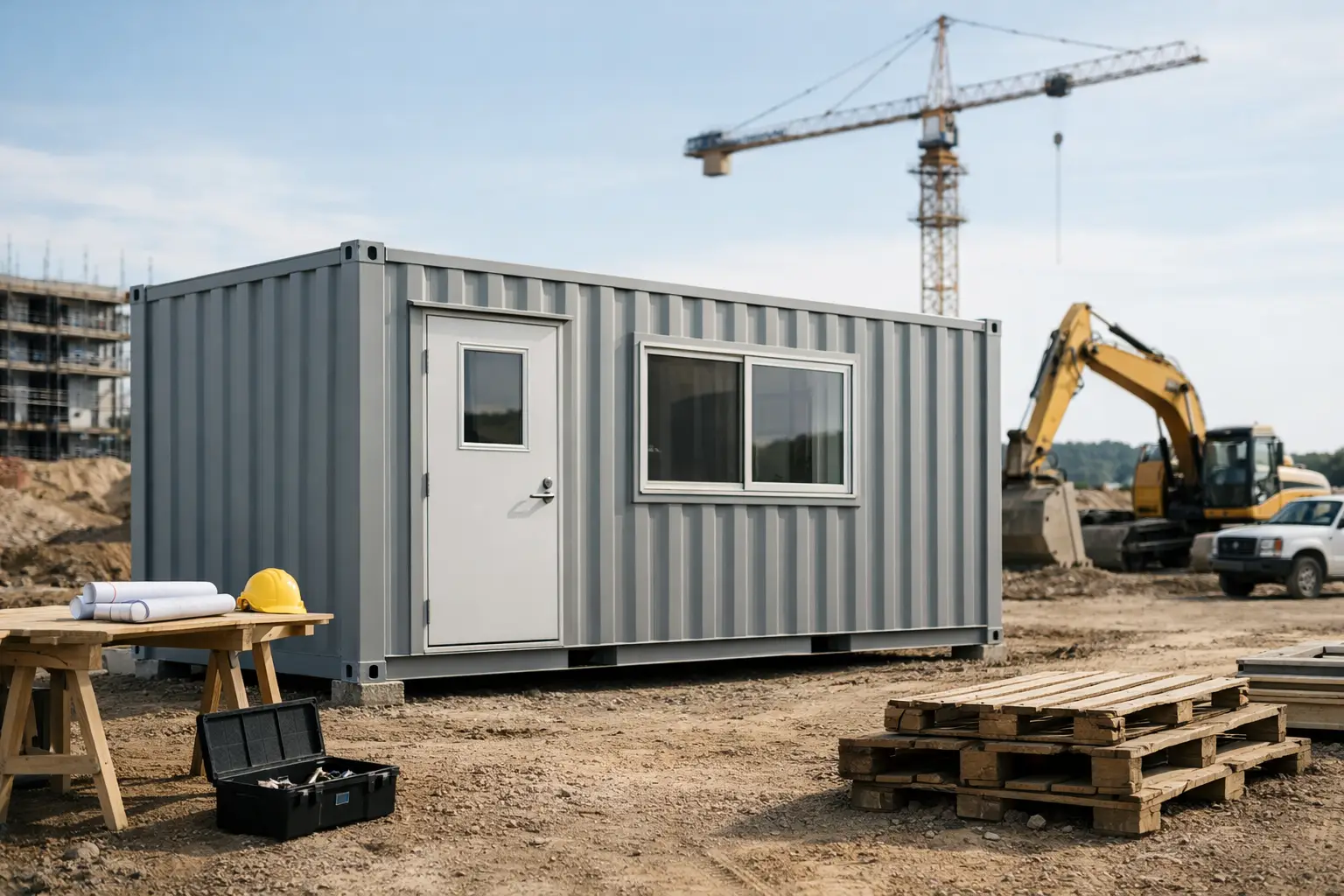
Choosing a Mobile Office Container for Contractors
A trailer office can work fine until the site gets tight, the ground turns soft, or theft becomes a real cost line. A mobile office container for contractors solves a different set of problems than a standard job trailer. It gives you a lockable, steel-framed workspace that can handle repeated moves, rough conditions, and the daily wear that comes with active construction sites.
For many contractors, the appeal is simple. You need an office on site that is fast to place, hard to break into, and predictable to maintain. The better question is not whether a container office works. It is which setup fits your crew, your schedule, and your delivery conditions without creating extra costs later.
Why contractors choose a mobile office container
A shipping container office starts with a stronger shell than many temporary site structures. Standard containers are built from Corten steel and designed around ISO handling standards, which means they are meant to be lifted, stacked, transported, and exposed to weather over long periods. That matters on a job site where equipment bumps corners, weather changes fast, and temporary structures do not always stay in one place as long as planned.
Security is usually the first practical advantage. Contractors often keep plans, permits, laptops, radios, batteries, and specialty tools in the office. A modified container gives you steel walls, steel doors, and options for lockboxes, reinforced personnel doors, window bars, and interior storage. It is not theft-proof – nothing on a busy site truly is – but it is far more resistant to casual break-ins than lighter temporary buildings.
Mobility is the second advantage, though it helps to define that term honestly. A mobile office container is not something you drag around the site every morning. Mobile means it can be delivered, repositioned, or moved to the next project using standard container logistics. For contractors managing multiple sites over a year, that reusability can make the math work better than repeatedly renting temporary offices.
What a contractor actually needs inside the office
The right layout depends on how the office will be used. A superintendent working alone has very different needs than a GC using the unit for meetings, document control, and secure storage.
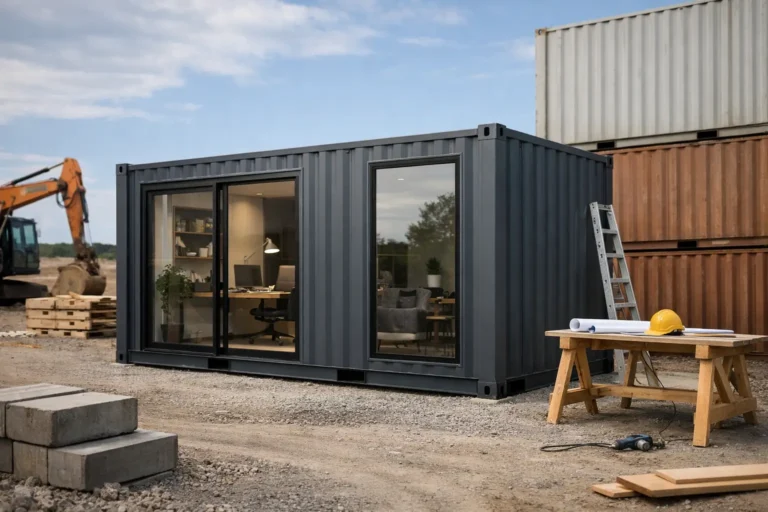
Most contractor office builds start with the basics: insulated walls, finished interior panels, electrical package, lighting, receptacles, HVAC, and at least one personnel door. From there, the options should match the workflow. If the office is mainly for admin tasks, desk space, data ports, and climate control matter more than open floor area. If it is doubling as a field office and storage room, interior partitioning may help separate paperwork from tools and PPE.
Windows are useful, but there is a trade-off. They improve visibility and make the space easier to work in for long hours, but every added opening changes security and can affect cost. The same is true for upgraded finishes. A polished interior may make sense for a client-facing site office or a long-duration project. For a short-term utility build, durable and simple usually wins.
Best container sizes for a mobile office container for contractors
Size affects more than square footage. It influences delivery access, site layout, interior design, and long-term flexibility.
A 20-foot container is often the practical starting point. It fits tighter sites, is easier to place, and works well as a private office, check-in station, or combined office-storage unit. For urban infill work or residential construction where staging space is limited, a 20-foot build may be the safest choice.
A 40-foot container makes more sense when multiple people need to work inside or when you want a split layout with office space on one side and storage on the other. It gives more room for desks, shelving, file cabinets, and meeting space, but it also requires more delivery clearance and a better-planned footprint.
High-cube containers add roughly one extra foot of interior height. That does not sound dramatic on paper, but it can improve comfort, especially after adding insulation, lighting, and ceiling finishes. If the unit will be occupied daily in hot climates or for long project durations, that extra height can be worth it.
New, used, or refurbished: which condition makes sense?
This is where contractors can overspend or underbuy if the grade is not explained clearly.
A one-trip container usually offers the cleanest exterior appearance and the longest remaining service life in the base structure. If the office will be customer-facing, moved often, or used as a long-term asset, one-trip can be the right call. It costs more upfront, but you start with fewer cosmetic defects and less uncertainty.
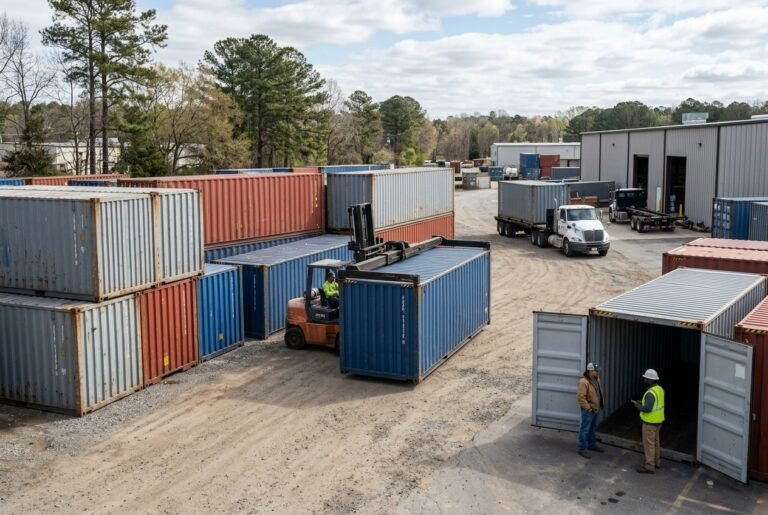
A used Wind & Watertight container can be a solid value for a functional office build, especially if budget pressure is high. WWT means the unit is structurally enclosed against normal weather intrusion, but it will usually show dents, patches, surface rust, and prior service wear. For many contractors, that is acceptable as long as the floor, doors, and shell are sound.
A refurbished unit sits somewhere in the middle. It may offer fresh paint, repaired surfaces, and improved presentation without the full price of one-trip inventory. The key is to ask what was actually refurbished. Cosmetic cleanup is not the same as structural repair, and good suppliers will explain that difference plainly.
Delivery and site prep matter more than most buyers expect
The office itself is only half the job. Delivery conditions can determine whether the project goes smoothly or turns into change-order territory.
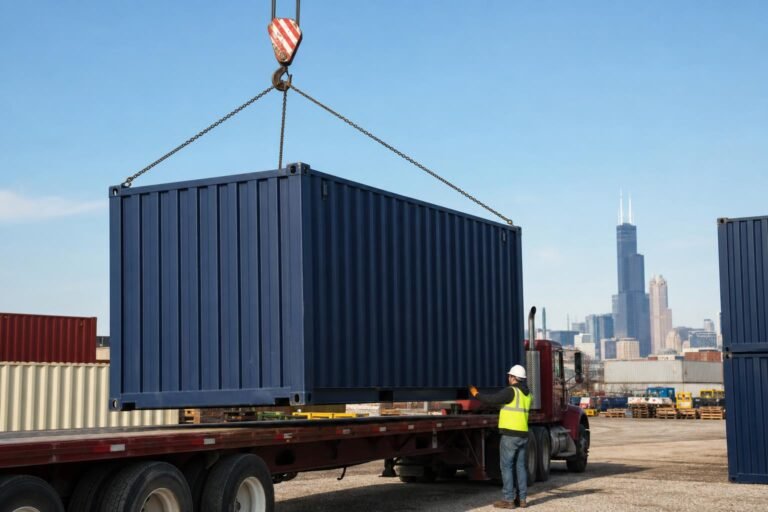
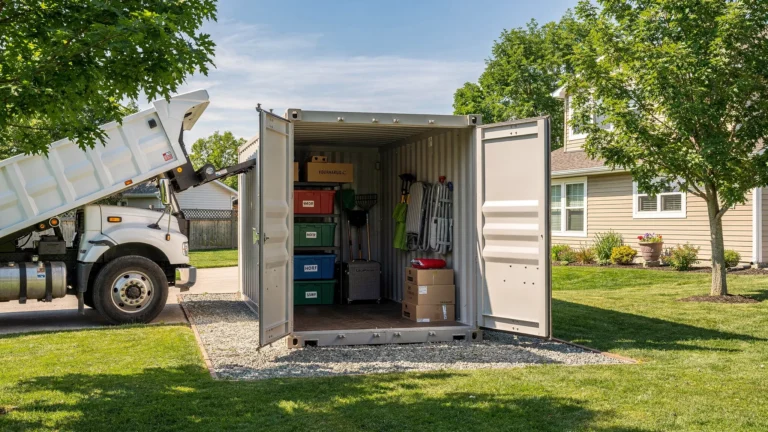
Before ordering, confirm how the container will be unloaded. Tilt-bed delivery is common and efficient, but it needs enough straight-line clearance to slide the container off the truck. Ground-level placement can reduce the need for cranes or special equipment, but access, slope, overhead obstructions, and soil conditions still matter.
Your site should be level, compacted, and ready before the truck arrives. Gravel pads, concrete, railroad ties, and other footing solutions can all work depending on duration and load expectations. What does not work is assuming the driver can solve poor access or soft ground on arrival.
This is one area where clear logistics support matters. Contractors do not need vague delivery promises. They need verified dimensions, turnaround requirements, and realistic placement guidance. Companies that handle nationwide container delivery well, including in fast-growing construction corridors like Raleigh and the broader Southeast, usually ask detailed access questions for a reason. It prevents surprises.
Office comfort is not a luxury item
A field office that is too hot, poorly lit, or hard to organize gets used less effectively. That affects productivity faster than many buyers expect.
Insulation and HVAC should be chosen for your region and occupancy pattern, not added as afterthoughts. A container is steel. Without proper insulation and ventilation, it can become difficult to work in during summer or winter extremes. Electrical planning matters too. If your team is charging devices, running printers, powering monitors, or supporting data equipment, the office needs more than a single basic circuit.
Interior layout should also account for how contractors really work. Plans spread out. Boots track dirt. Radios charge overnight. Wet gear needs somewhere to go. A good office build is not just finished nicely. It is laid out to support daily site use without becoming cluttered by day three.
When a container office is the wrong fit
A container office is not perfect for every job.
If you need frequent daily relocation around a large site, a towable trailer may be more convenient. If you need a large team office with multiple private rooms, restrooms, and conference space, modular buildings may offer a better interior environment. And if appearance is the top priority for a high-visibility commercial launch, you may want heavier customization than a basic container office build.
That said, many contractors do not need perfect. They need secure, durable, and deployable. In that lane, container offices tend to perform well.
How to buy without costly surprises
Start with the real use case, not the catalog photo. How many people will use the office? Will it store tools or just paperwork? Is this a three-month project office or an asset you plan to move for years? Those answers shape the right size, grade, and modification package.
Then ask for verified specifications. You want to know the exact dimensions, container condition, electrical scope, insulation details, door and window locations, and delivery method. If pricing looks low but site prep, placement limitations, or upgrade costs are vague, the number is not complete.
That is why experienced buyers look for straightforward grading, clear delivery planning, and no fine print around condition. A contractor already has enough uncertainty on the job. The container purchase should not add more.
The best mobile office container is the one that fits the site, survives the schedule, and keeps your crew organized without demanding constant attention. If you choose based on structure, delivery reality, and day-to-day use, it becomes one less thing to worry about when the job is moving fast.