How to Compare Cargo Containers for Sale Locally
When you compare cargo containers for sale locally, the cheapest sticker price is rarely the best way to make a decision. A container that looks like a deal online can become expensive if it is the wrong grade, difficult to deliver, too short for your equipment, or not suitable for shipping.
For buyers in Raleigh, Wake County, the Triangle, and across the Southeast, the goal is to compare the complete container purchase: size, condition, grade, delivery method, site requirements, and seller transparency. The same approach also applies if you are buying for a jobsite, farm, warehouse, retail project, or logistics operation anywhere in the U.S.
If you have searched for cargo containers for sale near me, use the framework below to compare local options with confidence.
Start with the job the container must do
Before comparing prices, define how the container will be used. A general contractor storing tools in Raleigh has different priorities than a logistics manager buying a unit for export, and both have different needs than a homeowner creating long-term property storage.
The best local sellers should ask about your use case before recommending a container. That conversation helps determine whether you need a 20ft unit, a 40ft High Cube, a Wind & Watertight used container, a Cargo Worthy unit, or a One-Trip container with cleaner appearance and longer remaining service life.
| Use case | Good starting point | What to prioritize |
|---|---|---|
| Jobsite tool and material storage | 20ft or 40ft WWT container | Security, door function, leak resistance, delivery access |
| Residential or farm storage | 20ft WWT or One-Trip container | Size, appearance, flooring condition, long-term placement |
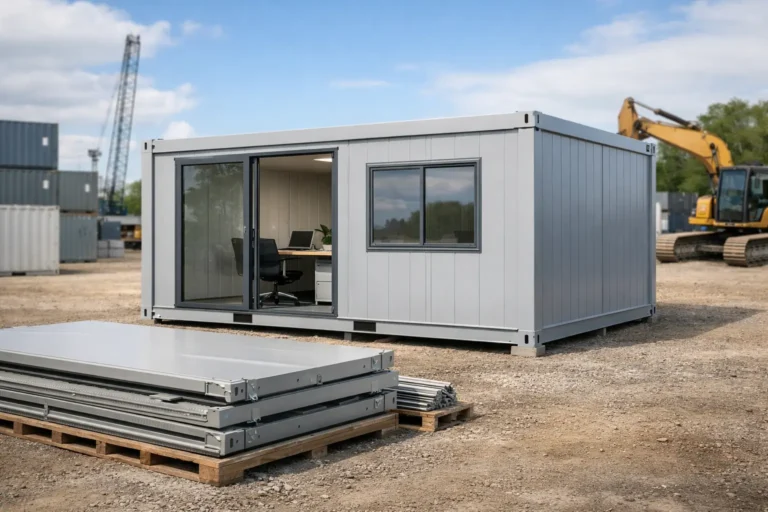
| Retail pop-up or mobile workspace | One-Trip standard or High Cube | Clean exterior, modification potential, extra headroom |
| Inventory overflow | 40ft standard or 40ft High Cube | Capacity, floor condition, easy loading access |
| International shipping | Cargo Worthy container | Structural integrity, valid inspection status, shipping documentation |
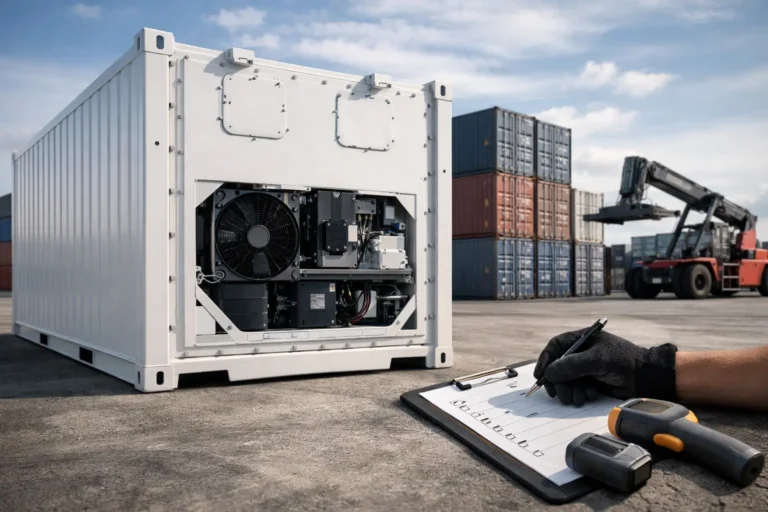
| Temperature-sensitive goods | Refrigerated container | Power requirements, temperature range, reefer unit condition |
If your project is small, space-constrained, or located in a residential area, a 20ft container is often easier to place than a 40ft unit. For a deeper look at that size class, Lease Lane’s guide to a 20ft shipping container for sale near you explains practical buying considerations.
Compare size, height, and configuration
Most local buyers focus first on length, but height and configuration matter just as much. Standard shipping containers are built around intermodal freight standards, which is why they can move by ship, rail, and truck. The International Organization for Standardization publishes container dimension standards such as ISO 668, which helps explain why common container sizes are so consistent across the market.
A standard 20ft container is typically easier to deliver into tighter sites, including small commercial lots, farms, and some residential driveways. A 40ft container gives you significantly more storage capacity, but it needs more room for delivery, placement, and truck maneuvering. A High Cube container is usually 9 ft 6 in tall on the exterior, about one foot taller than a standard container, which makes it valuable for tall inventory, mobile offices, equipment storage, or modifications.
| Container type | Typical exterior size | Best fit |
|---|---|---|
| 20ft standard | 20 ft long, 8 ft wide, 8 ft 6 in high | Tight sites, tools, residential storage, smaller projects |
| 40ft standard | 40 ft long, 8 ft wide, 8 ft 6 in high | Bulk storage, inventory, construction materials |
| 40ft High Cube | 40 ft long, 8 ft wide, 9 ft 6 in high | Extra vertical clearance, modifications, larger equipment |
| Refrigerated container | Commonly 20ft or 40ft | Cold storage, food, agriculture, pharmaceuticals, events |
When comparing local listings, confirm whether the advertised container is standard height or High Cube. Some buyers assume all 40ft containers are the same, then discover too late that they needed the extra headroom of a High Cube or the simpler placement of a 20ft unit.
Understand container grades before comparing prices
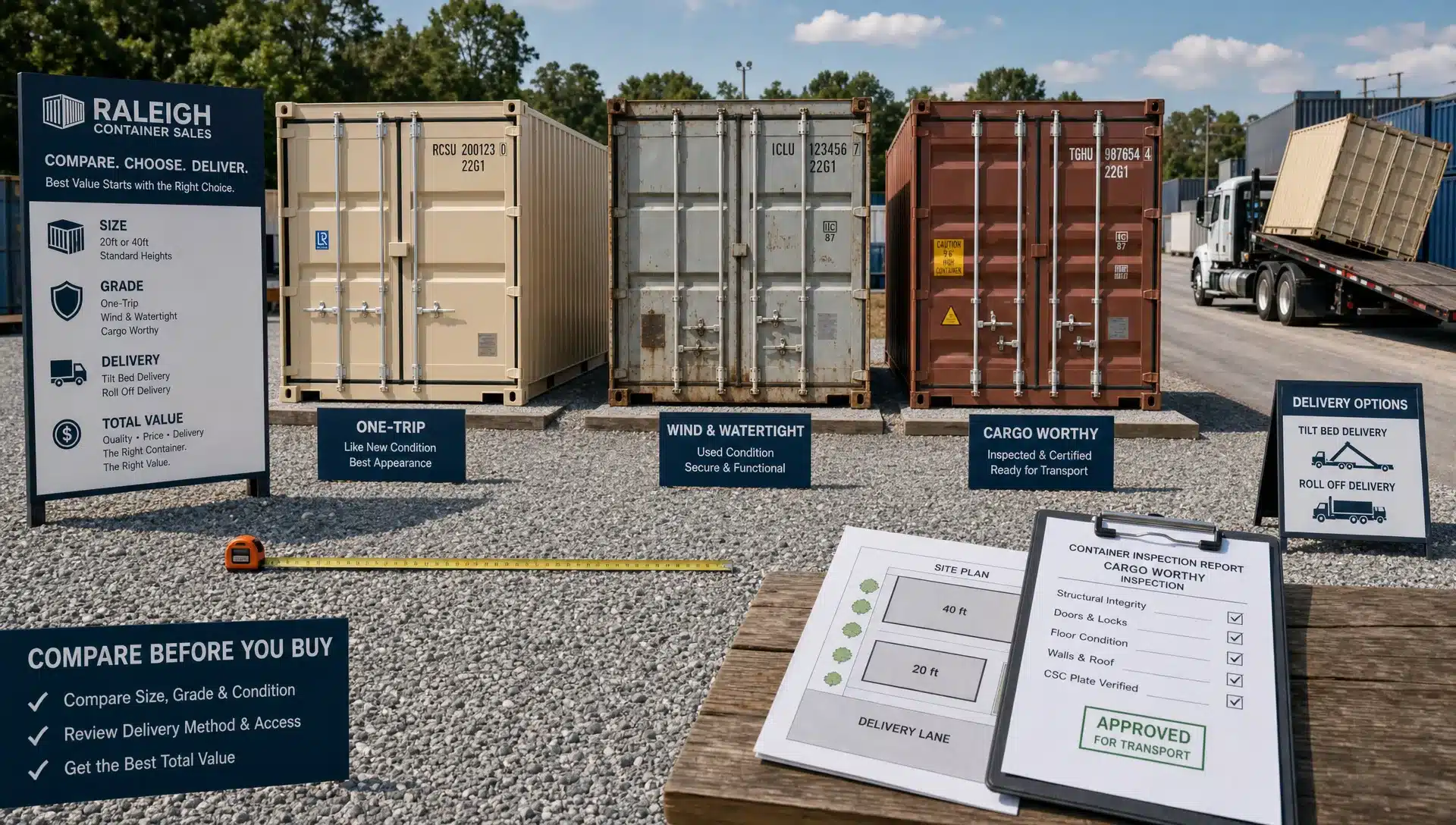
Container grade is one of the biggest reasons two local quotes can be thousands of dollars apart. A seller advertising a low price may be offering an older Wind & Watertight unit, while another quote may be for a One-Trip container in cleaner condition. Both may be good options, but they are not the same product.
One-Trip containers
A One-Trip container is typically manufactured overseas, loaded once with cargo, shipped to North America, and then sold into the domestic market. It is usually the cleanest and newest option available, with fewer dents, better paint, and less floor wear than most used containers.
One-Trip units are popular for retail conversions, mobile offices, container homes, customer-facing storage, and long-term property storage where appearance matters. They are still made from corrugated Corten Steel, a weathering steel designed to resist corrosion better than mild steel, but they should not be treated as rust-proof. Proper drainage and site preparation still matter.
Cargo Worthy containers
A Cargo Worthy container is a used container that is structurally suitable for cargo transport. It should have sound corner castings, doors, floors, walls, and roof components, and it may be appropriate for export if it meets the required inspection and documentation standards. For ocean transport, buyers should ask about the CSC plate and whether the container satisfies the carrier’s requirements. The International Convention for Safe Containers.aspx) is the global safety framework behind container approval for transport.
Cargo Worthy does not mean cosmetically perfect. Expect dents, scuffs, patches, surface rust, and previous shipping wear. The key difference is structural acceptability for cargo movement.
Wind & Watertight containers
A Wind & Watertight container, often abbreviated WWT, is a used container that should keep out normal wind and rain when properly closed. This grade is often ideal for static storage, including construction sites, farms, residential properties, and business inventory overflow.
WWT does not automatically mean Cargo Worthy. A WWT unit can be perfectly useful for ground storage in Raleigh or elsewhere in the Southeast, but it may not be approved for international shipping. If you only need dry, secure storage, WWT may be the best value. If you need to ship cargo, ask for Cargo Worthy.
| Grade | Typical condition | Best use | Key caution |
|---|---|---|---|
| One-Trip | Newer, cleaner, minimal wear | Modifications, long-term storage, visible locations | Higher upfront cost |
| Cargo Worthy | Used but structurally suitable for cargo | Export, transport, heavy-duty storage | Confirm inspection and CSC status if shipping |
| Wind & Watertight | Used, weather-resistant for storage | Jobsite, farm, home, business storage | Not automatically approved for ocean freight |
| As-is | Varies widely | Limited budget, noncritical uses | Higher risk of leaks, door issues, or structural problems |
For buyers considering used inventory, this guide on spotting value in used containers for sale near you offers additional detail on separating normal wear from costly problems.
Inspect condition like a buyer, not a browser
Local comparison becomes much easier when you inspect actual condition instead of relying only on broad grade labels. If you cannot inspect the container in person, ask for recent photos of the exact unit, including the container number.
Start with the roof. Dents that hold standing water can accelerate corrosion and create future leak points. Then inspect the side walls and front wall for deep punctures, major patches, or heavy rust. Surface rust is common on used Corten Steel containers, especially around welds and high-contact areas, but heavy flaking corrosion deserves closer attention.
Next, look at the understructure and corner castings. The corner castings are essential structural components because they allow containers to be lifted, stacked, and secured. Damaged or heavily corroded corner posts can be a serious issue, especially for Cargo Worthy use.
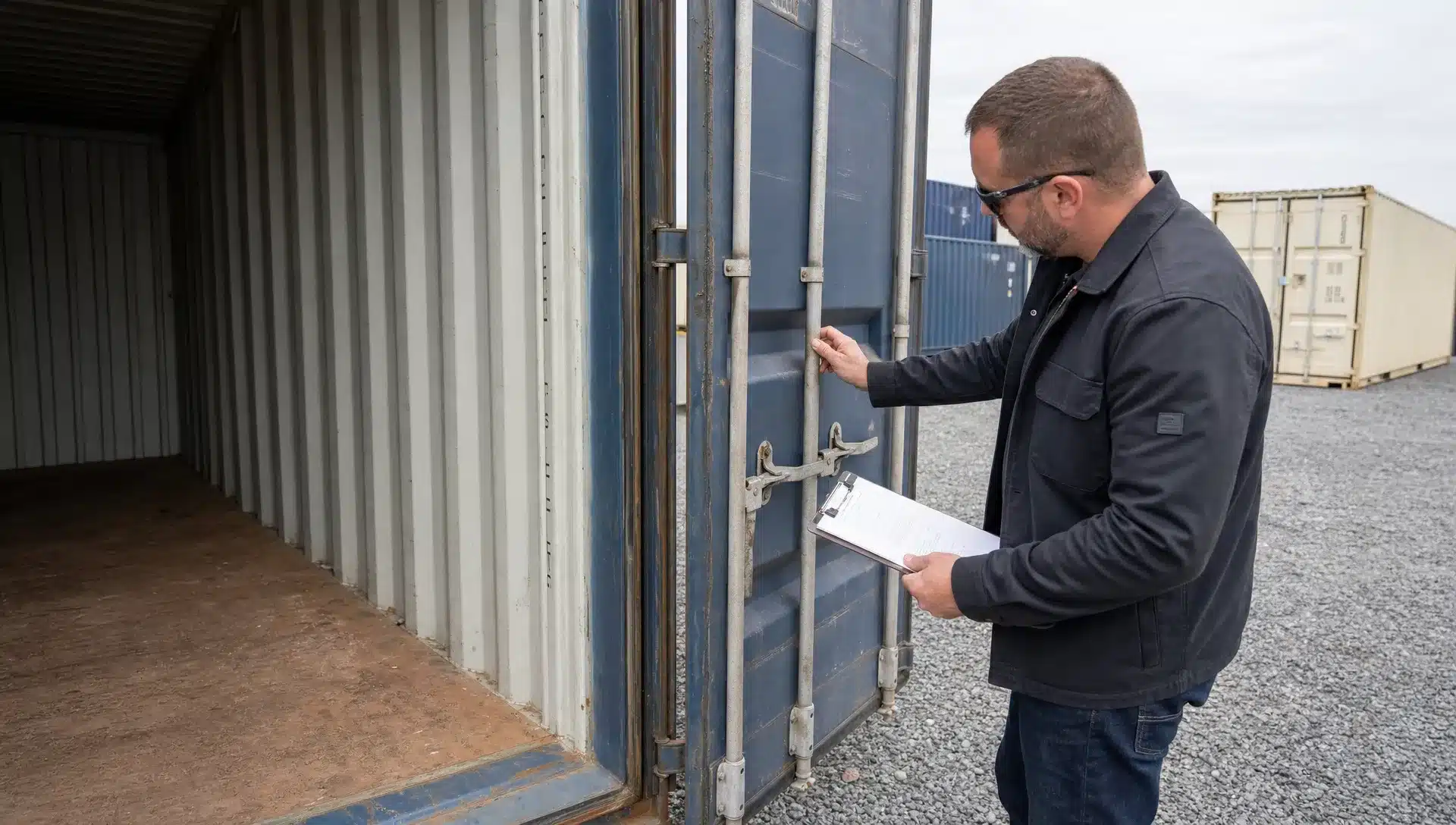
Door condition is equally important. Doors should open and close securely, locking bars should move without extreme force, and rubber gaskets should make contact when closed. A container with great side walls but poorly functioning doors can become frustrating on a jobsite where crews need daily access.
Finally, inspect the floor. Most standard shipping containers have heavy-duty marine-grade plywood flooring supported by steel crossmembers. Look for soft spots, delamination, chemical odor, oil stains, or evidence of water intrusion. For food, retail, office, or residential-adjacent uses, odor and floor cleanliness may matter as much as structural condition.
Compare total delivered cost, not the yard price
A local listing price is only one part of the total cost. Delivery can change the final number substantially, especially if your property is rural, difficult to access, or outside the seller’s standard delivery radius.
A reliable quote should separate the container price, delivery cost, taxes or fees, and any special handling requirements. It should also specify grade, size, height, and whether the quoted unit is One-Trip, Cargo Worthy, or WWT. If the seller cannot clearly explain what is included, it is hard to compare that quote against another local option.
This matters in Raleigh and throughout North Carolina because delivery conditions vary widely. A container going to a paved commercial site near the Triangle may be straightforward. A delivery to a farm lane, wooded lot, or active construction site may require more planning. Across the Southeast, heavy rain, soft soil, tight rural driveways, and overhead tree limbs can all affect whether placement is safe.
When comparing delivered quotes, ask these questions before committing:
- Is the quote for the exact size, height, and grade I requested?
- Is delivery included, or listed separately?
- What type of truck will deliver the container?
- How much straight-line clearance is needed for placement?
- Are there additional fees for difficult access, waiting time, or failed delivery?
- Will I receive photos or a unit number before delivery?
If you are still early in the search process, Lease Lane’s article on how to find shipping containers for sale nearby can help you organize local options before requesting final quotes.
Match the delivery method to your property
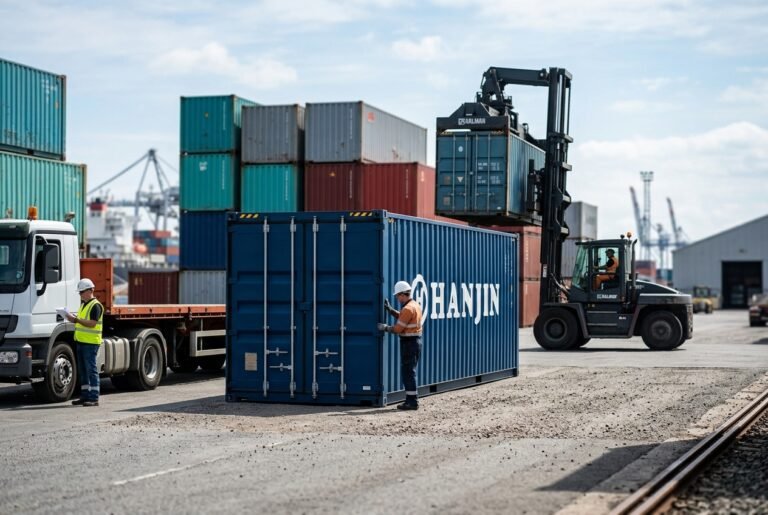
The right container can still become the wrong purchase if it cannot be delivered safely. Most ground-level deliveries use a tilt-bed or rollback-style truck. The driver backs into position, tilts the bed, and slides the container into place. This method is efficient, but it requires clear access, firm ground, and adequate overhead clearance.
A 20ft container usually requires less maneuvering room than a 40ft unit. A 40ft container needs a longer approach and more space for the truck and trailer. If your site has a steep slope, narrow gate, low branches, low utility lines, tight turns, or soft soil, discuss those conditions before scheduling delivery.
Some buyers ask for chassis delivery, where the container remains on a trailer chassis rather than being placed on the ground. That can make sense for temporary logistics operations, but it is different from ground-level storage. Ground-level placement is usually preferred for jobsites, farms, and small businesses because it allows easier loading without a dock.
Pro-Tip: Prepare the site before the truck arrives
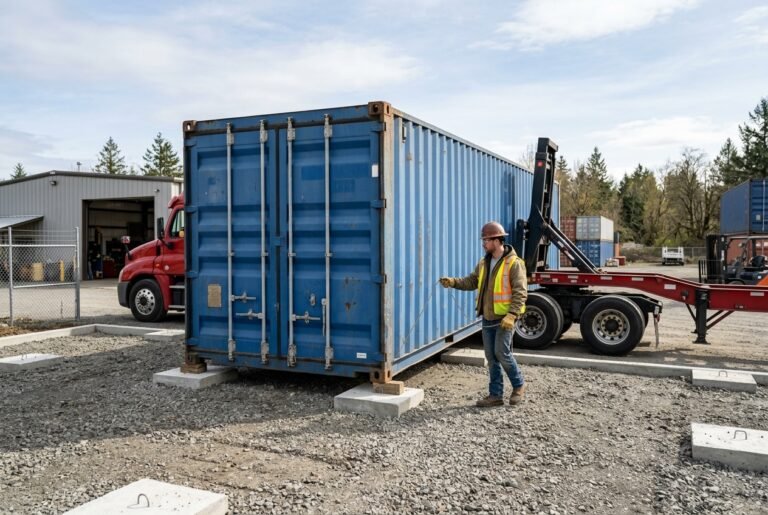
A level, stable pad protects your container and makes the doors easier to operate. Even a strong Corten Steel container can rack slightly if one corner settles lower than the others, which can cause door alignment problems over time.
For most long-term storage placements, a compacted gravel pad is a practical choice because it supports drainage and reduces standing water under the container. Many buyers also use concrete blocks, railroad ties, or concrete footings under the corner points, but those supports must be level and properly positioned. Avoid placing a container directly in a low, muddy area where water collects.
In Raleigh, Wake County, and surrounding North Carolina communities, permit rules can vary depending on zoning, property type, duration of use, and whether the container is temporary storage or part of a modified structure. Homeowners should also check HOA rules. Contractors and developers should verify jobsite requirements before delivery. A quick permit check before purchase is far cheaper than relocating a container after it arrives.
Verify seller transparency and local support
A trustworthy local seller should make the buying process clearer, not more confusing. Look for clear grading language, realistic delivery guidance, written quotes, and a willingness to discuss site conditions. Be cautious with sellers who advertise unusually low prices but cannot explain the grade, provide current photos, or confirm delivery details.
Local support is especially valuable when buying in the Raleigh area because a knowledgeable team can help you think through the drop spot, access route, grade selection, and total delivered cost. For national buyers, the same principle applies: choose a seller that communicates clearly and understands delivery logistics beyond simply listing inventory.
Lease Lane Containers LLC supplies new One-Trip and used shipping containers, including standard, High Cube, and refrigerated options. The company is headquartered in Raleigh, NC and supports buyers locally, across the Southeast, and through nationwide delivery planning.
A practical local comparison checklist
Use this checklist when comparing two or more cargo container quotes. If one quote is missing several of these details, ask for clarification before deciding.
| Comparison point | Why it matters | What a strong answer looks like |
|---|---|---|
| Size and height | Affects capacity and delivery space | Clearly states 20ft, 40ft, standard, or High Cube |
| Grade | Determines suitability and value | Identifies One-Trip, Cargo Worthy, or WWT |
| Exact condition | Prevents surprises at delivery | Provides recent photos or inspection details |
| Delivery method | Determines whether placement is possible | Explains truck type, access needs, and clearance |
| Total delivered price | Reveals true cost | Separates container, delivery, and fees |
| Shipping suitability | Critical for export | Confirms Cargo Worthy status and CSC considerations |
| Site preparation | Reduces door and drainage issues | Discusses level pads, gravel, and support points |
| Seller credibility | Protects your purchase | Provides written quote and clear contact information |
Common mistakes when buying locally
The first mistake is comparing price without comparing grade. A WWT used container and a One-Trip container may both be 40ft units, but they serve different budgets and expectations. The lower price may be right for jobsite storage, while the cleaner One-Trip unit may be better for a customer-facing business or modification project.
The second mistake is underestimating delivery space. A container may physically fit on the property, but the delivery truck also needs room to approach, tilt, unload, and exit. This is especially important in residential neighborhoods, wooded lots, downtown Raleigh sites, and active construction zones.
The third mistake is buying WWT when you actually need Cargo Worthy. If your container will be used for international freight, storage grade is not enough. Ask about Cargo Worthy status, the CSC plate, and carrier requirements before purchase.
The fourth mistake is ignoring drainage. Containers are built for harsh marine environments, but long-term standing water under the floor or on the roof can shorten service life. A simple gravel pad and level placement can prevent many avoidable problems.
Frequently Asked Questions
What should I ask when searching for cargo containers for sale near me? Ask about size, height, grade, exact condition, delivery cost, truck access requirements, and whether the unit is One-Trip, Cargo Worthy, or Wind & Watertight. If you need export shipping, ask specifically about Cargo Worthy status and CSC documentation.
Is Cargo Worthy better than Wind & Watertight? Not always. Cargo Worthy is better if the container must move freight or meet shipping requirements. Wind & Watertight is often the better value for static storage on a jobsite, farm, business property, or residential site.
Are One-Trip containers worth the higher price? They can be worth it when appearance, long service life, easier modification, or cleaner condition matters. If you only need budget-friendly storage, a used WWT unit may be sufficient.
Do I need a permit for a shipping container in Raleigh? It depends on the property, zoning, duration, and intended use. Check with the City of Raleigh, Wake County, or your local authority before delivery. If you are in an HOA, confirm neighborhood rules as well.
Can a 40ft container be delivered to a residential property? Sometimes, but the site must have enough access, turning radius, straight-line unloading space, firm ground, and overhead clearance. A 20ft container is often easier for tight residential deliveries.
What does High Cube mean? A High Cube container is typically 9 ft 6 in tall on the exterior, about one foot taller than a standard container. That extra height is useful for tall equipment, shelving, mobile offices, and modified container projects.
Ready to compare local cargo containers with confidence?
Lease Lane Containers LLC helps buyers compare clean, practical container options for storage, shipping, construction, agriculture, retail, and modular projects. Whether you need a 20ft WWT unit for a Raleigh jobsite, a 40ft High Cube for inventory overflow, a One-Trip container for modification, or a Cargo Worthy unit for transport, the right purchase starts with clear grading and delivery planning.
To discuss availability, delivered pricing, and site preparation, contact the Lease Lane Containers LLC sales team at sales@leaselanecontainers.com or visit the Raleigh office to speak with a local container specialist.