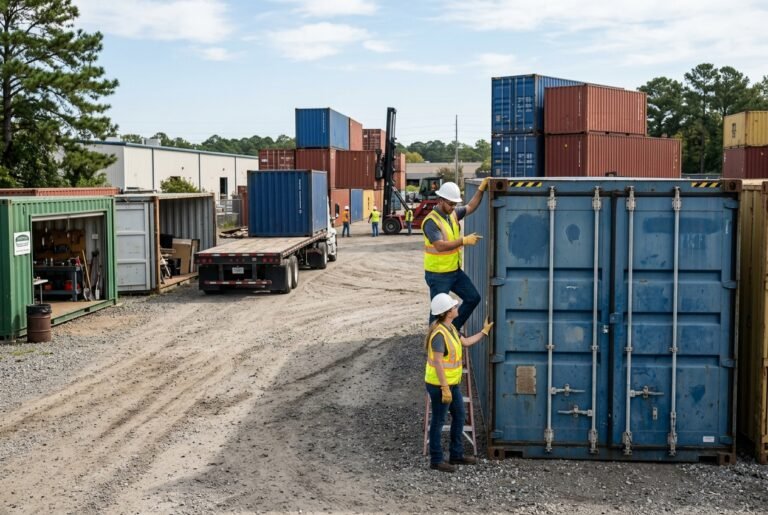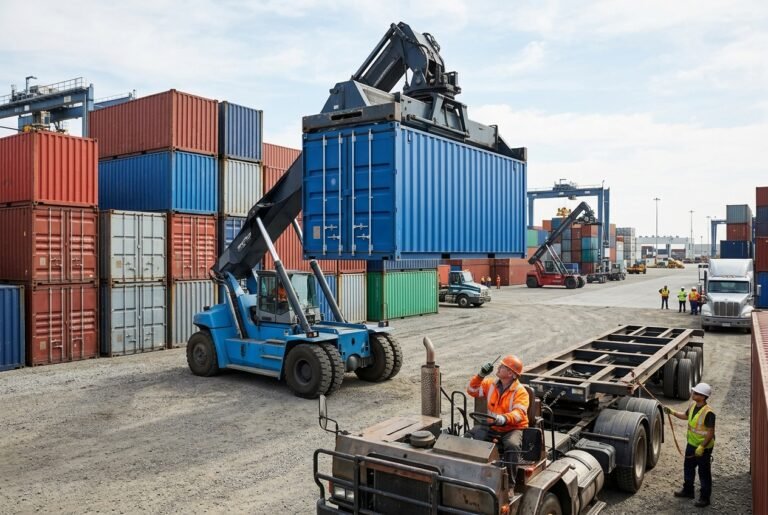
Cargo Worthy Container Review: What Matters
A cargo worthy container review should begin with one practical question: will this unit be used for international transport, stationary storage, or a conversion project? The answer changes what matters most. A container that is fit to move freight can be an excellent value, but it may still show dents, repaired panels, surface rust, and cosmetic wear from years in service.
For contractors, agricultural operators, and property owners, the goal is not to buy the prettiest box. It is to buy the right container grade for the work, with verified specifications, clear pricing, and a delivery plan that does not create problems on site.
What “Cargo Worthy” Actually Means
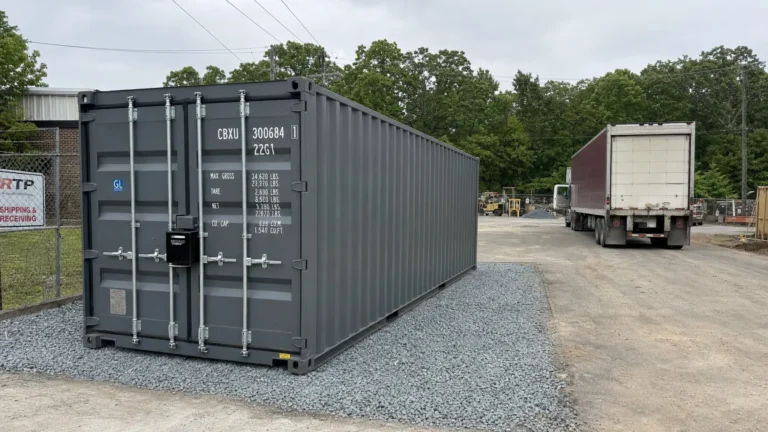
Cargo Worthy, often abbreviated CW, is a condition grade used for containers that are structurally suitable for international shipping. In most cases, the container has passed an inspection associated with the Convention for Safe Containers, or CSC, requirements and carries a valid CSC safety approval plate.
That plate matters because it identifies the unit and documents key safety information, including its maximum gross weight, allowable stacking load, manufacture date, and inspection status. A cargo worthy container is intended to be safe for handling by cranes, chassis, ships, and rail systems when loaded within its rated limits.
Cargo Worthy does not mean new, freshly painted, or free of repairs. These are working freight assets. A used CW container may have visible patches, previous corrosion treatment, forklift marks, dents in the sidewalls, or worn paint. None of those conditions automatically disqualify it from freight service if the structural frame, corner castings, doors, floor, and weather protection meet inspection requirements.
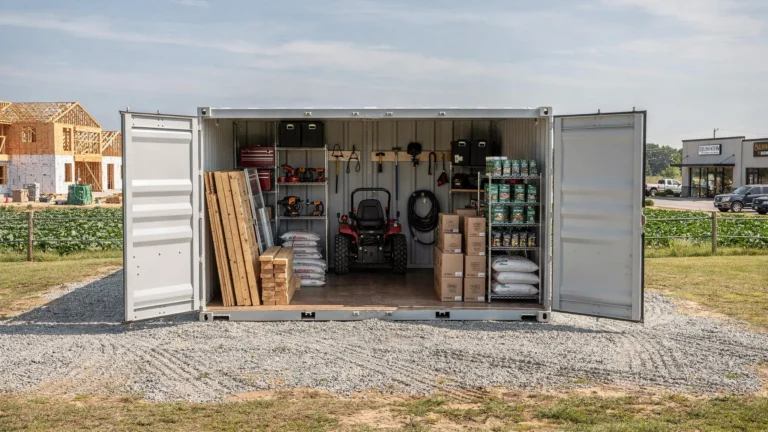
For a buyer who only needs secure ground-level storage, Cargo Worthy can be more capability than necessary. A Wind and Watertight, or WWT, container may cost less and perform very well for storing tools, equipment, feed, inventory, or household belongings. The trade-off is that a WWT unit is not necessarily certified for export transport.
Cargo Worthy Container Review: The Checks That Count
A useful review looks beyond the grade label. Ask for the container number, recent photos of the actual unit when available, and confirmation of the condition being sold. A grade should describe the container, not leave the buyer guessing about what arrives.
Confirm the CSC Plate and Current Status
If your container will enter international freight service, request confirmation that the CSC plate is present and current for your planned shipment. The plate is typically mounted on the left-hand door. It should be readable and match the container identification number.
Do not assume that a container described as “cargo worthy” will meet every shipping line’s documentation or inspection preference indefinitely. Inspection validity, shipping line acceptance, cargo type, destination requirements, and timing can all affect whether a unit is accepted for a particular move. For export use, verify the requirements with your freight forwarder or carrier before purchasing.
If the container is staying on your property, the CSC plate is still a useful indicator of construction and structural history, but it should not be the only reason you choose one unit over another.
Inspect the Structural Frame, Not Just the Walls
The strongest parts of a shipping container are its corner posts, top and bottom rails, cross members, and corner castings. These components transfer lifting and stacking loads. Deep dents in corrugated side panels can look dramatic, but frame damage is usually the more serious concern.
Look for bent corner posts, twisted door-end framing, severe rail corrosion, and evidence that the container is out of square. Doors that are difficult to close can result from normal wear, but they can also indicate a racked frame or an uneven placement surface. A container should sit level on firm support points before door operation is judged.
Corten steel is commonly used in shipping containers because it develops a protective oxide layer when exposed to weather. Surface rust is expected on used units. What deserves closer attention is perforation, flaking metal around structural members, or corrosion that has weakened a rail, floor cross member, or corner area.
Review Doors, Seals, and the Floor
For on-site storage, doors are often the part you use most, so do not treat them as a minor detail. Door panels should close fully, locking bars should turn without excessive force, and cam keepers should engage securely. Worn door gaskets can allow wind-driven rain, dust, and pests to enter, even when the container otherwise appears sound.
Inside, inspect the plywood floor for soft spots, delamination, broken boards, and staining. Freight floors are built to carry substantial loads, but years of use can leave marks from forklifts, cargo residue, and moisture. If you are storing high-value materials, installing shelving, or converting the unit into a workshop, a sound and reasonably level floor reduces future repair work.
Ask whether the floor has been inspected for odors, contamination, or chemical residue if that is relevant to your intended use. This is especially important for food-related storage, sensitive inventory, or any project where people will spend extended time inside the container.
Understand What Repairs Mean
A professionally repaired container can still be a smart purchase. Welded patches, replacement door hardware, repaired flooring, and treated corrosion are common in the container industry. The issue is not whether a repair exists. The issue is whether the repair was completed correctly and whether it affects your use case.
For a job-site storage container, a sound patch on a wall panel may be completely acceptable. For a retail pop-up, office build, or highly visible residential project, the same patch may be a cosmetic compromise you do not want. Buyers planning major modifications should also consider where prior repairs are located, since window, door, and ventilation cutouts may need clean sections of wall.
Choose the Grade Around the Job
A Cargo Worthy container is the right choice when you need to ship cargo internationally, want a structurally dependable used unit, or expect the container to be lifted and repositioned as part of operations. It can also suit long-term storage when structural confidence matters more than appearance.
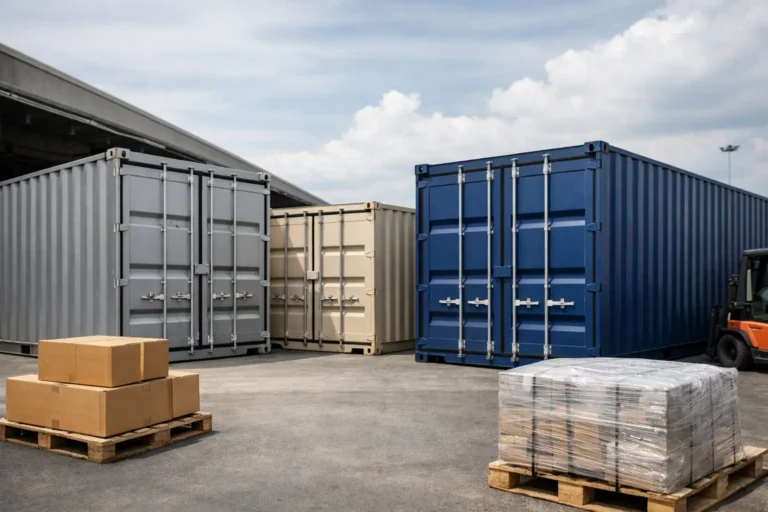
A WWT container is often the practical storage choice for equipment, construction materials, and farm supplies that will remain on one site. It should resist normal weather and keep contents protected, but it is not sold as export-ready. A one-trip container generally offers the cleanest appearance, newer flooring, less exterior wear, and fewer repair concerns. It is often preferred for customer-facing businesses, homes, offices, and modular builds.
There is no universal “best” grade. Paying for a one-trip unit when you need temporary tool storage may not be necessary. Choosing the lowest-cost used unit for a highly visible retail installation can create repainting and repair costs that erase the initial savings.
Delivery Can Change the Value of the Purchase
The container itself is only part of the transaction. Before ordering, confirm the delivery method, truck access, turning room, overhead clearance, ground conditions, and final placement direction. A 40-foot container requires substantially more room to maneuver than a 20-foot unit, and delivery equipment needs space beyond the container’s footprint.
Tilt-bed delivery is common for ground-level placement, but it requires a clear path for the truck and the container as it slides off. Trees, power lines, soft ground, narrow gates, parked vehicles, and steep grades can turn a straightforward drop-off into a failed delivery or an added equipment charge.
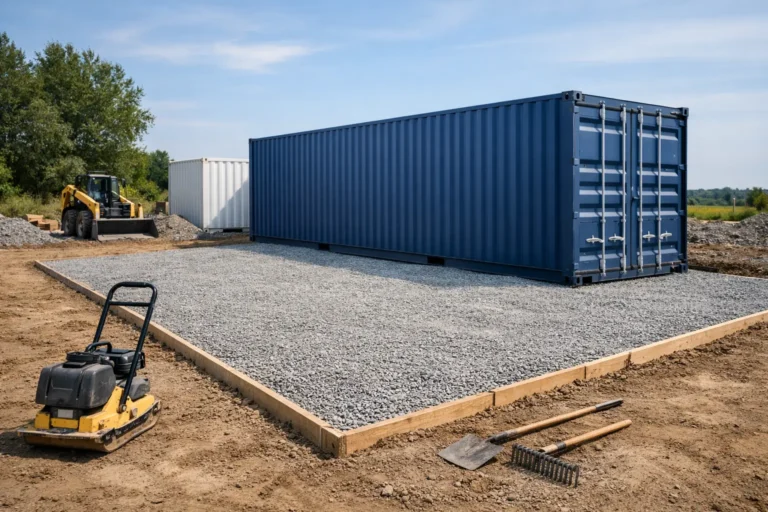
Prepare a firm, level base before the truck arrives. Gravel pads, concrete pads, and properly placed support blocks can work depending on the site and intended use. The key is supporting the container at its corner castings and preventing long-term twisting. A container placed unevenly may develop door alignment issues even when it was operating properly at delivery.
For buyers in Raleigh, the Research Triangle, or more remote Southeast locations, local access conditions often matter as much as mileage. Nationwide deliveries require the same planning discipline: provide accurate site photos, dimensions, and access details before scheduling. Clear delivery planning is how you avoid surprises after the container is already on the truck.
Questions Worth Asking Before You Approve the Order
Ask for the exact size and height, including whether the unit is standard height or high cube. Confirm whether the quoted price includes delivery, taxes, unloading method, and any applicable site restrictions. If a Cargo Worthy rating is central to your purchase, ask how that status was verified and whether documentation is available.
It is also reasonable to ask about visible repairs, floor condition, door operation, and the expected exterior appearance. A transparent seller should explain the difference between normal used-container wear and a condition issue that could affect performance. Lease Lane Containers approaches grading this way because a buyer who understands the unit before delivery is less likely to face avoidable costs later.
The right container is the one whose condition, dimensions, and delivery plan match the job in front of you. Verify the grade, prepare the site, and treat the condition report as part of the purchase – not an afterthought.