How to Find Freight Containers for Sale Locally
Searching for freight containers for sale near me can seem simple at first: find a nearby listing, compare the price, and schedule delivery. In practice, the best local purchase depends on details that are easy to overlook, including container grade, delivery access, site preparation, seller credibility, and whether the unit is suitable for storage, construction, agriculture, retail, or actual freight movement.
For buyers in Raleigh, across North Carolina, and throughout the Southeast, local availability matters. A container that is physically close may reduce delivery time, but the nearest listing is not always the best value. The goal is to find a clean, structurally sound ISO container from a seller who can explain the condition clearly, price the unit transparently, and help you plan the drop site before the truck arrives.
This guide walks through how to find freight containers locally without overpaying, buying the wrong grade, or getting surprised by delivery conditions.
What counts as a local freight container seller?
A local freight container seller is not always a company with a yard five minutes away. In the container industry, inventory often moves between ports, rail yards, depots, and regional delivery routes. For a Raleigh buyer, a strong local option may include a North Carolina supplier, a Southeast regional depot, or a nationwide container company with reliable delivery into your area.
That is why you should compare sellers by delivered value, not just distance. A container 20 miles away with unclear grading, no delivery coordination, and limited photos may be riskier than a container coming from a regional depot with transparent condition standards and a professional delivery plan.
A good local supplier should be able to answer practical questions before you commit: What size is available? Is the unit One-Trip, Cargo Worthy, or Wind and Watertight? Are photos of the actual unit available? What type of truck will deliver it? What does the site need to look like on delivery day?
Start with the job the container needs to do
Before calling sellers, define the container’s purpose. Freight containers are built from durable Corten Steel and designed around ISO standards for intermodal transport, but not every container grade is meant for the same use after years in service.
A general contractor storing tools on a jobsite in Raleigh may need a secure Wind and Watertight unit with easy ground-level access. A logistics manager planning international transport should focus on Cargo Worthy units and documentation. A small business owner building a pop-up retail space may want a cleaner One-Trip container, especially if the exterior appearance matters.
Here is a simple way to match common needs to container types:
| Buyer need | Common fit | What to prioritize |
|---|---|---|
| Jobsite tool and material storage | 20ft or 40ft WWT container | Door function, no leaks, secure flooring |
| Long-term property storage | 20ft or 40ft WWT or One-Trip | Clean interior, roof condition, ventilation options |
| Export or freight movement | Cargo Worthy container | Structural integrity, CSC plate status, inspection readiness |
| Retail, office, or modular conversion | One-Trip or clean used container | Exterior appearance, straight walls, low corrosion |
| More vertical storage space | High Cube container | 9ft 6in exterior height, delivery clearance |
| Temperature-sensitive goods | Reefer container | Refrigeration system condition and power requirements |
For many local buyers, the size decision comes down to available space and intended use. A 20ft unit is easier to place on residential, farm, and tight commercial sites, while a 40ft unit offers far more capacity for construction materials, inventory, and equipment. If you are still narrowing down a compact option, Lease Lane Containers has more guidance on shopping for a 20ft shipping container for sale near you.
Understand container grades before comparing prices
Container grade is one of the biggest reasons local listings vary in price. Two containers may both be 40ft units, but they can differ significantly in age, appearance, structural condition, and suitability for shipping.
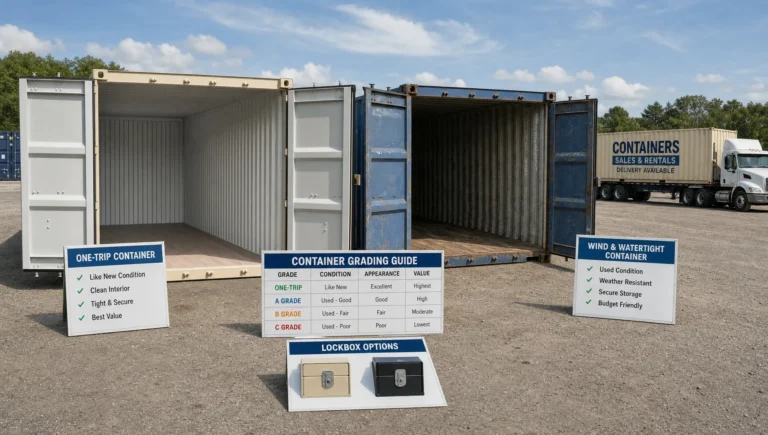
The three grades most buyers should understand are One-Trip, Cargo Worthy, and Wind and Watertight.
One-Trip containers
A One-Trip container is typically the newest option available in the resale market. These units are manufactured overseas, loaded with cargo once, and shipped to the United States. They are not brand-new in the sense of never being handled, but they usually have minimal dents, newer paint, cleaner floors, and stronger curb appeal.
One-Trip containers are often preferred for retail conversions, mobile offices, residential storage, and customers who want the cleanest possible starting point. They are built with Corten Steel, which forms a protective oxide layer that helps the container resist weathering, though it still needs proper drainage and maintenance.
Cargo Worthy containers
A Cargo Worthy container is a used container that remains structurally suitable for transporting cargo. This grade matters most if the unit will be used for freight, export, or intermodal movement. Cargo Worthy containers should be inspected for structural integrity, including corner castings, crossmembers, floors, doors, side walls, and roof condition.
If you plan to ship internationally, ask the seller about CSC plate status and whether the unit can be certified for your intended route. Cargo Worthy does not necessarily mean cosmetically clean. It means the container is strong enough for cargo service when properly inspected and approved.
Wind and Watertight containers
Wind and Watertight, often written as WWT, is a common grade for storage buyers. A WWT container should keep out wind and rain under normal conditions. Doors should close, seals should perform, and the roof should not leak. However, WWT does not automatically mean the container is approved for ocean freight.
For homeowners, farmers, contractors, and many small businesses, WWT can be an excellent value. The key is to confirm that the container is structurally sound enough for your use and that cosmetic wear does not hide more serious issues.
Build a shortlist of reputable local sellers
Once you know the size and grade you need, compare local sellers based on clarity, not just price. Reliable container suppliers should be comfortable explaining their grading process, delivery requirements, and what is included in the quote.
A strong seller should provide:
- A clear description of size, height, and grade
- Delivered pricing or a transparent delivery estimate
- Photos of the actual unit or representative units with honest condition notes
- Information about door operation, roof condition, floors, and visible corrosion
- Guidance on site access, truck clearance, and drop placement
- A written invoice or purchase agreement before payment
Be cautious with listings that show only generic stock photos, unusually low prices, vague condition language, or pressure to send payment before basic details are confirmed. Local container scams often rely on urgency and incomplete information.
For a deeper inspection-oriented checklist, use this guide on what buyers should check when comparing freight containers for sale.
Compare the total delivered price
The advertised container price is only part of the purchase. Local buyers should compare the total delivered cost, including the container, delivery, taxes if applicable, placement requirements, and any requested modifications.
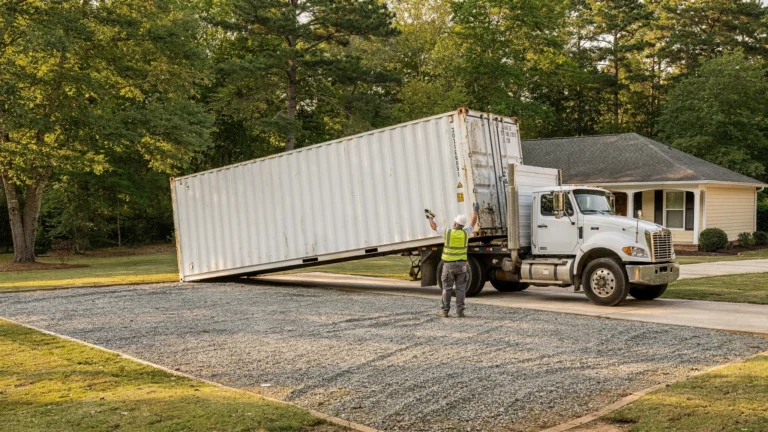
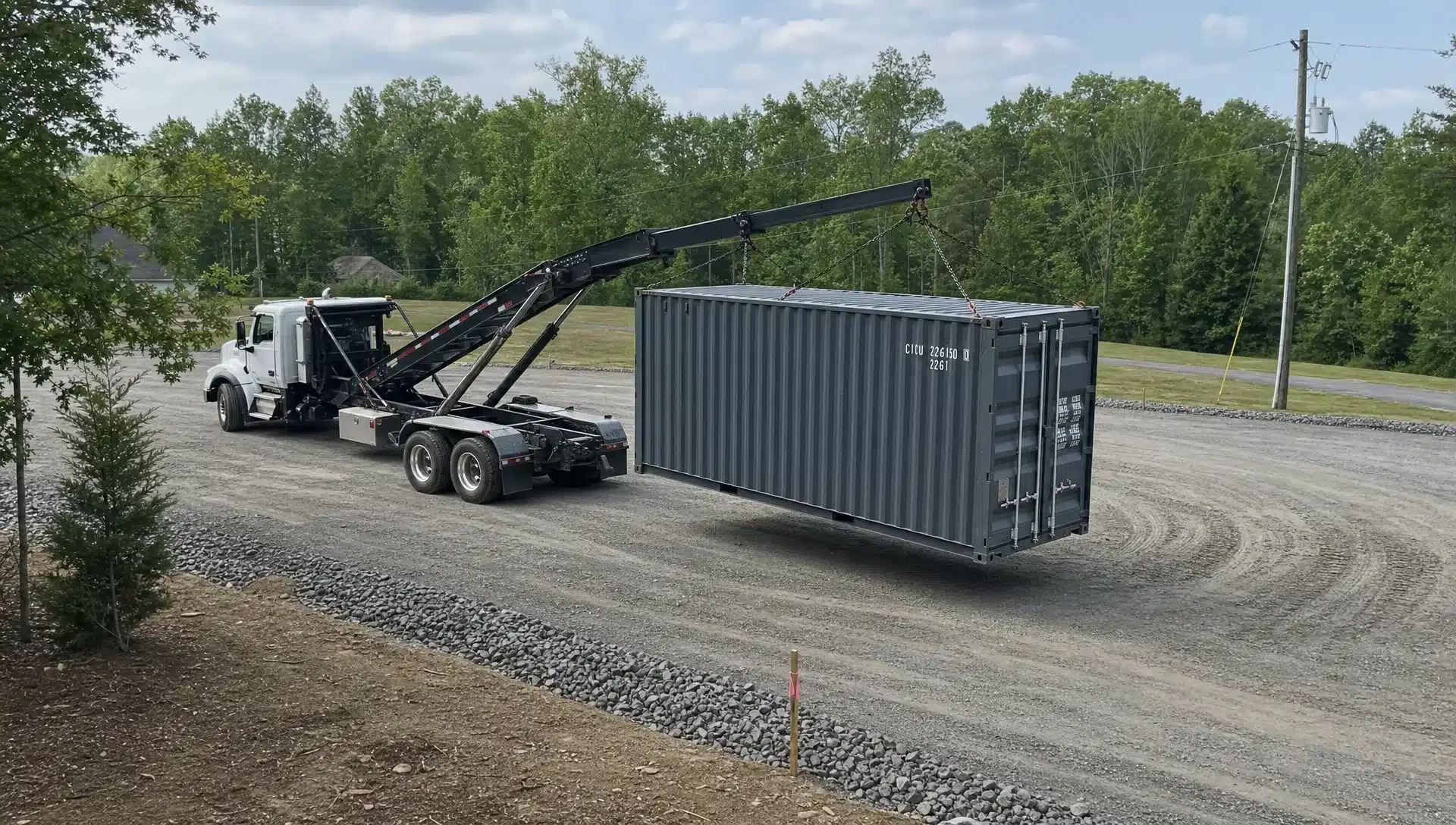
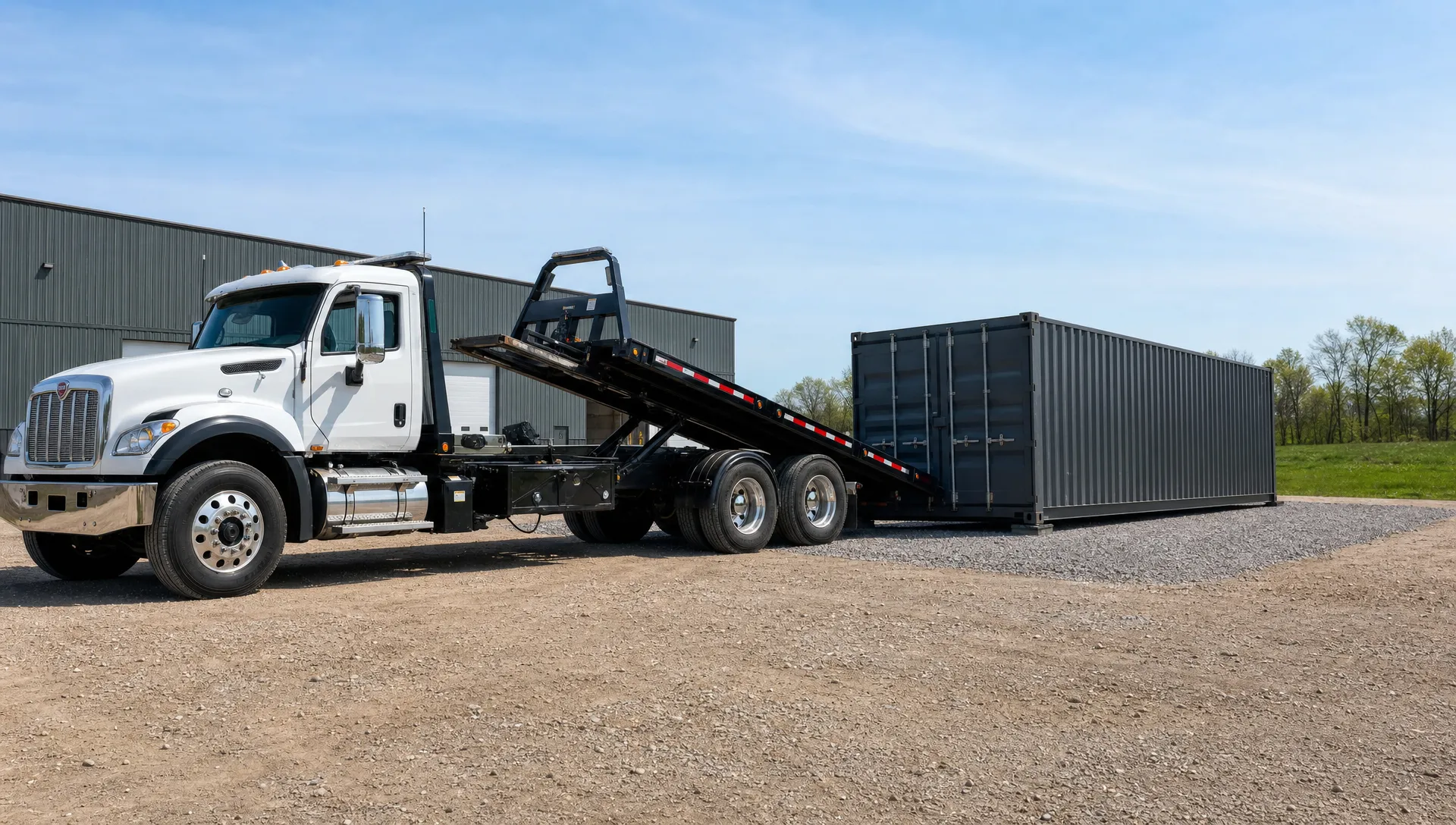
Delivery can vary based on distance, route access, truck type, and whether the driver can safely place the container where you want it. A property with a wide gravel driveway and open turning area is usually simpler than a tight urban lot, sloped farm lane, or active construction site with overhead lines.
In Raleigh and the surrounding Triangle area, buyers should also consider traffic access, neighborhood restrictions, and whether the delivery truck can enter and exit without damaging pavement, landscaping, or adjacent property.
Inspect the container like a local professional
If you can inspect the container in person, bring a flashlight, gloves, and enough time to check more than the exterior paint. If the seller provides photos instead, ask for clear images of the roof, floor, door gaskets, lower rails, corner posts, and container identification markings.
Start with the roof. Small dents are common, but large depressions can hold water and accelerate corrosion. Look along the side walls for severe bowing, punctures, or repairs that may affect strength. Check the lower side rails and bottom edges carefully, especially in humid Southeast conditions where standing water and poor drainage can worsen rust.
The doors deserve special attention. Container doors are heavy, and they must close properly to protect stored goods. Check hinges, locking rods, cams, keepers, and rubber gaskets. Doors that are difficult to operate may signal racking, frame distortion, or neglected hardware.
Inside the container, inspect the floor for soft spots, delamination, chemical odors, oil staining, or visible holes. Marine-grade plywood floors are common in ISO containers, and they should feel solid underfoot. For storage uses, small stains may not matter. For retail, office, or agricultural applications, cleanliness may be more important.
If you are considering pre-owned inventory, it is worth reviewing common mistakes buyers make with used freight containers for sale before choosing the lowest local offer.
Pro-Tip: prepare your site before delivery day
The best local container purchase can still become frustrating if the drop site is not ready. Site preparation should start before you finalize the order, not after the truck is already on the way.
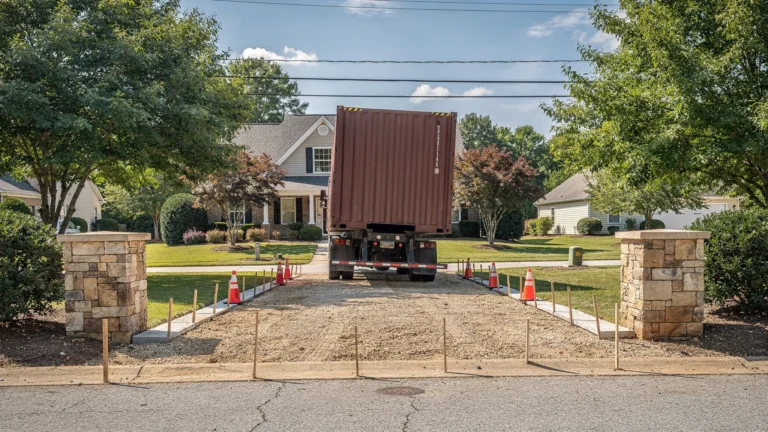
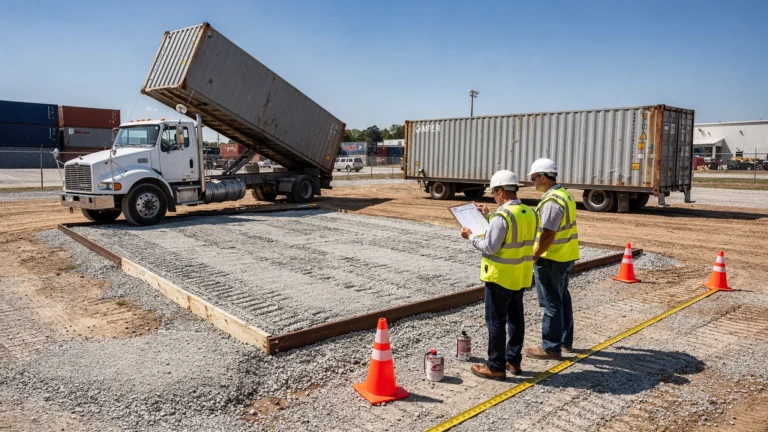
A container should sit on a level, stable surface with good drainage. Gravel pads are a practical choice for many North Carolina properties because they help reduce standing water under the steel frame. Concrete pads, compacted stone, railroad ties, or properly placed blocking can also work depending on the site and local requirements.
Avoid placing a container directly on soft soil, low areas that collect rainwater, or uneven ground that twists the frame. If the frame racks over time, doors may become harder to open and close. For 40ft containers and High Cube units, pay extra attention to overhead clearance from trees, utility lines, building eaves, and gates.
Before delivery, confirm these details with your seller or hauler:
- The exact drop location and container door direction
- Driveway width, turning room, and surface strength
- Overhead clearance for the truck and container
- Whether the truck needs straight-line space to unload safely
- Any HOA, zoning, municipal, or jobsite access restrictions
Permit rules vary by city, county, property type, and intended use. In Raleigh and nearby communities, temporary construction storage may be treated differently from long-term residential storage or a modified commercial structure. Always check local requirements before installation, especially if the container will remain on-site for an extended period or be converted into occupied space.
Think locally, but verify nationally recognized standards
Buying locally should not mean lowering your standards. Freight containers are standardized for a reason. ISO dimensions, corner castings, Corten Steel construction, and grade terminology help buyers compare units across sellers and regions.
A standard 20ft container is generally 8ft wide and 8ft 6in high on the exterior. A standard 40ft container has the same width and standard exterior height, while a 40ft High Cube adds one extra foot of height for a 9ft 6in exterior height. High Cube containers are popular for storage, modular conversions, and equipment that needs additional vertical clearance.
Regional conditions still matter. In the Southeast, humidity, heavy rain, red clay soils, and storm exposure make drainage and roof condition especially important. In coastal areas, salt air can accelerate corrosion. In colder regions, freeze-thaw cycles can affect pads and blocking. A qualified seller should understand both the national container standards and the local delivery environment.
Lease Lane Containers is headquartered in Raleigh, NC, and supports buyers looking for new One-Trip units, used containers, trailers, refrigerated options, and custom modular solutions with delivery beyond the local market. That combination of local knowledge and broader delivery capability is valuable when nearby inventory is limited or a specific grade is required.
Red flags when shopping local listings
Local marketplaces can be useful, but they also attract unreliable sellers. The lowest price is often not the safest deal, especially when the listing does not define the grade or delivery terms.
Watch for these warning signs:
- No clear distinction between One-Trip, Cargo Worthy, and WWT
- Refusal to provide recent photos or condition details
- No explanation of delivery equipment or site requirements
- Prices that exclude delivery but are presented as final
- Seller cannot explain CSC plates, ISO standards, or basic container dimensions
- Payment pressure before receiving an invoice or written confirmation
A trustworthy seller does not need to oversell. They should help you understand tradeoffs. For example, a WWT used container may be the right practical choice for jobsite storage, while a One-Trip High Cube may be a better fit for a customer planning a clean modular build.
Frequently Asked Questions
What is the best way to find freight containers for sale near me? Start by identifying the size, grade, and use case you need, then compare reputable local and regional sellers by total delivered cost. Look for transparent grading, clear delivery guidance, and photos or inspection details before sending payment.
Is a local container always cheaper than one delivered from farther away? Not always. A nearby unit may have a lower delivery charge, but it may not be the right grade or condition. Compare the total delivered price, including delivery reliability, condition, and seller support.
What grade should I buy for storage on my property? Wind and Watertight is often a practical choice for general storage because it should keep out normal wind and rain. If appearance, cleanliness, or long-term conversion potential matters, a One-Trip container may be worth the higher upfront cost.
Do I need a Cargo Worthy container for jobsite storage? Usually no. Cargo Worthy is important when the container will carry freight or may need certification for transport. For static jobsite storage, a solid WWT unit is often sufficient, provided the doors, roof, floor, and frame are in good condition.
Should I choose a 20ft or 40ft freight container? Choose a 20ft container for tighter sites, residential storage, small business inventory, or easier placement. Choose a 40ft container when you need more capacity for equipment, construction materials, or bulk storage and have enough delivery space.
Ready to find the right local freight container?
If you are comparing freight containers in Raleigh, across North Carolina, or anywhere in the Southeast, Lease Lane Containers LLC can help you choose the right size, understand container grades, and plan a practical delivery setup. Our team works with buyers seeking One-Trip, Cargo Worthy, Wind and Watertight, High Cube, reefer, and used container options.
To discuss availability, delivered pricing, and site preparation, contact the sales team at sales@leaselanecontainers.com or visit the Raleigh office to speak with a local container specialist.