Container Office vs Portable Building: Key Differences
A project superintendent needs an office on-site before the next subcontractor meeting. A farm operator needs a secure place for records, tools, and a break area. In both cases, the container office vs portable building decision affects more than appearance. It determines how the unit travels, what it can withstand, how it is secured, and what site preparation is required before delivery.
A shipping container office and a portable building can both provide functional workspace quickly. The right choice depends on whether your priority is steel security, a finished office environment, long-term durability, simple relocation, or all of the above. The details matter because a unit that looks less expensive at the outset may require additional site work, upgrades, or maintenance later.
Container Office vs Portable Building: The Core Difference
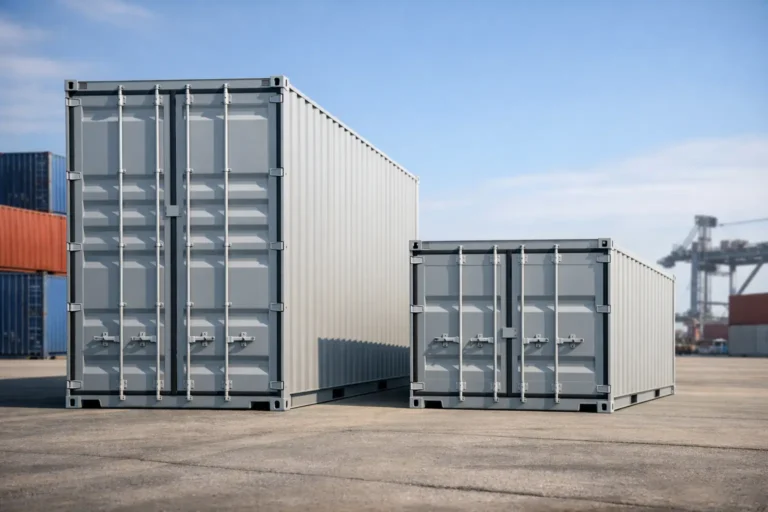
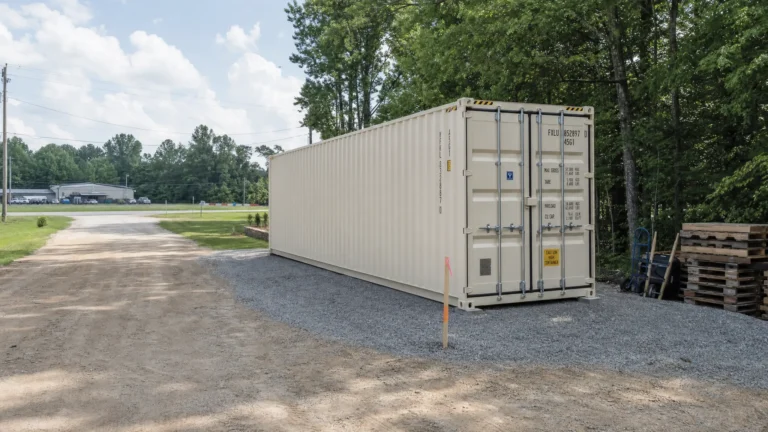
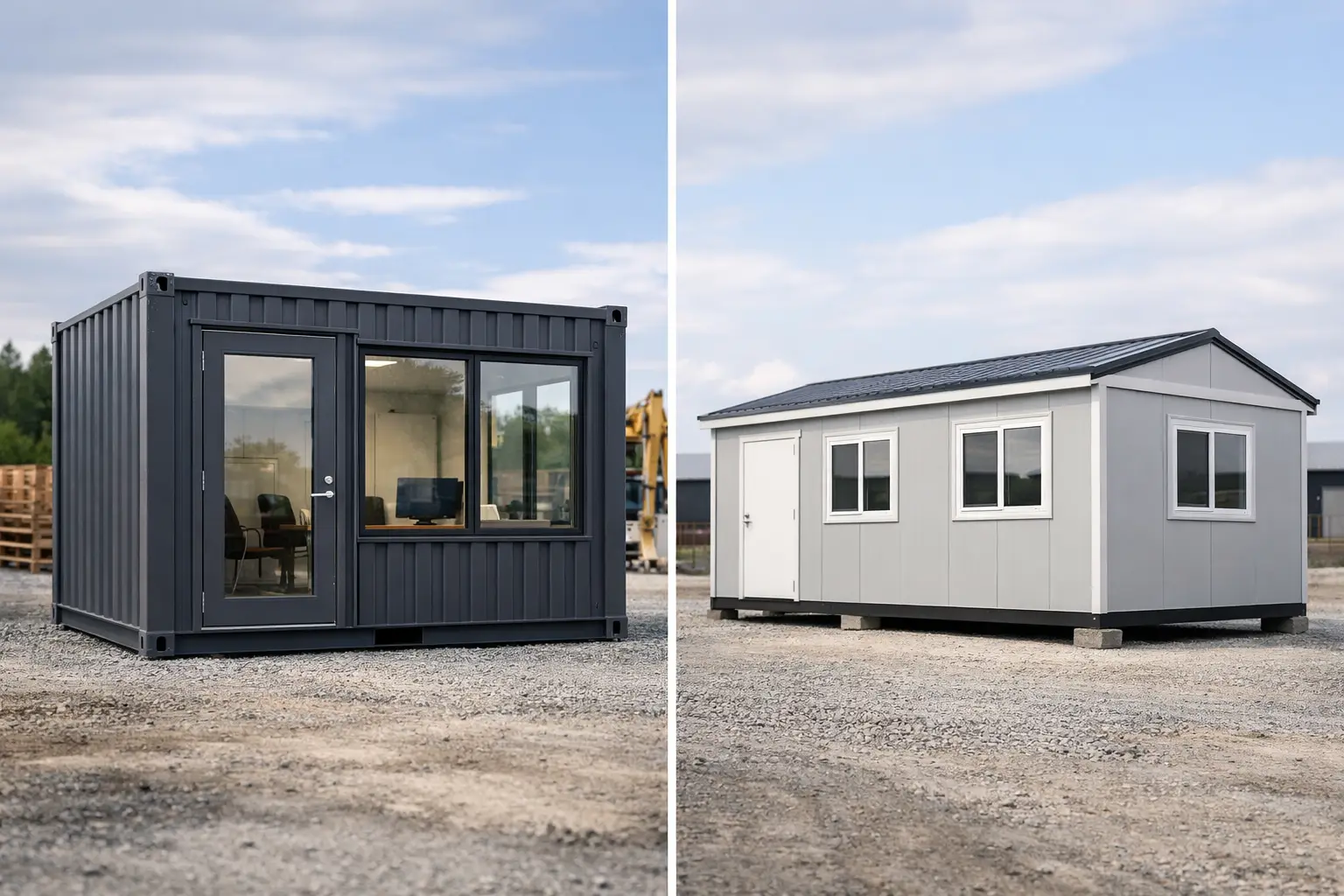
A container office starts with an ISO shipping container, typically a 20-foot or 40-foot unit built from Corten steel. It is then modified with personnel doors, windows, insulation, electrical service, lighting, HVAC, interior wall finishes, and other office features. The original container frame, corner castings, and steel walls remain the structural shell.
A portable building is a broad category. It may be a wood-framed office, a steel-framed modular unit, a job-site trailer, or a prefabricated building transported on skids, a chassis, or a flatbed. Quality varies significantly by manufacturer and construction method. Some are well-equipped commercial office units; others are intended for lighter-duty or temporary use.
That distinction drives most of the practical differences. A container office is adapted from a structure designed for ocean freight, stacking, and repeated handling. A portable building is usually designed primarily for occupancy, which can mean a more conventional interior layout but less inherent resistance to forced entry or rough handling.
Security and Structural Strength
For contractors storing plans, laptops, tools, and controlled-access materials, security is often the deciding factor. The steel shell of a container office provides a substantial physical barrier. A Cargo Worthy or Wind and Watertight container starts with a frame and exterior intended to protect freight from weather. With a steel personnel door, lockbox, and window security measures, it can perform well on an unattended job site.
Portable buildings can be secured, but their walls, doors, windows, and undercarriage should be evaluated closely. A standard wood-framed portable office may be adequate in a managed commercial yard. On a remote site with expensive equipment and limited oversight, additional locks, shutters, alarm systems, or fencing may be necessary.
Structural strength also affects relocation. Containers are engineered around standardized ISO corner castings, allowing them to be lifted by appropriate equipment and transported repeatedly. A portable building can be moved as well, but frequent relocation may place more stress on siding, roofing, utility connections, and framing. Ask the supplier whether the unit is built for one delivery and long-term placement or for regular moves between job sites.
Layout and Day-to-Day Comfort
Portable buildings often have the advantage when the office must feel like a traditional finished workspace on day one. They may offer wider interiors, standard wall construction, multiple rooms, restrooms, and conventional door placement. For a sales office, classroom, or staffed field office, that layout can be valuable.
A container office has a narrower footprint. A standard container is about 8 feet wide externally, and interior finishes reduce usable width further. A 20-foot unit works well for a compact site office, dispatch point, guard station, or single-user workspace. A 40-foot unit offers more room for desks, shelving, a small meeting area, or divided office and storage space.
The container format becomes more flexible when the project supports custom work. Units can be fitted with multiple windows, roll-up doors, partitions, electrical panels, insulation packages, and HVAC. Multiple containers can also be arranged into larger modular configurations. However, every major wall opening requires proper reinforcement. Cutting steel without accounting for structural loads is not a shortcut worth taking.
Comfort depends heavily on the build specification, not just the shell. In the Southeast, an office with insufficient insulation or undersized HVAC can become difficult to use during summer heat. Specify insulation type, interior wall finish, electrical capacity, HVAC sizing, and ventilation before comparing quotes. A lower price that excludes those items is not a like-for-like comparison.
Delivery, Access, and Site Preparation
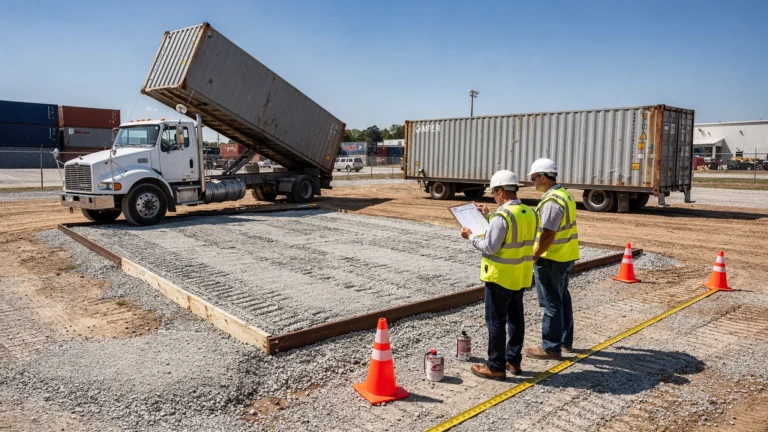
Both options require a realistic delivery plan. Containers are commonly delivered by tilt-bed truck or ground-level delivery equipment. The driver needs adequate approach space, clear overhead height, and firm, level ground. A 40-foot container requires more turning room than many first-time buyers expect.
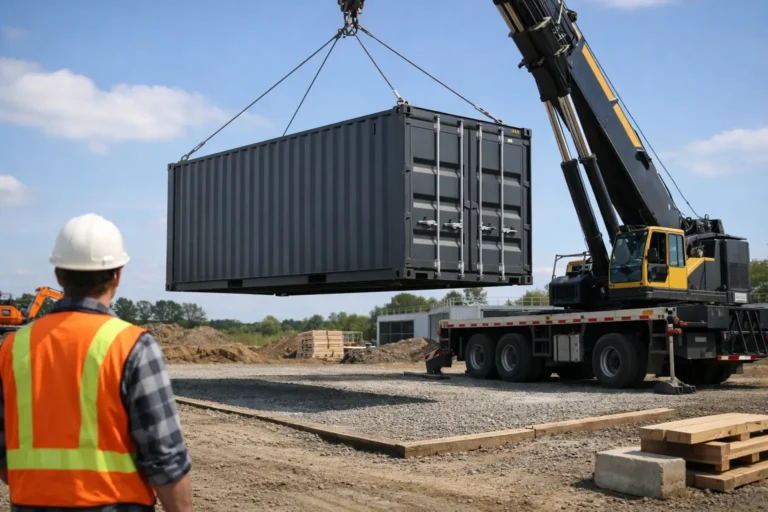
Portable buildings may arrive on a trailer, be set with a forklift or crane, or be delivered on their own chassis. That can simplify certain placements, but it does not remove the need for access planning. Low branches, soft soil, narrow gates, overhead utilities, and sharp turns can delay either type of delivery.
For either unit, the site should be level, stable, and designed to drain water away from the structure. Gravel pads, compacted stone, concrete piers, railroad ties, or engineered foundations may be appropriate depending on the soil, local code, and intended use. The goal is to support the unit without allowing one corner to settle. Uneven support can affect doors, windows, drainage, and long-term performance.
A container should generally be supported at its corner castings and, when site conditions call for it, with additional support along the length. A portable building supplier may have specific foundation requirements tied to its warranty. Get those requirements in writing before site work begins.
Cost: Compare the Complete Installed Price
The purchase price alone does not answer the container office vs portable building question. A used container can be an economical starting point, especially when the office will share space with secure storage. But a converted office needs doors, windows, insulation, electrical work, HVAC, interior finishing, and delivery. A new one-trip container may have a cleaner exterior and fewer cosmetic concerns, while a used Wind and Watertight unit may be the practical choice for a working job site.
A portable building may arrive more fully finished, which can make its quoted price easier to understand. Still, verify what is included. Delivery, blocking or anchoring, steps, ramps, utility connections, permits, skirting, and sales tax can materially change the installed cost.
When reviewing proposals, compare these items directly:
- Unit dimensions and usable interior space
- Condition or construction specification, including container grade where applicable
- Doors, windows, locks, insulation, HVAC, and electrical capacity
- Delivery method, placement limits, and any equipment required on-site
- Foundation, anchoring, permits, utility hookups, and lead time
Clear pricing means knowing which of these items are included and which remain the buyer’s responsibility. No fine print, no surprises is especially valuable when a project schedule depends on the unit arriving ready to use.
When a Container Office Is the Better Fit
A container office is usually the stronger choice when security, durability, and transportability are central requirements. It is well suited to construction sites, industrial yards, agricultural operations, equipment compounds, and remote properties where a steel exterior and lockable storage capability matter.
It can also make sense for buyers who expect the unit to serve more than one role over time. A 40-foot office container may support a project team now, then become inventory storage, a workshop shell, or a secure field office at another location later. The standardized container footprint is an advantage for companies that already use freight and site logistics equipment.
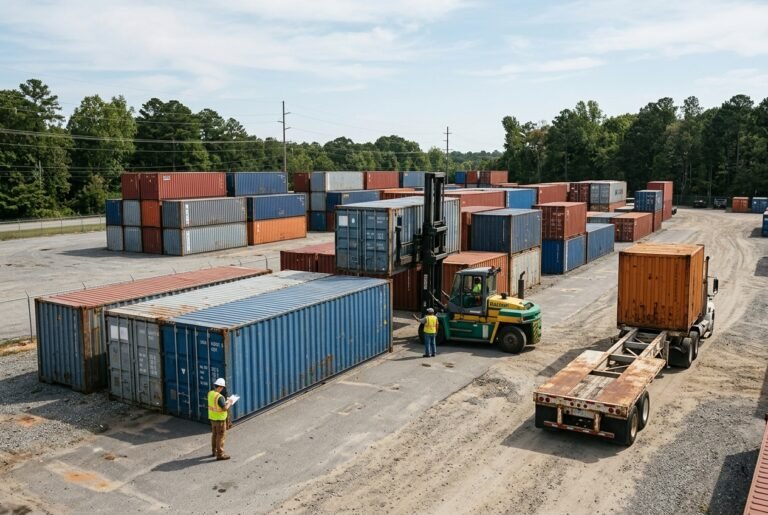
Condition should match the application. A refurbished or one-trip container can be appropriate where appearance is customer-facing. A properly inspected used unit may be a cost-effective option where function and weather protection matter more than exterior paint consistency. The critical point is to confirm the grade rather than relying on a vague description such as “good condition.”
When a Portable Building Is the Better Fit
A portable building is often the better option when a conventional office layout, wider rooms, restroom facilities, or a polished interior is the immediate priority. It may be preferable for a leasing office, temporary classroom, retail support space, or staffed administrative office where employees and visitors will spend full workdays inside.
It can also be a sound choice when local requirements favor a building system with documented occupancy features, or when the supplier offers a turnkey installation that fits the project schedule. Do not assume every portable building is interchangeable, though. Review wind ratings, roof construction, floor capacity, door hardware, electrical certification, and anchoring requirements before committing.
Make the Decision Before Delivery Is Scheduled
The best unit is the one that fits the work, the site, and the next phase of the project. Start with a simple site review: measure the access route, identify overhead obstructions, confirm the foundation plan, and decide what the office must contain on its first day of use. Then request verified specifications instead of relying on broad labels or a single starting price.
For buyers who need steel security and clear container grading, Lease Lane Containers LLC can help identify an appropriate container condition and delivery method. For any office solution, the most useful next step is to match the unit specification to the realities of your site before the truck is dispatched.