How to Choose the Right Reefer Container for Sale
A reefer container can be one of the most valuable pieces of cold storage equipment you buy, but only if the unit matches your product, power source, delivery site, and long-term operating needs. For restaurants, farms, food distributors, florists, breweries, event companies, and logistics teams in Raleigh, North Carolina and across the Southeast, the right refrigerated container can protect inventory and keep operations moving when warehouse space is limited.
The key is to evaluate more than the listing price. A quality reefer container for sale should be judged by its size, temperature capability, refrigeration machinery, container grade, power requirements, delivery plan, and verified testing. A low-cost unit that cannot hold temperature, needs electrical upgrades you did not budget for, or cannot be placed on your site is rarely a bargain.
What Makes a Reefer Container Different From a Standard Container?
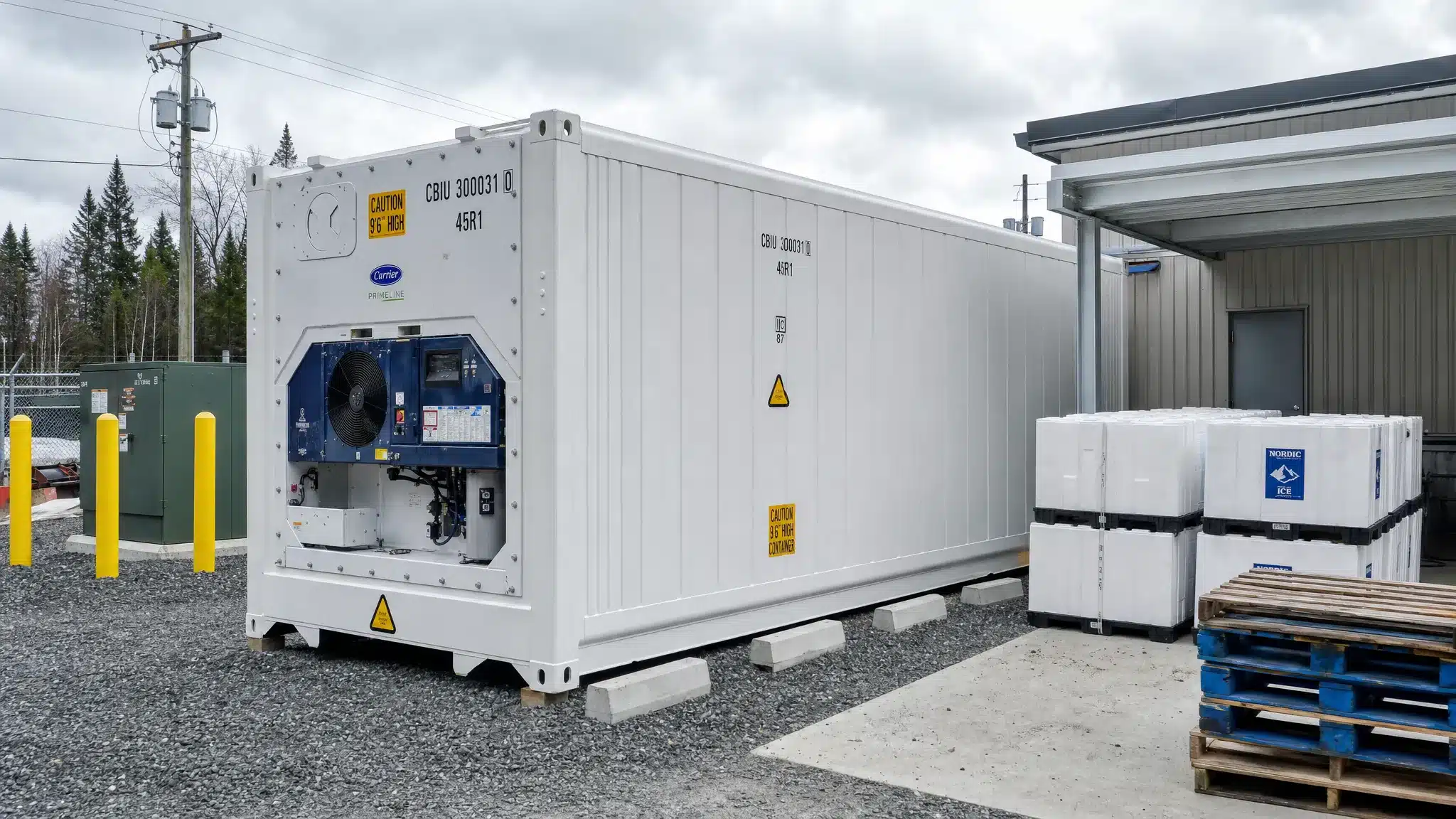
A reefer, short for refrigerated container, is an insulated ISO shipping container with an integrated refrigeration unit. Unlike a standard dry container, a reefer is built to help maintain a controlled internal temperature for chilled, frozen, or climate-sensitive goods.
Most reefers still use core shipping container construction principles, including Corten Steel exterior components, ISO corner castings, steel frame rails, and standardized dimensions for intermodal handling. The difference is that the insulated walls, machinery end, airflow channels, drains, and T-bar flooring reduce usable interior space compared with a dry container.
That distinction matters. If you are comparing a 40ft dry container to a 40ft reefer, do not assume the same interior capacity. The refrigeration unit occupies space at one end, and the insulated wall system narrows the inside footprint.
Start With the Use Case, Not the Price
Before shopping listings, define exactly what the container must do. A farm storing produce near Raleigh has different needs than a logistics manager staging frozen product for regional transport. A florist may need controlled cool storage, while a seafood distributor may need a unit that can reliably maintain deep-freeze conditions.
Ask these questions first:
- What product will be stored, and what temperature range does it require?
- Will the container be used for stationary storage, transport, or both?
- How often will the doors be opened each day?
- Will you load pallets, carts, bins, or loose product?
- Do you have compatible electrical service on site?
- Is the container needed for a few months, several years, or permanent operations?
For food-related uses, temperature control is only one part of compliance. Buyers should also consider sanitation, documentation, loading practices, and operational procedures. The FDA’s Sanitary Transportation of Human and Animal Food rule is a useful reference point for businesses handling food in the cold chain.
Choose the Right Size: 20ft, 40ft, or 40ft High Cube Reefer
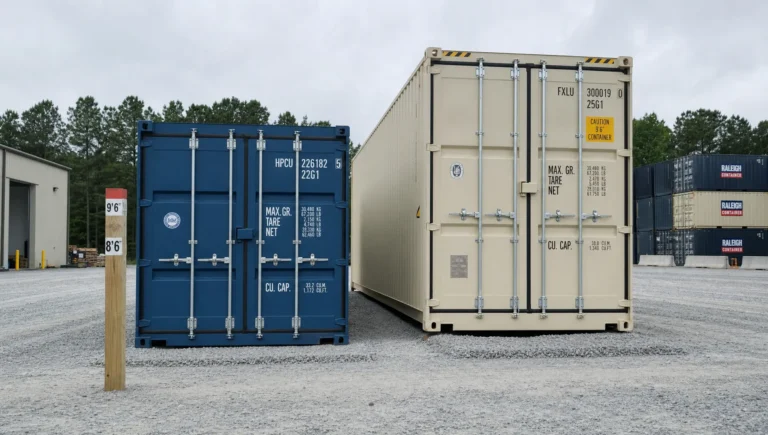
Reefers are commonly available in 20ft and 40ft configurations, with many 40ft units offered as High Cube models. A High Cube container is typically 9'6" tall on the exterior instead of the standard 8'6", giving you more usable interior height after insulation and flooring are accounted for.
If you are still comparing general container footprints, Lease Lane’s guides to 20ft containers and 40ft containers can help you understand how each size affects delivery, placement, and total cost.
| Reefer size | Typical exterior dimensions | Approximate interior space | Best fit | Key watch-out |
|---|---|---|---|---|
| 20ft reefer | 20' L x 8' W x 8'6" H | About 17'9" L x 7'5" W x 7'5" H | Restaurants, farms, caterers, tight sites, small cold storage needs | Less storage length because of the machinery end |
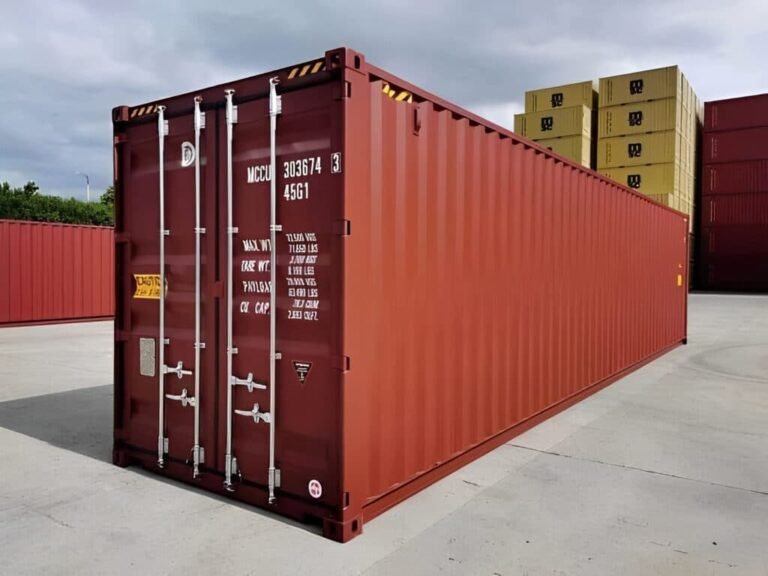
| 40ft reefer | 40' L x 8' W x 8'6" H | About 37'11" L x 7'5" W x 7'5" H | Larger inventory, seasonal overflow, warehouse support | Requires more delivery clearance and stronger site planning |
| 40ft High Cube reefer | 40' L x 8' W x 9'6" H | About 37'11" L x 7'6" W x 8'3" H | Palletized cold storage, floral, food distribution, logistics | Extra height affects overhead clearance and permits in some settings |
Exact dimensions vary by manufacturer, model, and age, so always verify the specific unit before purchase. This is especially important when using pallet racking, carts, shelving, or product bins.
Understand Container Grades Before You Buy
Reefer buyers often focus on whether the refrigeration unit runs, but the container shell matters just as much. The box must keep outside air, moisture, pests, and structural problems from compromising your inventory.
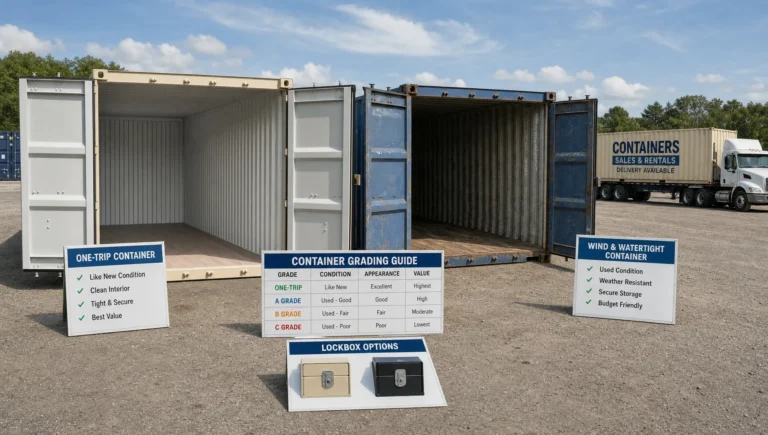
Here is how the major container grades apply to refrigerated containers.
| Grade or condition | What it means | Best use | What to verify |
|---|---|---|---|
| One-Trip | Usually the newest resale option, often after one loaded voyage from the factory | Long-term cold storage, clean customer-facing sites, conversions, buyers wanting maximum remaining life | Machinery hours, PTI report, controller condition, door gaskets, roof, floor, and cosmetic handling marks |
| Cargo Worthy | Structurally suitable for shipping if properly certified, usually with a valid CSC plate when used for transport | Export, intermodal movement, logistics operations, high-value storage | CSC plate, survey status, frame rails, corner castings, refrigeration performance, and documentation |
| Wind and Watertight (WWT) | Keeps wind and water out for stationary storage, but is not necessarily certified for transport | Budget stationary storage when cold performance is separately verified | Light test, door seals, roof corrosion, floor condition, drain lines, and actual cooling test |
| As-Is | Sold with unknown or disclosed defects, often needing repair | Parts, non-critical use, or experienced buyers with repair capability | Full inspection, repair estimate, electrical diagnosis, structural issues, and leak risks |
For dry used containers, WWT can be a practical budget choice for basic storage. For reefers, WWT alone is not enough. A WWT reefer shell may keep rain out, but the refrigeration system still needs to be tested, documented, and matched to your temperature requirements.
Confirm the Refrigeration System, Not Just the Box
A reefer container has two major value components: the ISO steel container shell and the refrigeration machinery. Either one can turn a good purchase into an expensive problem if overlooked.
A professional seller should be able to discuss the refrigeration unit in practical terms. You do not need to be a mechanic, but you should understand what has been tested and what proof is available.
| Item to check | Why it matters | Evidence to request |
|---|---|---|
| PTI or run test | Confirms the unit has been tested before sale | Pre-trip inspection documentation, recent test report, or dated run video |
| Temperature pull-down | Shows whether the unit can reach the target set point | Time-stamped temperature readings under realistic conditions |
| Controller and alarms | Helps identify faults and operating history | Photos of controller screen, alarm codes, service notes |
| Compressor and condenser | Core refrigeration components that affect reliability | Visual inspection, service history, no abnormal noise or overheating |
| Evaporator and fans | Controls internal airflow and temperature consistency | Fan operation check and clean coil condition |
| Door gaskets and seals | Prevent warm air intrusion and condensation | Close-up photos, gasket compression check, light test |
| T-bar floor and drains | Supports airflow and removes condensation | Floor inspection, clear drains, no heavy debris buildup |
| Plug and electrical requirements | Determines whether your site can power the unit | Voltage, phase, amperage, plug type, and electrician review |
The phrase “runs cold” is not enough. A reliable reefer container for sale should come with specific information about the unit’s operating condition, power requirements, and test results.
Match the Reefer to Your Temperature Requirement
Not every refrigerated container is suitable for every cold storage application. Many operational reefers can support frozen, chilled, and controlled ambient settings, but the exact temperature range and performance depend on the refrigeration model, insulation condition, ambient weather, door activity, and electrical supply.
For Raleigh and the Southeast, hot summers and humid conditions make performance verification especially important. A unit that performs adequately in mild weather may work harder during July and August, particularly if doors are opened frequently or the container is loaded with warm product.
Common temperature-controlled use cases include:
- Produce and farm storage that needs cool, stable conditions
- Frozen food, seafood, and meat storage requiring lower set points
- Floral storage where temperature and humidity stability affect shelf life
- Brewery, beverage, and event inventory requiring chilled holding space
- Pharmaceutical or specialty product storage where monitoring and documentation may be required
If your inventory is high-value, regulated, or highly temperature-sensitive, ask about temperature monitoring, service access, and backup power planning before you buy.
Review Power Requirements Before Delivery
Power compatibility is one of the most common surprises for first-time reefer buyers. Many ocean-going refrigerated containers are designed for industrial electrical service, often 3-phase power. Some sites may need a transformer, generator, electrician-installed disconnect, or other power infrastructure before the unit can operate.
Do not assume a standard household outlet can run a reefer. Before purchasing, confirm the unit’s voltage, phase, amperage, plug type, and startup load. Then have a qualified electrician verify whether your Raleigh-area commercial property, farm, warehouse, or job site can support it.
If the container will be placed in a remote agricultural setting, generator power may be possible, but fuel cost, noise, runtime, maintenance, and backup planning all become part of the real operating cost.
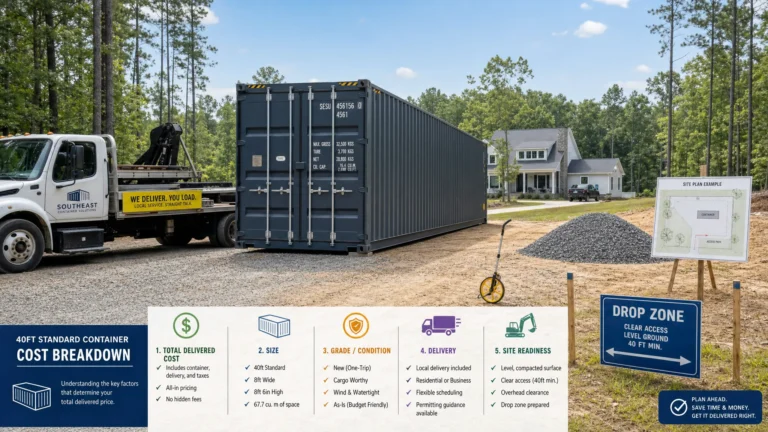
Factor in Total Cost, Not Just Purchase Price
Reefers cost more than standard dry containers because they include insulation, refrigeration machinery, electrical components, and specialized flooring. The upfront price is only part of the decision.
A realistic reefer budget should include the delivered container cost, site preparation, electrical work, utility usage, maintenance, and potential repairs. You may also need temperature monitoring equipment, shelving, ramps, interior lighting, or security upgrades depending on your use case.
For many businesses, a more expensive tested unit is the better value if it reduces product loss, downtime, and emergency repair costs. This is especially true for restaurants, food distributors, farms, and logistics teams where inventory spoilage can quickly exceed the price difference between a questionable unit and a verified one.
Pro-Tip: Prepare the Site Like You Are Installing Equipment, Not Just Dropping a Box
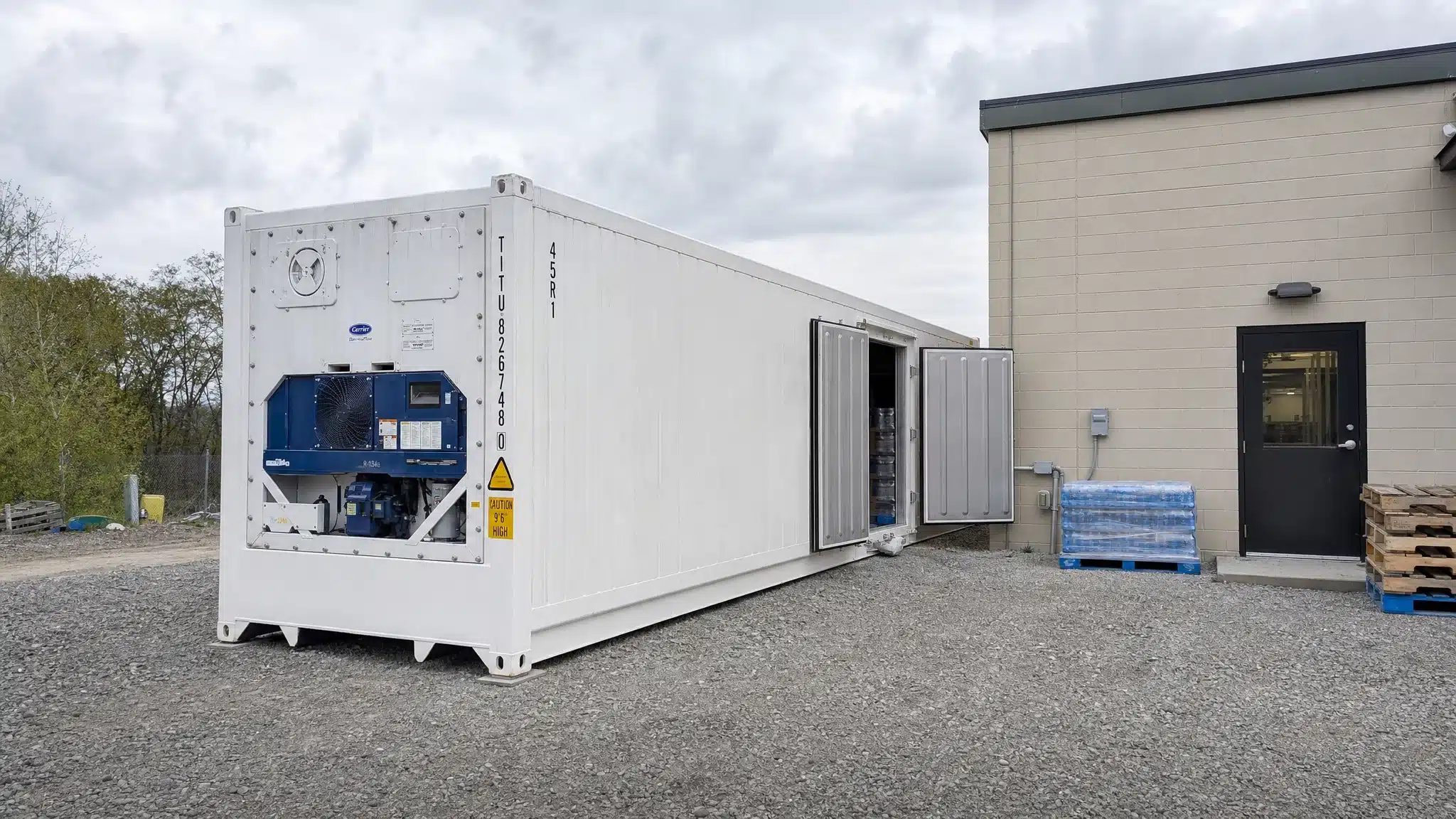
A reefer container is heavier and more sensitive to placement than a basic storage container. The refrigeration machinery needs airflow, service access, drainage, and stable support.
For most Raleigh, North Carolina and Southeast sites, a compacted gravel pad or concrete surface is preferable to bare soil. The container should sit level at the corner castings, with proper drainage away from the unit. Even small twisting can affect door alignment, gasket compression, and water flow through the drain system.
Leave working space around the machinery end so a technician can service the unit. Avoid placing the refrigeration end tight against a wall, fence, tree line, or loading dock without confirming airflow and access. If power will be installed before delivery, coordinate the container orientation with your electrician so the plug and disconnect are safely positioned.
Also check local zoning, HOA rules, and permit requirements before delivery. Raleigh, Wake County, and surrounding municipalities may treat temporary cold storage, commercial storage, and long-term placement differently. If you need help planning access, review Lease Lane’s guide to shipping container delivery requirements before scheduling your drop.
Inspect the Shell Like Any Other Shipping Container
The refrigeration system gets most of the attention, but the steel shell still determines security, durability, and weather protection. A reefer should be inspected for roof dents, corrosion, door alignment, gasket condition, corner casting integrity, floor damage, interior panel condition, and signs of moisture intrusion.
Corten Steel is designed to resist weathering better than ordinary steel, but it is not immune to corrosion. Surface rust is common on used units, while deep pitting, holes, compromised frame rails, and damaged corner castings are more serious concerns.
For export or intermodal use, ask about Cargo Worthy status and the CSC plate. For stationary cold storage, a valid CSC plate may be less important than a verified cooling test, but structural condition still affects safety and long-term value.
Compare Seller Transparency, Not Just Inventory
When shopping for a reefer container for sale, the seller should be clear about both the container grade and the refrigeration condition. Vague wording, stock photos, missing test results, or pressure to pay before seeing unit details are red flags.
A trustworthy quote should clarify:
- Container size and whether it is standard height or High Cube
- Grade, such as One-Trip, Cargo Worthy, WWT, or As-Is
- Whether the reefer machinery is operational and tested
- Delivery cost, placement method, and site assumptions
- Power requirements and plug details
- Photos or video of the actual unit when available
- Any known limitations, repairs, or cosmetic issues
This is where working with a knowledgeable container supplier matters. Lease Lane Containers LLC helps buyers evaluate container size, grade, delivery access, and site preparation from Raleigh while supporting customers across North Carolina, the Southeast, and nationwide.
Quick Recommendations by Buyer Type
| Buyer type | Recommended reefer approach | Why |
|---|---|---|
| Restaurant or caterer | 20ft operational reefer with verified temperature test | Good balance of capacity, access, and site flexibility |
| Farm or produce operation | 20ft or 40ft reefer depending on harvest volume | Supports seasonal overflow and controlled post-harvest storage |
| Food distributor | 40ft or 40ft High Cube Cargo Worthy reefer if transport may be needed | Better capacity for palletized inventory and logistics use |
| Florist or event company | Clean One-Trip or well-maintained used reefer | Better appearance and more stable storage for sensitive goods |
| Logistics manager | Cargo Worthy reefer with CSC documentation and machinery records | Supports transport, compliance, and operational reliability |
| Small business overflow | Tested WWT or Cargo Worthy reefer for stationary use | Controls cost while protecting inventory when export is not needed |
Common Mistakes to Avoid
The first mistake is buying based on price alone. Reefers have mechanical systems, and a cheap untested unit can become expensive very quickly.
The second mistake is ignoring power. If your site cannot support the container, the reefer may arrive before you can use it. Always verify electrical needs before delivery.
The third mistake is forgetting service clearance. A reefer needs access around the machinery end for airflow and maintenance. Treat it like operating equipment, not just a steel box.
The fourth mistake is assuming all grades mean the same thing. One-Trip, Cargo Worthy, and WWT describe different levels of condition and suitability. For reefers, refrigeration testing should be evaluated separately from shell grade.
Frequently Asked Questions
What is the best reefer container for sale for a small business? For many small businesses, a tested 20ft reefer is the most practical choice because it offers useful cold storage without the delivery and power demands of a larger unit. If you store palletized inventory or expect growth, a 40ft High Cube reefer may be worth considering.
Is a used reefer container a good buy? A used reefer can be a strong value if the shell is structurally sound and the refrigeration system has been tested. Ask for the grade, photos, power requirements, and evidence of a recent run test or PTI before committing.
Do reefer containers need 3-phase power? Many refrigerated shipping containers are designed for industrial power, often 3-phase, but requirements vary by unit. Always verify voltage, phase, amperage, and plug type, then have a qualified electrician confirm your site can support the load.
What is the difference between Cargo Worthy and WWT for a reefer? Cargo Worthy means the container is structurally suitable for transport when properly certified, typically with CSC documentation. WWT means the shell keeps out wind and water for stationary storage. Neither term alone proves the refrigeration machinery performs properly, so cooling tests matter.
Can a reefer container be delivered to a farm or rural property near Raleigh? Yes, but site access and ground preparation are critical. You need adequate truck access, stable ground, overhead clearance, a level pad, drainage, and a safe power plan before delivery.
Should I choose a High Cube reefer? A High Cube reefer is often a good choice when you need more interior height for pallets, carts, shelving, or airflow. Remember that the 9'6" exterior height may affect delivery clearance and local placement rules.
Ready to Choose the Right Reefer?
If you are comparing refrigerated containers in Raleigh, North Carolina, the Southeast, or anywhere in the U.S., Lease Lane Containers LLC can help you evaluate size, grade, cooling requirements, delivery access, and site preparation before you buy.
For clear pricing and practical guidance, contact the sales team at sales@leaselanecontainers.com or visit the Lease Lane Containers LLC Raleigh office to discuss the right reefer container for your operation.