Used Sea Containers for Sale: Grades and Value
Buying a used sea container is not just a question of finding the lowest price. The real value comes from matching the container grade to the job, understanding the remaining service life and planning delivery before the truck arrives. For contractors in Raleigh, small businesses across North Carolina, farms in the Southeast and logistics teams shipping nationally, that difference can affect security, repair costs and day-to-day usability.
The market for used sea containers for sale can look confusing because sellers often use terms like Cargo Worthy, Wind and Watertight, One-Trip, High Cube and As-Is without explaining what they mean. A clean 40ft High Cube for inventory storage is not evaluated the same way as a 20ft container going back into international transport. A bargain unit may be perfectly acceptable for hay storage, but a poor fit for tools, documents or export cargo.
This guide focuses on value. You will learn how grades affect condition, what to inspect, how size changes cost and when paying more upfront usually saves money later.
What Makes a Sea Container Valuable?
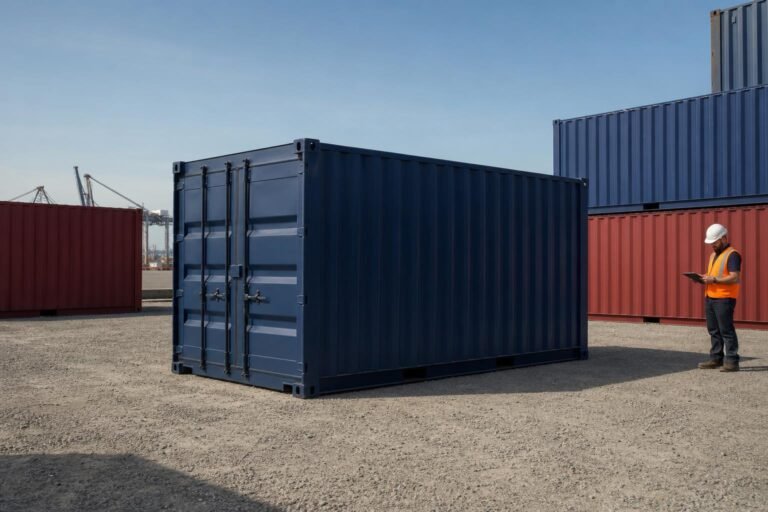
A shipping container, often called a sea container, cargo container or intermodal container, is built to move freight by vessel, rail and truck. Most standard dry containers are made from Corten Steel, a weathering steel designed to handle marine environments better than ordinary mild steel. That does not make them immune to rust, but it does explain why a used container can still provide years of dependable service when the roof, corner posts, crossmembers, doors and floor remain structurally sound.
The highest value used containers share a few traits: they are structurally straight, close properly, have solid floors, show no daylight through the roof or wall panels and come with an honestly represented grade. ISO standards also matter. Standard freight containers are built around recognized dimensional and strength requirements, including the Series 1 freight container framework published by ISO. Buyers who need transport service should pay attention to ISO sizing, corner castings and whether the container can be certified for cargo movement.
For storage buyers, value is often less about a perfect exterior and more about dry interiors, secure doors and dependable placement. For transport buyers, value includes structural certification, valid inspection status and suitability for cargo handling.
Container Grades: The Foundation of Value
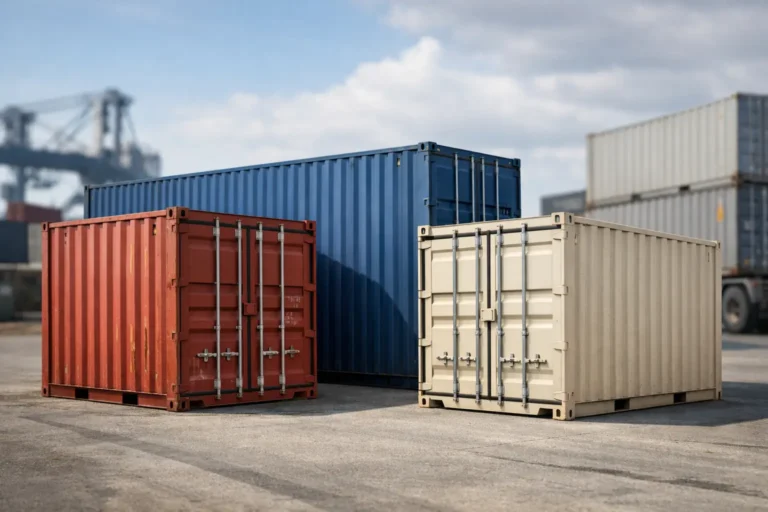
When comparing used sea containers for sale, grade is the first filter. It should never be the only factor, but it sets a realistic expectation for condition, price and use case. Lease Lane Containers uses clear grading language because a buyer should know whether they are getting a nearly new unit, a transport-ready unit, a storage-grade unit or a discounted project container.
| Grade | Typical condition | Best use | Value profile |
|---|---|---|---|
| One-Trip | Newer container used for one ocean voyage, usually with minimal dents and cleaner paint | Long-term storage, retail builds, modular projects, premium jobsite storage | Higher upfront cost, strongest cosmetic and functional value |
| Cargo Worthy | Structurally sound and suitable for cargo transport when properly inspected and documented | Export shipping, regional freight, secure storage | Strong balance of durability and cost for buyers who need transport capability |
| Wind and Watertight | Keeps out wind and rain, but may not qualify for loaded transport | Jobsite storage, farm storage, household storage, inventory overflow | Often the best value for static storage when structural damage is not present |
| As-Is | Sold in current condition, may have leaks, door issues, corrosion or floor damage | Projects, non-critical storage, parts, repairs | Lowest initial cost, highest risk of repair expense |
If you want a deeper grade-by-grade breakdown, Lease Lane Containers also maintains a detailed shipping container grading guide for buyers who want to compare condition levels before requesting a quote.
One-Trip Containers: Premium Condition, Longer Service Life
A One-Trip container is not technically a heavily used container. It has usually made one loaded trip from the manufacturer to its destination market, which is why it is sometimes considered the closest practical alternative to buying new. These units usually have cleaner interiors, better paint, tighter doors and fewer dents.
For a Raleigh builder storing expensive tools or a business converting a container into a customer-facing retail pop-up, One-Trip can be the better value even if the invoice is higher. Cosmetic condition matters when the container is visible to clients, tenants or neighbors. It also matters for modification work, since cleaner panels, square frames and reliable doors reduce preparation time.
One-Trip containers are commonly available in 20ft and 40ft lengths, with Standard and High Cube options. A High Cube container is typically one foot taller than a standard-height unit, which gives extra vertical clearance for shelving, equipment, insulation or office conversions. That additional height can be worth the upgrade for modular uses and inventory systems.
Cargo Worthy Containers: Best for Transport and Heavy-Duty Use
Cargo Worthy containers are used units that remain structurally suitable for cargo service. In practice, that means the frame, corner posts, doors, roof, sidewalls and floor should be strong enough for freight handling. For international export, a buyer may need a valid CSC plate and current inspection documentation. The grade alone is not a substitute for paperwork when a shipping line or freight forwarder requires certification.
Cargo Worthy is often the smartest grade for logistics managers, manufacturers and exporters. It is also attractive for contractors who want a tougher-than-average storage unit and do not mind normal dents or surface rust. If a unit can still meet cargo standards, it is usually well above minimum expectations for static ground storage.
The tradeoff is cosmetic. A Cargo Worthy unit may show paint wear, patches, dings or older markings. Those details do not automatically reduce functional value. For many buyers, the best deal is a structurally strong container that looks used but performs reliably.
Wind and Watertight Containers: Practical Storage Value
Wind and Watertight, often shortened to WWT, is one of the most common grades for storage buyers. A WWT unit should keep rain and wind out under normal conditions. It may have dents, older paint, surface rust and prior repairs, but it should not have active leaks or holes that compromise dry storage.
For general contractors in North Carolina, WWT containers are often a practical choice for tools, fasteners, lumber, fixtures and site supplies. Homeowners use them for seasonal equipment, furniture and long-term property storage. Farmers and agricultural operators use them for feed, parts, fencing materials and implements.
The value comes from paying for the function you actually need. If the container will sit on private property and will not be loaded onto a vessel again, Cargo Worthy certification may not be necessary. A properly selected WWT unit can provide strong storage performance without the premium price of One-Trip or Cargo Worthy inventory.
That said, WWT is not a license to skip inspection. Doors should open and close, gaskets should compress, floors should feel solid and the roof should not hold standing water. Our guide to what smart buyers check when purchasing used containers covers these inspection points in more detail.
As-Is Containers: Low Price, Higher Risk
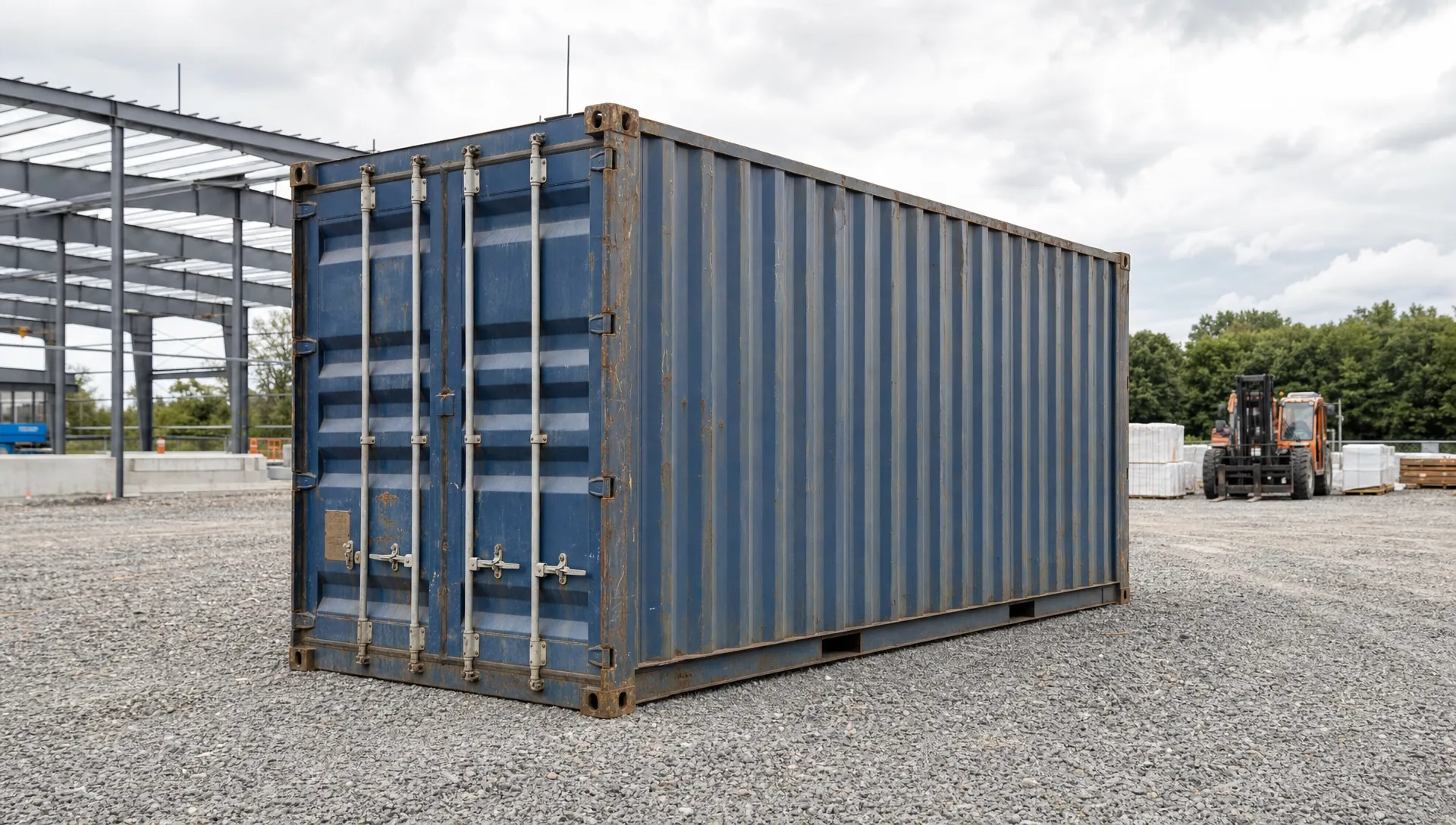
As-Is containers can make sense, but only for buyers who understand the risk. These units may have leaks, missing seals, bent doors, heavy corrosion, floor damage or other issues. They are typically priced lower because the seller is not representing them as watertight, cargo-ready or structurally dependable.
An As-Is unit may work for equipment cover, non-sensitive materials, a farm project or a modification where panels will be cut out anyway. It may be a poor choice for business inventory, household goods, documents, electronics or anything that cannot tolerate moisture.
The biggest mistake is comparing an As-Is quote against a WWT or Cargo Worthy quote as if they are equal. They are not. If repairs, repainting, seal replacement or door work are needed, the cheaper container can become more expensive than a better grade.
Size, Height and Specialty Options Affect Value Too
Grade tells you condition. Size and configuration tell you how useful the unit will be once it arrives. The most common options are 20ft and 40ft containers, with High Cube versions for buyers who need more interior height.
| Container type | Typical buyer need | Value consideration |
|---|---|---|
| 20ft Standard | Smaller jobsites, tight residential lots, farm storage, tool storage | Easier to place in compact areas and practical when access is limited |
| 40ft Standard | Larger storage volume, construction materials, retail inventory, business overflow | Lower cost per cubic foot when there is enough room for delivery and placement |
| 40ft High Cube | Shelving, modular builds, mobile offices, tall equipment, insulation projects | Extra height improves usability, especially for conversions |
| Refrigerated container | Cold storage, food, flowers, pharmaceutical or temperature-sensitive goods | Requires power planning, maintenance awareness and site access for service |
For buyers comparing used sea containers for sale around Raleigh or elsewhere in the Southeast, delivery access can make size more important than price. A 40ft container may offer excellent storage economics, but it also requires more room for the truck, trailer and tilt-bed unloading process. If your site has a narrow driveway, low branches, soft ground or a tight turn from the road, a 20ft unit may be the smarter purchase.
How to Judge Real Value Beyond the Quote
A fair container quote should be clear about grade, size, height, delivery and any optional modifications. A vague quote may leave out the factors that determine the final cost. Before comparing sellers, make sure you are looking at equivalent units.
A strong value comparison includes:
- Grade and whether it is One-Trip, Cargo Worthy, WWT or As-Is
- Size and height, including Standard or High Cube configuration
- Door condition, gasket condition, roof condition and floor integrity
- Delivery distance, placement method and access requirements
- Whether the container is suitable for storage, transport or modification
- Any repainting, lockbox, vents, doors or other requested modifications
This is where a local team adds value. Lease Lane Containers is headquartered in Raleigh, NC and works with buyers throughout North Carolina, the Southeast and nationwide. Local knowledge helps with site planning, weather considerations, driveway access and realistic delivery expectations, while national delivery capability helps commercial and logistics customers source containers across broader markets.
If you are still comparing local listings, our article on how to spot value when searching for used containers for sale near you can help you separate a fair deal from an incomplete quote.
Inspection Priorities Before You Buy
Photos are helpful, but they do not replace a grade explanation or an honest condition report. If you inspect in person, bring a flashlight, look from inside with the doors closed and check for pinholes of daylight. Walk the floor and listen for soft spots. Open and close both cargo doors, then inspect the locking rods, hinges and rubber gaskets.
Pay special attention to the roof. Containers often rust from trapped water, dents that hold moisture or damaged paint. Surface rust is common on used units, but deep corrosion, holes or severe roof deformation reduce value quickly. Also check the bottom rails and crossmembers, especially if the unit will be loaded, moved later or used in a demanding jobsite environment.
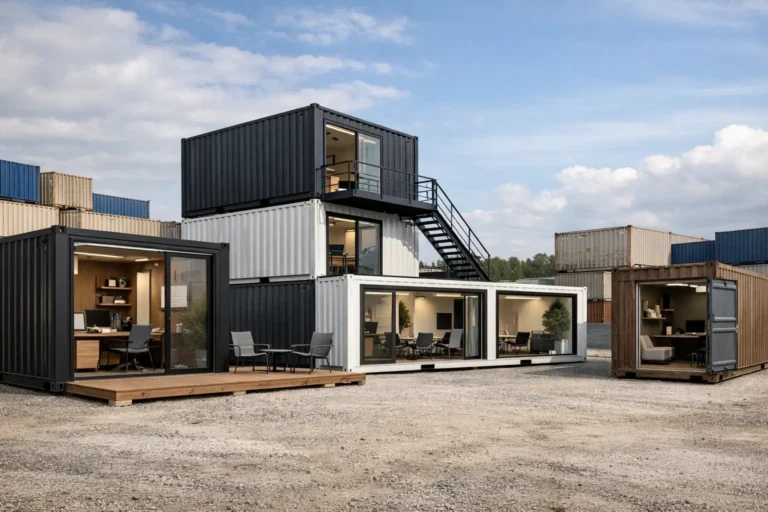
For modified containers, start with a higher-quality shell when possible. Windows, personnel doors, insulation and electrical work are easier to justify when the base container has a solid frame and a long remaining service life.
Pro-Tip: Prepare the Site Before Delivery Day
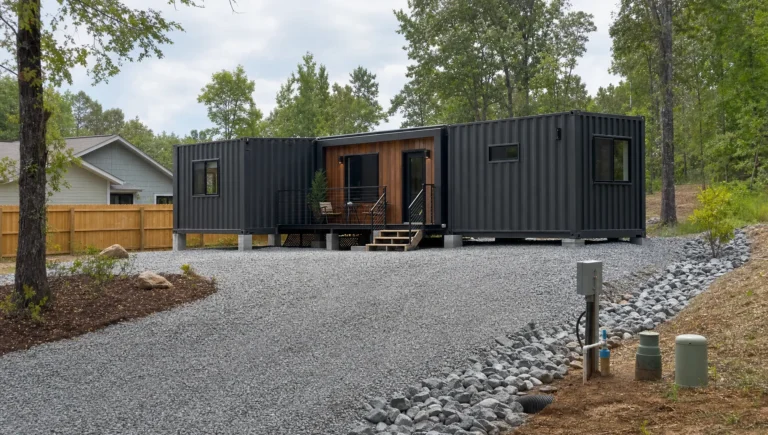
The best container value can be lost if the drop site is not ready. A container should sit level, with support under the corner castings or along a stable base. In Raleigh and much of the Southeast, clay soil, heavy rain and seasonal humidity make drainage especially important.
A compacted gravel pad is often a practical choice because it helps water drain away and reduces ground contact. Concrete piers, railroad ties or engineered footings may also be appropriate depending on the use, weight and local requirements. Avoid placing a container directly in a low spot where water collects. Standing water accelerates corrosion and can make doors harder to operate as the unit settles.
Also confirm access before the truck arrives. Tilt-bed delivery requires room in front of the final placement area, not just the footprint of the container. Overhead wires, tree limbs, fences, steep grades and tight turns can affect whether the driver can place the unit safely.
Permits are location-specific. In Raleigh, Wake County and surrounding North Carolina municipalities, rules may depend on zoning, duration of use, commercial versus residential placement, visibility, setbacks and whether the container is temporary or permanent. Start with your local planning office, HOA if applicable and the City of Raleigh permits information when the site is inside city limits.
Which Grade Should You Choose?
The right grade depends on what failure would cost you. If moisture would damage inventory, choose at least WWT and inspect carefully. If the unit may move loaded cargo, ask about Cargo Worthy condition and required documentation. If appearance matters or the container will be modified, One-Trip may deliver better long-term value. If the container is for a rough farm project or non-critical use, As-Is may be acceptable if the flaws are clearly disclosed.
For many storage buyers, the best value is not the cheapest unit. It is the lowest total cost for a container that does the job without surprise repairs, delivery complications or early replacement. That is why grade transparency matters so much when evaluating used sea containers for sale.
Frequently Asked Questions
Are used sea containers the same as shipping containers? Yes. Sea container, shipping container, cargo container and intermodal container are often used to describe the same steel freight units built for ocean, rail and truck movement.
What is the best grade for storage? Wind and Watertight is often the best value for static storage because it should keep out normal rain and wind without the higher cost of a Cargo Worthy or One-Trip unit. Sensitive inventory may justify a cleaner or newer grade.
Do I need a Cargo Worthy container for my jobsite? Usually not if the container will only be used for ground storage. Cargo Worthy is more important when the unit needs to transport loaded freight or meet carrier requirements.
Is a High Cube container worth it? A High Cube is worth considering when you need extra vertical clearance for shelving, tall equipment, insulation, lighting or office conversion work. The added height can make the interior much more usable.
Can Lease Lane Containers deliver outside Raleigh? Lease Lane Containers is headquartered in Raleigh, NC and supports container buyers locally, across the Southeast and nationwide through reliable delivery planning.
Talk With a Container Team That Explains the Grade
If you are comparing used sea containers for sale, start with the grade, then confirm size, condition, delivery access and site preparation. Lease Lane Containers LLC supplies new One-Trip and used shipping containers, including 20ft, 40ft, Standard, High Cube and refrigerated options, with clear guidance on WWT and Cargo Worthy condition.
For help choosing the right container for storage, construction, agriculture, business inventory or transport, contact the Lease Lane Containers sales team at sales@leaselanecontainers.com or visit our Raleigh office to discuss your site, delivery plan and container options.